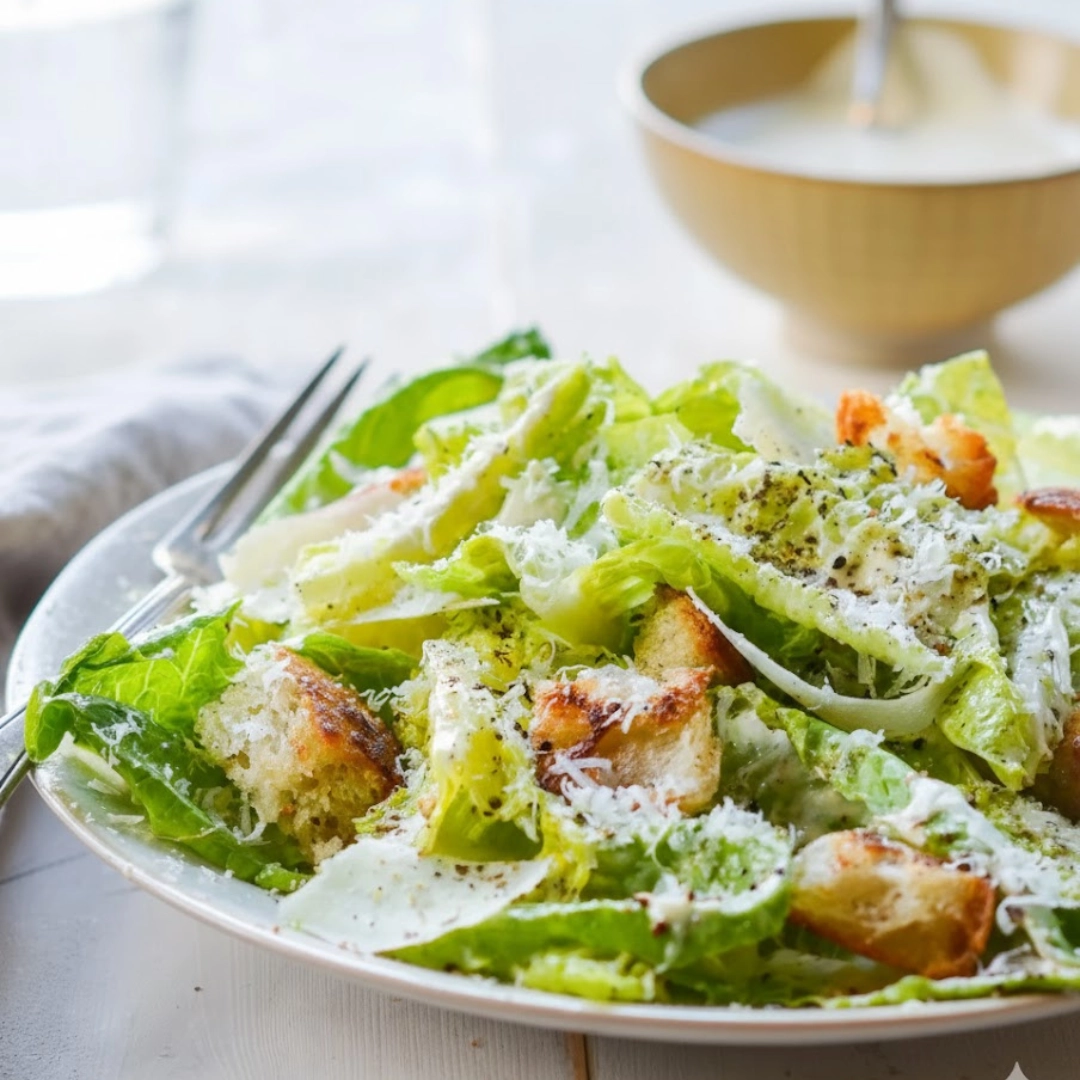
The Caesar salad, in its purest form, is a study in culinary perfection—a symphony of crisp texture, sharp salty notes, and a deep, luxurious richness that blankets every leaf. Yet, the heart of this iconic dish isn’t the romaine or the croutons; it’s the dressing. A truly exceptional Homemade Caesar Salad Dressing elevates a simple plate of greens into a memorable meal, transforming raw ingredients into a deeply savory, slightly piquant, and gloriously creamy emulsion. Forget the pale, cloyingly sweet versions found in bottles; this classic preparation is quick, requires minimal fuss, and delivers a profound depth of flavor unmatched by store-bought alternatives, making it ideal for everything from an elegant Sunday dinner side dish to a vibrant lunch entrée.
Foundation of the Classic Dressing
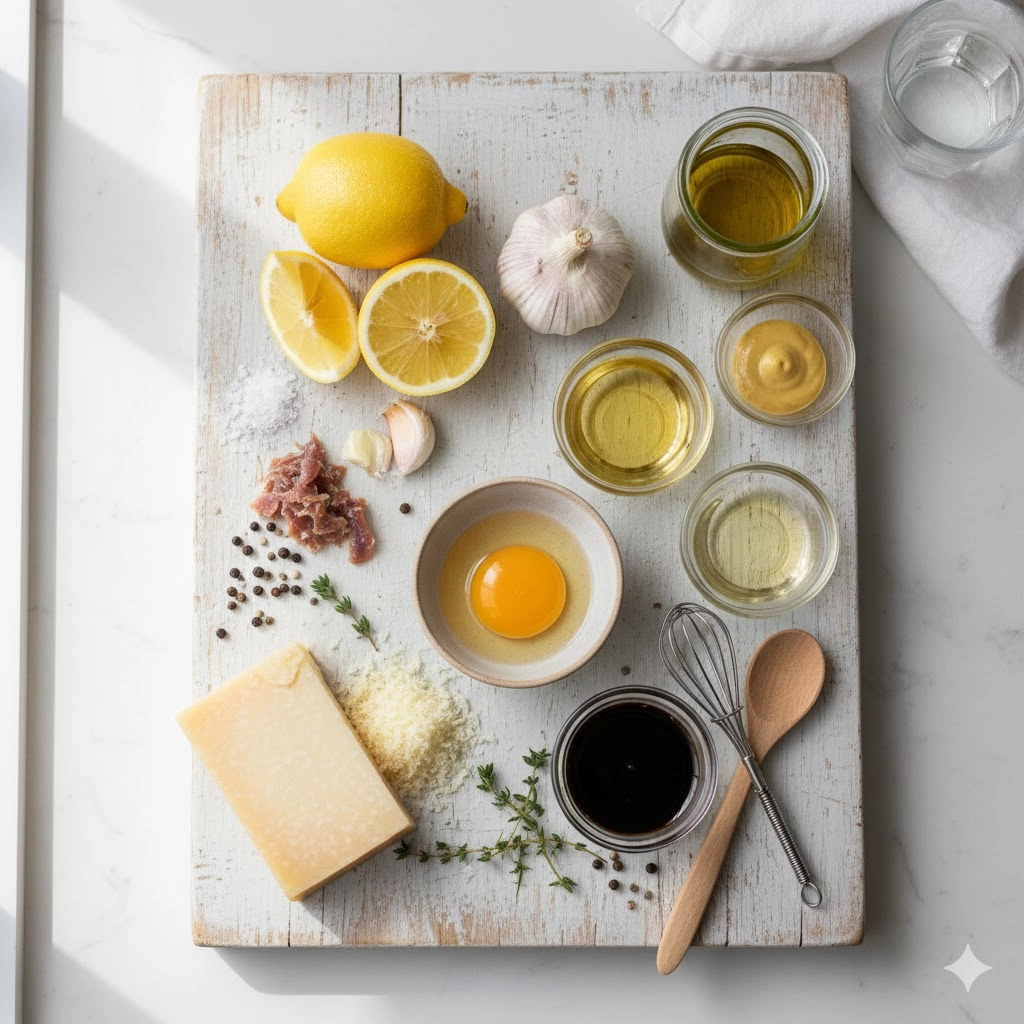
The key to this dressing lies in building a stable emulsion, where acid meets fat, bound together by the lecithin in the egg yolk. For the best result, use fresh, high-quality ingredients, as their flavors are concentrated and define the final product.
The Essentials:
- One large egg yolk (preferably pasteurized, or coddled briefly in hot water)
- Three teaspoons fresh lemon juice
- One small clove garlic, finely minced or grated
- One half teaspoon Dijon mustard
- One half teaspoon Worcestershire sauce
- One quarter teaspoon fine sea salt
- One quarter teaspoon freshly cracked black pepper
- Three tablespoons high-quality extra virgin olive oil
- One half cup neutral-flavored oil (like light olive oil, grapeseed, or canola)
The Savory Depth:
- One and one half teaspoons finely chopped or mashed anchovy fillets (two to three fillets)
- One third cup finely grated Parmesan cheese, plus extra for serving
Crafting the Emulsion: A Quick Guide
The process of making this dressing is less about cooking and more about technique. The aim is to create a thick, glossy, and cohesive sauce without breaking the emulsion. This high-level overview provides the roadmap before diving into the granular details.
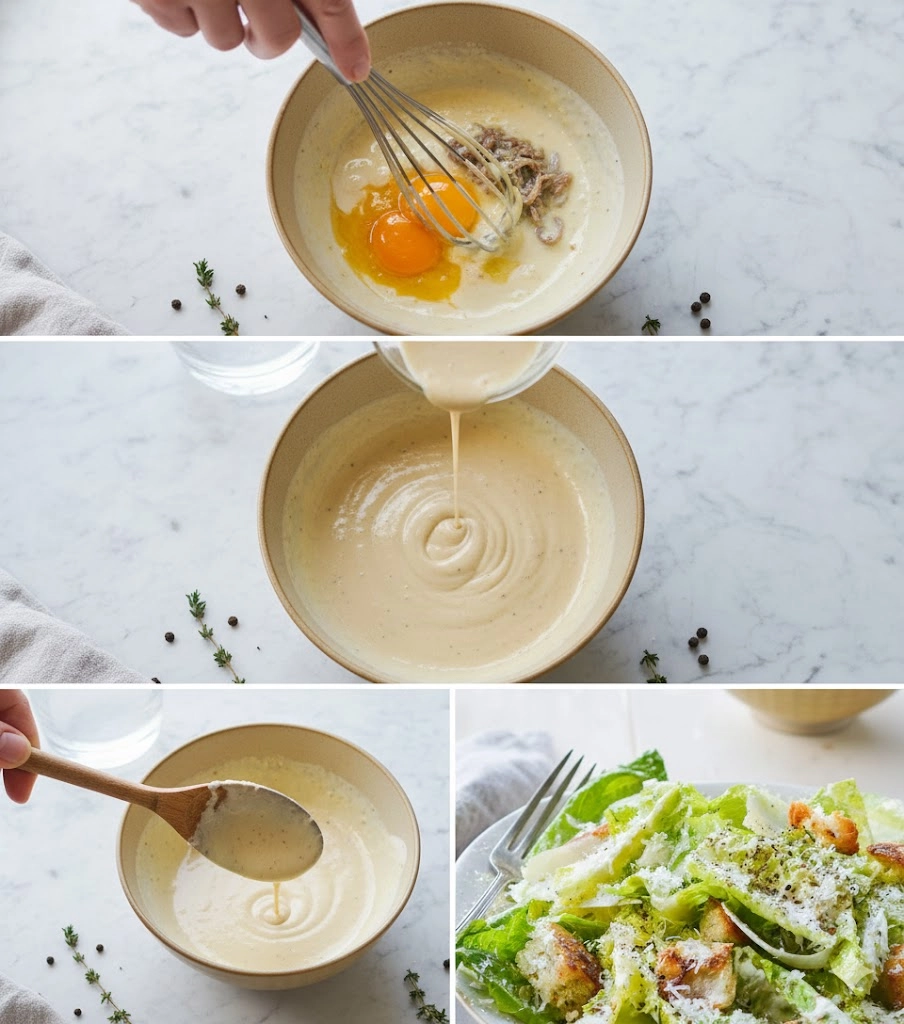
- Prepare the Base: In a medium bowl or the jar of a wide-mouth blender, combine the egg yolk, lemon juice, Dijon mustard, minced garlic, Worcestershire sauce, salt, and pepper.
- Activate the Anchovy: Stir in the mashed anchovy fillets and let the mixture sit for about sixty seconds, allowing the flavors to marry slightly.
- Initiate the Drip: Begin whisking the mixture vigorously. While whisking continuously, add the extra virgin olive oil drop by drop.
- Stabilize the Emulsion: Once approximately half of the extra virgin olive oil is incorporated and the mixture has visibly thickened, switch to a slow, steady stream of the neutral-flavored oil, continuing to whisk constantly.
- Finish the Sauce: Once all the oil is incorporated and the dressing is creamy and thick, whisk in the grated Parmesan cheese.
- Adjust and Serve: Taste the finished dressing. Adjust seasoning—adding more lemon juice for brightness or salt for complexity—before serving immediately or storing in the refrigerator.
Mastering the Classic Method: Achieving Perfect Creaminess
The secret to a truly outstanding Caesar dressing lies in the control and patience exercised during the emulsification phase. Rushing this step results in a thin, oily, or separated sauce—a disappointment easily avoided by attention to detail.
The Initial Whisking Stage:
Begin by ensuring all ingredients are at room temperature, especially the egg yolk and oils. Cold ingredients struggle to merge. In your chosen vessel (a bowl, blender jar, or food processor), the initial combination of the egg yolk, acid (lemon), and emulsifiers (Dijon and anchovy) is crucial. Vigorously whisking this initial mix for about thirty seconds integrates the water-based components and primes the egg’s lecithin to receive the oil. The color should lighten slightly, and the texture should be uniform.
The Crucial First Drips of Oil:
This is the make-or-break moment. You are not pouring oil; you are introducing it. Using a very slow, almost agonizingly slow, addition of the first three tablespoons of extra virgin olive oil is non-negotiable. Add the oil literally drop by drop, whisking continuously and rapidly after each addition. The dressing will look thin and speckled at first, but suddenly, around the halfway point of the initial three tablespoons, you will notice a fundamental change: the dressing will seize up, becoming noticeably thicker, lighter in color, and exhibiting a glossy sheen. This visual cue signifies a stable, established emulsion.
Expanding the Volume:
Once the emulsion is locked in with the extra virgin olive oil, you have gained security. The slower rate of oil addition is now less critical, and you can switch to a thin, continuous stream of the neutral oil. However, “continuous stream” does not mean a sudden downpour. It should be a thread, no wider than a piece of spaghetti, allowing the whisk to continually break the oil into microscopic droplets and integrate them into the creamy base. If you see pools of oil gathering on the surface that the whisk cannot absorb, stop immediately and whisk until cohesion is restored before continuing.
Integrating the Parmesan:
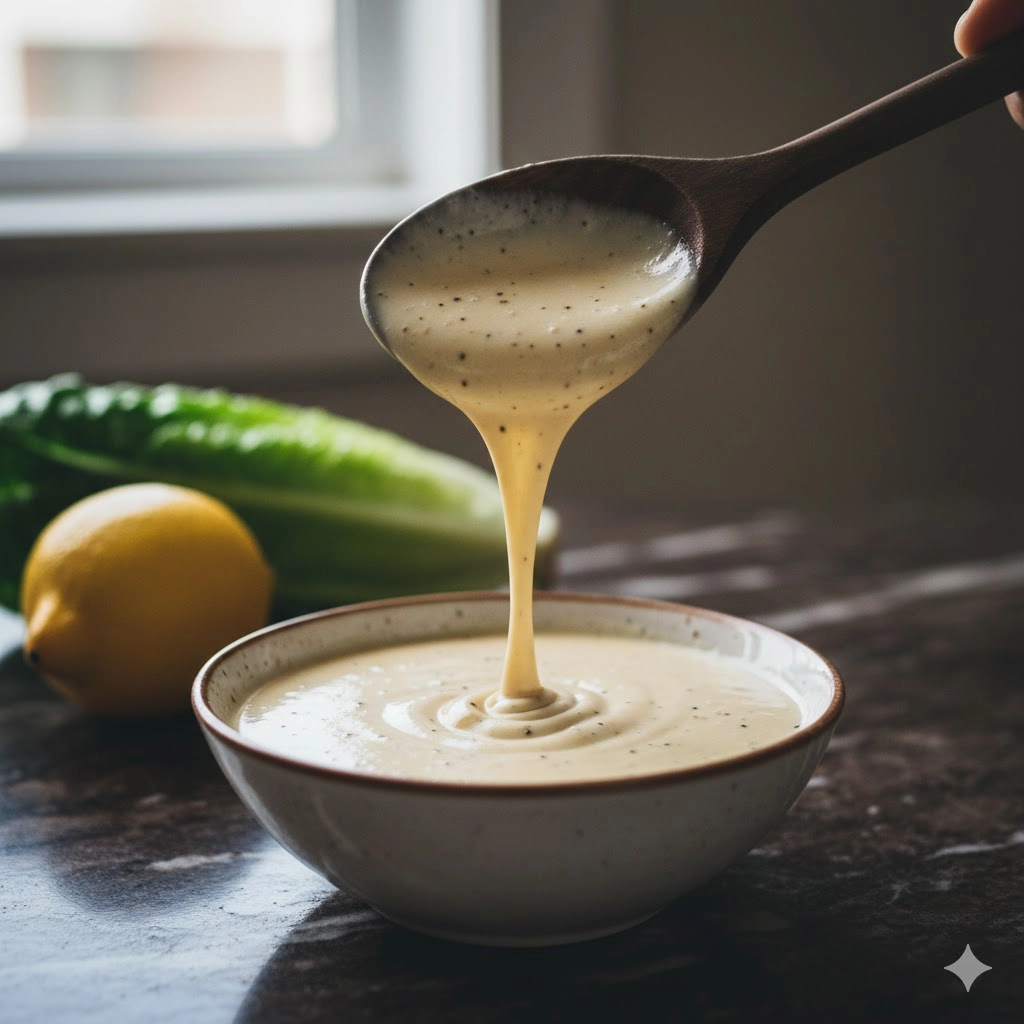
The final addition of cheese requires a brief, but intense, whisking period. Parmesan is a solid, not a liquid, and it thickens the dressing further by sheer bulk, but also adds a necessary textural element. Whisking it in last ensures its flavor remains sharp and distinct, rather than being fully absorbed into the oil blend. If the dressing is too thick after adding the Parmesan, whisk in a teaspoon of warm water or cold milk to slightly thin it to your desired consistency. The resulting sauce should be a pale, golden-yellow, coating the back of a spoon with authority.
Achieving Next-Level Flavor and Texture
While the base recipe is classic, several expert maneuvers can push the final product beyond excellent into truly sublime territory. These tips focus on maximizing the intensity and complexity of the savory elements.
- Charred Lemon Juice: Before juicing your lemon, cut it in half and sear the cut sides in a dry skillet over high heat until they are deeply browned, about two minutes. The juice extracted from these charred halves will carry a complex, smoky, and slightly sweeter note that complements the garlic and anchovy beautifully.
- The Mellow Garlic Method: Rather than using raw, harsh garlic, try grating the clove into the initial mixing bowl, then gently massaging it into the salt and pepper for thirty seconds before adding the liquid ingredients. This friction releases the garlicky compounds while slightly mellowing their bite, integrating them seamlessly into the background flavor.
- Aged Anchovy Paste: For those wary of handling whole anchovies, use a high-quality anchovy paste (often available in tubes). Crucially, let the paste warm to room temperature for at least ten minutes before mixing. Its texture will be smoother, ensuring zero chunks or grittiness in the final dressing.
- Using a Milder Finishing Oil: While the bulk of the oil should be neutral for stability, whisk in a final tablespoon of a high-quality, peppery extra virgin olive oil right at the very end—after the Parmesan is added. This provides the aromatic intensity of fresh olive oil without risking the bitterness that heavy-duty whisking can sometimes induce in delicate olive varieties.
- The Rest is Best Rule: Though delicious immediately, the flavors of the dressing—especially the acid, salt, and garlic—deepen and unify after thirty minutes. Let the finished dressing rest at room temperature (if using pasteurized egg) or in the refrigerator for at least half an hour before tossing with greens.
Beyond the Egg Yolk: Alternative Techniques and Flavor Twists
The traditional method is egg-based, but modern palates and dietary requirements often call for variations. These three alternatives maintain the spirit of Caesar while offering unique textural or flavor profiles.
The Mayonnaise Shortcut:
For guaranteed stability and speed, substitute the egg yolk and half the neutral oil with a half cup of high-quality mayonnaise. Omit the mustard, as it is already present in the mayonnaise. Simply whisk together the mayonnaise, lemon juice, garlic, anchovy, and seasonings. Then slowly whisk in the remaining neutral oil and the Parmesan. This results in an incredibly thick, near-instantaneous dressing that is less delicate to prepare than the classic emulsion.
The Tofu-Based Vegan Alternative:
Achieve an incredible creaminess without any dairy or egg by using one hundred grams of silken or soft tofu. Blend the tofu with two tablespoons of nutritional yeast (to replace the cheesy flavor), a double dose of lemon juice, capers (in place of anchovy), and all the seasonings. Stream in the oil during the blending process until the dressing is silky smooth. The texture is indistinguishable from the classic version.
Smoked Paprika and Balsamic Variation:
Introduce a different savory depth by replacing the Worcestershire sauce with one teaspoon of a thick, aged balsamic vinegar and a half teaspoon of smoked paprika. This provides a subtle, sweet tang and a smoky earthiness that works particularly well when the dressing is paired with grilled chicken or roasted vegetables, moving the flavor profile away from the pure Italian-American standard toward something richer and darker.
Creative Pairings for the Kitchen Icon
While this dressing is eternally destined for a bowl of romaine and croutons, its robust flavor profile makes it a fantastic partner for a range of other dishes that require a creamy, salty, and sharp component.
- The Steak Sandwich Condiment: Use the dressing as a spread on toasted Italian bread for a grilled steak sandwich. The sharpness cuts through the richness of the seared beef, and the creaminess provides lubrication for a perfect bite.
- Dipping Sauce for Roasted Vegetables: Skip the ranch and use this instead for dipping deeply caramelized vegetables like Brussels sprouts, asparagus spears, or roasted cauliflower. Roasting concentrates the vegetables’ sweetness, which is beautifully balanced by the dressing’s acidity and salinity.
- In a Potato Salad Base: Instead of a pure mayonnaise base, use this Homemade Caesar Salad Dressing as the binder for a simple potato salad. Combine par-boiled and cooled new potatoes, thinly sliced celery, and a light application of the dressing. The anchovy and lemon add a sophisticated, savory complexity that elevates the classic picnic dish.
- As a Chicken Marinade: Thin the dressing slightly with a tablespoon of buttermilk and use it as a robust overnight marinade for chicken breasts or thighs before grilling. The acid helps tenderize the meat, and the oil and seasonings create a savory crust when exposed to high heat.
Essential Questions for the Home Cook
A classic recipe often generates common questions regarding safety, storage, and substitution. These answers aim to demystify the process and ensure confidence in the kitchen.
Can I make this dressing without using the raw egg yolk?
Yes, absolutely. If you are concerned about raw eggs, you have two primary options: use a pasteurized egg yolk, which eliminates the risk, or skip the egg entirely and follow the mayonnaise-shortcut variation described above. The egg yolk primarily acts as an emulsifier, and alternatives like mayonnaise or Dijon mustard can successfully perform that role.
How long will this fresh Caesar dressing keep in the refrigerator?
Given the fresh ingredients and the use of lemon juice, which acts as a mild preservative, this dressing will keep well in an airtight container in the refrigerator for up to four days. Always give it a vigorous shake or a quick whisk before serving, as the Parmesan may settle slightly over time.
I don’t like anchovies; can I leave them out?
While anchovies are a critical component of classic Caesar dressing, providing the signature umami and salinity, you can omit them if necessary. For a substitute that retains some depth, use an additional teaspoon of Worcestershire sauce, as it contains fermented ingredients that offer a similar savory quality, or try using a half teaspoon of very finely chopped capers.
Why did my dressing break and turn watery/oily?
A broken dressing is a sign that the oil was added too quickly for the emulsifier (the egg yolk) to incorporate it. The two most common fixes are: start over with a fresh egg yolk and drizzle the broken mixture in very slowly like oil; or place one teaspoon of boiling water in a clean bowl and slowly whisk the broken dressing into the water, allowing the heat to aid in re-establishing the bond.
Can I use all olive oil instead of a mix of oils?
It is strongly recommended to use a mix of oils. Using only extra virgin olive oil can sometimes lead to a bitter flavor when heavily whisked during the emulsification process. The high heat friction caused by rapid whisking can release bitter polyphenols from the oil. A neutral oil provides the necessary fat bulk while allowing the flavors of the garlic, lemon, and anchovy to dominate the profile.
Estimated Nutritional Values
| Nutrient | Amount per Serving |
| Calories | 175 kcal |
| Protein | 3 g |
| Carbs | 1 g |
| Fat | 18 g |
| Fiber | 0 g |
| Sugar | 0 g |
| Sodium | 180 mg |
Nutrition Disclaimer
Nutrition information is an estimate and may vary based on preparation and ingredients used.
PrintThe Ultimate Homemade Caesar Salad Dressing

A classic, rich, and intensely savory homemade caesar salad dressing recipe focused on achieving the perfect creamy emulsion.
- Prep Time: 10 mins
- Cook Time: 0 mins
- Total Time: 10 mins
- Yield: About 1 cup (6–8 servings) 1x
- Category: Side Dish, Dressing
- Method: Whisking
- Cuisine: Italian-American
Ingredients
1 large egg yolk
3 teaspoons fresh lemon juice
1 small clove garlic, minced
1/2 teaspoon Dijon mustard
1/2 teaspoon Worcestershire sauce
1/4 teaspoon fine sea salt
1/4 teaspoon freshly cracked black pepper
3 tablespoons extra virgin olive oil
1/2 cup neutral-flavored oil
1 and 1/2 teaspoons mashed anchovy fillets
1/3 cup finely grated Parmesan cheese
Instructions
1. Prepare the base: In a bowl, combine the egg yolk, lemon juice, mustard, garlic, Worcestershire, salt, and pepper. Whisk to integrate.
2. Activate the anchovy: Stir in the mashed anchovy fillets and let sit for sixty seconds.
3. Initiate the Drip: Whisking vigorously, add the extra virgin olive oil drop by drop until the mixture visibly thickens.
4. Stabilize and Expand: Switch to a slow, steady stream of the neutral-flavored oil, continuing to whisk until fully absorbed.
5. Finish the Sauce: Whisk in the grated Parmesan cheese until the dressing is thick and creamy.
6. Adjust and Serve: Taste and adjust seasoning with more salt or lemon juice before serving.
Notes
Use room temperature ingredients for the most stable emulsion.
If the dressing breaks, slowly whisk the broken mixture into a clean bowl containing 1 tsp of boiling water to re-emulsify.
Store in the refrigerator for up to four days.
Nutrition
- Serving Size: 2 tbsp
- Calories: 175
- Sugar: 0g
- Sodium: 180mg
- Fat: 18g
- Saturated Fat: 3g
- Unsaturated Fat: 15g
- Trans Fat: 0g
- Carbohydrates: 1g
- Fiber: 0g
- Protein: 3g
- Cholesterol: 135mg