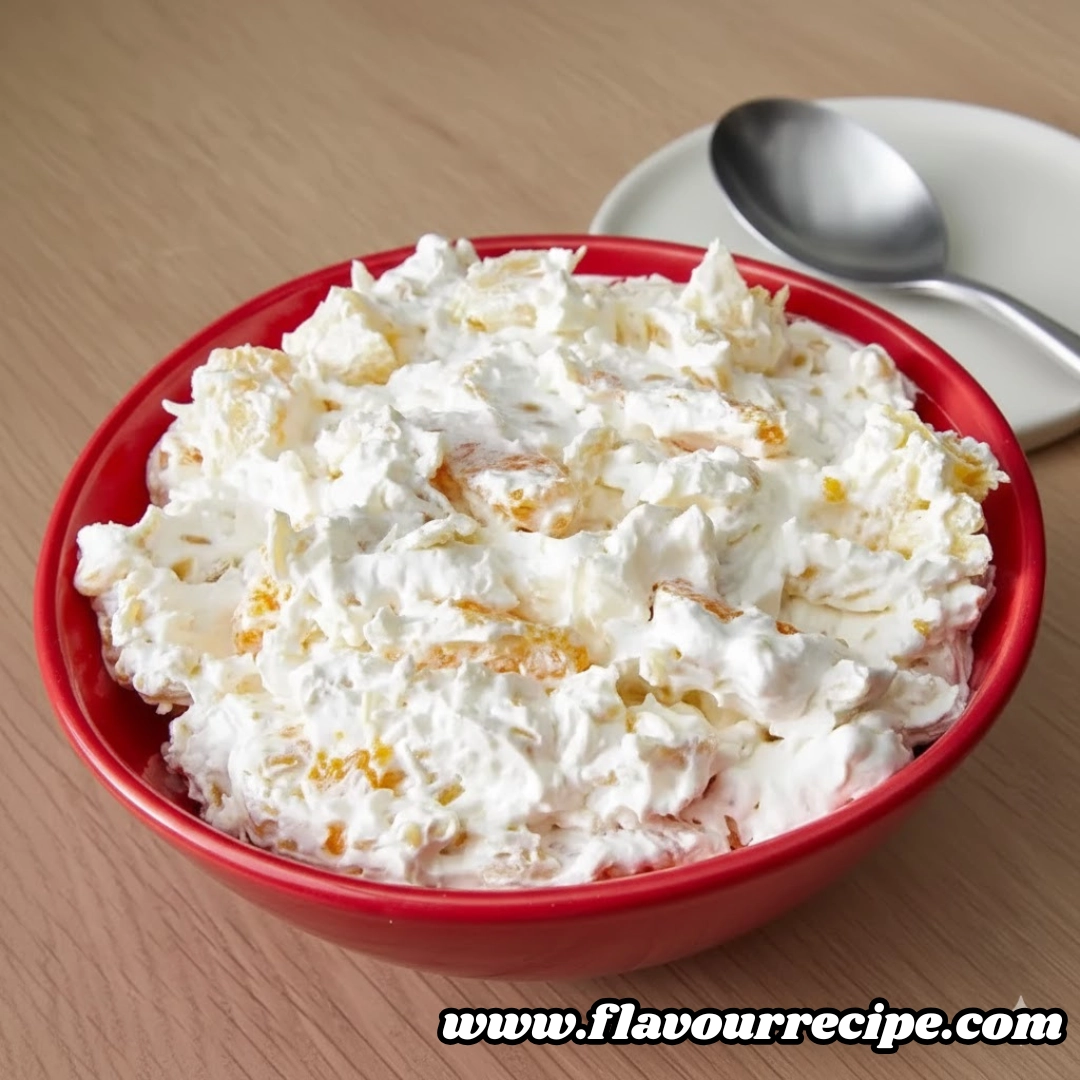
When the holiday season arrives, our kitchen transformations begin with scents of cinnamon and pine, but there is one specific aroma that truly signals the start of the celebrations: the sweet, tropical perfume of a freshly prepared Holiday Ambrosia Salad. This is not your standard fruit cup. This particular version, passed down through generations, utilizes a unique base of tender orzo pasta to create a texture that is both sophisticated and incredibly comforting. Whether it is gracing the table at Thanksgiving dinner or serving as a light, refreshing counterpoint to a heavy Christmas ham, this salad is a crowd-pleasing tradition. It manages to be decadent yet airy, combining the nostalgic flavors of mandarin oranges and pineapple with a silky, homemade custard dressing that sets it apart from any store-bought alternative.
Table of Contents
The Essential Components for Your Holiday Ambrosia Salad
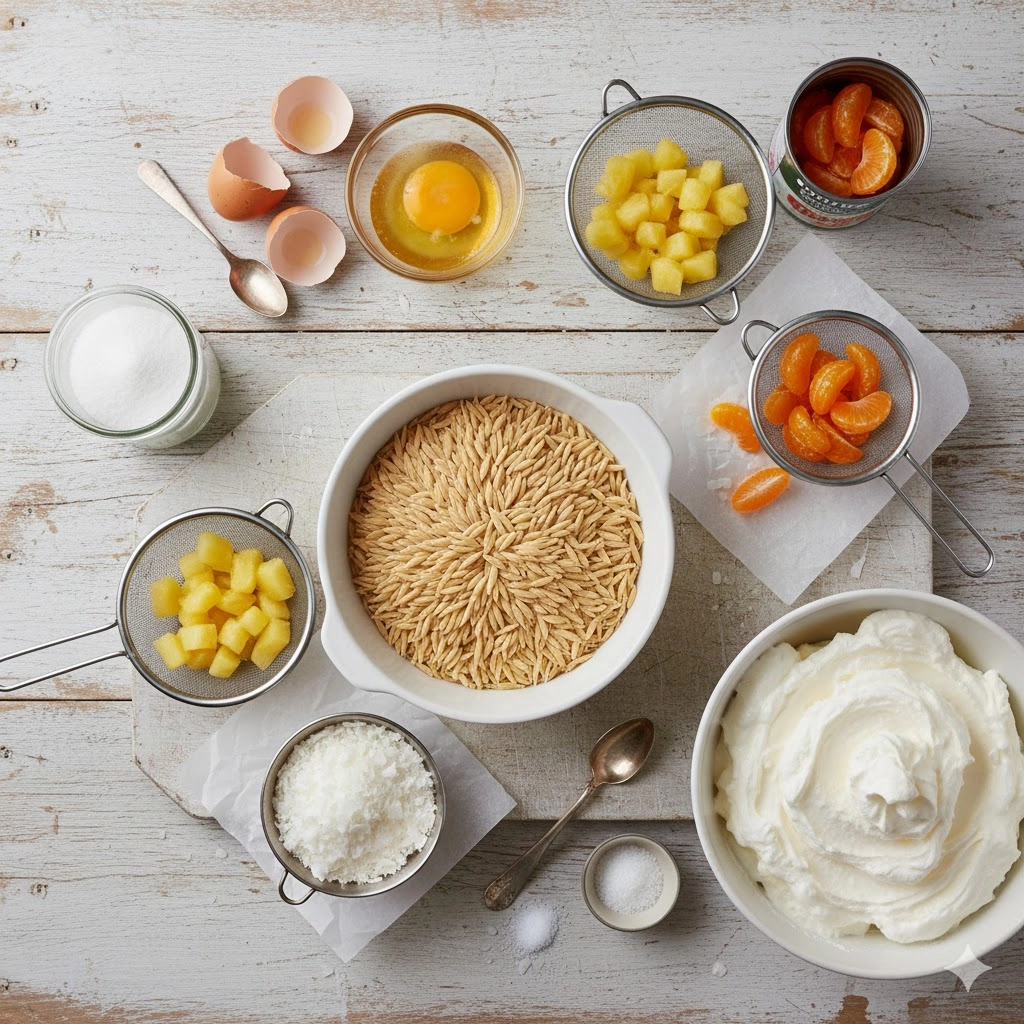
To recreate this timeless classic, you will need to gather a specific set of pantry staples and fresh canned fruits. The beauty of this recipe lies in its simplicity, yet every ingredient plays a vital role in achieving the perfect balance of sweetness and creaminess.
- 8 ounces uncooked orzo pasta
- three fourths cup white sugar
- 2 large eggs, thoroughly beaten
- 2 tablespoons all-purpose flour
- one half teaspoon salt
- 2 eight ounce cans pineapple chunks (ensure you drain these but reserve every drop of the juice)
- 1 eleven ounce can mandarin orange segments, carefully drained
- 1 cup shredded coconut
- 4 cups frozen whipped topping, fully thawed
Detailed Instructions for the Perfect Batch
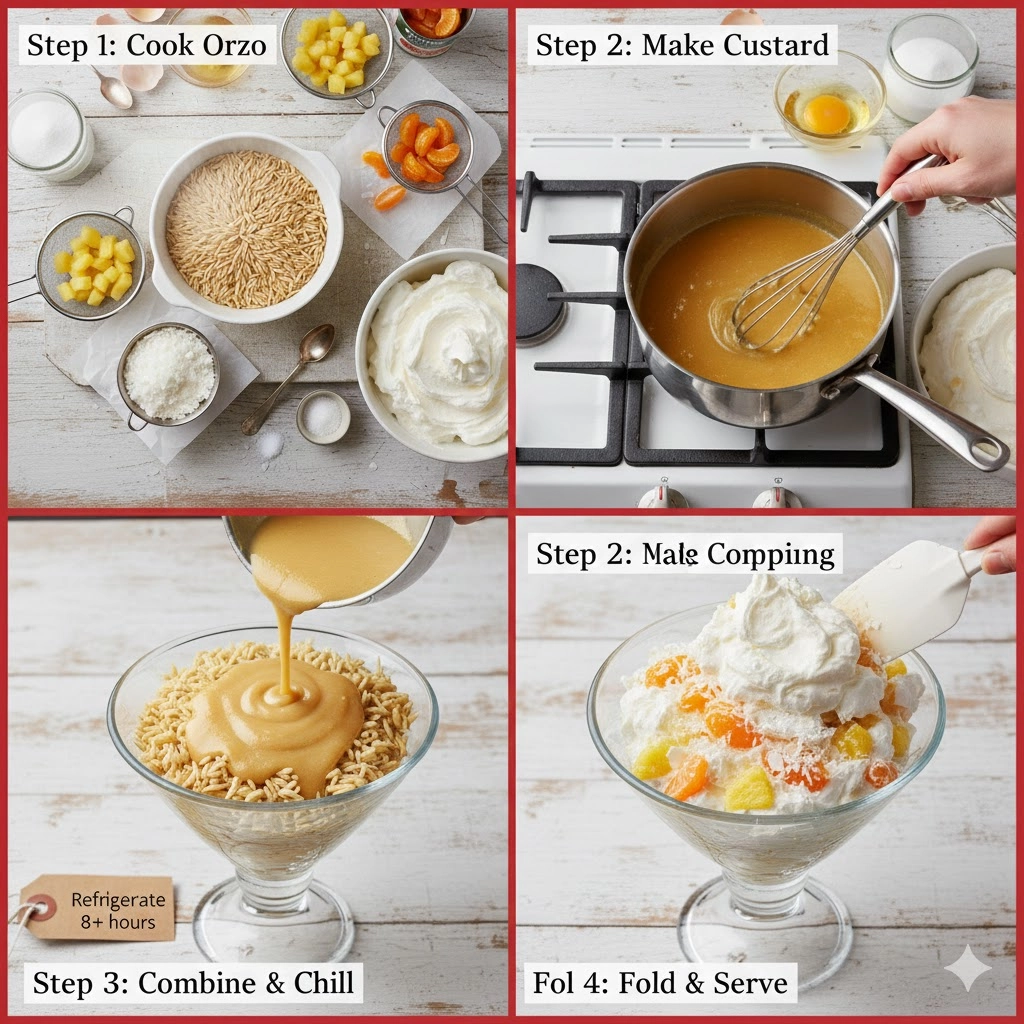
- Begin by bringing a large pot of water to a rolling boil. Add a pinch of salt to the water to season the pasta from the inside out. Introduce the orzo to the boiling water and cook until it reaches an al dente texture, which typically takes between 5 and 7 minutes. Once finished, drain the pasta thoroughly in a fine-mesh sieve. Transfer the cooked orzo to a large mixing bowl and allow it to cool completely to room temperature before proceeding.
- In a medium saucepan, combine the white sugar, beaten eggs, all-purpose flour, and salt. Pour in the reserved pineapple juice that you saved from the canned chunks. Whisk these ingredients together vigorously until the mixture is completely smooth and free of any flour lumps.
- Place the saucepan over medium heat. Continue to stir the mixture constantly as it heats. You will notice the liquid beginning to thicken into a velvety custard. Once it has reached a thick, spoon-coating consistency, remove it from the heat.
- Immediately pour the hot custard over the cooled orzo pasta. Toss the mixture gently to ensure every single grain of pasta is evenly coated in the sweet dressing. Cover the bowl tightly with plastic wrap and place it in the refrigerator. Let this base chill and marinate overnight, or for a minimum of 8 hours, to allow the flavors to fuse and the pasta to absorb the sweetness.
- After the chilling period, remove the bowl from the refrigerator. Fold in the drained pineapple chunks and the delicate mandarin orange segments. If you are a fan of tropical flair, mix in the shredded coconut at this stage.
- Finally, gently fold in the four cups of thawed whipped topping. Use a spatula to incorporate it until the salad is light, fluffy, and evenly blended. Keep the salad chilled in the refrigerator until the exact moment you are ready to serve it to your guests.
Mastering the Orzo and Custard Foundation
The secret to a truly spectacular Holiday Ambrosia Salad is the preparation of the orzo. While many people associate pasta exclusively with savory dishes, its role here is to provide a “bite” that mimics small pearls of tapioca. Cooking the orzo to al dente is critical; if it becomes too soft, it will lose its structural integrity once the heavy dressing and whipped topping are added. Once the pasta is drained, some home cooks prefer to give it a very light rinse with cold water to stop the cooking process and remove excess starch, though the original family method relies on a natural cooling period to keep the grains distinct.
The custard dressing is the soul of this dish. Unlike modern versions that might use instant pudding mix, this cooked dressing uses the acidity of the pineapple juice to temper the richness of the eggs. When you are whisking the sugar, eggs, and flour, do not rush the process. Applying steady, medium heat is the best way to prevent the eggs from scrambling. You are looking for a transformation where the translucent juice turns into an opaque, golden cream. This dressing acts as a preservative and a flavor enhancer, soaking into the orzo while it rests in the refrigerator overnight. That eight-hour resting period is not a suggestion; it is the time required for the starch in the pasta to bond with the sugar and citrus notes.
Exploring Creative Modifications and Ingredient Substitutions
While the traditional recipe is a masterpiece of balance, there are several ways you can tailor this dish to suit your family’s specific palate. If you find yourself in a region where orzo is difficult to source, many cooks have had success substituting acini di pepe pasta, which are tiny, bead-like pasta shapes that provide a similar mouthfeel. For those who want to lean into the vintage aesthetic, adding two cups of miniature marshmallows during the final folding step adds a soft, pillowy texture that children often find irresistible.
If you prefer a less tropical profile, you can swap the shredded coconut for chopped pecans or walnuts to add a much-needed crunch. For a slightly lighter version, some individuals choose to use a light whipped topping or even a stabilized homemade whipped cream, though the latter may not hold its volume as long as the frozen variety. For an extra burst of color, consider adding halved maraschino cherries or even some fresh pomegranate seeds just before serving, which adds a beautiful ruby-red glisten that perfectly matches the Christmas season.
Optimal Accompaniments and Elegant Serving Ideas
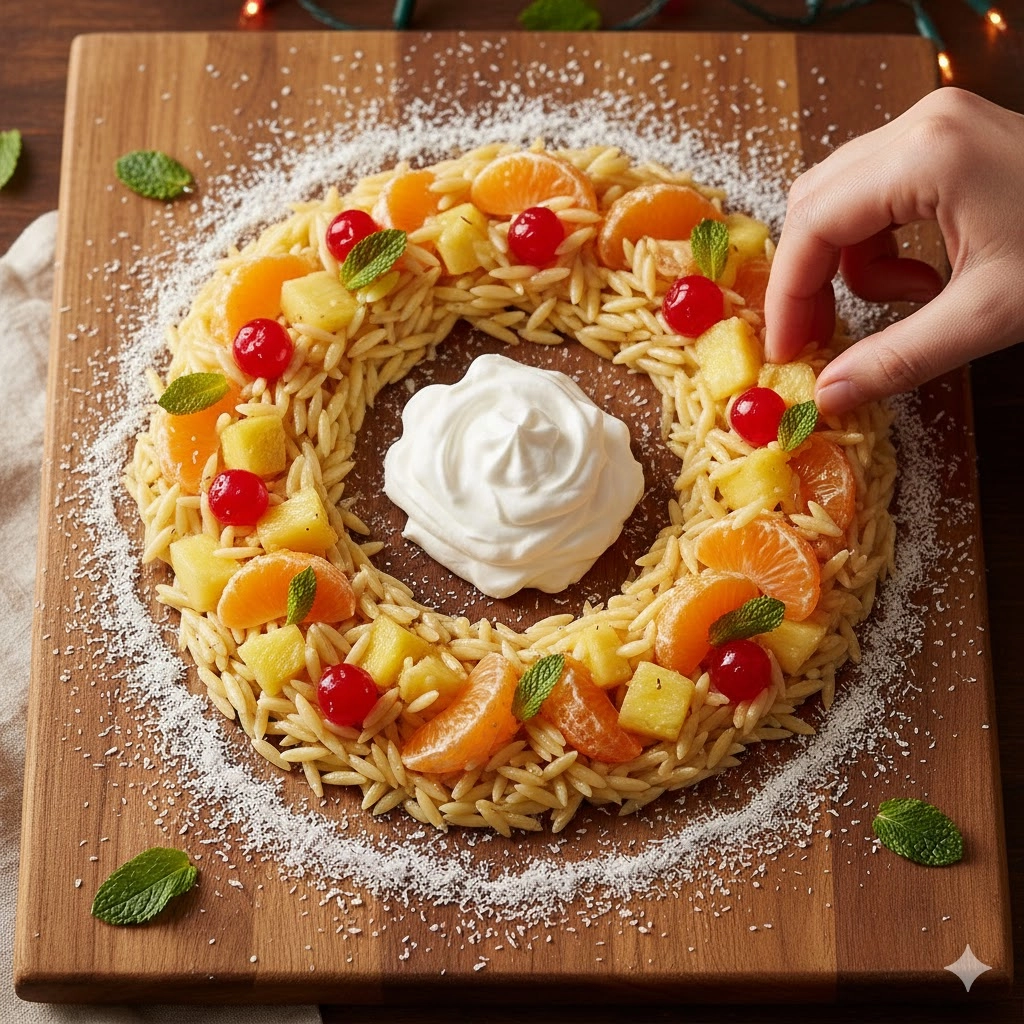
Presentation is everything when it comes to a dessert salad that often doubles as a side dish. To make this Holiday Ambrosia Salad stand out, consider serving it in a vintage glass trifle bowl. The layers of white cream and bright orange fruit segments look stunning through the glass. Because this dish is quite sweet and creamy, it pairs exceptionally well with salty or savory main courses. It is a classic companion to a honey-glazed ham or a slow-roasted turkey, providing a refreshing palate cleanser between bites of savory gravy and stuffing.
If you are hosting a buffet-style brunch, try portioning the ambrosia into individual martini glasses or small crystal coupes. Garnish each serving with a single sprig of fresh mint or a thin slice of fresh pineapple on the rim. This elevates the “salad” into a sophisticated dessert. It also serves as a wonderful topping for a simple pound cake or a scoop of vanilla bean ice cream if you want to lean into the decadence of the holiday.
Secrets to Achieving the Ultimate Creamy Consistency
Achieving the perfect texture in an ambrosia salad is a delicate dance between the liquid elements and the solids. If you find your salad is too runny, it usually means the fruit was not drained well enough. I recommend placing your mandarin oranges and pineapple in a colander for at least ten minutes prior to adding them to the pasta. You can even pat them dry with a clean paper towel to ensure no excess moisture thins out your whipped topping.
Another insight involves the temperature of the ingredients. Always ensure the orzo-custard mixture is cold before you attempt to fold in the whipped topping. If the pasta is even slightly warm, it will melt the air bubbles in the whipped topping, resulting in a flat, heavy salad rather than a light and airy one. When folding, use a large rubber spatula and a “cut and turn” motion—cutting through the center and turning the mixture over—rather than stirring vigorously. This preserves the volume of the cream and the delicate shape of the mandarin segments.
Exploring the History of the Ambrosia Tradition
Ambrosia has deep roots in American culinary history, particularly in the South, where it emerged in the late nineteenth century as a luxury dish. The name itself refers to the “food of the gods” in Greek mythology, a fitting title for a dish that featured then-exotic ingredients like oranges and coconut. Originally, it was a simple construction of sliced citrus and sugar, but as refrigeration and processed foods became more accessible, the recipe evolved to include whipped cream, marshmallows, and eventually, unique additions like orzo pasta.
The inclusion of pasta in a dessert salad might seem unusual to those outside of certain regional traditions, but it serves a brilliant functional purpose. It provides bulk and a satisfying chew that makes the dish feel more substantial than a simple fruit salad. In many Midwestern and Southern households, this recipe represents the ultimate “potluck” food—it is easy to transport, stays cold for a long time, and provides a sweet relief from the more savory elements of a holiday spread.
Frequently Asked Questions About This Recipe
Can I make this salad a few days in advance?
While the base of the salad—the orzo and the cooked custard dressing—actually benefits from being made a day or two in advance, it is best to wait until the day of your event to add the fruit and the whipped topping. The fruit can release juices over time which may make the salad watery, and the whipped topping is most stable within the first twenty-four hours of being mixed.
Why is my custard dressing not thickening on the stove?
The thickening of the dressing relies on the proteins in the eggs and the starch in the flour. If it isn’t thickening, you likely need to slightly increase your heat or continue stirring for a few more minutes. Ensure the mixture reaches a gentle simmer, as the flour requires heat to reach its full thickening potential. Just be careful not to boil it vigorously, or you may risk curdling the eggs.
Is it possible to use fresh fruit instead of canned fruit?
You can certainly use fresh pineapple and fresh oranges, but there is a caveat. Fresh pineapple contains an enzyme called bromelain which can break down the proteins in the eggs and the structure of the whipped topping, potentially making the salad runny. If you use fresh pineapple, it is often recommended to quickly blanch it or use it very sparingly. Canned fruit is the traditional choice because the heat-treating process deactivates those enzymes.
How should I store leftover ambrosia salad?
Leftovers should be kept in an airtight container in the refrigerator. The salad will remain delicious for about two to three days. You may notice a little bit of liquid pooling at the bottom after the first day; simply give the salad a very gentle fold before serving again to re-incorporate the moisture. Freezing is not recommended, as the texture of the oranges and the whipped topping will change significantly upon thawing.
Essential Nutritional Information
Providing a clear picture of the nutritional profile helps guests with specific dietary needs enjoy the meal with confidence.
| Nutrient | Amount Per Serving |
| Calories | 205 |
| Total Fat | 7 grams |
| Cholesterol | 23 milligrams |
| Sodium | 115 milligrams |
| Total Carbohydrates | 34 grams |
| Dietary Fiber | 1 gram |
| Sugars | 22 grams |
| Protein | 3 grams |
A Note on Dietary Awareness
Please be aware that nutritional values are estimates based on standard ingredient measurements. Actual values may vary depending on the specific brands of whipped topping or canned fruits used. This dish contains eggs, wheat, and dairy-related products, so please check with your guests regarding any food allergies prior to serving.
Wrapping Up Your Holiday Menu Planning
There is a reason why certain recipes stand the test of time and survive through three generations of family gatherings. This Holiday Ambrosia Salad is more than just a combination of pasta and fruit; it is a vessel for memories. Its unique use of orzo creates a conversation piece at the table, while the classic flavors ensure that even the most traditional eaters find something to love. As you prepare this for your next Thanksgiving or Christmas, remember that the secret ingredient is patience—giving the custard and pasta that full night to rest makes all the difference. We hope this creamy, tropical delight becomes as much of a staple in your home as it has been in ours for decades.
PrintFestive Holiday Ambrosia Salad with Orzo and Coconut
A nostalgic, three-generation family favorite. This Holiday Ambrosia Salad features a unique orzo pasta base coated in a homemade pineapple custard, folded with mandarin oranges and coconut.
- Prep Time: 15 mins
- Cook Time: 15 mins
- Total Time: 8 hrs 30 mins
- Yield: 16 servings 1x
- Category: Dessert
- Method: Stovetop
- Cuisine: American
- Diet: Vegetarian
Ingredients
8 ounces uncooked orzo pasta
3/4 cup white sugar
2 large eggs, beaten
2 tablespoons all-purpose flour
1/2 teaspoon salt
2 (8 ounce) cans pineapple chunks, drained (juice reserved)
1 (11 ounce) can mandarin orange segments, drained
1 cup shredded coconut
4 cups frozen whipped topping, thawed
Instructions
1. Bring a large pot of lightly salted water to a boil. Add orzo and cook until al dente, 5 to 7 minutes. Drain, transfer to a large bowl, and cool completely.
2. Whisk sugar, eggs, flour, salt, and reserved pineapple juice in a saucepan until smooth.
3. Cook and stir over medium heat until the mixture thickens into a custard. Pour over the cooled pasta and toss to coat evenly.
4. Cover and refrigerate for at least 8 hours or overnight.
5. Stir the drained pineapple chunks, mandarin oranges, and shredded coconut into the chilled orzo mixture.
6. Gently fold in the thawed whipped topping until evenly blended.
7. Keep chilled until ready to serve.
Notes
Make sure the orzo is completely cool before adding the custard.
Always drain the fruit thoroughly to prevent the salad from becoming watery.
Store in an airtight container for up to 3 days.
Nutrition
- Serving Size: 1 cup
- Calories: 205
- Sugar: 22g
- Sodium: 115mg
- Fat: 7g
- Saturated Fat: 4g
- Unsaturated Fat: 2g
- Trans Fat: 0g
- Carbohydrates: 34g
- Fiber: 1g
- Protein: 3g
- Cholesterol: 23mg