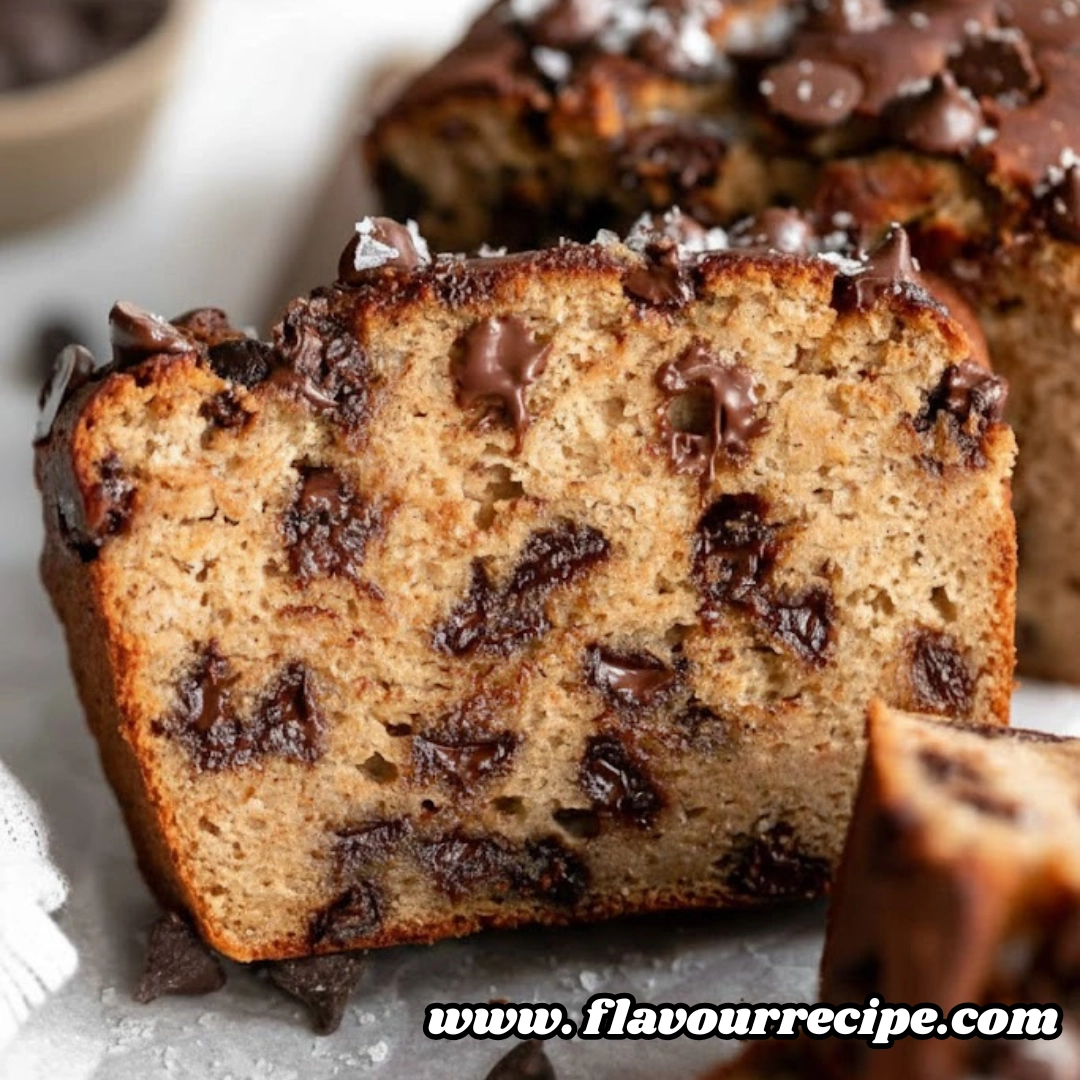
Finding a balance between a nutrient-dense breakfast and something that actually satisfies a sweet tooth can feel like a chore. Most traditional baked goods are heavy on refined sugars and low on the staying power needed to get through a busy morning. This High-Protein Banana Bread changes that narrative by incorporating moisture-rich Greek yogurt and quality protein sources directly into the batter. The result is a dense, cake-like loaf that feels indulgent but provides a much more stable energy curve than your average bakery muffin. Whether you are looking for a post-gym snack or a quick grab-and-go meal, this recipe offers a refined take on a classic.
The beauty of this particular loaf lies in its texture. By using a blend of almond flour and gluten-free flour, we achieve a crumb that is remarkably tender without being crumbly. It is the kind of bread that holds up well to a thick swipe of almond butter or a quick toast in the pan. Because it relies on the natural sweetness of overripe bananas, you get that deep, caramelized fruit flavor in every bite. This High-Protein Banana Bread is designed to be a reliable staple in any kitchen, proving that functional food can be genuinely delicious.
Table of Contents
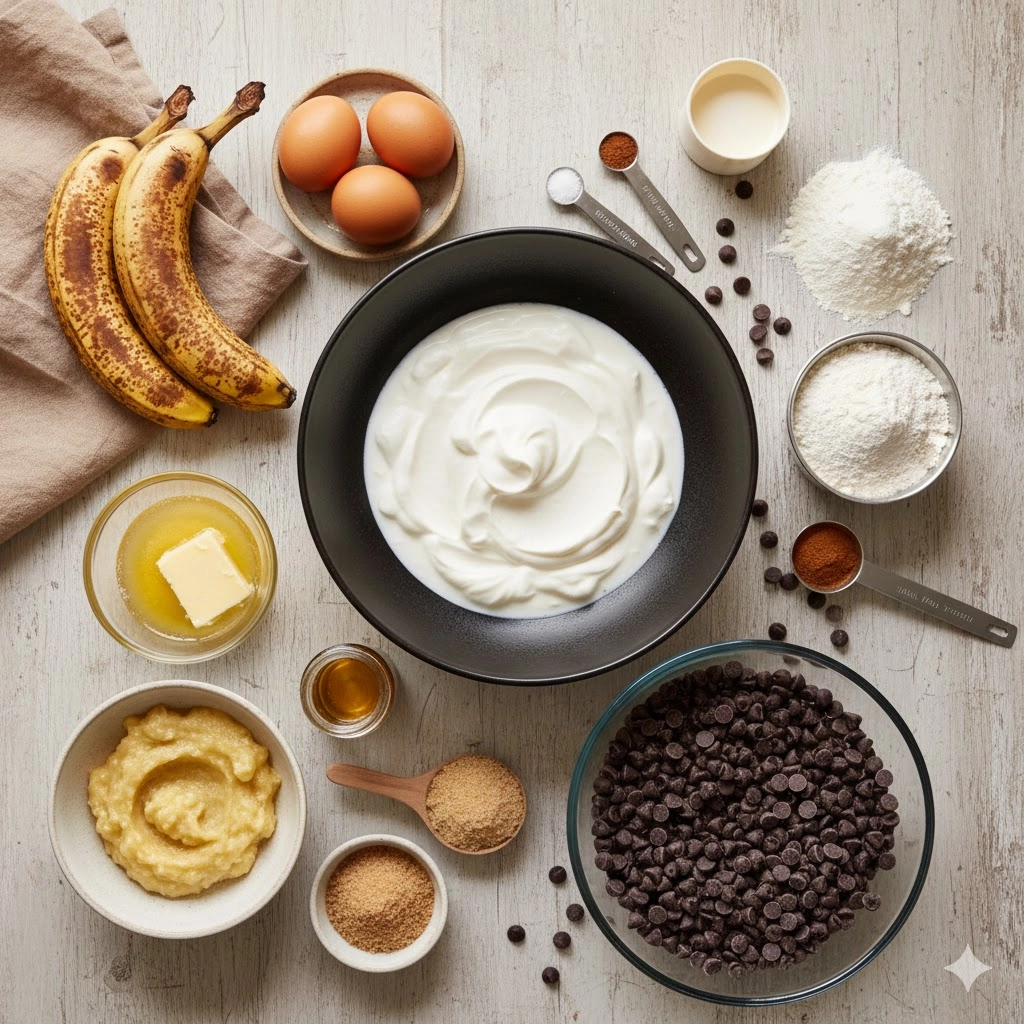
Ingredients
Wet Components
- One and one half cups mashed overripe bananas (roughly three large bananas)
- One third cup melted coconut oil or unsalted butter
- One half cup light brown sugar or coconut sugar
- Three large room-temperature eggs
- One half cup plain Greek yogurt (full fat or two percent preferred)
- One teaspoon pure vanilla extract
Dry Components
- One cup gluten-free all-purpose flour blend
- One cup blanched superfine almond flour
- One half cup vanilla-flavored protein powder (whey or plant-based)
- Three teaspoons baking powder
- One teaspoon ground cinnamon
- One quarter teaspoon fine sea salt
- Three quarters cup dark chocolate chips or chopped walnuts (optional)
Instructions
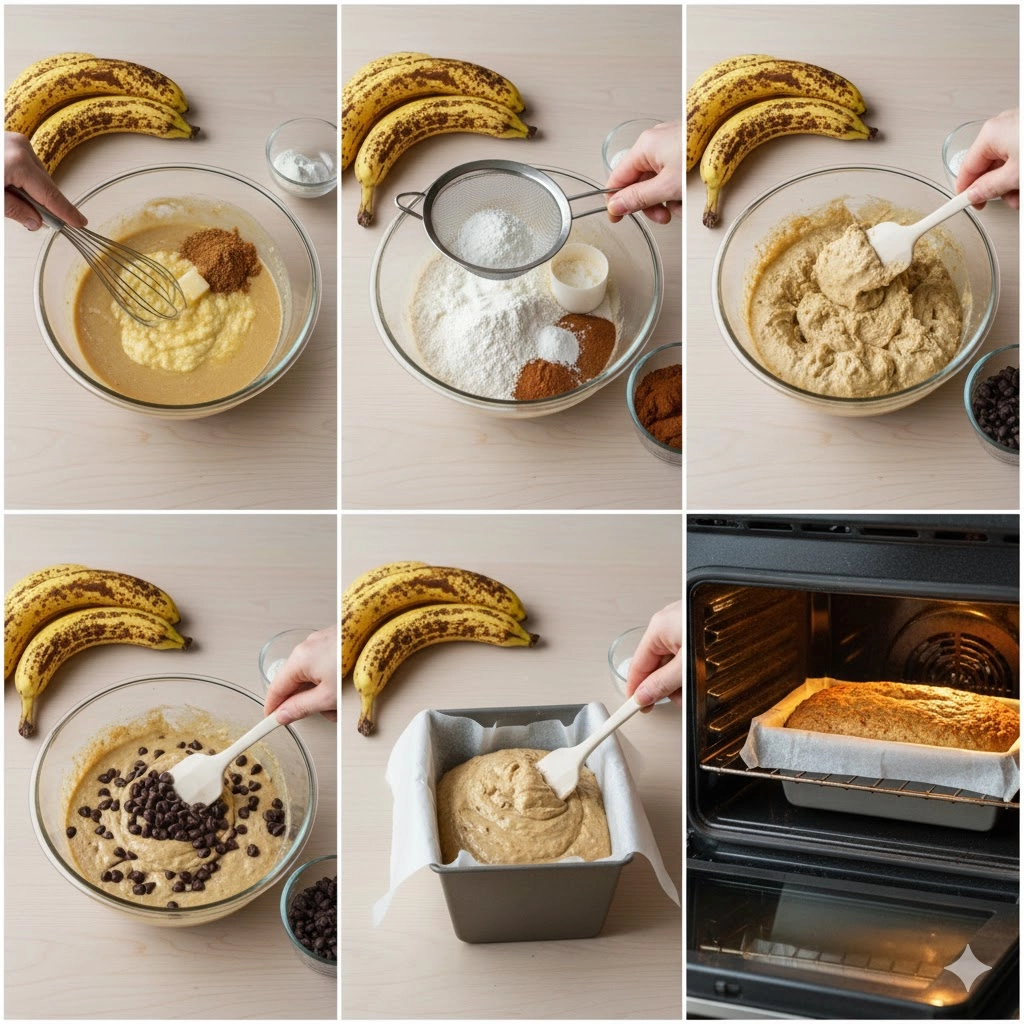
- Heat your oven to three hundred fifty Fahrenheit and prepare a standard nine-by-five-inch loaf pan with parchment paper.
- In a large mixing bowl, combine the mashed bananas, melted fat, sugar, eggs, Greek yogurt, and vanilla, whisking until the mixture is completely homogenous.
- Sift the gluten-free flour, almond flour, protein powder, baking powder, cinnamon, and salt directly into the wet ingredients.
- Gently fold the dry ingredients into the wet using a spatula until no streaks of flour remain.
- If using, stir in the chocolate chips or nuts until evenly distributed.
- Pour the batter into the prepared pan and smooth the top with your spatula.
- Bake for fifty-five to sixty-five minutes, or until the loaf is golden brown and a tester comes out clean.
- Cool in the pan for ten minutes before transferring to a wire rack to cool for at least one hour before slicing.
Critical Details for Success
To achieve the best results with this High-Protein Banana Bread, pay close attention to the state of your bananas. You want them to be beyond the stage of just having a few spots; they should be soft and heavily browned. This provides the moisture and natural sugars necessary to offset the drying nature of protein powder. When mashing, aim for a relatively smooth consistency to ensure the moisture is evenly distributed throughout the crumb.
The mixing process is equally vital. Unlike traditional wheat-based breads, you don’t have to worry about gluten development, but you do want to avoid over-aerating the eggs. Whisk the wet ingredients until just combined. When you add the dry ingredients, switch to a spatula. The protein powder can behave differently depending on the brand; some absorb moisture rapidly, making the batter thick. If your batter looks more like a dough, don’t panic—the steam from the bananas and yogurt will help it rise and soften in the heat of the oven.
Monitoring the oven is the final hurdle. Since almond flour and protein powder can brown faster than standard wheat flour, check the loaf at the forty-five-minute mark. If the top looks dark but the center still jiggles, loosely drape a piece of aluminum foil over the top. This “tenting” allows the interior to finish cooking without burning the crust. The loaf is done when it feels firm to a light touch in the center and a wooden skewer comes out with just a few moist crumbs.
Professional Tips for the Perfect Loaf
- Temperature Matters: Ensure your eggs and Greek yogurt are at room temperature before mixing. Cold ingredients can cause melted coconut oil or butter to seize, resulting in a lumpy batter and an uneven bake.
- Spoon and Level: When measuring your flours, never scoop the measuring cup directly into the bag. This packs the flour down and leads to using too much, which results in a dry, dense bread. Instead, spoon the flour into the cup and level it off with a knife.
- The Sifting Secret: Protein powder often has small clumps that don’t break down easily with a whisk. Sifting your dry ingredients together ensures a perfectly smooth texture in the finished product.
- Parchment “Sling”: Leave an inch of parchment paper hanging over the long sides of your loaf pan. This creates a handle that allows you to lift the bread out cleanly without risking it breaking.
- Wait to Slice: It is tempting to cut into a warm loaf, but the structure of gluten-free and protein-rich breads sets as they cool. Slicing too early can lead to a gummy texture and a collapsing loaf.
Variations and Substitutions
Nut-Free Option: If you cannot use almond flour, sunflower seed flour is an excellent one-to-one substitute that maintains the healthy fat content. Alternatively, oat flour can be used, though the bread may be slightly more absorbent and less “buttery” in feel.
Protein Choices: While vanilla protein powder adds a nice base flavor, you can use unflavored protein powder if you prefer a less sweet bread. If using unflavored powder, consider adding an extra half-teaspoon of vanilla extract and a pinch more cinnamon to maintain the aromatic profile.
The Fat Source: For a dairy-free version, refined coconut oil is the best choice as it provides a neutral flavor. If you enjoy the taste of olive oil, a mild extra-virgin olive oil adds a sophisticated, fruity undertone that pairs beautifully with banana.
Add-ins: Beyond chocolate chips, try adding half a cup of fresh blueberries or dried cranberries for a tart contrast. A tablespoon of chia seeds or hemp hearts can also be folded in for extra texture and a boost of omega-three fatty acids.
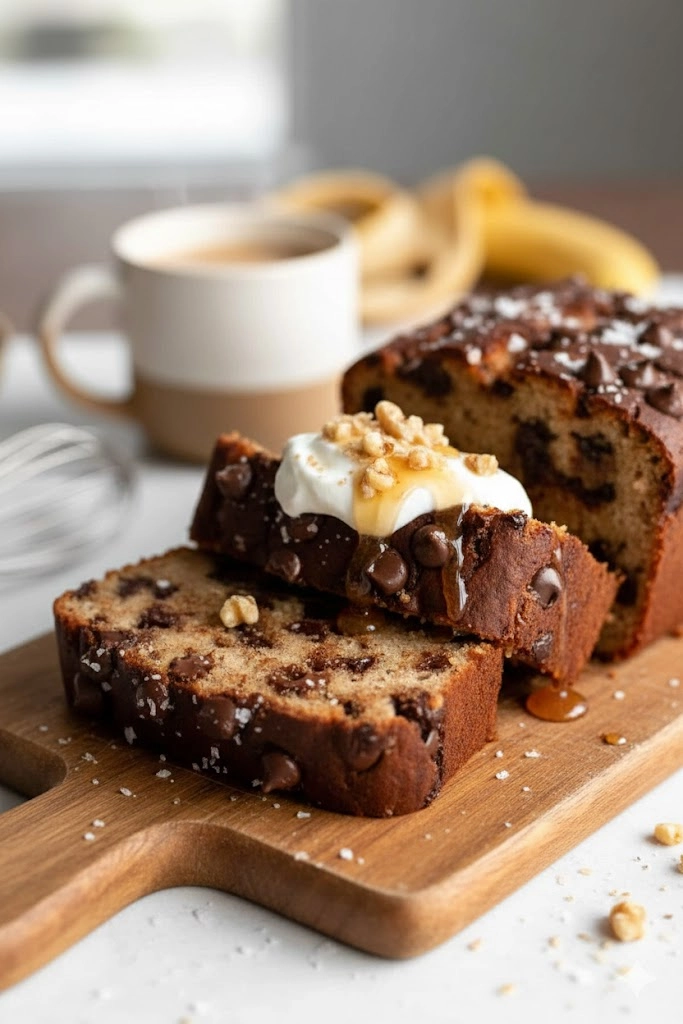
Serving Suggestions
For a classic breakfast, serve a thick slice slightly warmed with a dollop of Greek yogurt and a drizzle of honey. The coolness of the yogurt complements the spiced banana flavor perfectly. If you are eating this as a pre-workout snack, a thin layer of peanut or almond butter provides additional healthy fats to keep you satiated.
If you have leftovers that are a few days old, this bread makes incredible French toast. Because it is sturdier than white bread, it holds up well to being dipped in an egg wash and seared in a pan. Top it with sliced bananas and a sprinkle of cinnamon for a high-protein weekend brunch that feels like a treat.
Frequently Asked Questions
Can I use whey or plant-based protein?
Both work well in this recipe, though they behave differently. Whey tends to result in a slightly more “bread-like” rise, while plant-based proteins (like pea or brown rice) can make the loaf denser and more moist. If using a very absorbent plant-based powder, you may need to add one extra tablespoon of Greek yogurt.
How do I store this bread to keep it fresh?
Due to the high moisture content from the bananas and yogurt, this bread is best stored in the refrigerator in an airtight container for up to five days. You can also freeze individual slices wrapped in parchment paper and foil for up to three months; simply toast them directly from the freezer.
Why did my banana bread sink in the middle?
This usually happens if the bread is underbaked or if there was too much moisture (too much banana puree). Ensure you measure the mashed banana exactly and use a toothpick to check for total doneness in the very center of the loaf before removing it from the oven.
Can I substitute the sugar for a liquid sweetener?
I do not recommend replacing the granulated sugar with maple syrup or honey in this specific recipe. Liquid sweeteners change the hydration levels of the batter significantly, which can lead to a gummy center that never quite sets properly during the baking process.
Nutrition Information
| Nutrient | Amount per Serving |
| Calories | 288 kcal |
| Protein | 12 g |
| Carbs | 33 g |
| Fat | 13 g |
| Fiber | 4 g |
| Sugar | 21 g |
| Sodium | 185 mg |
Disclaimer
Nutrition information is an estimate and may vary based on preparation and ingredients used.
PrintElevating Your Morning Routine with This High-Protein Banana Bread

This High-Protein Banana Bread is a moist and tender gluten-free loaf enriched with Greek yogurt and vanilla protein powder for a balanced, energy-boosting snack.
- Prep Time: 15 mins
- Cook Time: 1 hour
- Total Time: 1 hour 15 mins
- Yield: 10 servings 1x
- Category: Breakfast
- Method: Baking
- Cuisine: American
Ingredients
1 ½ cups mashed overripe bananas
1/3 cup melted coconut oil or butter
1/2 cup light brown sugar
3 large eggs
1/2 cup Greek yogurt
1 teaspoon vanilla extract
1 cup gluten-free all-purpose flour
1 cup blanched almond flour
1/2 cup vanilla protein powder
3 teaspoons baking powder
1 teaspoon ground cinnamon
1/4 teaspoon fine sea salt
3/4 cup dark chocolate chips
Instructions
1. Preheat oven to 350 Fahrenheit and line a 9×5 loaf pan with parchment.
2. Whisk together mashed banana, melted oil, sugar, eggs, yogurt, and vanilla.
3. Sift in gluten-free flour, almond flour, protein powder, baking powder, cinnamon, and salt.
4. Fold dry ingredients into wet until just combined.
5. Stir in chocolate chips or walnuts if using.
6. Pour batter into pan and smooth the top.
7. Bake for 55 to 65 minutes until a tester comes out clean.
8. Cool in pan for 10 minutes then move to a wire rack for 1 hour.
Notes
Use very spotty, brown bananas for the best sweetness and moisture.
If the top browns too quickly, tent loosely with foil at the 45-minute mark.
Store in the refrigerator for up to 5 days to maintain freshness.
Nutrition
- Serving Size: 1 slice
- Calories: 288
- Sugar: 21g
- Sodium: 185mg
- Fat: 13g
- Saturated Fat: 7g
- Unsaturated Fat: 6g
- Trans Fat: 0g
- Carbohydrates: 33g
- Fiber: 4g
- Protein: 12g
- Cholesterol: 65mg