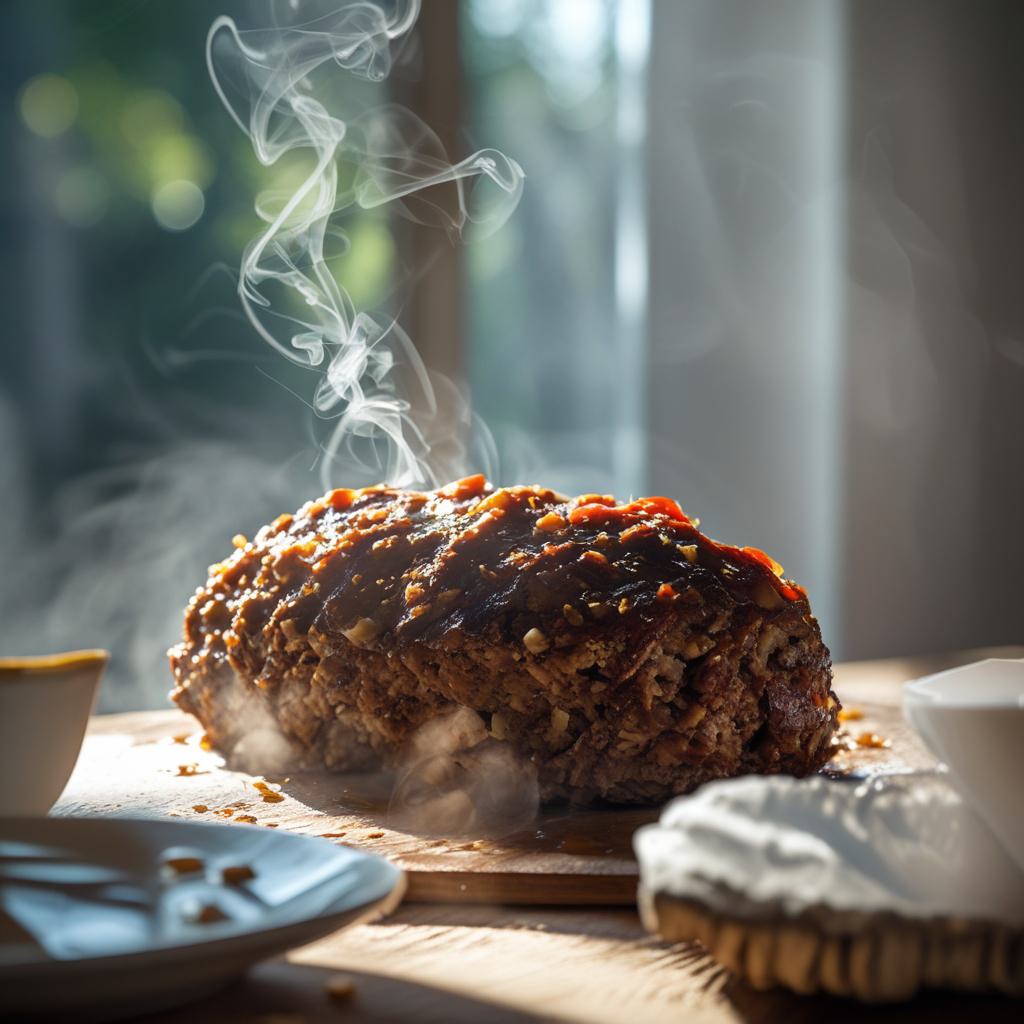
Imagine walking into a kitchen where time itself seems to bend around the haunting aroma of caramelized onions, sweet paprika, and thyme – a fragrant promise suspended in steam rising from a slow cooker’s ceramic vessel. This is no ordinary meatloaf, but a masterclass in patient cooking where lean proteins and clever vegetable integrations transform humble ingredients into velvet-textured luxury. As the thermostat ticks through its sixth hour, enzymes work miracles: tough collagen surrenders into gelatin, garlic mellows into sweet nuttiness, and tomato paste deepens into something resembling aged balsamic. The beauty of slow cooker meatloaf lies in its gentle evolution – edges never scorch, fats redistribute with precision, and moisture becomes locked in a self-basting chamber. What emerges isn’t just dinner, but edible alchemy that cuts like pâté yet satisfies with the visceral pleasure of childhood comfort food reinvented through modern nutritional wisdom.
Table of Contents
Ingredient Deep Dive
| Ingredient | Quantity | Purpose |
|---|---|---|
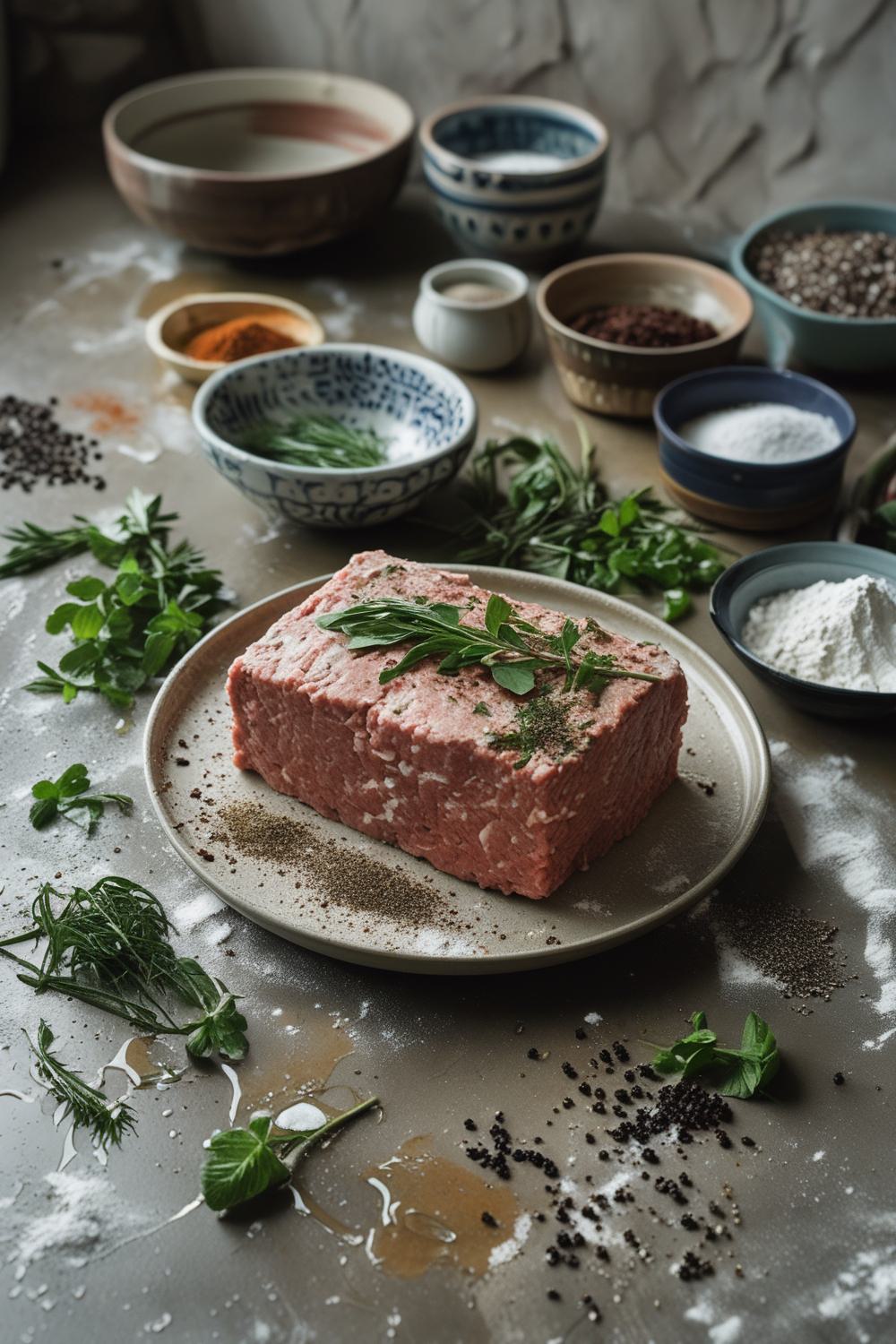
| 90% lean ground beef | 1.5 lbs | Protein base with ideal fat ratio for moisture without grease |
| Rolled oats | ¾ cup | Gluten-free binder that absorbs juices better than breadcrumbs |
| Grated yellow onion | 1 cup | Natural tenderizer via proteolytic enzymes |
| Whole milk | ½ cup | Emulsifies fats and hydrates oats |
| Worcestershire sauce | 2 tbsp | Umami accelerator with fermented depth |
| Smoked paprika | 1.5 tsp | Adds smoky complexity without artificial liquid smoke |
| Grated Parmesan | ¼ cup | Natural glutamate boost for savory perception |
| Egg | 1 large | Protein matrix binder |
The protein selection is critical – 90% lean beef provides enough myoglobin for rich flavor while avoiding the rubbery texture of ultra-lean cuts. Oats undergo starch gelatinization at 154°F, forming a moisture-trapping network that prevents the dense texture common in healthy meatloaves. Parmesan’s glutamates work synergistically with Worcestershire’s inosinates, creating an umami amplification effect scientifically proven to increase perceived savoriness by up to eightfold.
Onion isn’t merely aromatic – its alliinase enzymes convert sulfur compounds into thiopropanal S-oxide during grating, which later breaks down into sweet, meat-enhancing compounds during slow cooking. The milk’s casein proteins coat fat molecules, preventing them from rendering out while the calcium aids in protein coagulation. This careful balance creates a sublime mouthfeel – neither mushy nor crumbly – that defies expectations of “healthy” meatloaf.
Substitutions & Swaps
For vegan adaptations, replace beef with a 1:1 mix of cooked lentils and minced mushrooms, using flax eggs (1 tbsp ground flax + 2.5 tbsp water) as binder. Nutritional yeast can stand in for Parmesan’s umami. Gluten-sensitive diners should ensure oats are certified gluten-free. Breadcrumb users may substitute panko, adjusting milk to 1/4 cup since crumbs absorb less liquid. Turkey or bison work beautifully, though add 1 tbsp olive oil to compensate for lower fat content.
Pantry swaps include dehydrated onions (2 tbsp rehydrated in milk), tomato paste instead of ketchup glaze, or dried thyme (1 tsp) for fresh. No Worcestershire? Combine 1 tsp soy sauce, 1 tsp apple cider vinegar, and 1/2 tsp molasses. The recipe’s flexibility extends to dairy alternatives – unsweetened almond milk performs admirably, while vegetarian Parmesan maintains flavor integrity.
Equipment Guide
A 6-quart oval slow cooker is ideal, allowing proper air circulation around the meatloaf’s shape. Use slow cooker liners for effortless cleanup without flavor sacrifice. For pre-browning aromatics, a well-seasoned cast iron skillet develops superior fond versus non-stick alternatives. An instant-read thermometer is non-negotiable – digital probes ensure precise 160°F internal temperature without overooking. Create a foil sling by folding two 24-inch foil strips into 3-inch wide bands, crossing them beneath the meatloaf to allow lift-out without breakage. A box grater’s large holes produce the ideal onion pulp texture for even distribution.
Step-by-Step Walkthrough
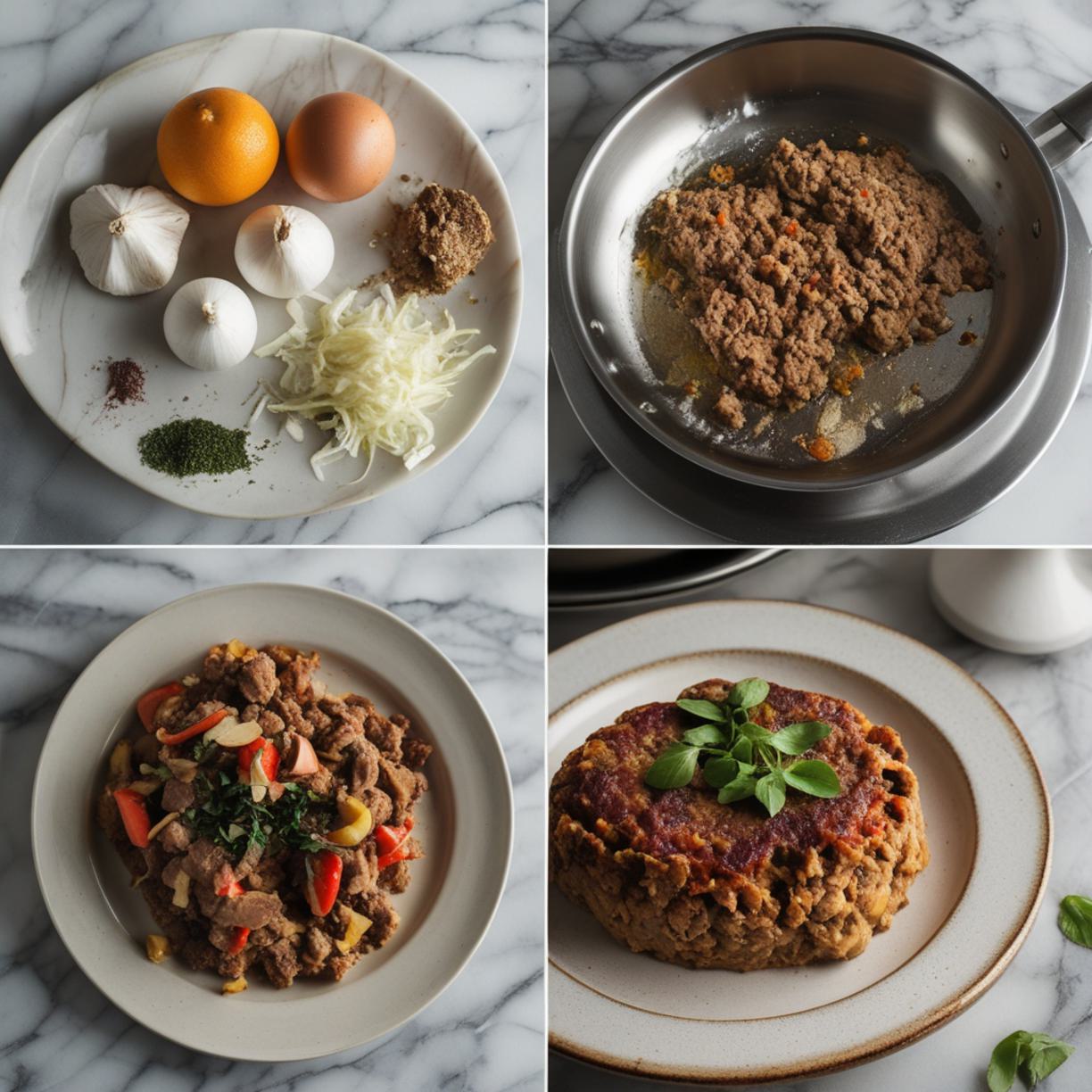
- Line slow cooker with parchment sling, letting excess hang over edges
- Combine milk and oats in large bowl, resting 10 minutes
- Sauté grated onion in 1 tsp olive oil until translucent (4 minutes)
- Mix soaked oats, cooled onions, egg, Worcestershire, and spices
- Gently fold in beef using fork method – no overmixing
- Form into oval loaf directly in slow cooker insert
- Spread glaze (3 tbsp ketchup + 1 tsp balsamic) over top
- Cook on LOW 6-7 hours until 160°F internal temp
- Rest 20 minutes before lifting with parchment sling
The mixing technique makes or breaks texture – use a fork or hands with light folding motions. Overworking activates myosin proteins excessively, creating a dense, sausage-like consistency. After forming the loaf, chill the shaped meat for 30 minutes if time allows; this helps proteins set for cleaner slicing.
Glazing strategy matters: apply initial layer before cooking for caramelization, then brush with extra sauce before resting. The slow cooker’s moist environment prevents crust formation, so for texture contrast, broil the rested loaf 3 minutes if desired.
Expert Tips & Troubleshooting
Pro secret: Wrap carrots and potatoes in foil and place atop meatloaf during last hour – they steam gently while catching flavorful drips. For gravy perfection, deglaze the cooker with 1 cup broth after removing meatloaf, thicken with 2 tsp cornstarch slurry, and finish with 1 tsp butter.
If loaf sticks despite parchment, run a thin silicone spatula along edges before lifting. Crumbly texture? Next time increase egg to 2 or add 1 tbsp tomato paste for extra binder. Dry results often stem from overcooking – remember carryover heat raises temperature 5°F during resting. For enhanced texture, incorporate ¼ cup finely chopped sautéed mushrooms into the mix; their fibrous structure mimics fat’s mouthfeel.
Avoid peeking – lifting the lid adds 20 minutes to cooking time. Should the top look pale, blot excess moisture with paper towels before glazing. For even cooking, rotate insert 180°F halfway through if your cooker has hot spots. Always slice against the grain for tender cuts, identifying the meat’s fiber direction before portioning.
Flavor Variations
Mediterranean Twist: Add ¼ cup chopped oil-packed sun-dried tomatoes, 2 tsp oregano, and swap Parmesan for feta. Top with tzatziki after cooking. Tex-Mex Version: Mix in 2 tsp chipotle powder, replace oats with crushed tortilla chips, and use pepper jack cheese. Top with avocado crema. Kid-Friendly: Incorporate ½ cup finely grated carrots and zucchini, use honey-ketchup glaze, and shape into mini loaves in muffin tins over slow cooker trivet (cooks in 4 hours).
Storage & Reheating
Cool completely before refrigerating in airtight container (up to 4 days) or freezing in slices with parchment dividers (3 months). Reheat refrigerated portions in covered skillet with 1 tbsp broth at medium-low until 165°F – microwaving destroys texture. Frozen slices go directly into 350°F oven for 20 minutes covered with foil. Add fresh glaze after reheating to revive flavors.
FAQ Section
Q: Can I cook this on HIGH to save time?
A: Not recommended – collagen breakdown requires low, slow heat. High heat creates tough, grainy texture.
Q: Why no ketchup in the main mix?
A: Sugar in ketchup caramelizes excessively over long cooking. We add glaze at the end for balanced sweetness.
Q: Can I use quick oats?
A> Yes, but reduce milk to 1/3 cup since they absorb less liquid. Avoid steel-cut oats.
Q: Is freezing cooked meatloaf safe?
A> Absolutely. Portion before freezing. Thaw overnight in fridge before reheating.
The Recipe Card
Serves 6 | Active: 20 min | Total: 7 hrs
A moist, flavorful meatloaf reinvented for health-conscious gourmands. Lean beef enhanced with umami-rich ingredients slow-cooked to tender perfection. Gluten-free, easily adaptable, with restaurant-quality depth from patient low-heat cooking. Serve with roasted root vegetables or garlicky greens.
Nutrition Information
| Nutrient | Per Serving |
|---|---|
| Calories | 287 |
| Protein | 24g |
| Carbs | 14g |
| Fiber | 2g |
| Sugar | 3g |
| Fat | 14g |
| Sodium | 487mg |
*Percent Daily Values based on 2000 calories
Disclaimer: Nutritional estimates utilize USDA database and standardized portions. Actual values may vary based on ingredient brands and specific substitutions used.