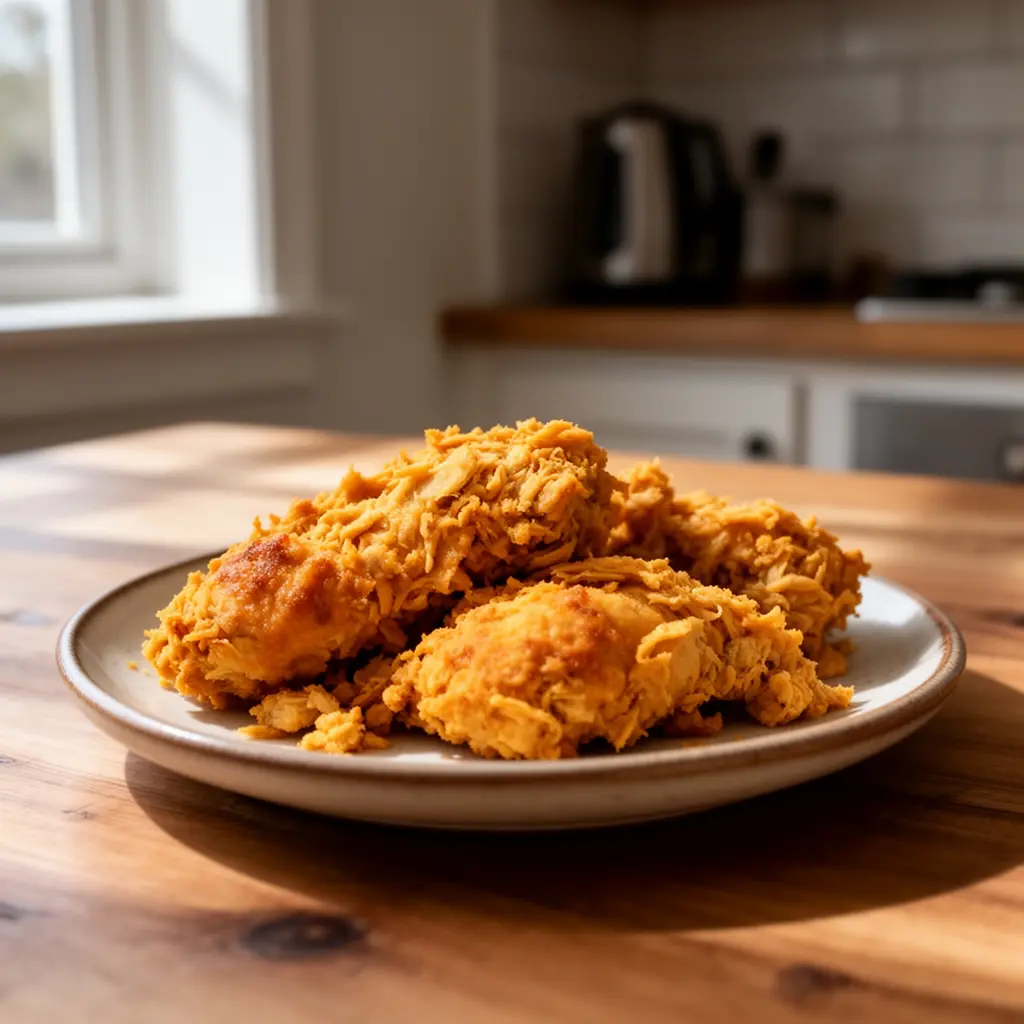
Once upon a time, nestled in the heart of the American West, there lived a culinary dream fueled by crackling wood and the promise of perfectly bronzed poultry. It wasn’t enough to simply roast a chicken; the goal was to infuse it with the spirit of the open range, a symphony of smoky, savory notes that lingered long after the last bite. The legend of Cowgirl Chicken began with sun-drenched days spent perfecting a secret blend of herbs and spices, each carefully chosen to complement the bird’s natural flavors. It was about creating an experience, not just a meal – a journey back to simpler times when food was honest, nourishing, and shared around a crackling fire. The early days were filled with experimental runs. Adjusting the temperature here, altering the spice blend there; each chicken was a test, a benchmark, a step closer to the ideal.
Years spun by, and the Cowgirl Chicken recipe evolved into a closely guarded treasure, whispered from one generation to the next. This is not just about putting a chicken in an oven. It is about patience, instinct, and a deep appreciation for the ingredients. It is about letting the smoke gently embrace the bird, drawing out its natural moisture and creating a succulent, flavorful masterpiece. And although many have tried to replicate it, the true Cowgirl Chicken remains an elusive, near-mythical dish, imbued with the soul of the West and the secrets of a relentless pursuit of perfection. What follows is the closest approximation, respectfully rendered, that I, a humble devotee, can offer. May your kitchen be filled with the aroma of woodsmoke and the joy of a truly exceptional roast chicken.
Ingredient Deep Dive
| Ingredient | Quantity | Notes |
|---|---|---|
| Whole Chicken | 3-4 lbs | Preferably air-chilled for crispier skin |
| Cowgirl Spice Blend | 2 tbsp | Recipe follows below (approximate) |
| Salt | 1 tbsp | Kosher or sea salt recommended |
| Black Pepper | 1 tbsp | Freshly cracked |
| Smoked Paprika | 2 tsp | Adds smoky depth |
| Garlic Powder | 1 tsp | Adds savory notes |
| Onion Powder | 1 tsp | Enhances the overall flavor |
| Dried Thyme | 1 tsp | Earthy and aromatic |
| Dried Rosemary | 1 tsp | Adds a piney fragrance |
| Brown Sugar | 1/2 tsp | Helps with caramelization |
| Cayenne Pepper | 1/4 tsp | Optional, for a touch of heat |
| Olive Oil | 2 tbsp | For rubbing the chicken |
| Lemon | 1 | Quartered, for stuffing the cavity |
| Garlic Cloves | 4 | Smashed, for stuffing the cavity |
| Fresh Herbs | A few sprigs | Rosemary, thyme, or sage, for stuffing cavity |
| Yellow Onion | 1 | Quartered, for the roasting pan |
| Carrots | 2 | Roughly chopped, for the roasting pan |
| Celery Stalks | 2 | Roughly chopped, for the roasting pan |
| Chicken Broth | 1 cup | For the roasting pan |
Substitutions & Swaps
- Chicken: A Cornish hen can be substituted for a smaller portion size. Adjust cooking time accordingly. Bone-in, skin-on chicken pieces (thighs, legs, breasts) can also be used, but may require adjustments to the spice blend ratios to avoid overpowering the dish.
- Cowgirl Spice Blend: While the specific blend is proprietary, alternatives include a pre-made barbeque rub (ensure it’s low in added sugar) or a combination of smoked paprika, garlic powder, onion powder, and your favorite dried herbs.
- Olive Oil: Avocado oil or melted butter can be used as a substitute.
- Lemon: An orange can be used in place of the lemon for a slightly sweeter flavor.
- Fresh Herbs: Dried herbs can be substituted for fresh, but use about half the quantity.
- Vegetables: Any root vegetables, such as potatoes, parsnips, or sweet potatoes, can be added to the roasting pan.
- Chicken Broth: Vegetable broth or even water can be used as a substitute.
Equipment Guide
- Roasting Pan: A heavy-bottomed roasting pan with a rack is essential for even cooking and crispy skin. V-shaped roasting racks are helpful for larger birds.
- Kitchen Twine: For trussing the chicken legs together, ensuring even cooking.
- Meat Thermometer: A reliable meat thermometer is crucial for checking the internal temperature of the chicken and ensuring it’s cooked to a safe temperature.
- Basting Spoon: For basting the chicken with its own juices during cooking.
- Carving Knife: A sharp carving knife is necessary for carving the chicken.
- Cutting Board: A sturdy cutting board for carving the chicken.
- Mixing Bowls: For preparing the spice blend and handling the vegetables.
- Measuring Spoons and Cups: For accurate measurement of ingredients.
Step-by-Step Walkthrough
1. Prepare the Chicken: Remove the chicken from the refrigerator at least 30 minutes before cooking. Pat the chicken dry with paper towels. This is crucial for achieving crispy skin.
2. Mix the Spice Blend: In a small bowl, combine salt, pepper, smoked paprika, garlic powder, onion powder, dried thyme, dried rosemary, brown sugar, and cayenne pepper (if using). Mix thoroughly.
3. Season the Chicken: Rub the chicken all over with olive oil, ensuring even coverage. Then, generously sprinkle the Cowgirl Spice Blend all over the chicken, including under the skin of the breast and thighs.
4. Stuff the Cavity: Stuff the chicken cavity with lemon quarters, smashed garlic cloves, and fresh herb sprigs.
5. Truss the Chicken: Use kitchen twine to tie the chicken legs together. This helps the chicken cook evenly and maintains its shape.
6. Prepare the Roasting Pan: Place the quartered onion, chopped carrots, and celery stalks in the bottom of the roasting pan. Pour the chicken broth into the pan.
7. Roast the Chicken: Place the chicken on the rack in the roasting pan. Preheat the oven to 425 degrees Fahrenheit (220 degrees Celsius). Roast the chicken for 15 minutes at this high temperature to sear the skin.
8. Reduce Temperature: Reduce the oven temperature to 350 degrees Fahrenheit (175 degrees Celsius). Continue roasting for approximately 1 hour to 1 hour and 15 minutes, or until the internal temperature of the thickest part of the thigh reaches 165 degrees Fahrenheit (74 degrees Celsius). Baste the chicken with the pan juices every 20-30 minutes.
9. Rest the Chicken: Once the chicken is cooked through, remove it from the oven and let it rest for at least 15 minutes before carving. This allows the juices to redistribute, resulting in a more tender and flavorful chicken.
10. Carve and Serve: Carve the chicken and serve with the roasted vegetables from the pan.
Expert Tips & Troubleshooting
- Crispy Skin: Ensuring the chicken is thoroughly dry before seasoning is paramount. Air-chilled chicken is ideal. Avoid overcrowding the pan, as this can steam the chicken instead of roasting it. A higher initial temperature helps to crisp the skin.
- Even Cooking: Trussing the chicken ensures even cooking. If the breast starts to brown too quickly, tent it with foil.
- Doneness: Always use a meat thermometer to check the internal temperature. The safest and most accurate place to insert the thermometer is the thickest part of the thigh, avoiding the bone.
- Dry Chicken: Basting regularly with the pan juices and ensuring an adequate amount of liquid in the bottom of the pan will help prevent the chicken from drying out.
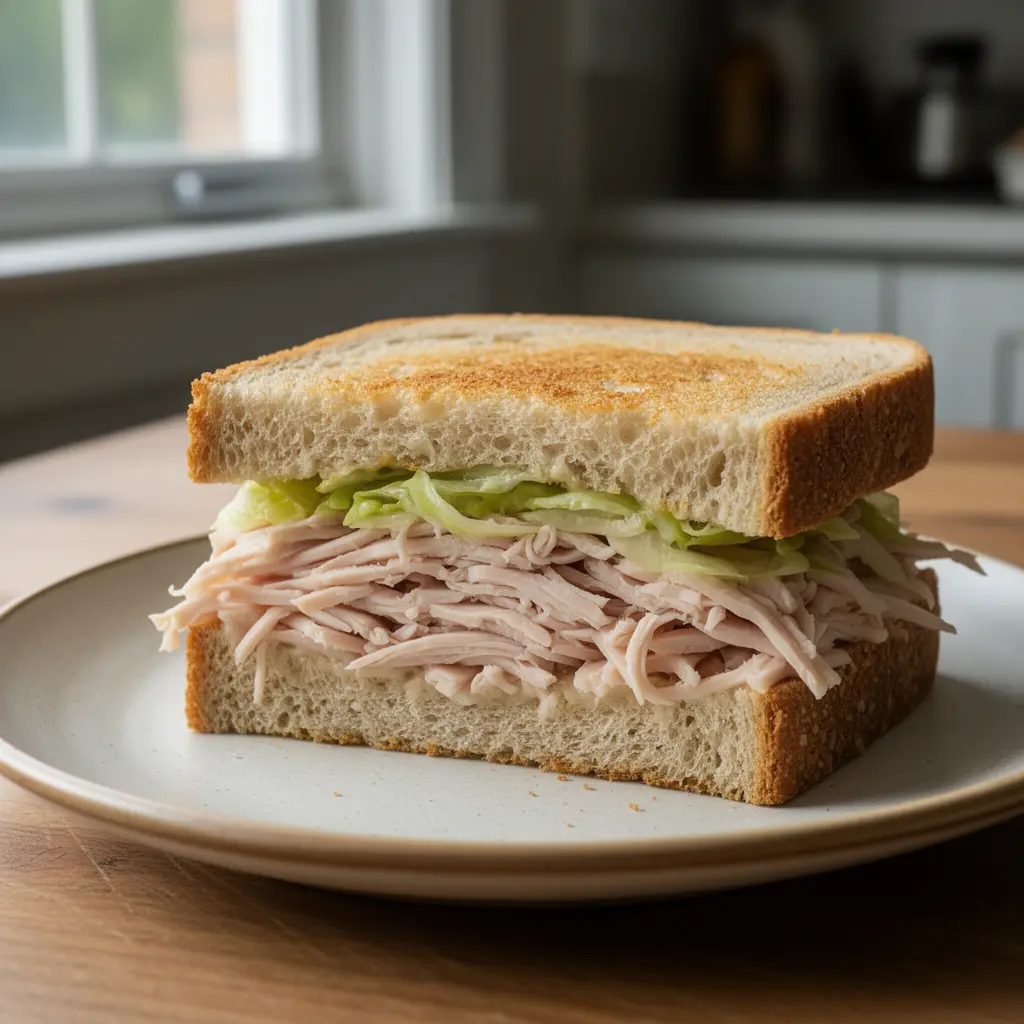
- Overcooked Chicken: If the chicken is overcooked, shred it and use it in soups, sandwiches, or salads.
- Smoke in the Oven: A small amount of smoke is normal, especially if using a lot of paprika. However, excessive smoke indicates that the pan is too dry or that the oven is too hot. Add more liquid to the pan and reduce the oven temperature if necessary.
- Spice Blend Adjustment: Adjust the spice blend to your personal preferences. If you prefer more heat, add more cayenne pepper. If you prefer a sweeter flavor, increase the brown sugar.
Flavor Variations
- Lemon Herb: Increase the amount of lemon and fresh herbs used in the cavity. Add lemon zest to the spice blend.
- Spicy Southwest: Add chili powder, cumin, and chipotle powder to the spice blend. Use lime instead of lemon.
- Honey Garlic: Brush the chicken with a honey-garlic glaze during the last 20 minutes of cooking.
- Maple Glazed: Similar to Honey Garlic, but utilizing maple syrup
- Mediterranean: Include dried oregano, sun-dried tomatoes, and feta cheese in the cavity.
- Asian Inspired: Substitute soy sauce, ginger, and garlic for some of the spices in the spice blend.
Storage & Reheating
- Storage: Store leftover cooked chicken in an airtight container in the refrigerator for up to 3-4 days.
- Reheating: Reheat the chicken in the oven at 350 degrees Fahrenheit (175 degrees Celsius) until heated through. To prevent the chicken from drying out, add a little chicken broth or water to the container. You can also reheat the chicken in the microwave, but it may not be as crispy.
- Freezing: Cooked chicken can be frozen for up to 2-3 months. Wrap the chicken tightly in plastic wrap or freezer paper before freezing. Thaw the chicken in the refrigerator overnight before reheating.
FAQ Section
Q: What is the secret to crispy chicken skin?
A: The key is to start with a dry chicken. Pat the chicken dry with paper towels before seasoning. Also, ensure your oven is hot enough and avoid overcrowding the roasting pan.
Q: How do I know when the chicken is done?
A: Use a meat thermometer to check the internal temperature. The thickest part of the thigh should reach 165 degrees Fahrenheit (74 degrees Celsius).
Q: Can I use a different type of oil?
A: Yes, avocado oil or melted butter can be substituted for olive oil.
Q: What if I don’t have a roasting rack?
A: You can place the chicken directly on the vegetables in the roasting pan, but the bottom of the chicken may not be as crispy. You can also create a makeshift rack by using rolled-up aluminum foil.
Nutrition Information
(Approximate values per serving; will vary based on portion size and specific ingredients)
| Nutrient | Amount |
|---|---|
| Calories | 350-450 |
| Protein | 40-50g |
| Fat | 20-30g |
| Saturated Fat | 5-8g |
| Cholesterol | 150-200mg |
| Sodium | 500-700mg |
| Carbohydrates | 5-10g |
| Fiber | 1-2g |
| Sugar | 2-4g |
Disclaimer: Nutritional information is an estimate and may vary based on specific ingredients and preparation methods. Always consult with a registered dietitian or healthcare professional for personalized dietary advice.