The Morning Glory Dish You Didn’t Know You Needed
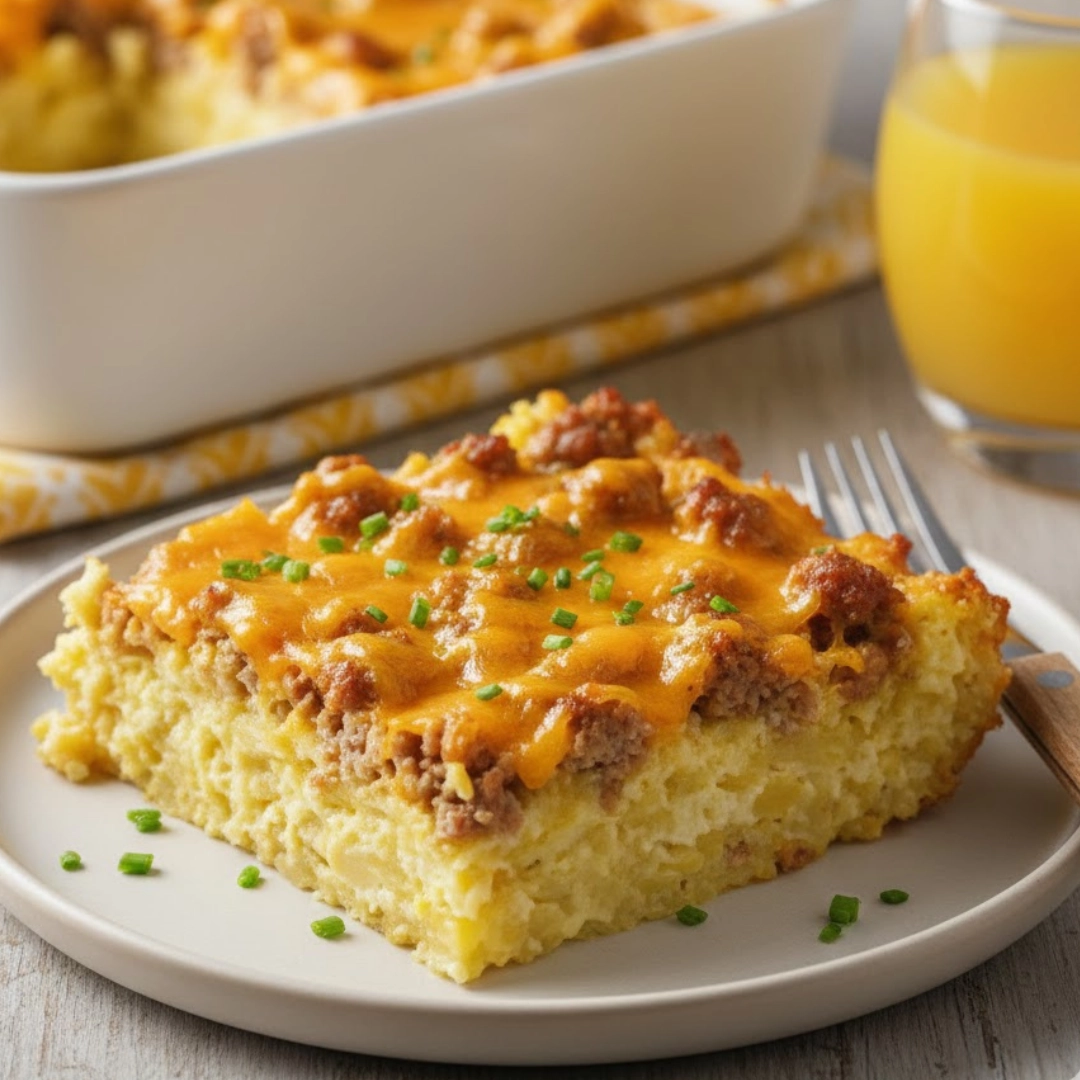
There is a simple magic in a truly excellent breakfast casserole: the ability to feed a crowd with minimal stress, the comforting warmth it provides straight from the oven, and the delightful layers of texture and flavor. This preparation transcends a simple scrambled egg or side of potatoes, elevating humble ingredients into a centerpiece. Whether you are hosting weekend brunch, preparing a meal for holiday guests, or simply seeking an easy make-ahead option for busy mornings, mastering the Hash Brown Egg Casserole offers a perfect solution. It is a hearty, savory bake that layers crispy potatoes, rich sausage, sharp cheddar, and a creamy custard, ensuring every forkful is perfectly balanced and profoundly satisfying.
Table of Contents
Essential Components for a Hearty Start
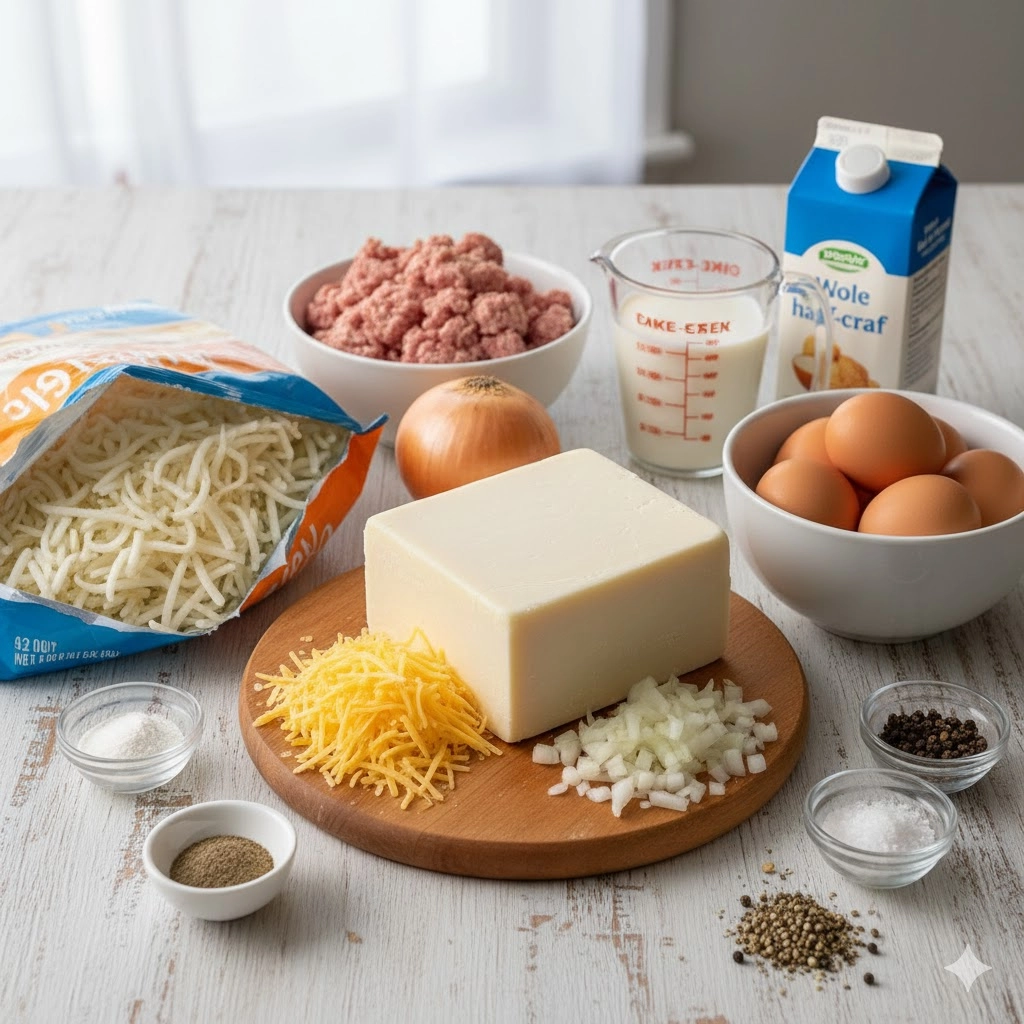
The success of this dish lies in using high-quality components and preparing them correctly before assembly. All frozen elements, specifically the potatoes, must be completely thawed and managed for moisture.
For the Foundation and Filling:
- One large package (approximately two pounds) of frozen shredded hash brown potatoes, fully thawed
- One pound of bulk pork breakfast sausage (maple or regular flavor)
- One small yellow onion, finely diced
- Twelve ounces of sharp Cheddar cheese, shredded (about three cups)
- One tablespoon of neutral cooking oil (such as canola or vegetable)
For the Custard:
- Five large eggs
- Half cup of whole milk or half-and-half
- One half teaspoon of onion powder
- One eighth teaspoon of garlic powder
- One teaspoon of fine sea salt
- One half teaspoon of freshly cracked black pepper
Equipment:
- A deep eight-by-eight inch square baking dish (or a thirteen-by-nine inch pan for a thinner casserole)
- Large skillet
- Whisk and large mixing bowl
The Workflow: Assembling Your Breakfast Bake
This process breaks down into three key phases: preparing the savory elements, mixing the custard, and layering the casserole for the oven.
- Prepare the Meats and Aromatics: Brown the sausage and onion together, then drain off all excess grease thoroughly. Set aside to cool slightly.
- Manage the Potatoes: Gently press the thawed hash browns between layers of paper towels to remove as much moisture as possible. Grease the baking dish and evenly spread the dried potatoes across the bottom.
- Whip the Custard: In a large bowl, whisk the five eggs vigorously with the milk, salt, pepper, and powdered aromatics until the mixture is uniform and slightly frothy.
- Layer the Ingredients: Sprinkle half of the shredded Cheddar cheese over the potato layer. Pour the entire egg and milk mixture over the potatoes and cheese.
- Add the Sausage Layer: Distribute the cooked, drained sausage and onion mixture evenly over the top of the liquid custard layer. Finish by scattering the remaining half of the Cheddar cheese on top.
- The Initial Bake: Cover the pan tightly with aluminum foil and place it into an oven preheated to three hundred fifty Fahrenheit. Bake for sixty minutes.
- The Finishing Bake: Remove the foil and return the casserole to the oven. Continue baking for an additional ten to fifteen minutes, or until the cheese is melted and browned and the center is set.
- Rest and Serve: Allow the casserole to stand for five to ten minutes after removing it from the oven before slicing and plating.

Mastering the Bake: Achieving the Ideal Texture and Crust
The difference between a merely good breakfast casserole and an outstanding one lies entirely in the details of ingredient preparation and how the dish transitions through the oven’s heat. This is where we focus on sensory cues, ensuring the final texture is creamy on the inside and structurally sound on the outside.
Addressing the Hash Browns: The single most common issue leading to a watery, disappointing casserole is potato moisture. Frozen hash browns contain a significant amount of water. Once thawed, this water needs to be physically pressed out. Lay the potatoes on a clean kitchen towel or several layers of sturdy paper towels. Press down firmly. The goal is a noticeably drier texture. If the potatoes still feel slushy or cold, they are too wet. This crucial step prevents the water from leaching into the egg custard during the bake, which results in a rubbery texture instead of a creamy, set finish. The crispness of the final crust depends on starting with a dry foundation.
The Sausage and Onion Render: When browning the pork sausage and diced onion, use a medium heat setting. The goal is not a deep, dark caramelization, but rather a complete cooking of the meat and a softening of the onion until it turns translucent. Once cooked, the fat must be fully drained. If too much grease remains, it will separate during the bake, creating an oily film on the surface of the custard. Use a slotted spoon to transfer the mixture to a bowl lined with paper towels, allowing them to wick away any residual fat. This keeps the final product clean and focused on the savory flavors.
The Integrity of the Custard: The ratio of five large eggs to one half cup of milk is carefully calculated to yield a rich, but firm, set custard. Whisking the mixture thoroughly, ensuring the onion powder, garlic powder, salt, and pepper are fully dissolved and incorporated, is vital for flavor distribution. The small amount of dairy adds necessary moisture and richness, helping the final product hold together without becoming overly spongy. When pouring this mixture over the potatoes, ensure it soaks in evenly to guarantee every section of the casserole is bound together.
Reading the Sensory Cues During Baking: The baking process happens in two stages. The first hour, covered at three hundred fifty Fahrenheit, is a foundational cook. The foil traps steam, allowing the potatoes to soften completely and the egg custard to set from the edges inward without drying out the top.
- Mid-Bake Check (Uncovered): Once the foil is removed, the center should already show signs of firmness, not liquid wobble. The aromas in your kitchen will shift from savory meat to a more integrated, slightly smoky cheese smell.
- The Doneness Check: The best way to check for doneness is the classic knife test. Insert a thin-bladed knife into the center of the casserole. If it comes out clean, the custard is fully set. If liquid egg runs into the cut, the casserole needs another five to ten minutes. The surface cheese should be a beautiful deep gold, bubbling gently, with a few darkened edges where the cheese has caramelized against the pan. The internal temperature, if measured, should register 160 to 165 Fahrenheit.
The Critical Rest Period: Do not skip the resting time. Taking the casserole out of the oven and letting it sit for five to ten minutes allows the residual heat to finish setting the internal structure. This resting period ensures that when you cut into the square, the slice holds its shape cleanly rather than crumbling or leaking moisture onto the plate.
Culinary Insights for Casserole Excellence
Achieving the next level of depth and complexity in this dish requires attention to sourcing and specific techniques.
- Skip the Pre-Shredded Cheese: While convenient, packaged shredded cheese is often coated in starch (like cellulose) to prevent clumping. This coating can interfere with the way the cheese melts and browns. For a superior, creamier melt and better flavor, buy a block of sharp Cheddar and shred it yourself.
- Add a Binding Agent to the Base: For an even richer, more cohesive base, consider mixing two ounces (a quarter cup) of softened cream cheese into the egg and milk custard before pouring it in. This adds structure and a delightful tanginess, resulting in a silkier internal texture.
- Pre-Bake the Potatoes: If you desire an absolutely crisp potato crust reminiscent of traditional diner hash browns, toss the thawed, dried potatoes with two tablespoons of melted butter and bake them alone in the prepared pan for fifteen minutes before adding any other layers. This creates an initial structural barrier and improves texture immensely.
- Use Half-and-Half or Cream: For the most luxurious, decadent casserole, substitute the half cup of milk with half-and-half or even light cream. The higher fat content will result in a richer mouthfeel and an even more satisfying, savory flavor profile.
- Cool Sausage Before Layering: Ensure the cooked sausage and onion mixture is slightly cooled before adding it to the custard. Adding piping hot meat can prematurely scramble or cook the eggs beneath, leading to uneven texture in the final product.
- Season the Layers: Don’t rely solely on the seasoned custard. Sprinkle a pinch of salt and pepper lightly over the potato base before adding the eggs, and another small pinch over the sausage layer. Seasoning each component ensures maximum flavor depth throughout the entire Hash Brown Egg Casserole.
Exploring Different Flavor Profiles and Dietary Tweaks
This recipe is incredibly flexible, allowing for easy substitutions and additions that can completely transform the flavor profile to suit different tastes or dietary needs.
- Meat Substitutions: Instead of pork sausage, use ground turkey sausage, crumbled bacon, or diced, fully cooked ham. If using bacon or ham, consider sautéing the onions in a tablespoon of the rendered bacon fat for a smoky, deeper flavor base. For a vegetarian option, substitute the meat with one cup of finely chopped sautéed mushrooms or a plant-based breakfast crumble.
- Cheese Variations: Cheddar is classic, but exploring other cheeses introduces new dimensions. Try Gruyère for a nutty, complex flavor; Monterey Jack for maximum meltiness and a mild profile; or a Pepper Jack for a gentle, spicy warmth. A combination of Cheddar and Parmesan adds sharpness and umami.
- Adding Vegetables for Brightness: Incorporate fresh vegetables to brighten the dish. Sautéed bell peppers (red or green) and spinach are excellent additions. If using spinach, wilt it first and squeeze out all excess moisture before adding it to the layers, as raw greens will release too much water during the long bake time.
- Dairy-Free Custard: The custard can easily be made dairy-free by substituting the milk with an unsweetened, unflavored plant-based milk, such as oat or soy milk. You may need to add a touch more salt to balance the flavor. For the cheese, use a high-quality vegan cheddar shred that melts well.
Completing the Plate: What to Serve Alongside
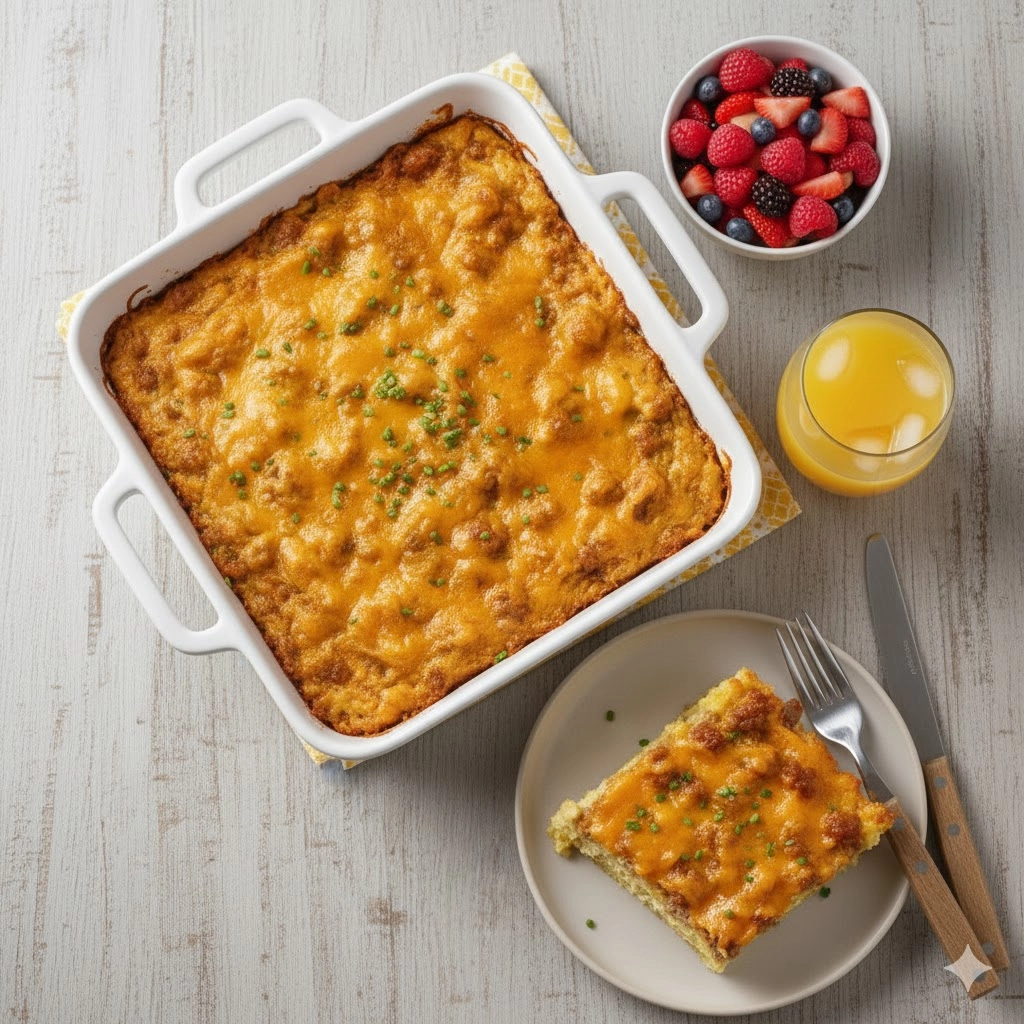
The inherent richness and savory quality of a breakfast casserole means the best accompaniments are those that cut through the richness with acidity or lightness.
- Fresh and Acidic Fruit Salad: A simple salad of segmented oranges, sliced strawberries, and blueberries tossed lightly with a squeeze of fresh lime juice is an ideal counterpoint. The acidity from the fruit acts as a palate cleanser, brightening the overall meal.
- Crisp, Bright Greens: A small, simple salad of arugula or mixed spring greens dressed with a very light vinaigrette (lemon juice, olive oil, and a pinch of salt) can be served alongside. It provides a necessary textural contrast and herbal freshness.
- Sweet Bread or Pastry: Offer a balance with something slightly sweet, like a warm, flaky scone or a slice of quick bread, such as banana or zucchini bread. This allows guests to switch between savory and sweet flavors throughout the meal.
- Condiment Bar: Provide a range of toppings to customize each slice. Offer mild salsa for a fresh, zesty kick; a small dollop of sour cream or crème fraîche for extra richness; or a dash of your favorite hot sauce for immediate heat.
Quick Answers to Your Top Casserole Questions
Here are a few common inquiries about preparing and managing your breakfast bake.
Can I prepare this casserole the night before?
Yes, this casserole is an excellent make-ahead dish. Assemble all layers (including the custard) but do not add the top layer of cheese; cover it tightly and refrigerate overnight. In the morning, let it stand on the counter for twenty minutes to take the chill off before adding the final cheese layer and baking as directed.
Why did my casserole turn out watery or soggy?
Wateriness is almost always caused by inadequate moisture removal from the frozen hash browns. Ensure the potatoes are fully thawed and pressed thoroughly before layering them. Another potential cause is not draining the fat completely from the cooked sausage and onion mixture.
Is it better to use diced or shredded hash browns?
Shredded hash browns are strongly recommended for this recipe. The fine shreds interlace and create a better structure and binding matrix with the egg custard. Diced potatoes tend to stay separate and can create gaps that allow the custard to drain and pool, resulting in a less cohesive final dish.
How do I store and reheat leftovers?
Store any leftover casserole tightly covered in the refrigerator for up to three days. To reheat a single slice, use the microwave or toast it in a low-temperature oven (three hundred Fahrenheit) or air fryer until warmed through and the edges are slightly crisp again.
Can I freeze a fully baked casserole?
Yes, once fully cooked and cooled, the casserole can be cut into individual portions and wrapped tightly in foil, then placed in a freezer bag. Frozen portions can be reheated directly in the oven (unwrapped from foil) at three hundred twenty-five Fahrenheit until heated through, which usually takes about thirty minutes.
Understanding the Nutritional Snapshot
The following estimates are based on the core ingredients and preparation methods for a dish yielding six generous servings.
| Nutrient | Amount per Serving |
| Calories | 590 kcal |
| Protein | 32 g |
| Carbs | 28 g |
| Fat | 47 g |
| Fiber | 2 g |
| Sugar | 2 g |
| Sodium | 1100 mg |
Nutrition information is an estimate and may vary based on preparation and ingredients used.
PrintA Definitive Guide to the Perfect Hash Brown Egg Casserole

This hearty Hash Brown Egg Casserole is the ultimate make-ahead breakfast or brunch. It layers shredded potatoes, savory pork sausage, sharp cheddar cheese, and a creamy, rich egg custard.
- Prep Time: 25 mins
- Cook Time: 1 hour 15 mins
- Total Time: 1 hour 40 mins
- Yield: 6 servings 1x
- Category: Breakfast
- Method: Baking
- Cuisine: American
Ingredients
1 (2 lb) package frozen shredded hash brown potatoes, thawed
1 lb bulk pork breakfast sausage
1 small yellow onion, finely diced
12 oz sharp Cheddar cheese, shredded
5 large eggs
1/2 cup whole milk or half-and-half
1/2 tsp onion powder
1/8 tsp garlic powder
1 tsp fine sea salt
1/2 tsp freshly cracked black pepper
Instructions
1. Brown the sausage and onion; drain all grease thoroughly.
2. Press thawed hash browns to remove excess moisture. Spread in a greased 8×8-inch pan.
3. Whisk eggs, milk, and seasonings for the custard.
4. Layer half of the cheese over potatoes, pour in the custard, and top with the sausage mixture.
5. Sprinkle with remaining cheese.
6. Cover with foil and bake at three hundred fifty Fahrenheit for sixty minutes.
7. Remove foil and bake for an additional ten to fifteen minutes until set and golden.
8. Rest for five to ten minutes before serving.
Notes
For a crispy crust, pre-bake the dried hash browns with melted butter for 15 minutes before adding the other layers.
Always drain the sausage completely to prevent a watery casserole.
This recipe can be fully assembled and refrigerated overnight before baking.
Nutrition
- Serving Size: 1 slice
- Calories: 590
- Sugar: 2g
- Sodium: 1100mg
- Fat: 47g
- Saturated Fat: 20g
- Unsaturated Fat: 14g
- Trans Fat: 0g
- Carbohydrates: 28g
- Fiber: 2g
- Protein: 32g
- Cholesterol: 260mg