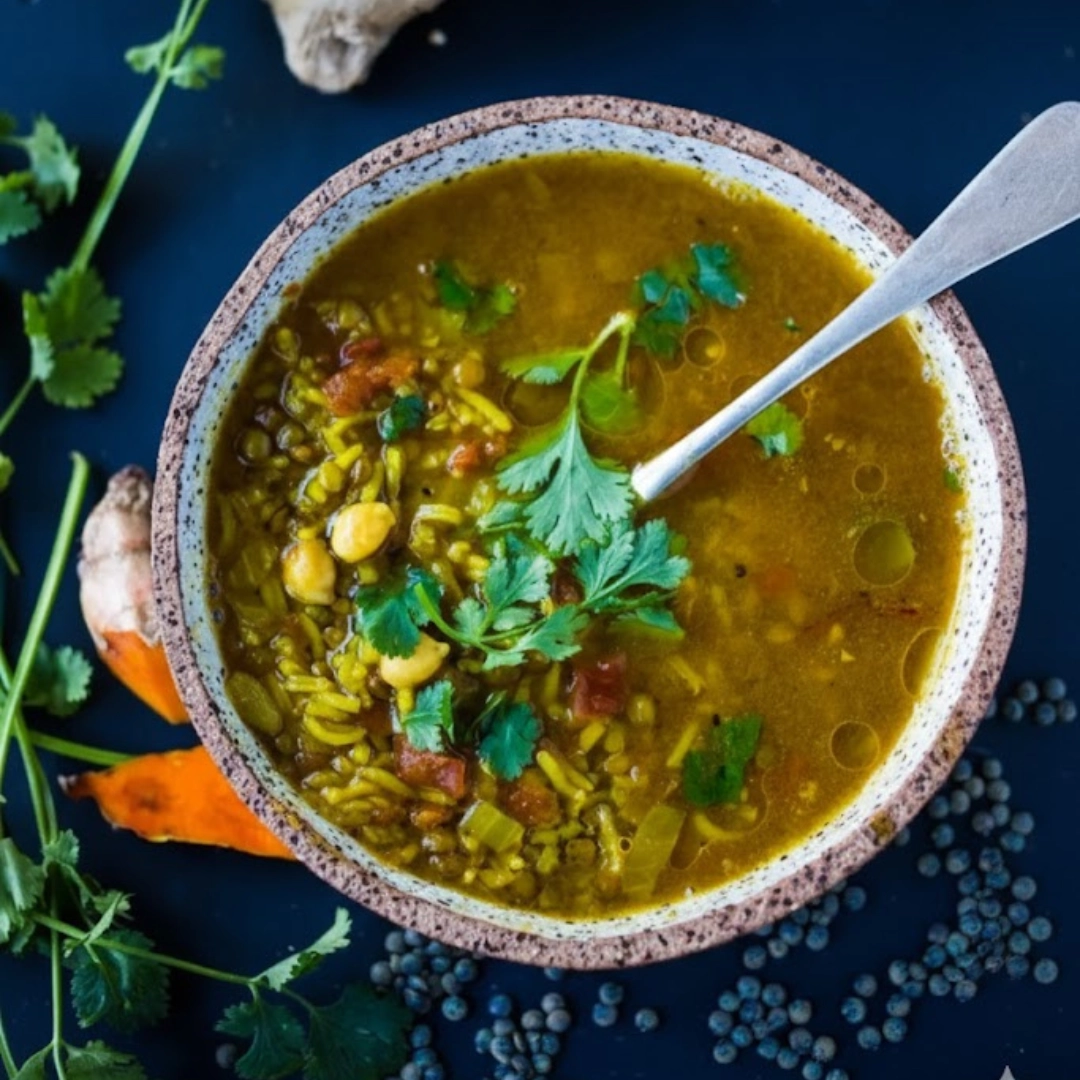
The idea of “detox” in cooking often conjures images of bland, punishing regimes, but this recipe for Golden Turmeric Detox Soup stands as a flavorful rebuttal to that notion. It is a vibrant, warming, and profoundly restorative broth, rooted in Ayurvedic principles, designed not to strip the body but to gently support its natural processes. Built on a foundation of aromatic roots and spices—ginger, garlic, and, crucially, potent turmeric—this liquid gold serves as both an intensely flavored, soul-satisfying meal and a flexible base for countless variations. Whether you’re seeking a comforting tonic on a cold evening or a clean, nourishing foundation for a week of healthy eating, this luminous, amber-hued soup delivers robust flavor in every spoonful.
Table of Contents
The Core Elements: A Curated Ingredient List
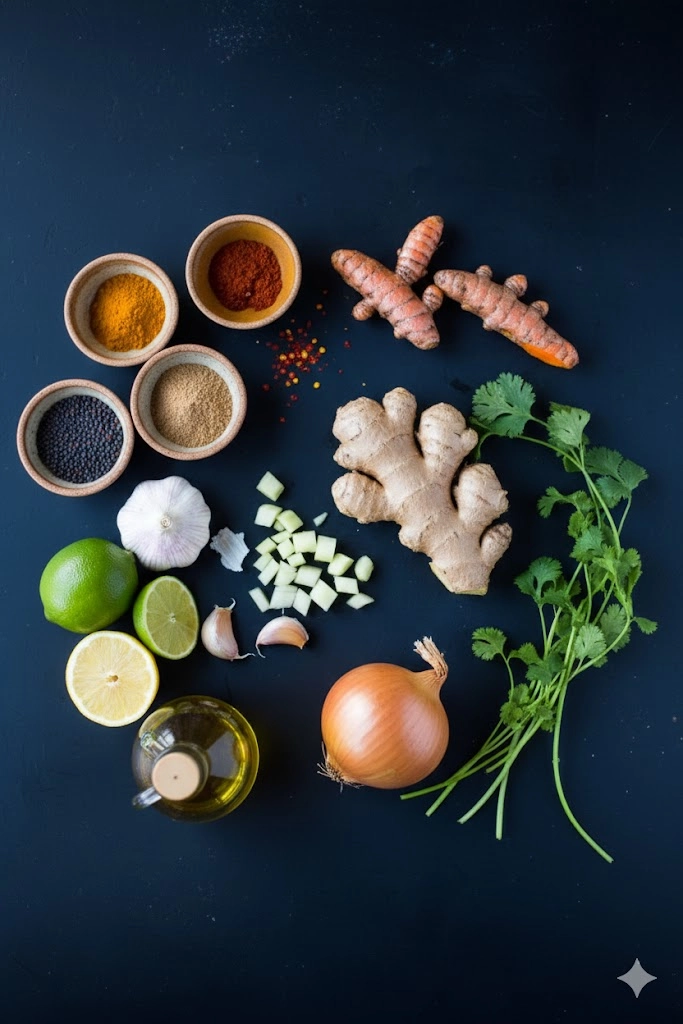
Sourcing high-quality ingredients is paramount when the recipe is so elegantly simple. The flavor of the finished broth relies almost entirely on the freshness and potency of your spices and aromatics.
Essential Broth Base
- Olive Oil or Ghee: 1–2 tablespoons
- Yellow Onion: 1 medium, finely diced
- Fresh Ginger: 1 tablespoon, grated or finely minced
- Garlic Cloves: 4–5 cloves, grated or finely minced
- Turmeric Powder: 1–2 teaspoons (or 2–3 teaspoons fresh, finely grated)
- Cumin Powder: 1 teaspoon
- Coriander Powder: 1 teaspoon
- Mustard Seeds (Optional): one-quarter teaspoon
- Cayenne Pepper: one-quarter teaspoon, or to taste
- Vegetable Broth or Chicken Stock: 4 cups, low sodium
- Water: 4 cups
- Sea Salt: three-quarters to 1 teaspoon, plus more to taste
- Acid Component: Squeeze of fresh lime or lemon juice, or 1–2 teaspoons apple cider vinegar, to taste
Foundational Aromatics: Preparing the Base
The initial phase of cooking, often referred to as building the mirepoix or aromatic base, is the single most important step for coaxing maximum flavor from your ingredients. This is where the depth and pungency of the soup are established.
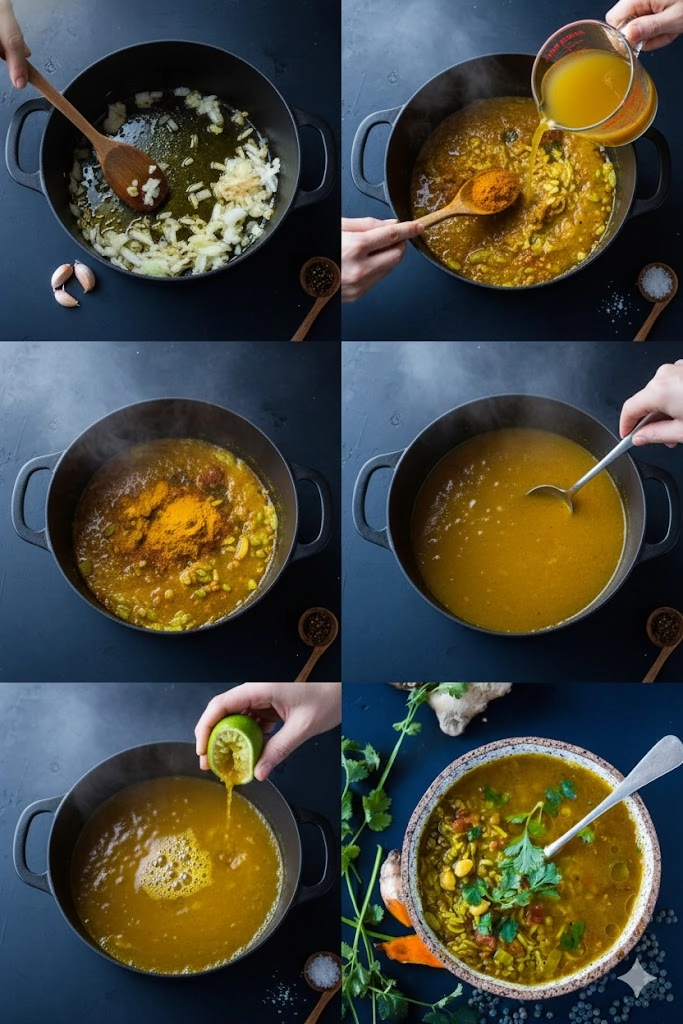
- Initiate the Bloom: Select a large, heavy-bottomed pot or Dutch oven. Add the olive oil or ghee and heat over a medium setting until shimmering but not smoking. Add the diced onion and sauté gently for five to seven minutes, stirring often, until the pieces become translucent and begin to turn a pale golden color. The goal here is sweetening, not caramelizing.
- Infuse the Roots: Introduce the grated ginger, minced garlic, and fresh turmeric (if using) to the softened onions. Continue to sauté for two to three minutes. The raw, sharp edges of the garlic and ginger should dissipate, yielding a fragrant, mellow aroma. This process slightly cooks out the sharpness while binding the flavors with the fat.
- Toasting the Spices: Incorporate the ground cumin, coriander, turmeric powder (if using), mustard seeds, and cayenne pepper into the pot. Stir vigorously for sixty to ninety seconds. This crucial step, known as “blooming” or “toasting” the dry spices, uses the residual heat and fat to awaken their essential oils, significantly intensifying their flavor profile and fragrance before liquid is added.
The Method of Simmering: Infusing Flavor and Depth
Once the aromatics and spices have been properly prepared, the cooking transitions into the infusion phase, where the full character of the broth develops.
- The Liquid Addition: Pour in the four cups of vegetable broth or stock and the four cups of water. Stir well, scraping up any spices or aromatics that may have clung to the bottom of the pot. Add the initial measurement of salt.
- Achieving the Simmer: Bring the liquid to a gentle simmer over a medium-high heat. Once simmering, immediately reduce the heat to low, maintaining a steady, relaxed bubble just below the surface—not a rolling boil. Allow the broth to infuse for ten to fifteen minutes. The purpose of this short simmer is to fully extract the complex turmeric, ginger, and garlic flavors into the liquid.
- The Final Seasoning: Remove the broth from the heat. This is the moment for balance and brightness. Stir in the squeeze of fresh citrus juice or apple cider vinegar. Taste the broth carefully. Adjust the salt and spice level according to your palate. If the flavor is too intense, add a splash of water to dilute; if it feels flat, add a bit more salt or a touch more lime juice for lift.
Cultivating the Golden Hue: Mastering the Simmer and Finish
The distinct, luminous yellow-gold color is central to the appeal of this soup, and achieving the right shade and consistency requires a mindful approach to your ingredients and cooking time.
The choice between fresh and dried turmeric profoundly impacts both the flavor and color. Freshly grated turmeric root will lend a deep, earthy flavor and a slightly more muted, burnt orange-yellow color. Ground turmeric powder, conversely, tends to deliver a brighter, more intensely golden hue that is often favored in photographs. For the best flavor complexity, a blend of both is highly recommended: use fresh turmeric in the initial sauté step for depth, and add one teaspoon of ground powder during the toasting stage for that unmistakable brilliance.
During the fifteen-minute simmer, keep the pot uncovered. If you are aiming for a highly concentrated elixir, simmering longer will reduce the volume, intensifying both the flavor and the saltiness. If you wish to maintain a full eight cups of broth, stick closely to the ten-to-fifteen-minute timeframe. A key sensory check: the aroma should transform from the harsh pungency of raw spices into a cohesive, warm, fragrant steam. The final broth should be clear, bright, and free of any gritty texture.
Mistakes often occur in the seasoning and the final acid addition. Adding too much salt early, especially if using a non-low-sodium stock, can lead to an overly saline finished product, particularly if the broth reduces. Always start conservatively with the salt, and only adjust after the final squeeze of lime or lemon. The acid is not optional; it cuts through the earthiness of the turmeric, elevating the entire flavor profile and making the broth feel clean and bright on the palate. Without it, the soup can taste dull and heavy.
Beyond the Broth: Expert Customization Techniques
This broth is a platform for infinite culinary exploration. Thinking of it as a flavorful stock rather than a finished soup allows for endless creativity, adapting it to your nutritional needs or pantry contents.
Integrating Protein and Substance
The minimalist broth is excellent on its own, but it serves as a stunning base for hearty additions. For a full, nutrient-dense meal, consider the following methods for incorporating solid ingredients:
- Legumes: Canned chickpeas or lentils are the simplest additions. Rinse them thoroughly and add them during the last five minutes of simmering just to warm them through. For dried lentils or beans, they must be fully cooked separately before being added to the finished broth, or they will soak up excessive liquid and turn the soup into a dense stew.
- Whole Grains: Rice, quinoa, or small pasta like orzo or acini de pepe transform the dish. Be mindful of their expansion: measure moderately (no more than half a cup dry per six servings of broth) and add them early enough in the simmering process (around ten to fifteen minutes before serving) to cook fully. Their starch will also slightly thicken the broth, lending a more substantial mouthfeel.
- Cooked Proteins: If adding chicken, turkey, or firm tofu, ensure the protein is already cooked. Shredded chicken breast or cubes of crispy, pan-fried tofu should only be added during the last minute of cooking to prevent them from becoming tough or losing texture.
Boosting Greens
Adding greens increases the nutrient density and introduces a desirable fresh, slightly bitter counterpoint to the rich, warm spices.
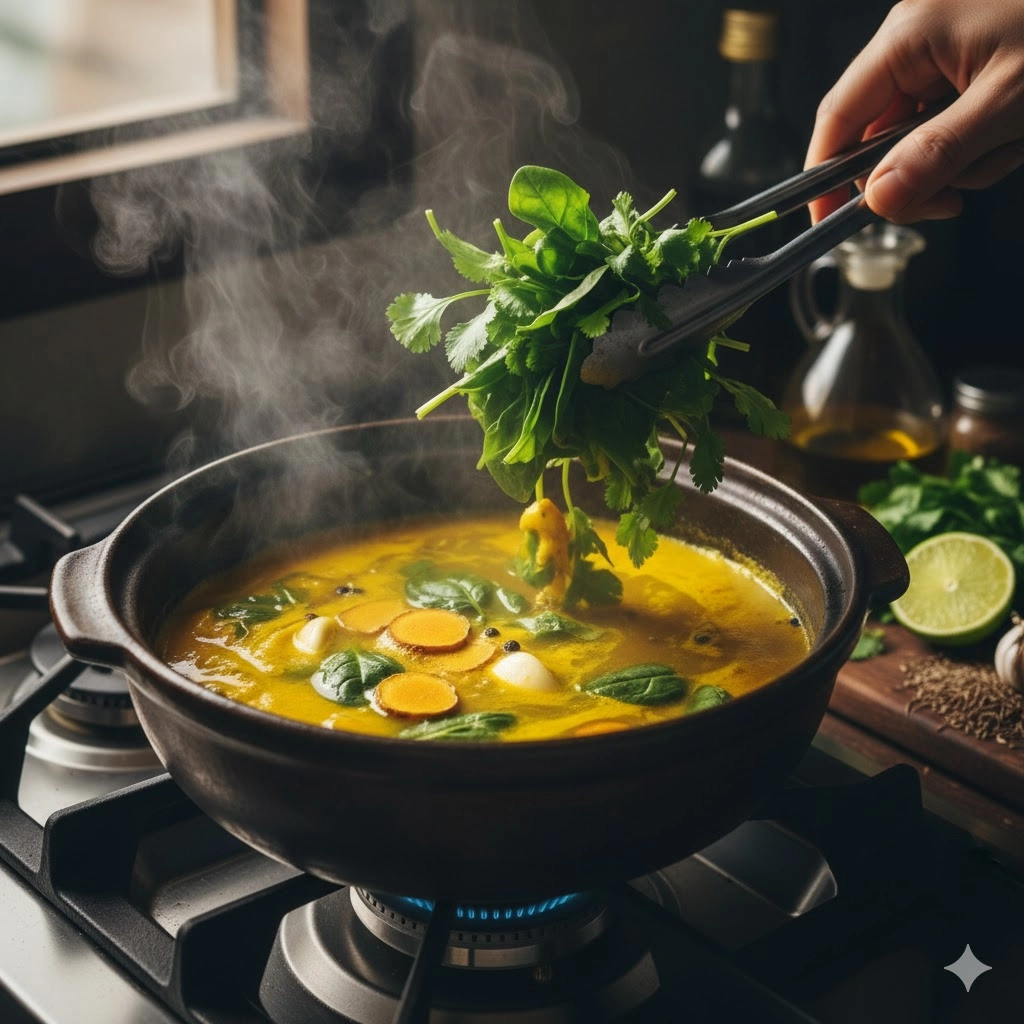
- Tender Greens: Spinach, arugula, or beet greens can be added in large handfuls immediately after turning off the heat. Their residual heat will wilt them perfectly within sixty seconds. Do not cook them longer, as it diminishes their vibrant color and texture.
- Sturdier Greens: Kale or chopped collards require slightly more time. Add these chopped greens during the last three to five minutes of simmering to ensure they become tender without becoming mushy.
This flexibility makes the Golden Turmeric Detox Soup a powerful meal-prep tool, allowing you to create different finished dishes throughout the week using the same aromatic base.
Key Culinary Insights for a Flawless Batch
Producing a high-quality broth is an art honed through attention to small details. These expert suggestions ensure your broth is rich, balanced, and restorative.
- Maximize Turmeric Absorption: Turmeric’s beneficial compounds, known as curcuminoids, are fat-soluble. To enhance the body’s ability to absorb these nutrients, ensure you use the initial one to two tablespoons of olive oil or ghee. Furthermore, a small, final drizzle of high-quality olive oil or melted coconut oil over the top of the finished, hot bowl is a simple, effective way to boost bioavailability.
- Taming the Earthiness: Turmeric has a distinct, sometimes assertive, earthy flavor. If you find the taste too prominent, incorporate a small piece of lemongrass (two inches, bruised) or a few fresh cilantro stems during the main simmer. These bright herbal notes will soften the turmeric while adding complexity.
- Preventing Grain Over-Saturation: When adding rice, quinoa, or pasta, remember these ingredients continue to absorb liquid even after the heat is removed. If you plan to make a large batch for leftovers, store the plain broth separately and add the starches to individual portions only when reheating. This maintains the clean, brothy texture upon serving.
- The Creamy Variation: For a richer, more decadent soup, stir in one-third to one-half cup of full-fat coconut milk or a plant-based creamer (such as cashew cream) during the final minute of simmering. This creates a beautifully silky texture and softens the overall spice profile.
- Optimal Storage: The broth base keeps exceptionally well. Cooled completely and stored in an airtight container, it will last for five days in the refrigerator. It is also an excellent candidate for freezing; portion it into individual servings in freezer-safe containers or large ice cube trays for quick access to a healing cup when you need it most.
Tailoring the Recipe: Adding Substance and Personal Touch
If the simple broth is your starting point, here are several realistic directions to take the soup for a completely different meal experience.
- Asian Noodle Bowl: Add four ounces of rice noodles (or glass noodles) and one cup of chopped shiitake mushrooms during the last five minutes of cooking. Finish with a drizzle of soy sauce or tamari and a generous amount of fresh cilantro and thinly sliced scallions.
- Middle Eastern Heartiness: Incorporate one and one-half cups of cooked brown lentils, one can of fire-roasted diced tomatoes (drained), and one cup of chopped spinach. Garnish heavily with fresh parsley and a dollop of plain Greek yogurt or plant-based sour cream for tang.
- Spicy Root Vegetable Puree: Roast one cup of diced carrots and one cup of diced sweet potato until tender. Add the roasted vegetables to the finished broth, and then use an immersion blender to partially puree the soup, leaving some texture behind. This creates a creamier, naturally sweet, and heartier winter soup.
- Green Curry Infusion: Introduce one tablespoon of green curry paste along with the initial aromatics. After adding the stock, substitute two cups of water for two cups of coconut milk (full fat). Finish with the juice of half a lime and serve with white rice and fresh Thai basil.
Serving Your Restorative Brew
The presentation of this intensely hued soup can be just as restorative as its consumption.
- The Classic Broth: Serve the pure, clarified broth in a small, handle-less bowl or mug, encouraging slow sipping. A thin slice of lemon or lime floated on top enhances the aroma, and a light grating of fresh black pepper not only adds a gentle spice but also further aids in turmeric absorption.
- Soup as a Meal: When loaded with grains, beans, and greens, serve the soup piping hot in large, shallow bowls. A contrasting garnish is key: use bright green herbs like chopped dill or cilantro, or a textural element such as toasted pumpkin seeds or slivered almonds.
- Accompaniment to Toast: Serve the broth alongside a thick slice of toasted artisan bread, preferably sourdough, drizzled with olive oil and lightly dusted with sea salt. The crisp texture of the bread offers a satisfying counterpoint to the warmth of the broth.
- The Chilled Tonic: While designed to be warming, the pure broth can be chilled and served as a savory, palate-cleansing tonic. Simply ensure the liquid is highly strained and intensely seasoned before chilling.
Frequently Asked Questions on Turmeric Broths
Is the fresh ginger necessary, or can I use ground ginger powder?
Fresh ginger is strongly recommended as it contributes a bright, complex heat that powdered ginger cannot fully replicate. If you must substitute, use no more than one-half teaspoon of ground ginger powder, adding it during the dry spice toasting phase to ensure its flavor is fully awakened.
I don’t have vegetable stock. Can I just use all water?
Using only water will result in a much thinner, less flavorful broth that lacks the savory depth (umami) provided by stock. If stock is unavailable, use all water but increase the salt by one-quarter teaspoon and consider adding a teaspoon of nutritional yeast or a bouillon cube for added richness.
How long can I keep the broth in the freezer?
Properly prepared and stored in airtight, freezer-safe containers, the pure broth base can be kept frozen for up to six months. Thaw it overnight in the refrigerator and reheat gently on the stovetop, tasting for salt and acidity before serving, as flavors can sometimes mute during freezing.
What is the benefit of adding lime or apple cider vinegar at the end?
The final addition of a mild acid, like lime juice or vinegar, is a critical technique in balancing savory dishes. It brightens the flavor profile, preventing the dish from tasting flat or overly earthy, and provides a necessary counterpoint to the warmth of the spices.
Can I make this soup in an Instant Pot or pressure cooker?
Yes, you can adapt the process. Use the sauté function to bloom the aromatics and spices. Then, add the liquids and pressure cook on high for ten minutes, allowing a five-minute natural pressure release before venting. This speeds up the infusion process without compromising flavor.
The Role of Golden Turmeric Detox Soup in Wellness
This fragrant, luminous broth is an ideal addition to any conscious eating plan. The deliberate combination of powerful ingredients like ginger, garlic, and the hero spice, turmeric, creates a soup that is light on the stomach while being dense with flavor. It provides a simple way to incorporate hydration and warm spices into your diet, making it a perfect gentle reset. The versatility of the soup ensures it can be enjoyed as a light liquid meal when resting, or customized with grains and protein to become a fully satisfying, health-forward dinner. The inherent simplicity and deeply comforting nature of the Golden Turmeric Detox Soup make it a staple for mindful nourishment.
Estimated Nutritional Information
| Nutrient | Amount per Serving |
| Calories | 185 kcal |
| Protein | 4 g |
| Carbs | 25 g |
| Fat | 8 g |
| Fiber | 4 g |
| Sugar | 3 g |
| Sodium | 450 mg |
Nutrition information is an estimate and may vary based on preparation and ingredients used.
PrintCrafting the Ultimate Golden Turmeric Detox Soup
A healing, aromatic, and customizable turmeric broth recipe featuring ginger, garlic, and warming spices, perfect for a gentle cleanse or nutritious meal. The luminous, amber-hued soup delivers robust flavor in every spoonful.
- Prep Time: 15 mins
- Cook Time: 20 mins
- Total Time: 35 mins
- Yield: 6 servings 1x
- Category: Soup
- Method: Stovetop
- Cuisine: Global
Ingredients
1–2 tablespoons olive oil or ghee
1 medium yellow onion, finely diced
1 tablespoon fresh ginger, grated or finely minced
4–5 garlic cloves, grated or finely minced
1–2 teaspoons turmeric powder (or 2–3 teaspoons fresh, grated)
1 teaspoon cumin powder
1 teaspoon coriander powder
one-quarter teaspoon mustard seeds (optional)
one-quarter teaspoon cayenne pepper, or to taste
4 cups vegetable broth or chicken stock, low sodium
4 cups water
three-quarters to 1 teaspoon sea salt, plus more to taste
Squeeze of fresh lime or lemon juice, or 1–2 teaspoons apple cider vinegar, to taste
Instructions
1. Heat olive oil or ghee in a large pot over medium heat. Add onion and sauté for five to seven minutes until translucent and golden.
2. Introduce ginger, garlic, and fresh turmeric (if using). Continue to sauté for two to three minutes until mellow and fragrant.
3. Incorporate the cumin, coriander, turmeric powder (if using), mustard seeds, and cayenne pepper. Stir vigorously for sixty to ninety seconds to awaken the spices.
4. Pour in the broth, water, and initial salt measurement. Stir well.
5. Bring the liquid to a gentle simmer. Reduce heat to low, maintaining a steady, relaxed bubble. Allow the broth to infuse for ten to fifteen minutes, uncovered.
6. Remove the broth from the heat. Stir in the squeeze of fresh citrus juice or apple cider vinegar. Taste and adjust salt and spice level according to your palate before serving.
Notes
For the best flavor complexity, use a blend of both fresh and ground turmeric.
A small drizzle of olive oil over the finished bowl helps the body absorb turmeric’s nutrients (curcuminoids).
Store the cooled, pure broth base separately from any additions (like rice or pasta) to maintain its clear, brothy texture.
To make a creamy variation, stir in one-third to one-half cup of full-fat coconut milk at the end.
Nutrition
- Serving Size: 1 bowl
- Calories: 185
- Sugar: 3g
- Sodium: 450mg
- Fat: 8g
- Saturated Fat: 4g
- Unsaturated Fat: 4g
- Trans Fat: 0g
- Carbohydrates: 25g
- Fiber: 4g
- Protein: 4g
- Cholesterol: 0mg