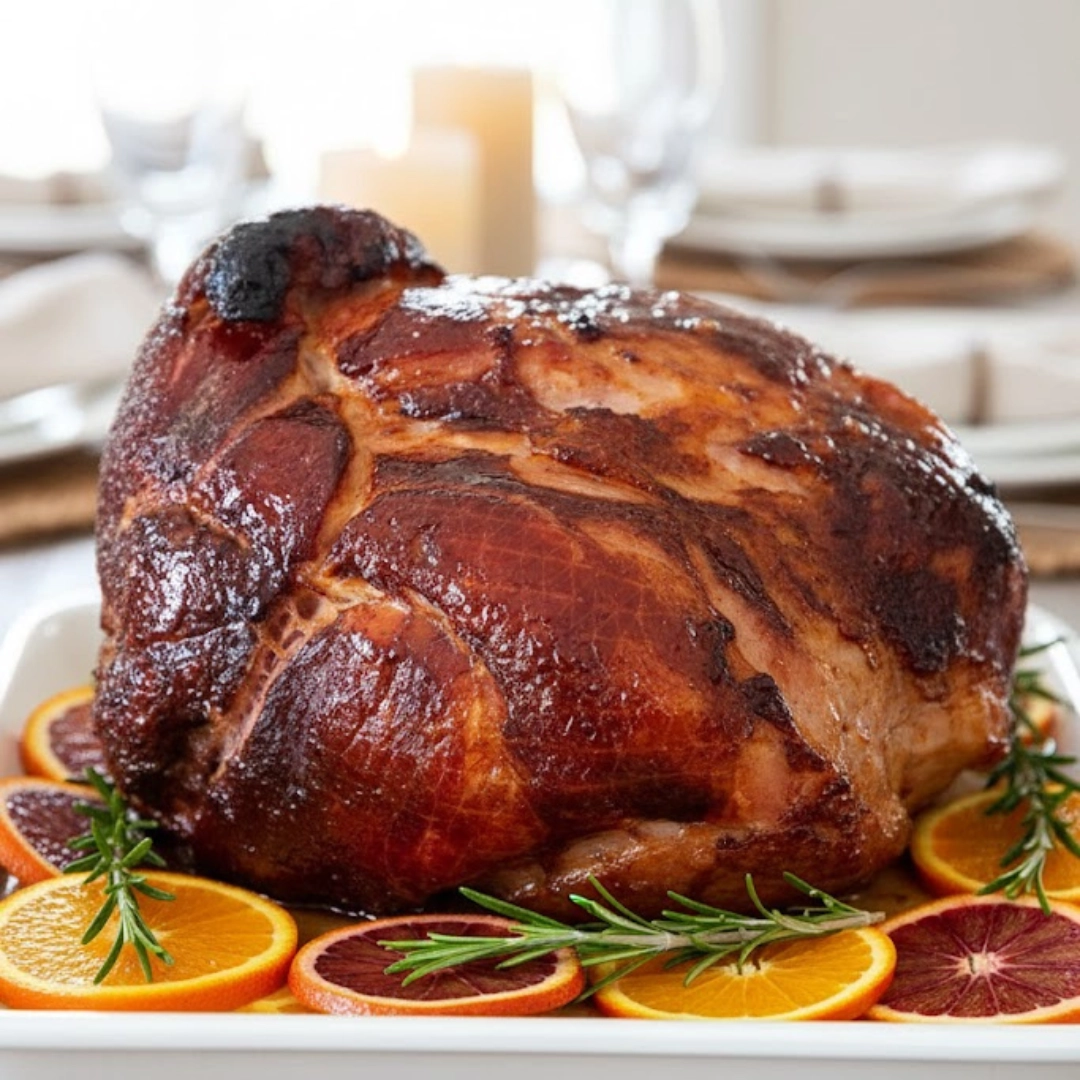
When the centerpiece of a holiday table or a Sunday gathering needs to be nothing short of magnificent, there is no substitute for a beautifully cooked ham. This dish embodies abundance and tradition, yet the method required for truly outstanding results is far simpler than many people imagine. The secret lies not in complex prep work but in respecting the quality of the ham itself and employing strategic temperature control. Our approach ensures the meat remains exceptionally succulent, providing a contrast to the mahogany, deeply caramelized crust. Serving a proper Glazed Baked Ham is a declaration of culinary warmth, perfect for any season that calls for gathering around a feast.
Table of Contents
The Essence of Excellence: Selecting the Best Ham
Achieving a superior baked ham begins long before the oven is preheated—it starts with selecting the right product. Since nearly all hams sold in the US market are cured and fully pre-cooked, your task is primarily to reheat it without drying it out, and, of course, to introduce a spectacular glaze.
For flavor and texture, a bone-in ham (shank or butt portion) is highly recommended. The bone contributes to moisture retention and imparts a deeper, savory essence into the meat as it heats. A boneless ham is easier to carve, but it is often pressed, which can result in a drier texture and less complex flavor. Regardless of your choice, confirm it is fully cooked. The label should explicitly state this. Look for hams that have been smoked or cured, but avoid anything labeled “spiral-cut” for this recipe. While convenient, spiral-cut hams expose too much surface area, making them highly susceptible to drying out during the necessary extended baking time.
For a ham weighing between six and eight pounds, plan on allowing for two to three hours of cooking time, depending on its density and starting temperature. Always ensure the ham is tempered—taken out of the refrigerator and allowed to sit at room temperature for at least two hours—before you begin the process. A cold ham placed directly into a hot oven forces the exterior to overcook while the center struggles to reach serving temperature, destroying the texture you are aiming for.
Tools of the Tradition
Success in roasting is built upon reliable equipment that manages moisture and heat transfer effectively.
- Heavy-Duty Roasting Pan: Choose one large enough to accommodate the ham with a couple of inches of space around the edges. This space is necessary for steam circulation and holding the added liquid.
- V-Rack or Roasting Rack: This elevates the ham above the pan liquid, allowing heat to circulate evenly around the bottom and preventing the ham from steaming excessively, which can soften the outer texture.
- Instant-Read Thermometer: Absolutely critical for food safety and preventing dry meat. The internal temperature must be precisely checked.
- Basting Brush: Preferably a wide, natural bristle brush or a heat-safe silicone brush, essential for applying an even, thin layer of the glaze during the final stages of cooking.
- Heavy-Duty Aluminum Foil: Used to create an airtight seal over the roasting pan, ensuring the ham cooks in a moist, steamy environment for the initial phase.
The Glace Components
This recipe uses a simple, bright, and deeply aromatic glaze that achieves a stunningly lacquered finish. This combination of sweet and acid is what balances the natural saltiness of the cured meat.
Yields: Enough glaze for one seven-to-ten-pound ham.
For the Ham
- One 7 to 10 pound (3.2 to 4.5 kilograms) fully cooked bone-in or boneless ham
- 1 cup (240 milliliters) water or unsalted chicken stock
- Heavy-duty aluminum foil
For the Simple Citrus Glaze
- 1 cup (200 grams) packed light brown sugar
- Half a cup (120 milliliters) fresh orange juice
- Quarter cup (60 milliliters) maple syrup (pure Grade A recommended)
- 1 teaspoon Dijon mustard
- Half teaspoon ground cloves
- Half teaspoon ground cinnamon

The Process—An Overview
This cooking method is split into two distinct phases: a low-and-slow, moist heat phase to warm the interior gently, and a high-heat, uncovered phase to caramelize the exterior with the glaze.
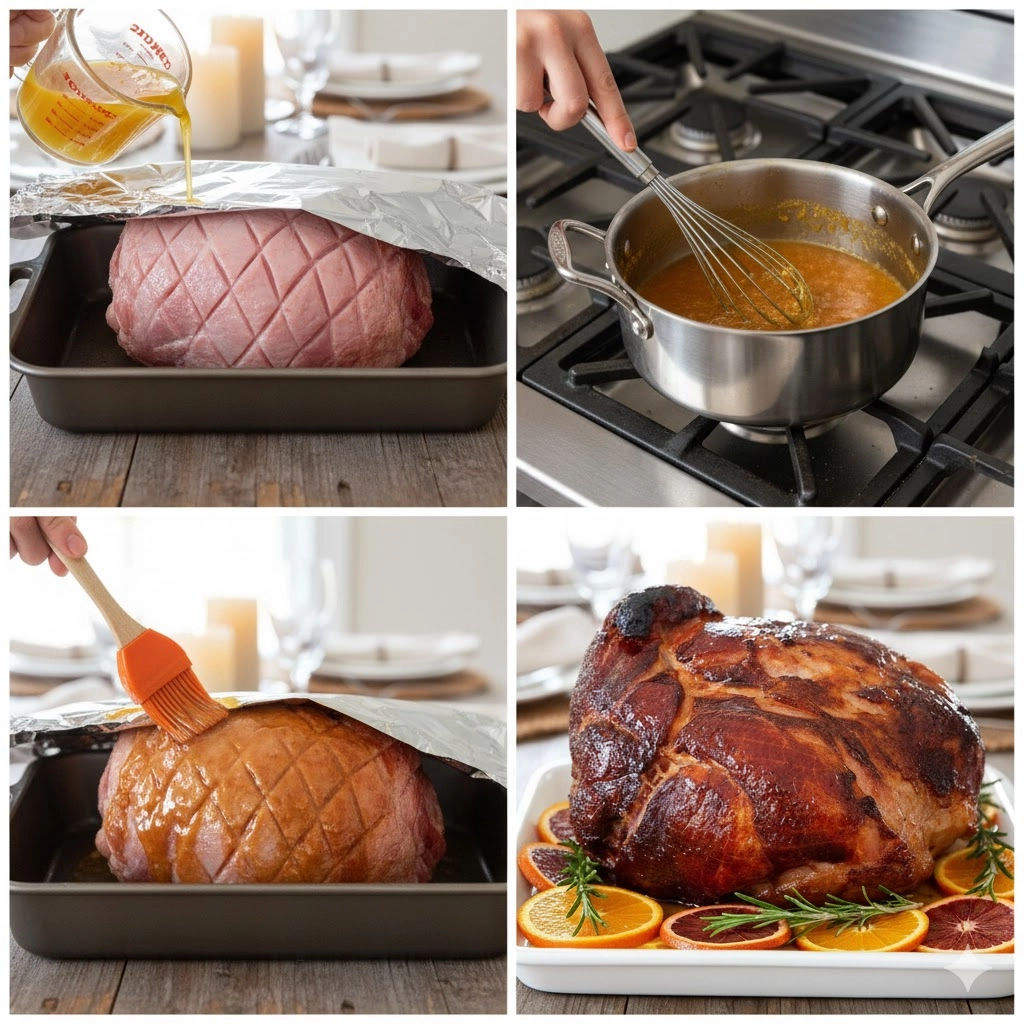
- Prepare the Ham and Oven: Adjust the oven rack to the lower-middle position. Place the ham, cut-side down (if applicable), on the V-rack inside the roasting pan. Add water or stock to the pan. Preheat the oven to three hundred twenty-five Fahrenheit.
- Calculate Initial Cooking Time: Weigh the ham. Calculate the total cooking time based on fifteen minutes per pound. Subtract the final thirty minutes (glazing time) from the total to determine the length of the initial covered bake.
- Moist Heat Phase: Cover the roasting pan tightly with heavy foil, crimping the edges to seal in all steam. Bake the ham for the calculated initial time at three hundred twenty-five Fahrenheit.
- Prepare the Glaze: While the ham bakes, combine all glaze ingredients in a small saucepan over medium heat. Bring to a simmer, stirring until the sugar is completely dissolved. Remove from the heat and set aside.
- Uncover and Increase Temperature: Thirty minutes before the ham is fully cooked, remove the pan from the oven. Carefully remove the foil. Increase the oven temperature to four hundred twenty-five Fahrenheit.
- First Glazing: Brush the entire surface of the ham generously with approximately one third of the reserved glaze mixture. Return the uncovered ham to the four hundred twenty-five Fahrenheit oven for fifteen minutes.
- Second Glazing and Finish: Remove the ham and apply another one third of the glaze. Check the internal temperature. When the internal temperature registers one hundred forty Fahrenheit, the ham is done. If not, return to the oven.
- Resting: Once cooked, remove the ham from the oven and transfer it, uncovered, to a carving board. Let it rest for a minimum of twenty minutes before slicing.
Mastering Moisture: Detailed Technique and Timing
The ultimate goal of preparing a Glazed Baked Ham is textural perfection: a moist interior and a deeply flavored, sticky, burnished exterior. The journey from a cold ham to this state is a careful dance between steam and dry heat.
Initial Preparation and Steaming
Before the ham enters the oven, scoring the fatty cap is a classic step that is highly recommended. Using a sharp knife, cut a shallow diamond pattern across the fat layer, being careful not to cut into the meat itself. This pattern serves a dual purpose: it allows the heat to penetrate the fat more evenly, rendering it beautifully, and it provides pockets for the glaze to collect and caramelize later.
The liquid added to the pan—whether water or stock—is critical. Once the pan is tightly sealed with foil, this liquid turns to steam, creating a humid micro-environment around the ham. This prevents the outer layers of the meat from drying out while the heat travels to the dense center. The initial bake at three hundred twenty-five Fahrenheit is slow and gentle, designed solely to bring the internal temperature of the ham up safely and evenly. You should smell the faintest, savory aroma during this phase, not the scent of burning or crisping meat.
The Glaze Transformation
The shift from three hundred twenty-five Fahrenheit to four hundred twenty-five Fahrenheit is the moment of transformation. The high heat does two things: it rapidly caramelizes the sugars in the glaze and it ensures the ham reaches the final serving temperature quickly, preventing it from lingering in the oven and drying out.
When you remove the foil, you will notice the ham’s surface is damp. This is normal. The glaze must be applied thinly and evenly. If you apply a glaze that is too thick, it will drip down and burn in the pan, or worse, slide off the ham rather than adhering and forming a crust. A simple syrup-based glaze, like ours, is designed to be brushed on and baked in successive layers. The Dijon mustard and orange juice in the glaze are not just for flavor; the mild acidity helps cut the extreme sweetness and promotes the Maillard reaction (browning) on the ham’s surface.
For the first fifteen minutes in the high heat, the glaze will bubble and harden slightly. When you pull it out for the second coating, the surface should look tacky and slightly browned. Reapply the glaze, targeting any spots that look dry or less intensely colored. Sensory Cue: The aroma during this phase should be intensely sweet and spiced, like baking gingerbread, with a distinct caramelized scent.
Doneness and Resting
The most common mistake is overcooking the ham. Since it is already cooked, you are merely reheating it to an appetizing serving temperature. The USDA recommendation for pre-cooked ham is one hundred forty Fahrenheit. The instant-read thermometer must be inserted into the thickest part of the meat, avoiding the bone, which will give a falsely high reading. If you are using a boneless ham, check the temperature in two or three places. Once the thermometer reads one hundred forty Fahrenheit, it is finished.
The resting period is non-negotiable. As the ham rests, the internal temperature will continue to climb a few degrees, a phenomenon known as carry-over cooking. More importantly, the muscle fibers relax, allowing the internal moisture, which was pushed toward the center by the heat, to redistribute evenly throughout the meat. Cutting the ham too soon will result in a gush of flavorful juices escaping onto the cutting board, leaving you with dry slices. Allow it to rest for at least twenty minutes, or up to forty minutes for a very large ham, loosely tented with foil. This patience ensures a moist, satisfying slice every single time.
Elevating the Experience: Expert Tips for Success
These five focused tips move the baked ham from competent to truly spectacular.
- Use Ice Water to Control Glaze: If your glaze starts to thicken too much while waiting for the ham to finish its initial bake, do not try to reheat it aggressively. Instead, whisk in a teaspoon of ice-cold water or orange juice at a time until it returns to a brushable, thin consistency. Overheating the glaze can cause the sugars to burn when they hit the hot ham.
- Score and Season the Fat Only: Before scoring, use your fingers to rub a very small amount of black pepper, a pinch of salt, and a quarter teaspoon of ground ginger directly onto the surface of the fat cap. This provides a deep, savory layer of seasoning that complements the sweet glaze, preventing the crust from tasting one-dimensional.
- Manage the Pan Juices: During the initial covered bake, the liquid in the pan will become a rich, salty concentration of ham essence. Before the high-heat glazing phase, carefully pour this liquid out of the roasting pan and reserve it. Do not let the sugars from the glaze mix with this liquid, as it will burn and create bitter smoke in the oven. The reserved juice can be defatted and used to make a phenomenal gravy later.
- Use a Heat Shield: If you notice the narrow, exposed ends of the ham are browning too quickly during the high-heat glazing phase, shield them. Tear off small strips of aluminum foil and lightly wrap them around the edges to deflect the direct heat. Remove the shields for the last five minutes to ensure everything achieves a uniform color.
- Invest in Quality Maple Syrup: The quality of the maple syrup is far more important than the amount of brown sugar. Pure maple syrup adds a depth and richness that corn syrup-based products cannot match. Opt for a dark, robust taste grade, which has a more intense flavor that stands up well to the cured meat.
Culinary Adaptations: Variations and Swaps
The simple citrus glaze is classic, but you can dramatically alter the ham’s flavor profile with a few adjustments. These variations are quick, easy to execute, and use the same two-phase cooking method.
- Spicy Pineapple Glaze: Swap the orange juice for canned pineapple juice and increase the Dijon mustard to one and a half teaspoons. Stir in a quarter cup of finely crushed canned crushed pineapple and a generous pinch of cayenne pepper with the rest of the glaze ingredients. The enzymes in the pineapple tenderize the surface slightly while adding tropical sweetness.
- Apricot-Balsamic Glaze: Replace the maple syrup with half a cup of smooth apricot preserves. Use two tablespoons of balsamic vinegar in place of the orange juice and omit the cinnamon and cloves. This creates a dark, tangy, and sophisticated crust with a slightly sticky, jam-like finish. This pairs exceptionally well with smokier hams.
- Cherry Cola Glaze: For a fun, popular, and deeply mahogany crust, substitute half a cup of the orange juice with a reduction of cherry cola. Simmer one cup of cola until it is reduced by half before combining it with the brown sugar and spices. The cola provides a unique molasses-like flavor and a deep, glossy sheen.

Complementary Dishes: Serving and Pairing
The richness and saltiness of Glazed Baked Ham make it an excellent partner for bright, acidic, and creamy side dishes.
- Creamy Potatoes or Gratin: The ideal pairing cuts through the ham’s intensity. A rich scalloped potato dish, where the starch is cooked down in a heavy, savory cream sauce, provides a comforting counterpoint. The creamy texture of the potatoes provides a soothing base for the assertive flavors of the meat and glaze.
- Bright, Acidic Vegetables: A vegetable preparation with a crisp texture and a strong acidic dressing is essential for palette cleansing. Consider a roasted asparagus with lemon zest and flaky salt, or a simple green bean and shallot sauté tossed with a splash of white wine vinegar.
- Rolls and Butter: Soft, fresh yeast rolls or brioche rolls are indispensable. Serve them with a quality unsalted butter. A popular tradition is to split the leftover ham and load it onto the rolls for sandwiches, using the remnants of the glaze as a spread.
- Mustard Sauce: Never underestimate the power of a proper condiment. A tangy mustard sauce—often prepared with dry mustard, a hint of turmeric, vinegar, and sometimes eggs—provides a sharp, creamy texture that cuts through the glaze’s sweetness and is a perfect match for the savory meat.
Your Baked Ham Questions Answered
How long can I safely store leftover ham?
Leftover ham should be cooled quickly and stored in an airtight container in the refrigerator within two hours of cooking. Properly stored, it will remain safe and delicious for three to five days. For longer storage, you can slice and freeze it; it will maintain quality in the freezer for up to two months.
What should I do if my glaze starts to burn in the pan?
Burning is usually caused by sugar dripping into the exposed pan juices and hitting the high heat. If you see or smell burning, remove the ham immediately. If possible, scrape out the burnt solids from the bottom of the pan and discard them. Add a quarter cup of fresh water to the pan to cool the surface, then return the ham to finish baking. The ham itself should be fine, as the burnt material is separate from the glaze adhering to the meat.
Can I use a boneless ham with this method?
Yes, this method works well with boneless ham, though you must be extra vigilant about temperature. Boneless hams tend to heat faster and dry out more easily because they lack the protective barrier of the bone. When using a boneless cut, reduce the overall baking time slightly and check the internal temperature ten percent sooner than you would for a bone-in ham.
Do I need to soak a very salty ham before baking?
If you have purchased a country-style or very heavily cured ham, which is rare in the modern market, the answer is yes. However, for standard city hams, soaking is not required. If you are concerned about saltiness, you can place the ham in a large container covered with cool water in the refrigerator overnight. Drain and pat it completely dry before following the recipe steps.
Is it better to cook the ham covered or uncovered?
The best method is to use a combination of both. The ham must be cooked covered during the initial phase (approximately eighty percent of the time) to trap moisture and steam it gently. It must then be cooked uncovered during the last thirty minutes to allow the high heat to interact directly with the glaze, creating the necessary caramelized, sticky crust.
Nutritional Profile
| Nutrient | Amount per Serving |
| Calories | 350 kcal |
| Protein | 32 g |
| Carbs | 15 g |
| Fat | 17 g |
| Fiber | 0 g |
| Sugar | 14 g |
| Sodium | 1100 mg |
Disclaimer
Nutrition information is an estimate and may vary based on preparation and ingredients used.
PrintThe Definitive Recipe for a Perfectly Glazed Baked Ham

A comprehensive guide to preparing a Glazed Baked Ham, focusing on the two-phase moist-heat and high-heat technique to ensure maximum moisture and a stunningly caramelized brown sugar and citrus crust.
- Prep Time: 15 mins
- Cook Time: 2 hours 30 mins
- Total Time: 3 hours 20 mins
- Yield: 12 servings 1x
- Category: Main Dish
- Method: Baking
- Cuisine: American
Ingredients
One 7 to 10 pound fully cooked bone-in or boneless ham
1 cup water or unsalted chicken stock
Heavy-duty aluminum foil
1 cup packed light brown sugar
Half a cup fresh orange juice
Quarter cup maple syrup (pure Grade A recommended)
1 teaspoon Dijon mustard
Half teaspoon ground cloves
Half teaspoon ground cinnamon
Instructions
1. Adjust the oven rack to the lower-middle position. Place the ham on the V-rack inside the roasting pan. Add water or stock to the pan. Preheat the oven to 325 Fahrenheit.
2. Weigh the ham. Calculate the total cooking time based on 15 minutes per pound. Subtract the final 30 minutes (glazing time) from the total to determine the length of the initial covered bake.
3. Cover the roasting pan tightly with heavy foil, crimping the edges to seal in all steam. Bake the ham for the calculated initial time at 325 Fahrenheit.
4. While the ham bakes, combine all glaze ingredients (brown sugar, orange juice, maple syrup, Dijon, cloves, cinnamon) in a small saucepan over medium heat. Bring to a simmer, stirring until the sugar is completely dissolved. Remove from the heat and set aside.
5. 30 minutes before the ham is fully cooked, remove the pan from the oven. Carefully remove the foil. Increase the oven temperature to 425 Fahrenheit.
6. Brush the entire surface of the ham generously with approximately one third of the reserved glaze mixture. Return the uncovered ham to the 425 Fahrenheit oven for 15 minutes.
7. Remove the ham and apply another one third of the glaze. Check the internal temperature. When the internal temperature registers 140 Fahrenheit, the Glazed Baked Ham is done.
8. Once cooked, remove the ham from the oven and transfer it, uncovered, to a carving board. Let it rest for a minimum of 20 minutes before slicing.
Notes
The ham should be tempered at room temperature for at least two hours before baking.
Do not use a spiral-cut ham; it risks drying out.
Always check the internal temperature in the thickest part of the meat, avoiding the bone.
Nutrition
- Serving Size: 1 slice
- Calories: 350
- Sugar: 14g
- Sodium: 1100mg
- Fat: 17g
- Saturated Fat: 6g
- Unsaturated Fat: 11g
- Trans Fat: 0g
- Carbohydrates: 15g
- Fiber: 0g
- Protein: 32g
- Cholesterol: 80mg