
The steam rising from the bowl carries whispers of Saigon’s bustling alleys—roasted cinnamon from star anise, the electric tang of pickled daikon, and umami-rich sriracha mayo clinging to golden tofu cubes. Vegetarian Banh Mi Bowls aren’t mere salads; they’re symphonies of crunch and silk, where fiery chilies waltz with herbaceous cilantro, and crispy baguette crumbs dissolve like edible confetti. Imagine caramelized soy-glazed tofu shattering beneath your teeth, giving way to creamy avocado and brine-kissed carrots. This dish defies convention: a deconstructed street-food masterpiece that balances Vietnam’s vibrant soul with plant-based poetry. Every bite unfolds like a culinary sonnet—the acidity of rice vinegar cutting through richness, the heat of fresh jalapeños tempered by coconut yogurt’s cool embrace. It’s not dinner. It’s an experience—a chopstick-clinking rebellion against blandness.
Table of Contents
Ingredient Deep Dive
| Ingredient | Quantity | Purpose |
|---|---|---|
| Extra-firm tofu | 400g | Protein foundation; holds marinade |
| Rice vinegar | 60ml | Acidifies pickling liquid |
| Coconut sugar | 2 tbsp | Balances acidity, aids caramelization |
| Maggi seasoning | 1 tbsp | Umami depth replacement for fish sauce |
| Daikon radish | 200g | Adds crispness, absorbs brine |
The tofu’s protein matrix acts like a sponge: marinating it in soy sauce and coconut sugar denatures its structure, creating pockets that crisp when seared. Rice vinegar’s acetic acid (5-7% concentration) softens vegetable cell walls during pickling, making carrots and daikon pliable yet crunchy. Maggi seasoning—a hydrolyzed wheat protein—mimics fish sauce’s glutamates, binding earthy elements.
Coconut yogurt in the sriracha mayo emulgates capsaicin oils, dispersing heat evenly. Fresh herbs contain volatile compounds (like linalool in cilantro) that degrade rapidly; adding them last preserves their perfume-like top notes against warm ingredients.
Substitutions & Swaps
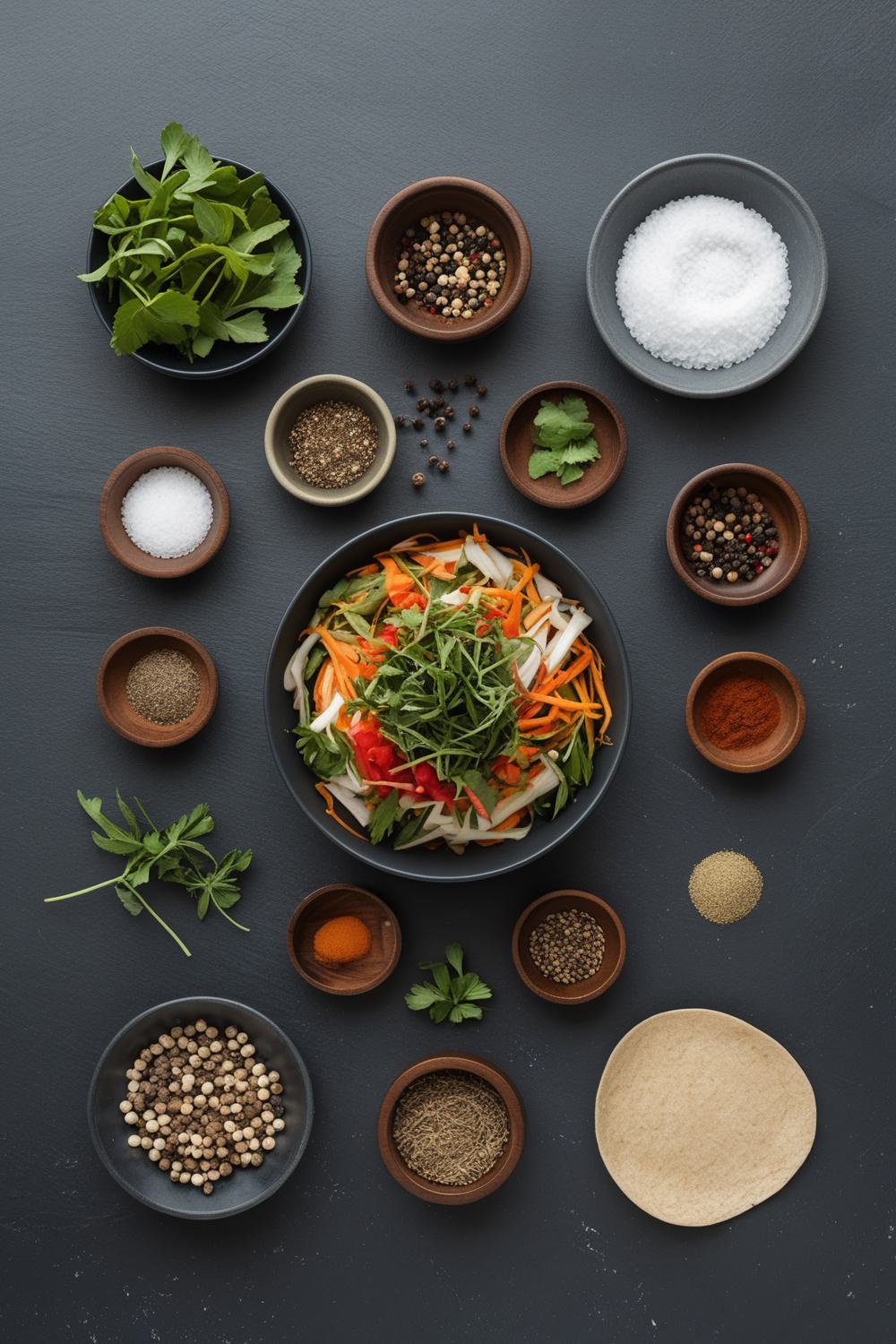
For gluten-free needs, tamari replaces soy sauce. Veganize the sriracha mayo by blending soaked cashews with lime juice and chili paste. Missing daikon? Jicama offers similar water content and crunch. Maple syrup can stand in for coconut sugar but reduces caramelization—add a pinch of smoked paprika to compensate. No Maggi? Combine mushroom powder with sea salt.
Cast iron skillets yield superior tofu crusts due to even heat distribution, but non-stick pans work at medium-high heat. A mandoline ensures 1mm-thick vegetable slices for uniform pickling. Use glass jars for pickling—metal reacts with vinegar. A mortar-and-pestle crushes toasted baguette into coarse crumbs, mimicking traditional bread texture.
Equipment Guide
Essential tools: a 12-inch cast-iron skillet (for optimal tofu sear), bamboo tofu press (removes 40% more water than hand-pressing), and Japanese mandoline (1mm julienne setting). Cast iron’s heat retention prevents temperature drops when adding tofu, while a carbon-steel wok excels for quick-pickling. Avoid plastic containers for pickling—glass preserves acidity levels.
Step-by-Step Walkthrough
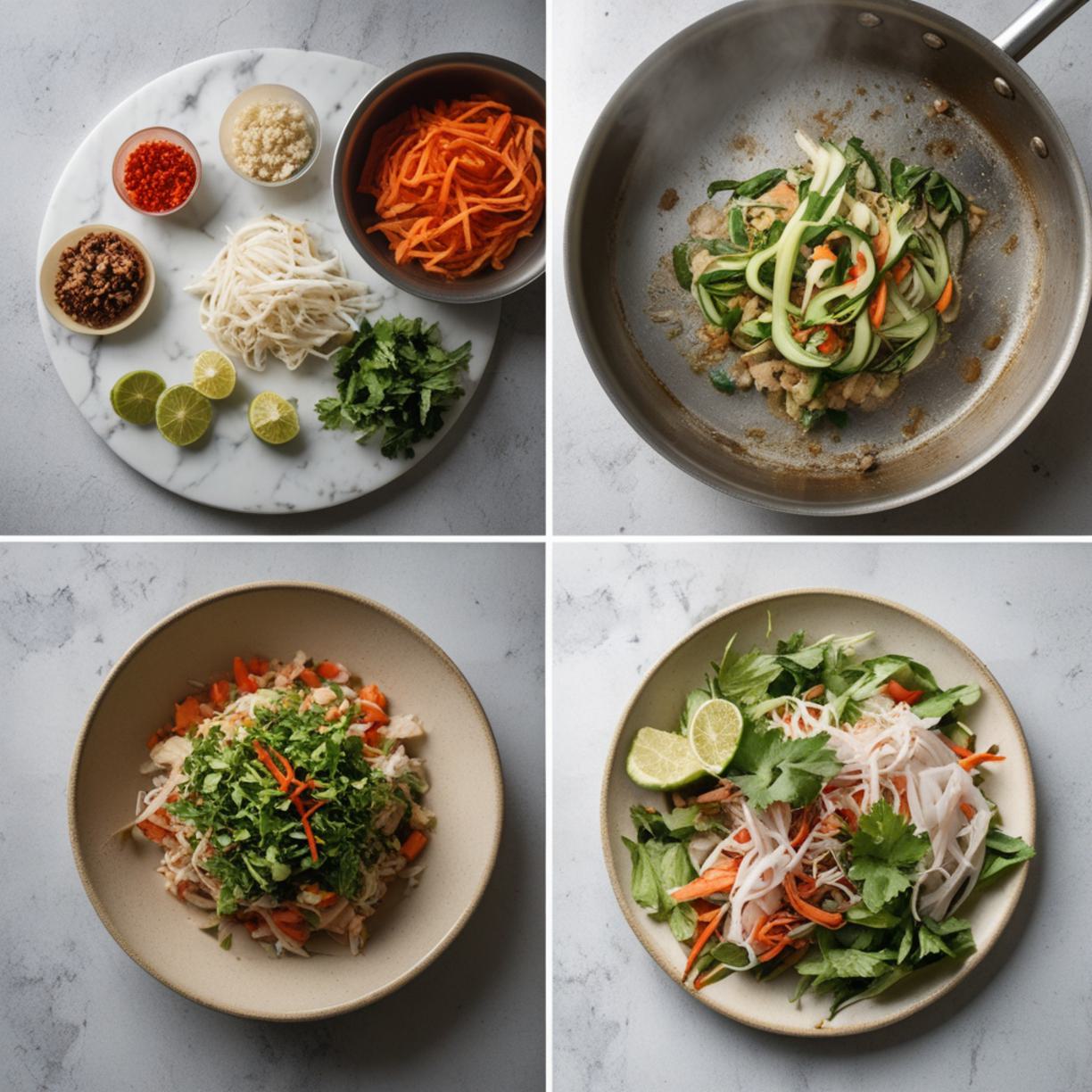
- Press tofu for 30 minutes; slice into 2cm cubes.
- Marinate in soy sauce, lime zest, and grated ginger for 20 minutes.
- Quick-pickle daikon, carrots, and onion in rice vinegar brine.
- Sear tofu in smoked sesame oil until edges carbonize.
- Blitz sriracha, coconut yogurt, and lime juice for mayo.
- Layer cilantro rice, pickles, avocado, tofu, herbs, and crumbs.
Pro Technique 1: Dry tofu thoroughly before marinating—surface moisture inhibits browning. Pat with linen towels, not paper, to avoid fiber residue.
Pro Technique 2: Add 1 tsp baking soda to pickling liquid. Alkalinity accelerates cell wall breakdown, cutting brine time by half.
Pro Technique 3: Toss hot tofu in 1 tsp cornstarch post-searing. Residual heat creates a glass-like crust as starch gelatinizes.
Expert Tips & Troubleshooting
Crispness Rescue: If tofu softens, re-crisp in a 200°C oven for 5 minutes on a wire rack—air circulation prevents steaming. Soggy pickles? Drain and toss with 1 tsp sugar to rebalance osmosis.
Flavor Balancing: Too acidic? Stir ½ tsp honey into mayo. Bland pickles? Add kombu to brine for savory depth. Herbs wilting? Store stems in ice water until assembly.
Texture Hack: Replace cucumbers with thinly sliced kohlrabi for extra crunch. Over-salted marinade? Rinse tofu, then glaze with mirin pre-searing.
Flavor Variations
For kimchi-infused bowls, mix gochujang into mayo and add fermented cabbage. Kids prefer milder versions: omit chilies, swap daikon for apple matchsticks. Thai-inspired? Add lemongrass to marinade and top with crushed peanuts. Smoky variation: grill tofu over charcoal and dust with nori flakes.
Storage & Reheating
Store components separately for up to 3 days. Pickles last 2 weeks refrigerated. Reheat tofu in an air-fryer at 180°C for 4 minutes to restore crispness. Assembled bowls don’t reheat well—herbs turn muddy.
FAQ Section
Can I freeze the tofu? Yes—freeze marinated tofu raw; ice crystals create porous texture that absorbs sauces better when thawed.
Is agave suitable for pickling? Avoid—its low pH interferes with preservation. Stick to granulated sugars.
How to make it nut-free? Replace cashew mayo with sunflower seed cream blended with miso.
Best rice substitute? Quinoa or cauliflower rice—both absorb dressings well without sogginess.
The Recipe Card
A vibrant deconstructed Banh Mi with crispy soy-glazed tofu, tangy pickled vegetables, and coconut-chili mayo over jasmine rice. Ready in 45 minutes. Serves 4.
Nutrition Information
| Nutrient | Per Serving |
|---|---|
| Calories | 480 |
| Protein | 22g |
| Carbohydrates | 54g |
| Fiber | 8g |
Disclaimer: Nutritional data estimates vary based on substitutions and ingredient brands.