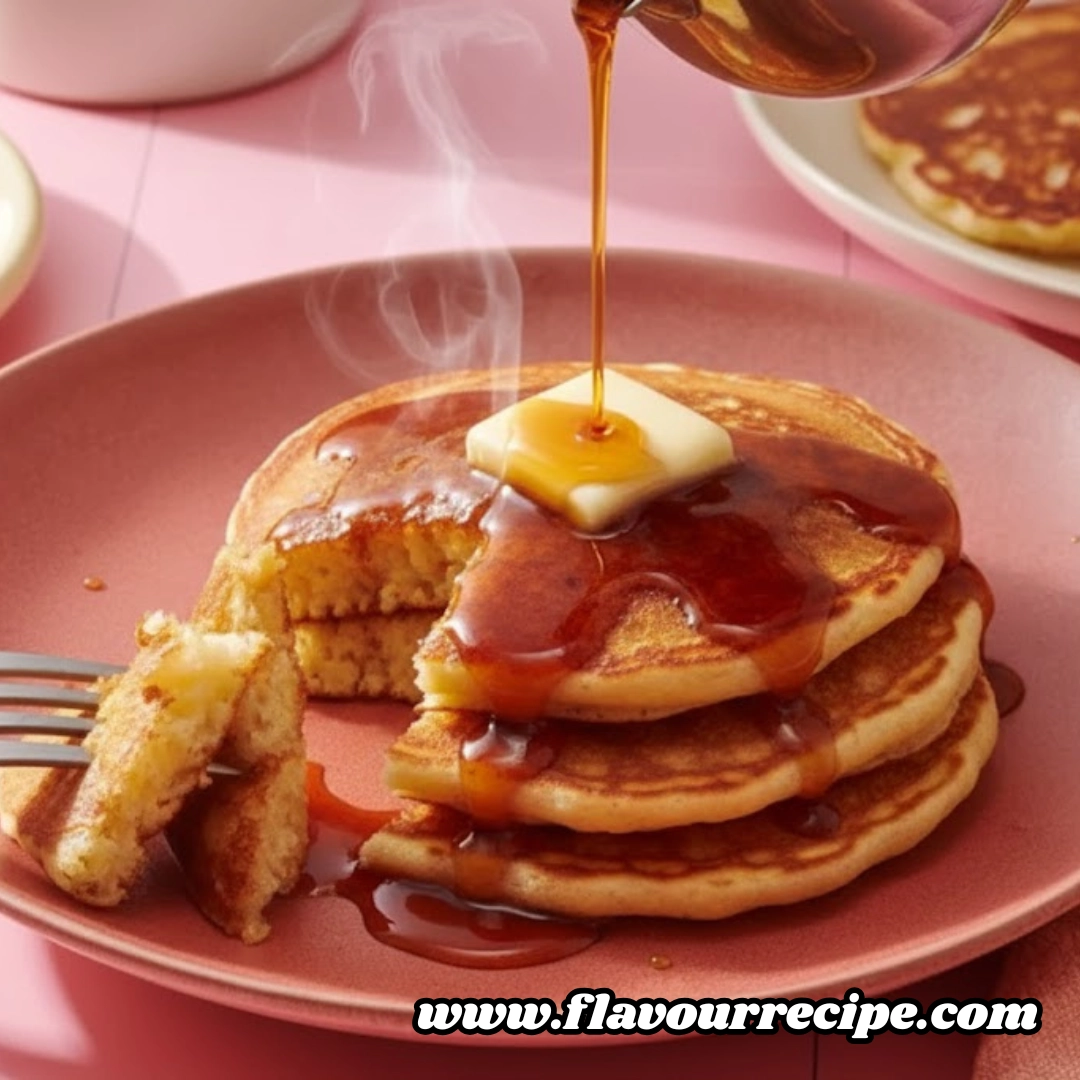
There is something deeply nostalgic and comforting about the smell of a warm griddle on a Saturday morning. While many of us grew up with the convenience of a yellow box of pre-mixed batter, nothing quite compares to the pillowy, cloud-like texture of fluffy pancakes made entirely from scratch. This particular recipe is a masterpiece of pantry science, utilizing a clever “sour milk” technique that mimics the tang and lift of buttermilk without requiring a special trip to the grocery store. Whether you are feeding a hungry family or simply treating yourself to a slow morning, these pancakes offer a golden, buttery exterior and an airy center that practically melts into a pool of maple syrup.
Table of Contents
Essential Ingredients for the Perfect Stack
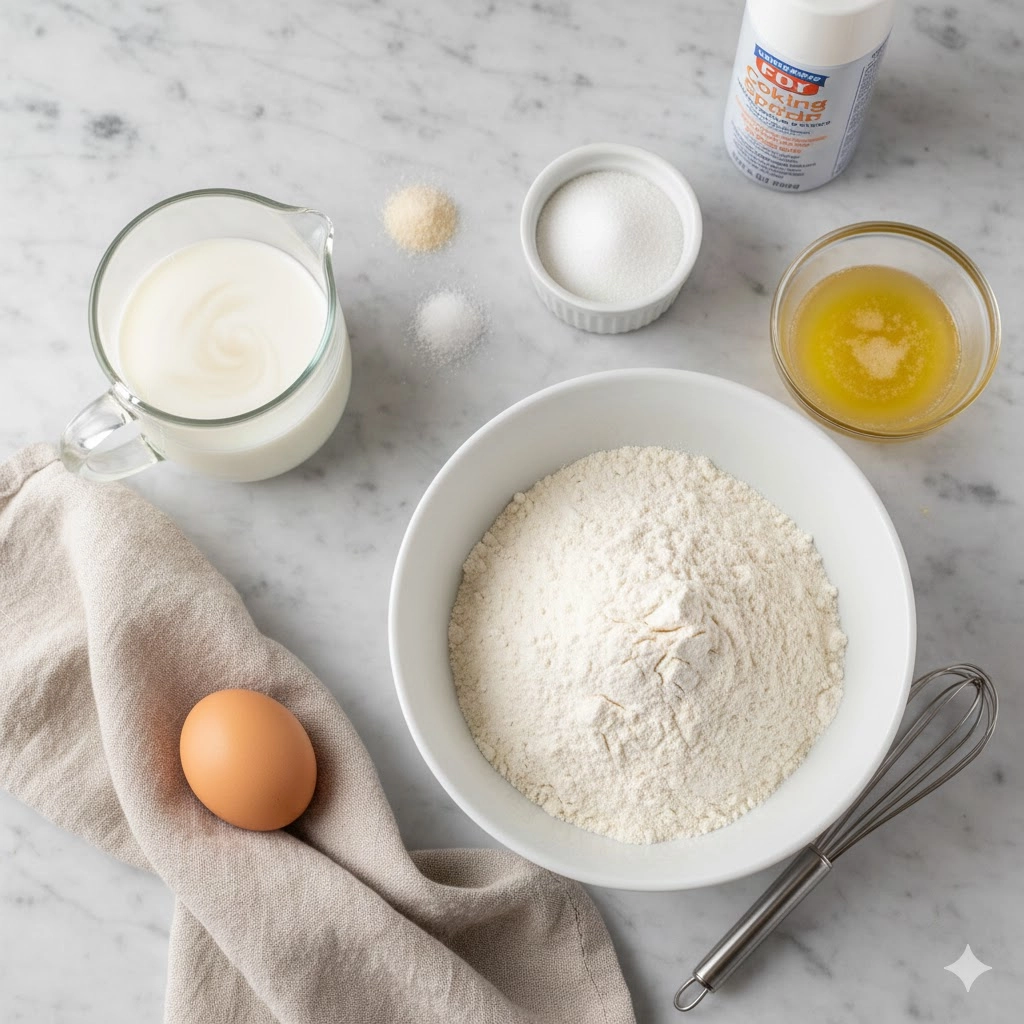
To achieve that signature height and tenderness, you will need a few basic staples. These ingredients work in harmony to create a chemical reaction that ensures your breakfast is never flat or rubbery.
- three quarters cup milk
- two tablespoons white vinegar
- one cup all-purpose flour
- two tablespoons white sugar
- one teaspoon baking powder
- one half teaspoon baking soda
- one half teaspoon salt
- one egg
- two tablespoons butter, melted
- cooking spray
Primary Preparation Instructions
- Gather all your ingredients together on your workspace to ensure a smooth cooking process.
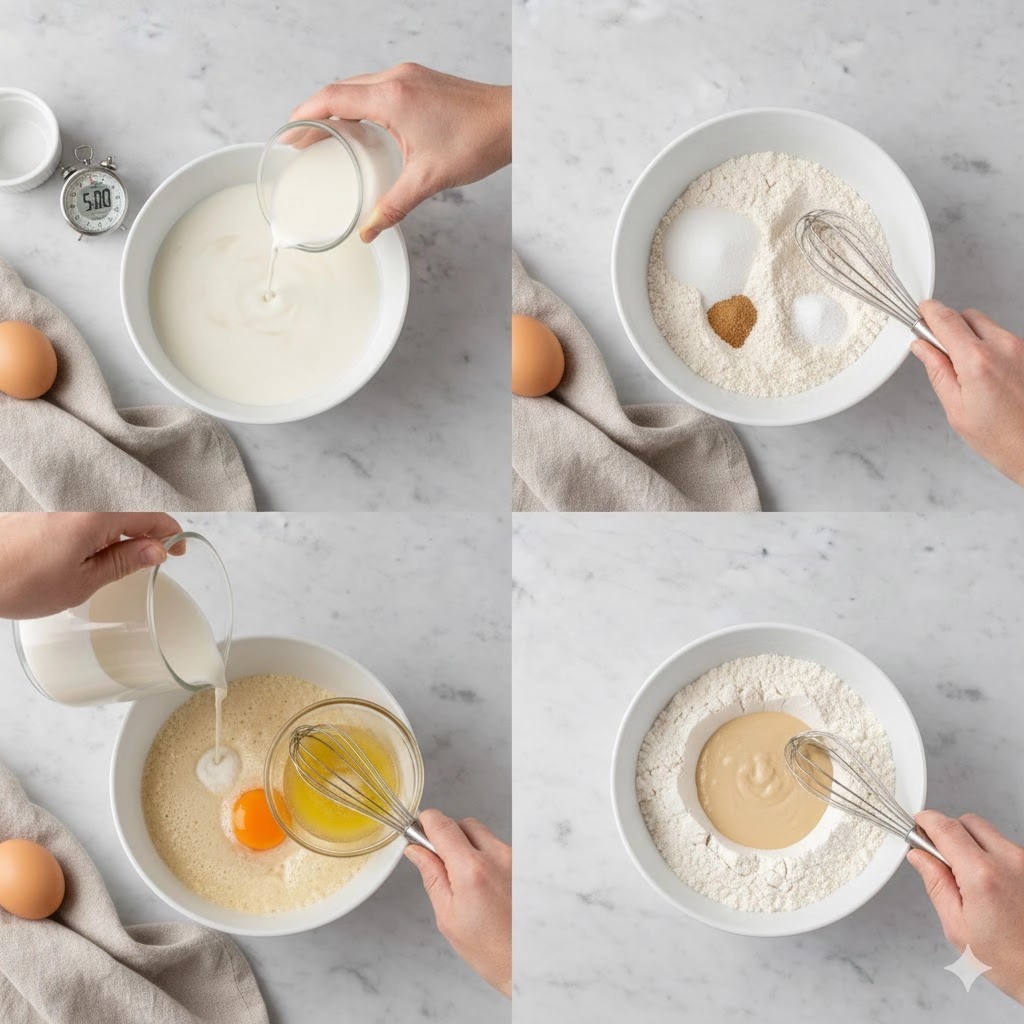
- In a medium-sized bowl, combine the milk and the white vinegar. Set this mixture aside for at least five minutes. This process creates “sour milk,” which is the secret to a tender crumb.
- In a separate large mixing bowl, whisk together the all-purpose flour, white sugar, baking powder, baking soda, and salt until well combined.
- Once the milk has sat for five minutes, whisk the egg and the melted butter into the soured milk mixture.
- Create a well in the center of your dry ingredients and pour in the milk mixture. Whisk the batter steadily until the large lumps have disappeared, being careful not to over-mix.
- Place a large skillet or griddle over medium heat and coat the surface lightly with cooking spray.
- Pour the batter onto the hot skillet in one quarter cup increments.
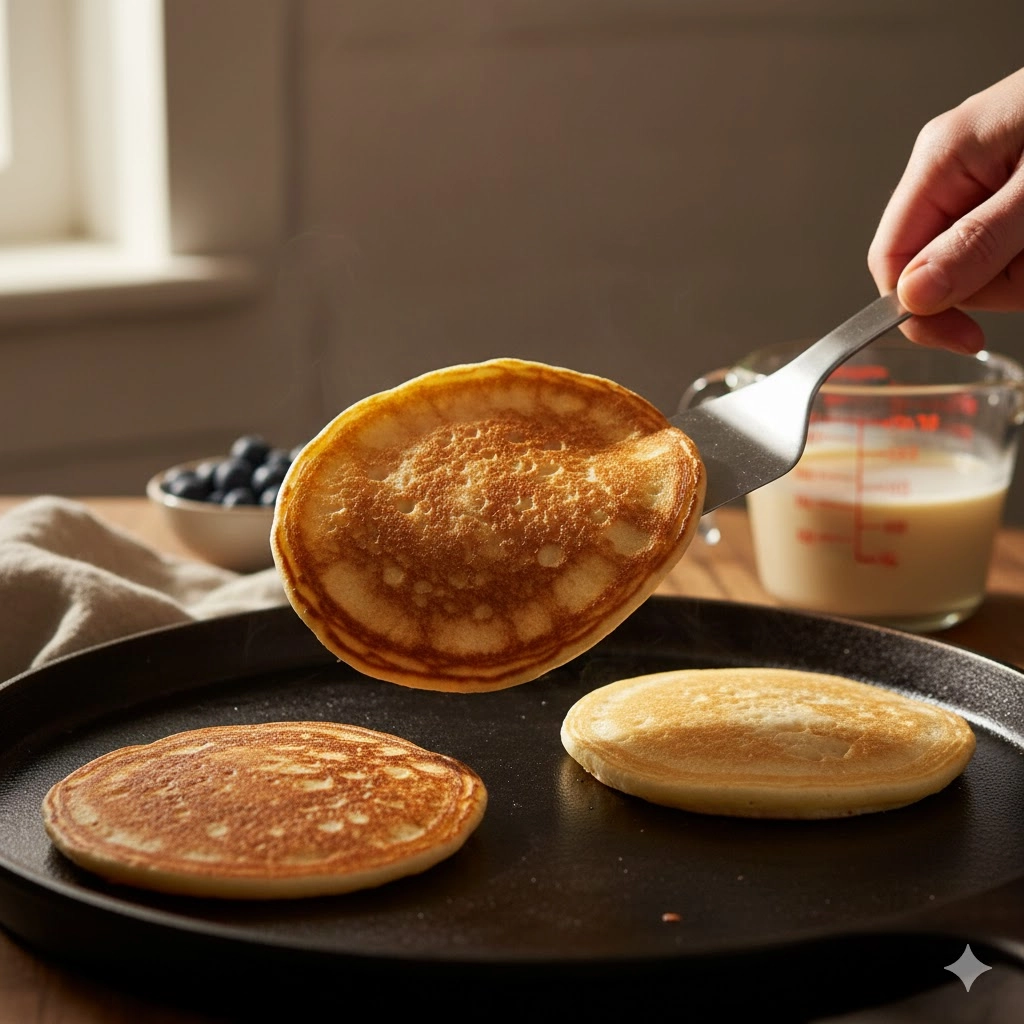
- Cook each pancake until bubbles begin to form on the surface and the edges appear dry and set, which usually takes about two to three minutes.
- Flip the pancake carefully with a spatula and continue cooking until the underside is a beautiful golden brown. Repeat the process with the remaining batter.
Masterful Accompaniments and Serving Suggestions
A stack of fluffy pancakes is a blank canvas for culinary creativity. While a simple pat of salted butter and a generous pour of pure maple syrup is the gold standard, there are endless ways to elevate this breakfast staple. For a classic American diner feel, serve these alongside crispy strips of thick-cut bacon or savory breakfast sausage links. The salty-sweet contrast is a timeless flavor profile that never fails to satisfy.
If you prefer a lighter, fruit-forward approach, consider topping your stack with a handful of fresh blueberries, sliced strawberries, or raspberries. A dusting of powdered sugar adds a touch of elegance, while a dollop of homemade whipped cream can turn a standard breakfast into a celebratory brunch. For those who enjoy a bit of crunch, toasted pecans or walnuts provide a wonderful textural contrast to the soft, airy interior of the pancake. You might even consider a drizzle of warmed honey or a spoonful of lemon curd for a sophisticated twist on the traditional syrup topping.
Deep Dive Into the Cooking Process
Understanding the “why” behind each step of this recipe is the key to mastering the art of the pancake. The first and perhaps most critical step is the creation of the sour milk. When you combine the white vinegar with the milk, the acid in the vinegar begins to denature the milk proteins, causing it to slightly thicken and curdle. This acidity is vital because it reacts with the baking soda later in the recipe. This reaction produces carbon dioxide gas, which gets trapped in the batter and creates the tiny air pockets responsible for the “fluffy” designation.
When you move on to the dry ingredients, whisking them thoroughly is about more than just mixing; it’s about aeration. By lifting the flour and leavening agents with a whisk, you ensure that the baking powder and baking soda are evenly distributed. This prevents “hot spots” where one pancake might rise too much while another stays flat.
The integration of the wet and dry ingredients is the moment of truth. You want to whisk until the large, floury lumps are gone, but a few tiny lumps are actually a good thing. Over-whisking develops the gluten in the flour. While gluten is great for a chewy loaf of bread, it is the enemy of a tender pancake. If you over-work the batter, the resulting pancakes will be tough and bread-like rather than soft and delicate.
Finally, the heat management of your skillet is a skill that comes with practice. Medium heat is the “Goldilocks” zone. If the pan is too hot, the exterior will burn before the interior has a chance to rise and set. If the pan is too cool, the pancakes will sit too long, becoming heavy and absorbing too much grease. You will know you have reached the perfect temperature when a drop of water flicked onto the surface dances and sizzles before evaporating.
Understanding Modifications and Substitutions
While the original recipe is perfected for classic results, modern kitchens often require a bit of flexibility. If you find yourself without white vinegar, you can achieve the same acidic reaction using an equal amount of lemon juice. This will impart a very faint citrus note that pairs beautifully with fresh berries. For those who prefer a richer flavor, you can substitute the “sour milk” mixture with an equal amount of real buttermilk, which provides a thicker consistency and a more pronounced tang.
If you are looking to adjust the fat content, the melted butter can be replaced with an equal amount of neutral-tasting oil, such as vegetable or canola oil. While butter provides a superior flavor and helps in browning the edges, oil can sometimes result in an even softer crumb. For a slightly different sweetener profile, you could swap the white sugar for honey or maple syrup directly in the batter, though you should be mindful that liquid sweeteners may cause the pancakes to brown more quickly on the griddle.
Scientific Insights for Pancake Excellence
The chemistry of a pancake is a delicate balance of hydration and leavening. The use of both baking powder and baking soda in this recipe is a deliberate choice. Baking powder is a complete leavening agent, meaning it contains both an acid and a base that react when moistened and again when heated. The baking soda, however, requires an external acid—in this case, our vinegar-soured milk—to activate. This double-pronged approach to leavening ensures maximum lift.
Another scientific factor is the “rest.” While the recipe allows you to cook immediately, letting the batter sit for just three to five minutes after mixing allows the flour to fully hydrate. This brief pause also allows the gluten that was activated during mixing to relax, which further guarantees a tender texture. You will actually see the batter start to grow tiny bubbles as it sits; this is a sign that the leavening agents are already hard at work before they even hit the heat.
When it comes to the skillet, the choice of fat matters. Using cooking spray provides a very thin, even coating that prevents sticking without frying the pancake. However, if you prefer those crispy, lacy edges often found in country-style cooking, you can use a small amount of additional butter in the pan. Just be sure to wipe the pan out between batches to prevent the residual butter from burning and turning bitter.
Frequently Asked Questions
How do I prevent my pancakes from being raw or doughy in the center?
This is almost always a result of the heat being set too high. When the skillet is too hot, the outside of the pancake sears and browns rapidly, leading you to believe it is finished. However, the heat hasn’t had enough time to penetrate to the center of the batter to cook the egg and set the flour. To fix this, lower your burner to medium-low and allow the pancakes a longer, slower cook time.
Can I prepare this batter in advance for a faster morning?
Because this recipe relies on the immediate chemical reaction between the acidic milk and the baking soda, it is best used within thirty minutes of mixing. If the batter sits for too long, the carbon dioxide bubbles will escape, and your pancakes will lose their signature fluffiness. If you must prep ahead, whisk the dry ingredients together in a jar and store them in the pantry, then simply add the wet ingredients when you are ready to cook.
Why are my pancakes not browning evenly?
Uneven browning usually occurs because the pan isn’t heating evenly or because there is too much oil or butter pooled in certain areas. For a perfectly uniform, golden-brown surface, ensure your skillet has a heavy bottom for better heat distribution and use a paper towel to wipe a very thin, even layer of oil or spray across the surface rather than leaving droplets.
How can I keep the first batch warm while I finish the rest of the batter?
Never stack hot pancakes directly on top of each other while waiting to serve, as the steam will make them soggy. Instead, preheat your oven to two hundred degrees Fahrenheit and place a wire cooling rack on top of a baking sheet. As the pancakes come off the griddle, place them in a single layer on the rack in the oven. This allows air to circulate around them, keeping them warm and crisp until the whole family is ready to eat.
Beyond the Basics: Enhancing Your Breakfast
Once you have mastered the foundational fluffy pancake, you can begin to experiment with “add-ins” to customize your meal. To ensure even distribution, it is often better to sprinkle your additions—like chocolate chips, blueberries, or cinnamon sugar—directly onto the wet batter once it has been poured onto the griddle, rather than stirring them into the large bowl. This prevents the fruit from sinking to the bottom of the bowl and ensures every pancake gets an equal amount of goodies.
Another pro-level move is to play with the aromatics. A teaspoon of pure vanilla extract or a pinch of ground cinnamon added to the wet ingredients can add a layer of complexity and warmth that makes the pancakes taste like they came from a high-end bistro. For a festive touch, some cooks even add a bit of citrus zest to the sugar before mixing it into the flour, releasing the essential oils and scenting the entire kitchen.
A Final Thought on Breakfast Mastery
Creating the perfect stack of pancakes is a simple joy that bridges the gap between science and soul food. By honoring the measurements and the specific sequence of combining ingredients, you transform basic pantry items into a breakfast that feels like a celebration. These pancakes are more than just a meal; they are a reason to slow down, pour another cup of coffee, and enjoy the company of those around your table. Once you see the height and feel the lightness of this particular recipe, the boxed mixes will likely become a thing of the past in your household.
Nutritional Information and Profile
This recipe provides a balanced start to the day, offering a blend of carbohydrates for energy and a bit of protein from the egg and milk.
Nutrition Table
| Nutrient | Amount Per Serving |
| Calories | 230 |
| Total Fat | 8 grams |
| Saturated Fat | 5 grams |
| Cholesterol | 65 milligrams |
| Sodium | 650 milligrams |
| Total Carbohydrate | 33 grams |
| Dietary Fiber | 1 gram |
| Total Sugars | 9 grams |
| Protein | 6 grams |
| Calcium | 134 milligrams |
| Iron | 2 milligrams |
| Potassium | 121 milligrams |
Nutritional Disclaimer
The nutritional information provided is an estimate based on standard ingredient data. Actual values may vary depending on specific brands used or modifications made to the recipe. If you have specific dietary concerns or are following a medically restrictive diet, please consult with a healthcare professional or a registered dietitian.
PrintThe Ultimate Secret to Homemade Fluffy Pancakes
This classic homemade fluffy pancake recipe uses a clever sour-milk technique to create the light, airy texture of your dreams. Perfect for weekend mornings with plenty of butter and syrup.
- Prep Time: 10 mins
- Cook Time: 10 mins
- Total Time: 25 mins
- Yield: 8 pancakes 1x
- Category: Breakfast
- Method: Griddle
- Cuisine: American
- Diet: Vegetarian
Ingredients
three quarters cup milk
two tablespoons white vinegar
one cup all-purpose flour
two tablespoons white sugar
one teaspoon baking powder
one half teaspoon baking soda
one half teaspoon salt
one egg
two tablespoons butter, melted
cooking spray
Instructions
1. Gather all ingredients and set out your workspace.
2. Combine milk and vinegar in a medium bowl and set aside for five minutes to make sour milk.
3. Combine flour, sugar, baking powder, baking soda, and salt in a large mixing bowl.
4. Whisk egg and butter into the soured milk mixture.
5. Pour the flour mixture into the milk mixture and whisk until the large lumps are gone.
6. Heat a large skillet over medium heat and coat it with cooking spray. Pour one quarter cupfuls of batter onto the skillet.
7. Cook until bubbles form and the edges are dry, about two to three minutes.
8. Flip with a spatula and cook until browned on the other side. Repeat with remaining batter.
Notes
Let the batter rest for 5 minutes before cooking for maximum fluffiness.
Use a heavy-bottomed skillet for even heat distribution.
Keep pancakes warm in a 200 degree Fahrenheit oven while finishing the batch.
Nutrition
- Serving Size: 2 pancakes
- Calories: 230
- Sugar: 9g
- Sodium: 650mg
- Fat: 8g
- Saturated Fat: 5g
- Unsaturated Fat: 2g
- Trans Fat: 0g
- Carbohydrates: 33g
- Fiber: 1g
- Protein: 6g
- Cholesterol: 65mg