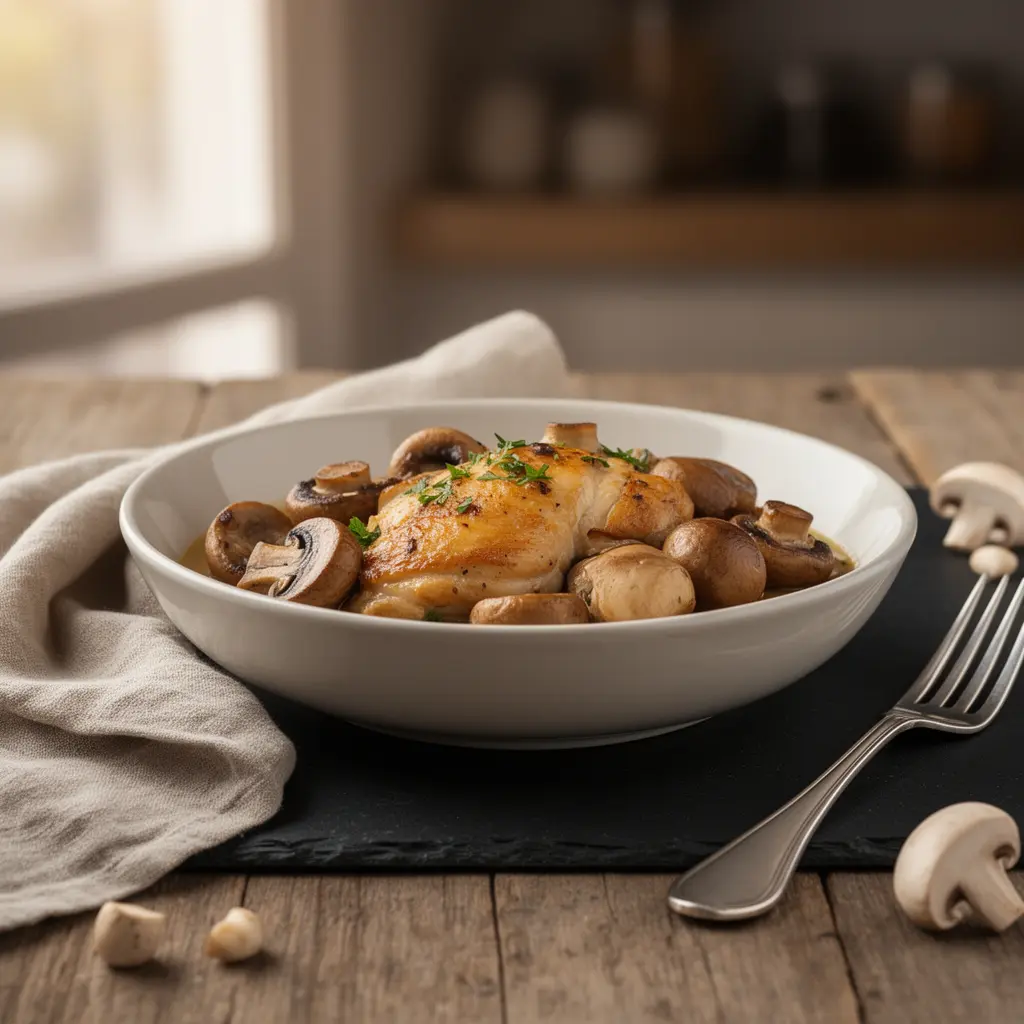
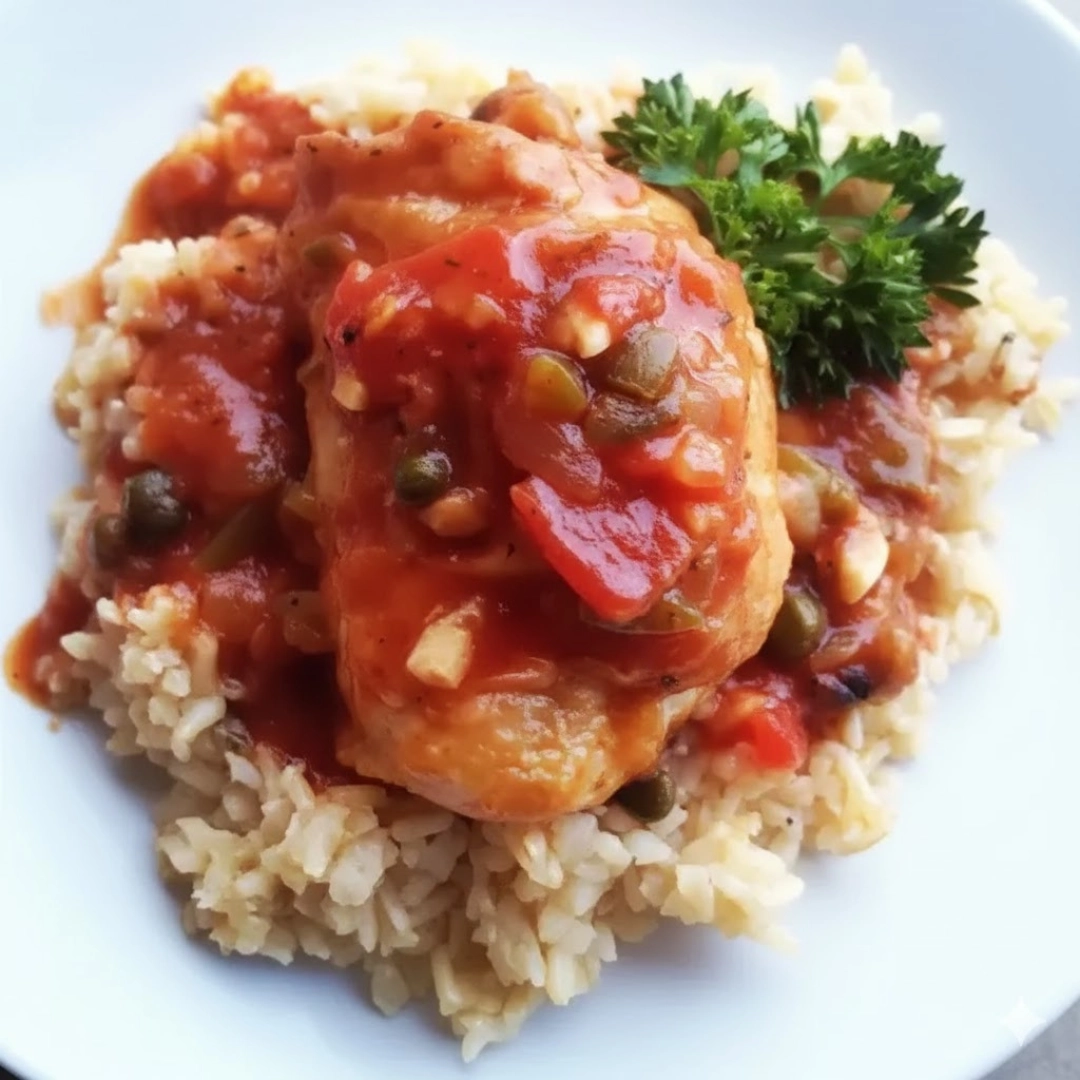
This version of the Italian classic, often referred to as Ellen’s Chicken Cacciatore, focuses on building layers of deep flavor through a slow simmering process. Unlike lighter poultry dishes, cacciatore thrives on the combination of earthy mushrooms, aromatic herbs, and a surprising brightness from citrus. It is a robust meal that traditionally sustained hunters, and today it remains a staple for those seeking a hearty, sauce-heavy dinner. The balance of acidity from white wine and tomatoes ensures the chicken stays succulent while the vegetables soften into a rich, savory base.
Whether you are hosting a Sunday family gathering or preparing a meal that tastes even better as leftovers the next day, this dish offers a sophisticated profile without requiring overly complex techniques. It relies on the quality of the sear and the patience of the simmer to transform simple pantry staples into a Mediterranean masterpiece.
Table of Contents
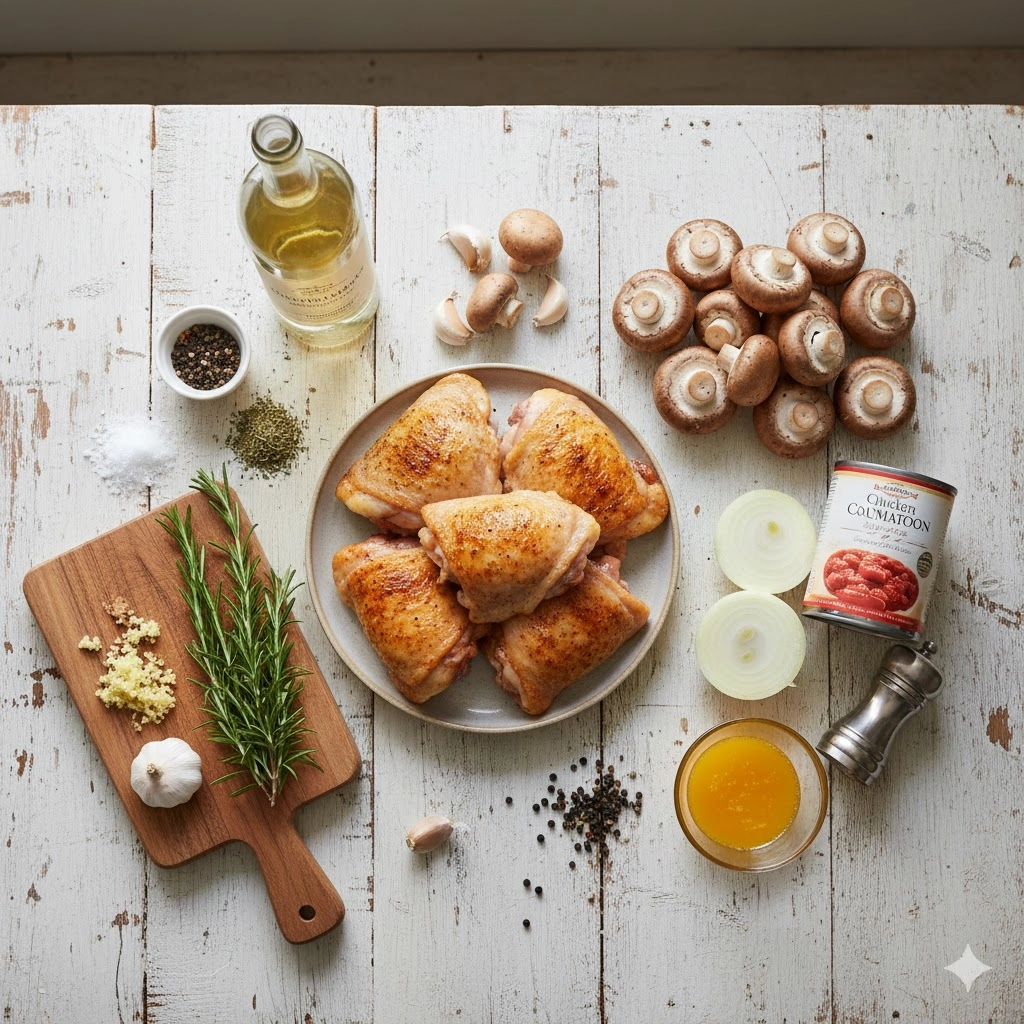
Necessary Ingredients
For the Chicken Base:
- Eight bone-in, skin-on chicken thighs (approximately three pounds)
- Two tablespoons extra-virgin olive oil
- One teaspoon sea salt
- Half teaspoon freshly cracked black pepper
For the Aromatic Sauce:
- One large yellow onion, thinly sliced into half-moons
- Eight ounces cremini or white button mushrooms, sliced
- Four cloves garlic, finely minced
- One can (twenty-eight ounces) crushed tomatoes or whole peeled tomatoes crushed by hand
- Half cup dry white wine, such as Pinot Grigio or Sauvignon Blanc
- One quarter cup fresh orange juice
- Two sprigs fresh rosemary, leaves removed and minced
- One teaspoon dried oregano
Cooking Method
- Warm the olive oil in a wide, heavy-bottomed skillet over medium heat.
- Sear the chicken thighs on both sides until the skin is golden and crisp, then transfer them to a side plate.
- Sauté the onions and mushrooms in the remaining fat until they are tender and slightly browned.
- Introduce the garlic to the pan, stirring constantly for about sixty seconds until fragrant.
- Deglaze the skillet with white wine, scraping up any browned bits from the bottom.
- Incorporate the tomatoes, orange juice, rosemary, salt, and pepper into the mixture.
- Nestle the seared chicken back into the sauce along with any resting juices.
- Bring the liquid to a gentle boil, then cover and reduce the heat to medium-low.
- Simmer the mixture for thirty-five to forty minutes until the meat is fully tender.

Detailed Culinary Steps and Sensory Cues
Achieving the Gold Standard Sear
The foundation of a great Ellen’s Chicken Cacciatore begins with the Maillard reaction. Ensure your chicken is patted dry with paper towels before hitting the oil. If the meat is damp, it will steam rather than sear. Place the thighs skin-side down and do not move them for at least five minutes. You are looking for a deep mahogany color and a skin texture that feels firm to the touch. Once flipped, the second side only needs a few minutes to lock in the juices. The chicken will not be cooked through at this stage; it is purely about color and fat rendering.
Developing the Vegetable Base
After removing the chicken, the skillet will have a layer of rendered fat and juices. Add the onions and mushrooms here. The mushrooms act like sponges, first absorbing the oil and then releasing their own moisture. Resist the urge to salt them immediately; let them brown first. You will know they are ready when the onions turn translucent and the mushrooms have shrunk by about thirty percent and taken on a glossy, dark hue. When you add the garlic, watch it closely. It should turn pale gold; if it turns dark brown or black, it will impart a bitter taste to the entire sauce.
The Deglazing and Simmering Phase
Pouring in the white wine serves a dual purpose: it adds acidity and lifts the “fond” (the caramelized bits) from the pan. Use a wooden spoon to scrape the bottom thoroughly. When you add the tomatoes and orange juice, the kitchen should smell bright and herbaceous. Returning the chicken to the pan is a delicate process—try to keep the skin slightly above the liquid line if you want to retain some of its texture, though in a traditional cacciatore, the skin often softens as it braises. The simmer should be low and slow; look for small, lazy bubbles rather than a rolling boil.
Professional Tips for Success
- The Resting Period: If time allows, let the finished dish sit off the heat with the lid on for sixty minutes before reheating. This allows the proteins in the chicken to relax and the sauce to thicken and “marry” its flavors.
- Wine Selection: Avoid “cooking wines” sold in grocery stores which often contain excess sodium. Use a wine you would actually enjoy drinking; a crisp, unoaked white works best.
- Acid Balance: If your tomatoes are particularly acidic, a tiny pinch of sugar can balance the sauce, though the orange juice in this recipe usually handles that naturally.
- Mushroom Variety: For a meatier texture, use Portobello mushrooms cut into thick chunks instead of standard buttons.
- Skin Management: If you prefer very crispy skin, you can remove the skin before simmering or finish the chicken under a broiler for two minutes just before serving.
- Herb Freshness: While dried oregano is fine, always try to use fresh rosemary. The oils in fresh rosemary are much more resilient during a long simmer.
Recipe Variations
- Red Wine Swap: For a heavier, more rustic flavor profile, replace the white wine with a medium-bodied red like Chianti or Merlot. This will turn the sauce a deep burgundy color.
- Bell Pepper Addition: Many traditional versions include sliced red and green bell peppers. Add these at the same time as the onions for extra sweetness and color.
- Pantry Heat: If you enjoy a spicy kick, add half a teaspoon of crushed red pepper flakes when sautéing the garlic.
- Olive and Caper Finish: To lean into a more Mediterranean salty profile, stir in a handful of halved Kalamata olives and a tablespoon of drained capers during the last ten minutes of simmering.
Ideal Serving Recommendations
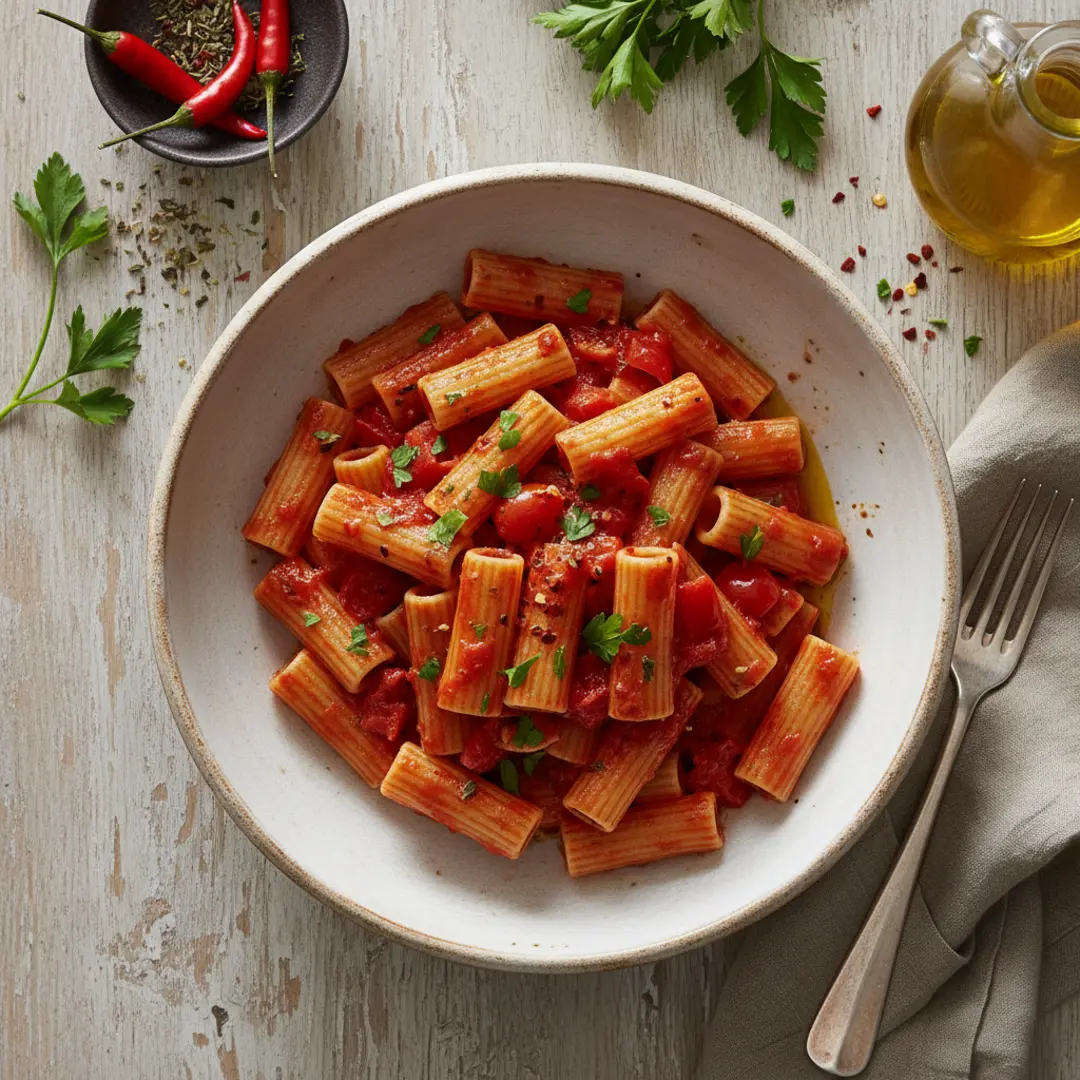
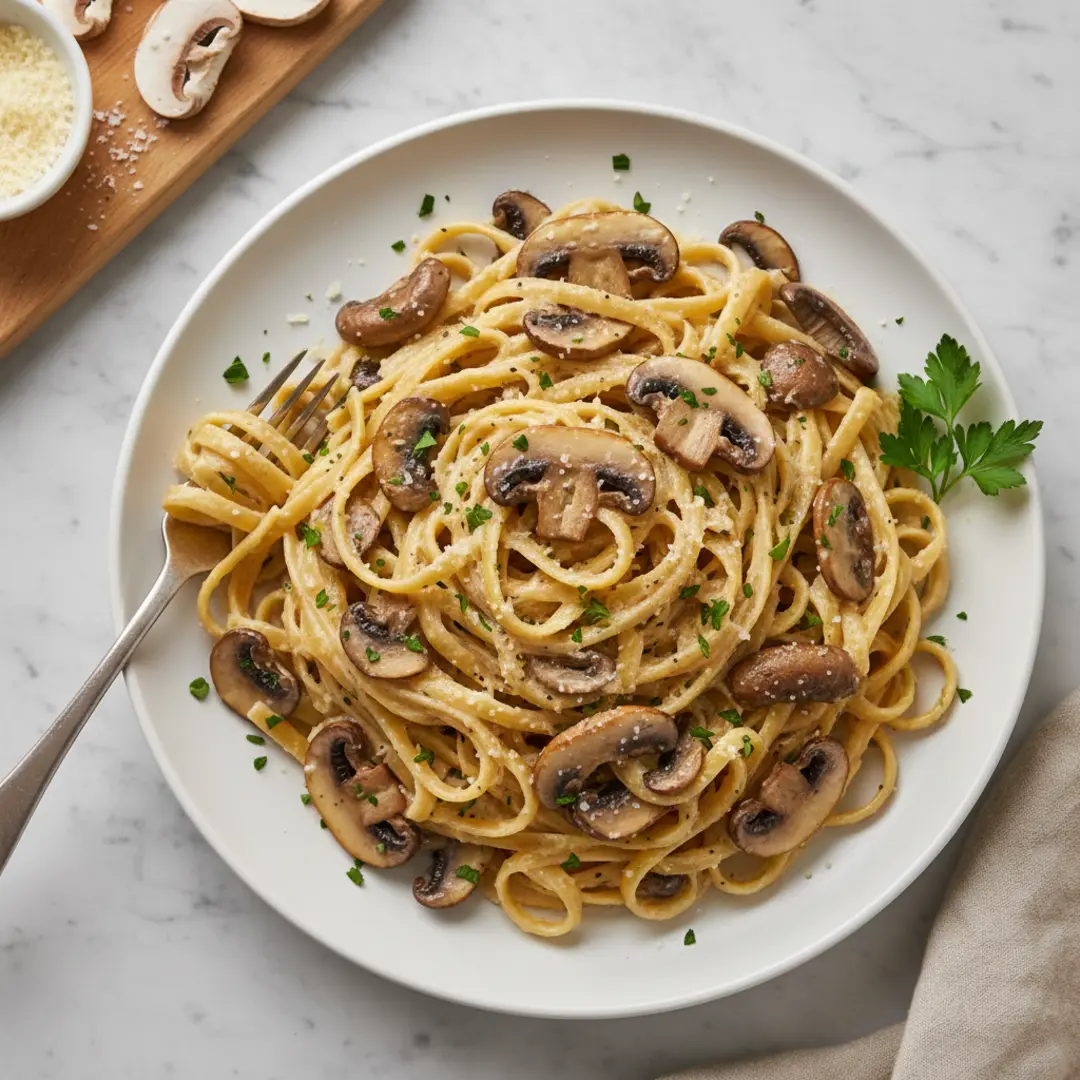
This dish produces a generous amount of savory sauce that begs to be soaked up. A bed of fluffy basmati rice is an excellent unconventional pairing that absorbs the tomato base perfectly. For a more traditional Italian approach, serve the chicken over wide noodles like pappardelle or alongside a mound of creamy polenta.
A side of crusty Italian bread, warmed in the oven at three hundred Fahrenheit, is essential for cleaning the plate. To balance the richness of the braise, a simple green salad with a sharp lemon vinaigrette or a classic Caesar salad provides a necessary crisp contrast.
Frequently Asked Questions
Can I use chicken breasts instead of thighs?
Chicken breasts can be used, but they are much leaner and prone to drying out during a forty-minute simmer. If using breasts, reduce the simmering time to twenty or twenty-five minutes and ensure they reach an internal temperature of one hundred sixty-five Fahrenheit.
How do I store and reheat leftovers?
Store the cacciatore in an airtight container in the refrigerator for up to four days. Reheat gently in a covered skillet over medium-low heat, adding a splash of water or broth if the sauce has thickened too much in the fridge.
Is this recipe freezer-friendly?
Yes, this dish freezes exceptionally well. Allow it to cool completely before transferring to a freezer-safe bag or container. It will stay fresh for up to three months. Thaw in the refrigerator overnight before reheating.
What if I don’t want to use alcohol?
You can substitute the white wine with an equal amount of chicken broth mixed with a teaspoon of white wine vinegar or lemon juice to maintain the necessary acidity.
Nutrition Information
| Nutrient | Amount per Serving |
| Calories | 445 kcal |
| Protein | 32 g |
| Carbs | 14 g |
| Fat | 28 g |
| Fiber | 3 g |
| Sugar | 6 g |
| Sodium | 840 mg |
Disclaimer
Nutrition information is an estimate and may vary based on preparation and ingredients used.
PrintClassic Braised Chicken Cacciatore with Wine and Citrus
A flavorful and rustic Italian chicken stew braised with mushrooms, tomatoes, white wine, and a touch of orange juice for brightness.
- Prep Time: 15 mins
- Cook Time: 55 mins
- Total Time: 70 mins
- Yield: 4 servings 1x
- Category: Main Course
- Method: Stovetop Braising
- Cuisine: Italian
Ingredients
8 bone-in, skin-on chicken thighs
2 tablespoons extra-virgin olive oil
1 large yellow onion, sliced into half-moons
8 ounces cremini or white button mushrooms, sliced
4 cloves garlic, minced
28 ounces crushed tomatoes
1/2 cup dry white wine
1/4 cup fresh orange juice
2 sprigs fresh rosemary, minced
1 teaspoon salt
1/2 teaspoon black pepper
Instructions
1. In a large skillet, heat olive oil over medium heat and sear chicken thighs for 5 minutes per side until golden.
2. Remove chicken to a plate and sauté onions and mushrooms in the same skillet for 10 minutes.
3. Add garlic and cook for 1 minute until fragrant.
4. Pour in crushed tomatoes, white wine, orange juice, rosemary, salt, and pepper; stir well.
5. Return chicken and juices to the skillet and bring to a gentle boil.
6. Reduce heat to medium-low, cover, and simmer for 35 to 40 minutes until chicken is tender.
7. Let rest for 10 minutes before serving with rice or crusty bread.
Notes
Letting the sauce sit for an hour after cooking deepens the flavor.
Pairs excellently with basmati rice and a Caesar salad.
Substitute white wine with chicken broth and a teaspoon of vinegar if preferred.
Nutrition
- Serving Size: 2 thighs with sauce
- Calories: 445
- Sugar: 6g
- Sodium: 840mg
- Fat: 28g
- Saturated Fat: 7g
- Unsaturated Fat: 18g
- Trans Fat: 0g
- Carbohydrates: 14g
- Fiber: 3g
- Protein: 32g
- Cholesterol: 145mg