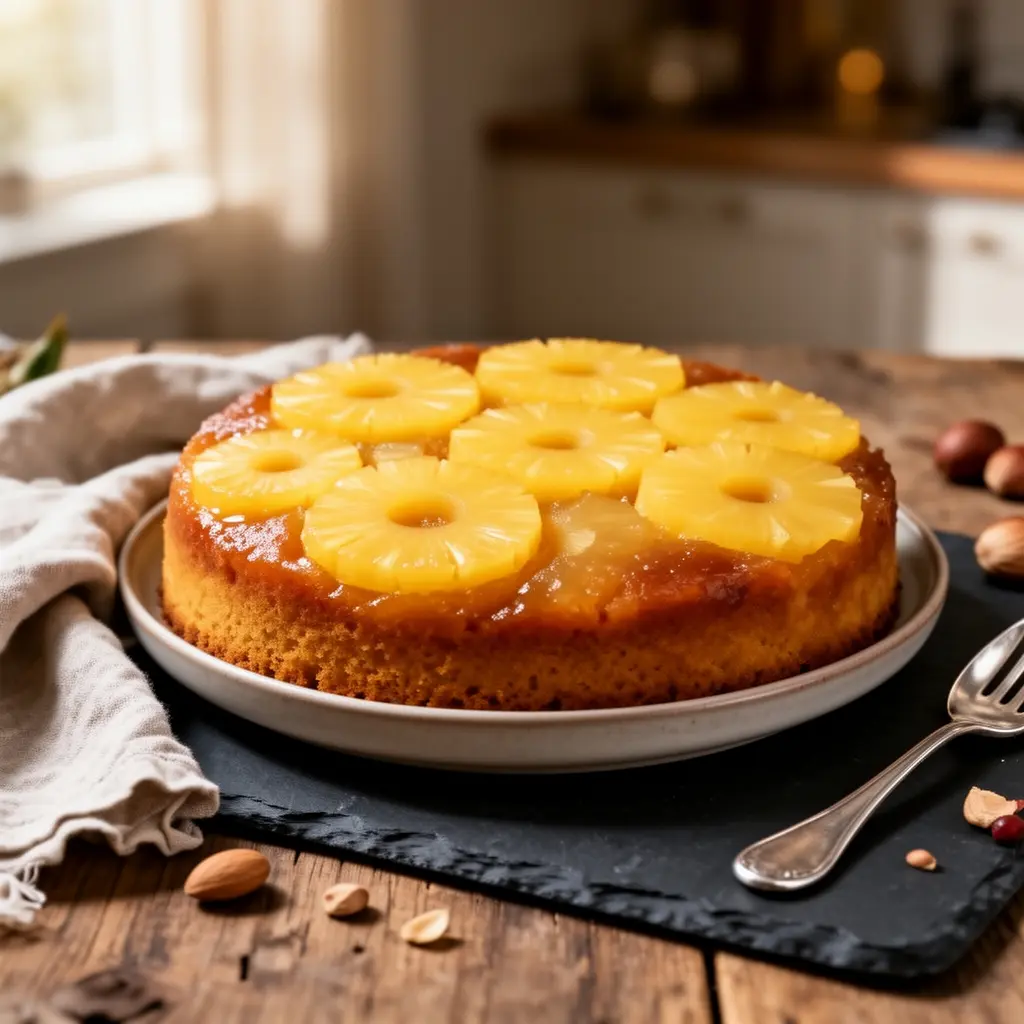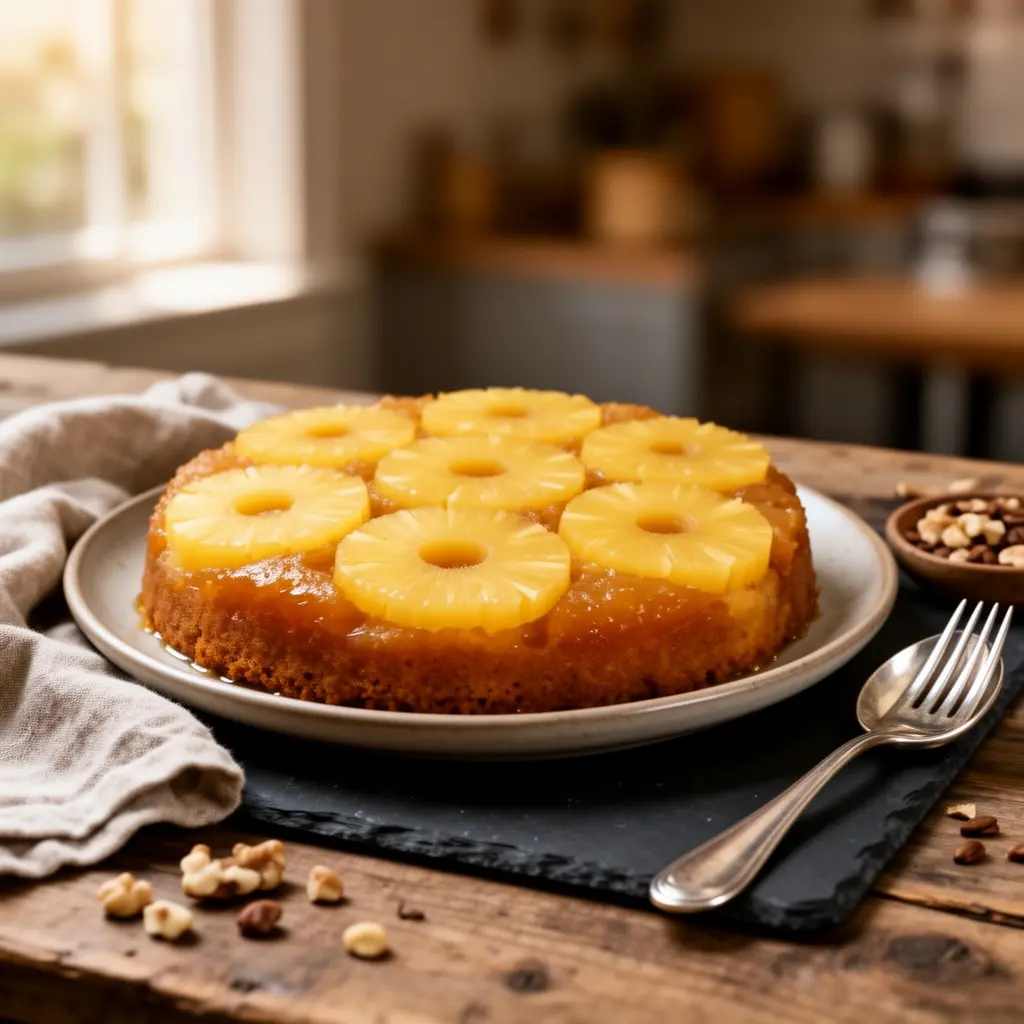
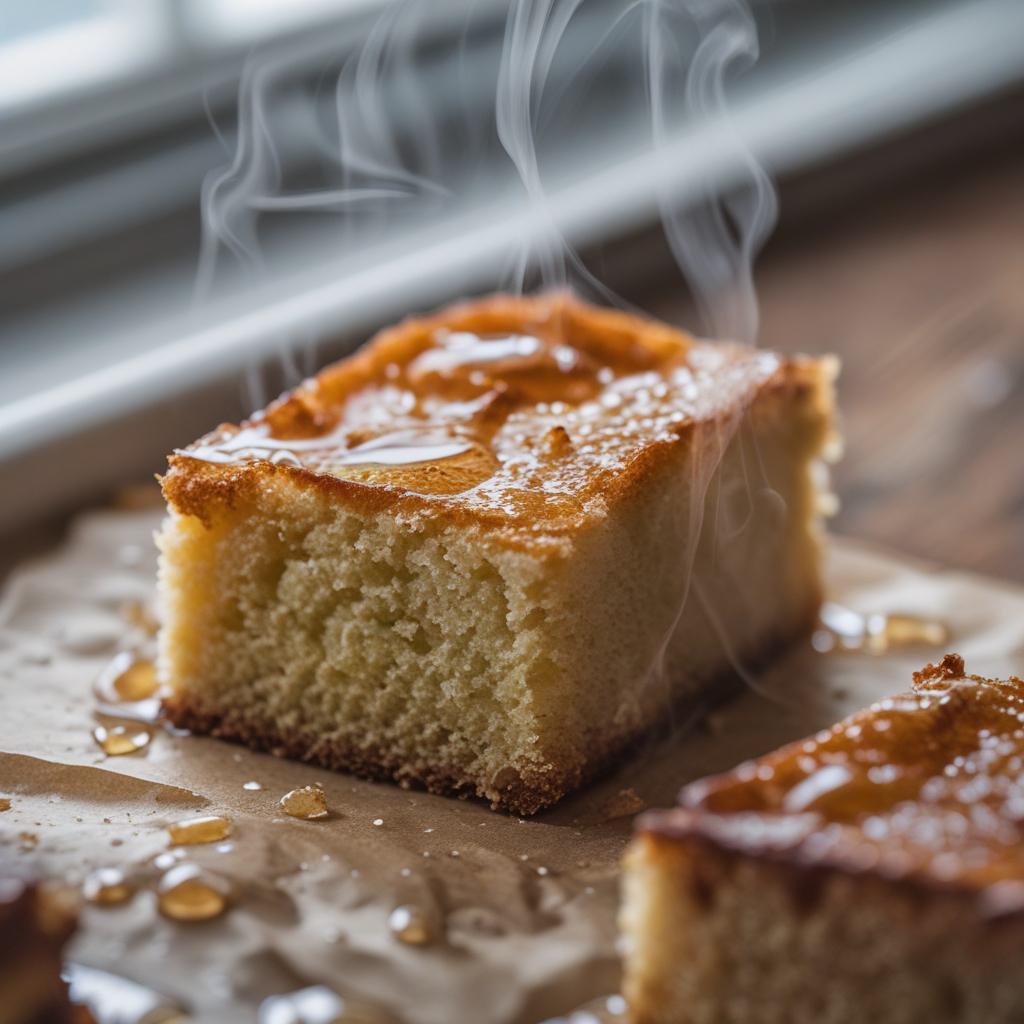
The charm of Irish Tea Cake lies in its deceptive simplicity—a humble batter infused with steeped black tea, transforming into golden-crowned perfection that whispers of peat fires and rain-lashed cottages. Picture this: butter softening on a slate counter as loose-leaf Earl Grey releases bergamot’s citrusy perfume into warm milk. Vanilla beans split lengthwise, their caviar-like seeds flecking sugar like constellations. What emerges from the oven isn’t mere dessert—it’s edible alchemy.
The cake’s crumb, tight yet tender, carries the tannic backbone of tea—not overpowering, but a subtle bass note harmonizing with sweet butter and creamy undertones. Its aroma is a time machine: one whiff conjures Dublin cafes where patrons dunk slices into steaming cups, the cake softening just enough to cling to the fork tines. Crackled top crust glistening with demerara sugar? That’s the Irish gift for elevating austerity into elegance. No ganache or fondant here—this is pastry poetry written in flour, fat, and fortitude.
Table of Contents
Ingredient Deep Dive
| Ingredient | Quantity | Purpose |
|---|---|---|
| High-fat European butter | 225g (1 cup) | Delivers moisture and creates air pockets when creamed with sugar |
| Strong-brewed black tea | 120ml (½ cup) | Infuses cake with tannins for depth and floral notes |
| Vanilla bean paste | 2 tsp | Real seeds provide superior flavor dispersion vs extract |
| Cake flour | 300g (2 ¼ cups) | Lower protein content ensures delicate texture |
| Demerara sugar (topping) | 2 tbsp | Large crystals create caramelized crunch |
Butter’s fat composition is non-negotiable—European-style butters (minimum 82% fat) emulsify better, trapping steam that lifts the batter. Tea selection matters exponentially: Assam brings malt, Darjeeling offers muscatel notes, while Ceylon gives brightness. Avoid tea bags—dusty fannings lack complexity. Instead, steep 5g loose leaves in 95°C milk for 7 minutes to extract oils without bitterness.
Cake flour’s chlorination weakens gluten strands, preventing toughness—a critical difference when baking a tea cake sans leavening agents like baking powder. The vanilla bean’s coumarin and phenolic compounds survive oven heat better than volatile extracts, maintaining flavor integrity through baking.
Substitutions & Swaps
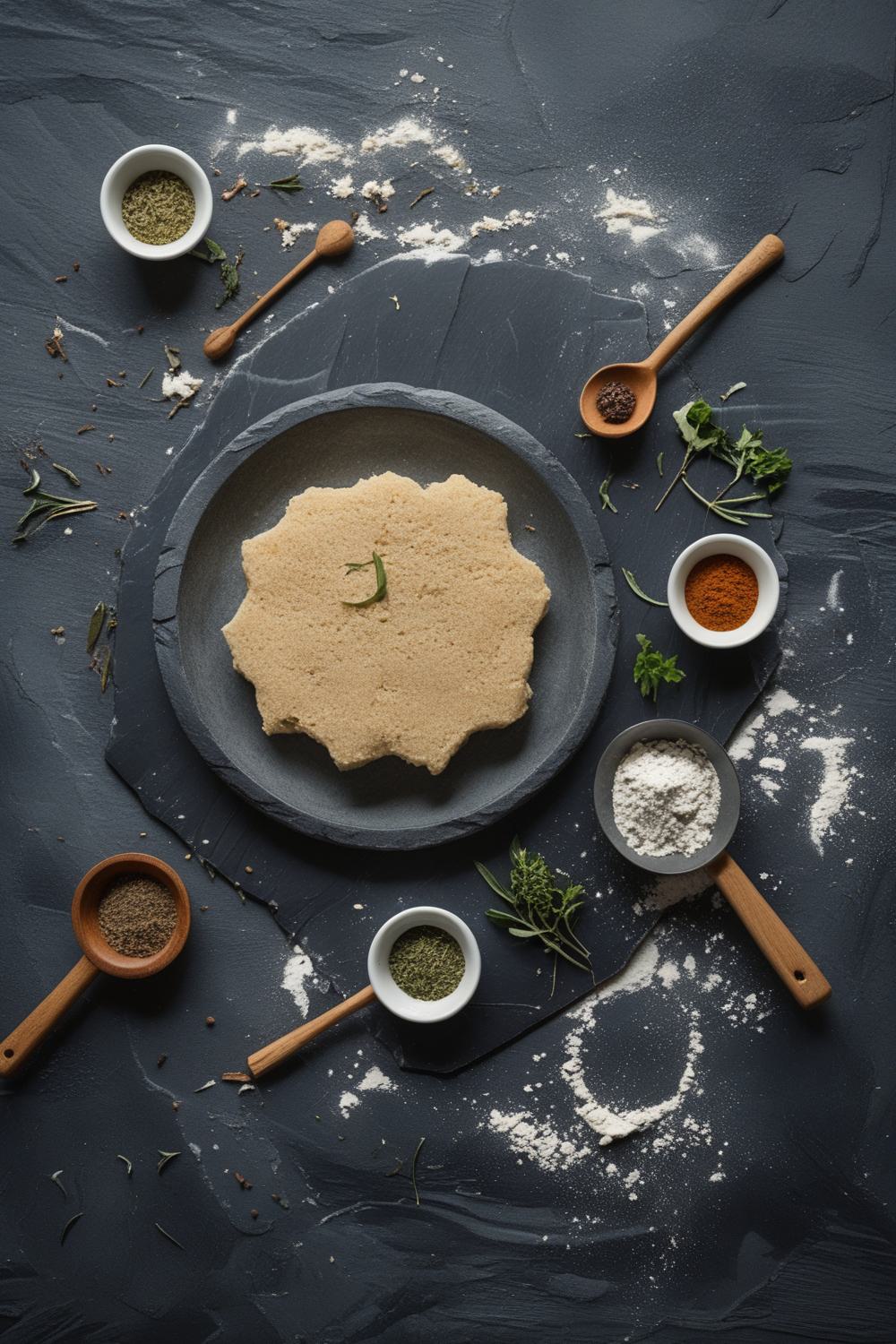
For gluten-free versions, blend 150g super-fine brown rice flour with 75g potato starch and 75g tapioca flour—this mimics cake flour’s tenderness. Vegan butter must contain at least 80% fat; Miyoko’s Creamery or European-style Naturli work best. Replace eggs using 75ml aquafaba whipped to soft peaks, adding structure through legume proteins.
Dairy-free? Steep tea in oat milk—its beta-glucans mimic creaminess. Sugar alternatives prove trickier: monk fruit sweetener caramelizes poorly, so reserve it for the batter and use coconut sugar for topping. Spice swaps: replace vanilla with ½ tsp ground cardamom for Middle Eastern flair.
Equipment Guide
A 9-inch cast aluminum cake pan (1.5” tall) is ideal—its even heat distribution prevents doming. Dark non-stick pans risk over-browning; if using one, reduce oven temp by 10°C. Glass or ceramic conducts heat too slowly, leading to dense texture.
Invest in a Thermapen—the cake’s done at 98°C internal temperature (not 100°C!), preserving moisture. Hand mixers over-aerate; use a stand mixer with paddle attachment for controlled creaming. A fine-mesh chinois strains tea leaves thoroughly, avoiding gritty sediment.
Step-by-Step Walkthrough
1. Steep 5g Assam tea leaves in 120ml simmering full-fat milk. Cover and steep 7 minutes. Strain through chinois, pressing leaves gently. Cool to 40°C.
2. Cream room-temperature butter with 200g sugar (not the demerara!) for 6 minutes until pale and aerated. Scrape bowl every 2 minutes.
3. Whisk in 3 large eggs (55g each)—one at a time—over 3 minutes. Mixture should ribbon off the beater.
4. Alternate dry ingredients (300g sifted cake flour, ½ tsp salt) and tea-milk in 3 additions, mixing until just combined.
5. Pour into parchment-lined pan. Tap 3x to release bubbles. Sprinkle demerara evenly across surface.
6. Bake at 175°C (not fan-assisted!) for 45-50 minutes. Test with probe at 45 minutes—98°C is perfect.
Critical stage: when creaming butter, ensure it’s pliable but not oily—18-20°C is ideal. Cold butter won’t aerate; melted butter collapses structure. During the egg phase, add each only after the previous is fully emulsified—a split batter indicates temperature shock.
Staggering dry/wet ingredients prevents gluten over-development. Fold flour with a spatula after mixer incorporation to ensure homogeneity. That demerara crust? Apply sugar after batter is settled—pressing it in creates craters.
Expert Tips & Troubleshooting
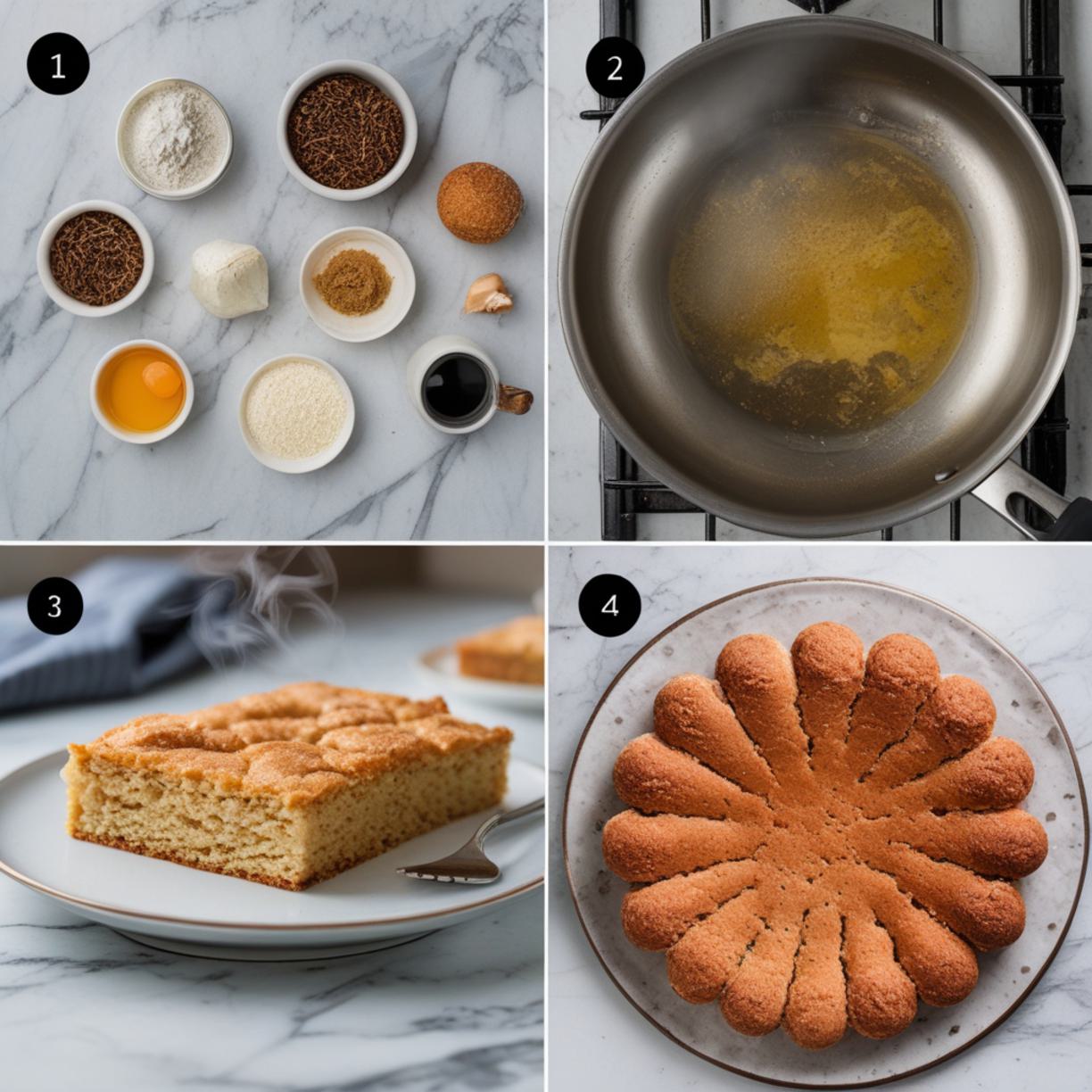
If edges brown too fast, wrap pan with a damp towel strip—this slows conduction. Sinking center? Over-creaming introduces too much air that later deflates. Mix only until butter-sugar resembles whipped clotted cream.
Cracks indicate oven too hot; bake at 160°C next time. Sticky crumb? Flour was under-measured—always use grams, not cups. For extra sheen, brush baked cake with honey-water syrup (1:1 ratio).
Freeze sliced portions with parchment separators—reheat frozen slices in a 150°C oven for 8 minutes. Day-old cake improves when sliced and griddled in butter like brioche—serve with whiskey marmalade.
Flavor Variations
Smoky Chai: Replace Assam with Lapsang Souchong tea. Add ¼ tsp ground ginger and ½ tsp crushed green cardamom.
Kid’s Chocolate Fix: Reduce flour by 2 tbsp, adding 30g Dutch-process cocoa. Mix 100g chocolate chips into batter.
Boozy Upgrade: Soak dried currants in 60ml Irish whiskey overnight. Fold into batter with zest of 1 orange.
Storage & Reheating
Cool completely before wrapping in beeswax cloth—never plastic, which induces sogginess. Store at 18-20°C up to 3 days. Freeze whole cakes for 1 month wrapped in foil then vacuum-sealed. To refresh, spritz surface with water and warm at 120°C for 10 minutes.
FAQ Section
Q: Can I use green tea?
A: Not recommended—its delicate catechins break down at baking temperatures, turning bitter.
Q: Why no baking powder?
A: Authentic Irish tea cake relies solely on creamed butter for lift—it’s denser than Victoria sponge.
Q: Best tea pairing?
A: Contrast with malty Irish Breakfast or compliment with Earl Grey Ice Cream.
Q: My cake is dry—what went wrong?
A: Over-baking—or butter was too cold, inhibiting proper emulsion.
Nutrition Information
| Nutrient | Per Serving (1/8 slice) |
|---|---|
| Calories | 327 kcal |
| Carbohydrates | 38g |
| Protein | 5g |
| Saturated Fat | 9g |
Note: Nutritional data is estimated. Values change with ingredient substitutions.