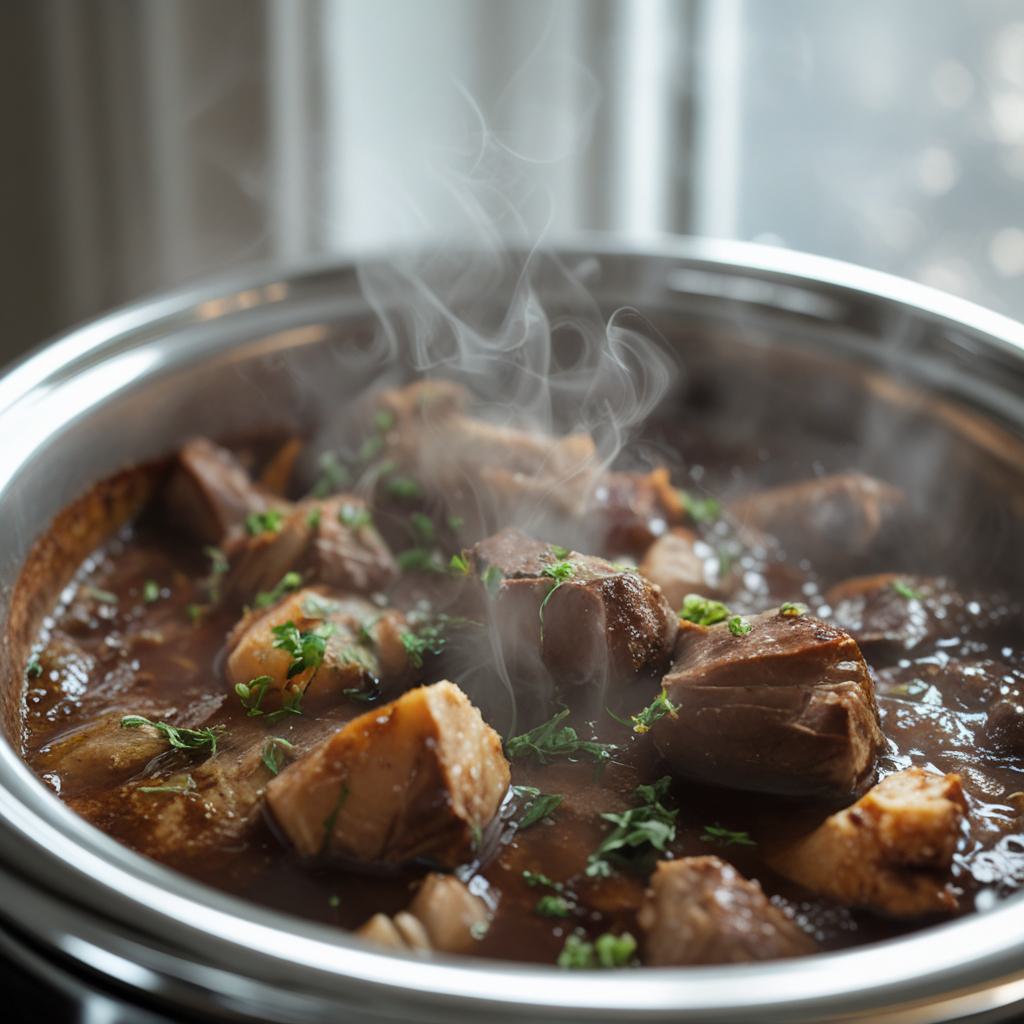
The alchemy begins before dawn. On mornings when cold fog lingers outside kitchen windows, the promise of slow-cooked pot roast transforms domestic spaces into Michelin-worthy sanctuaries. Imagine chuck roast – that humble, marbled canvas – meeting heat until collagen surrenders into silk. First comes the sizzle of searing, where caramelized crusts develop flavor compounds named after romance: Maillard reactions. Then, the whisper of red wine deglazing the pan, releasing captured fond like culinary treasure. In the slow cooker’s embrace, time becomes your sous-chef. Hours later, aromas saturate every room: thyme dancing with garlic, beef fat melting into root vegetables, black peppercorns releasing their fragrant heat like time-lapsed fireworks. This is peasant food elevated through patience and precision – fork-tender protein bathed in umami-rich jus, each component retaining distinct texture while contributing to the harmony. The beauty lies in its paradox: complex flavor requiring minimal effort, luxurious results born from restraint. When finally served, steam rises in slow curls announcing the main event – meat that parts under gentle pressure, vegetables infused with savory depth, sauce clinging like liquid velvet. No rushed bistro meal compares to this orchestral crescendo of slow-cooked perfection.
Table of Contents
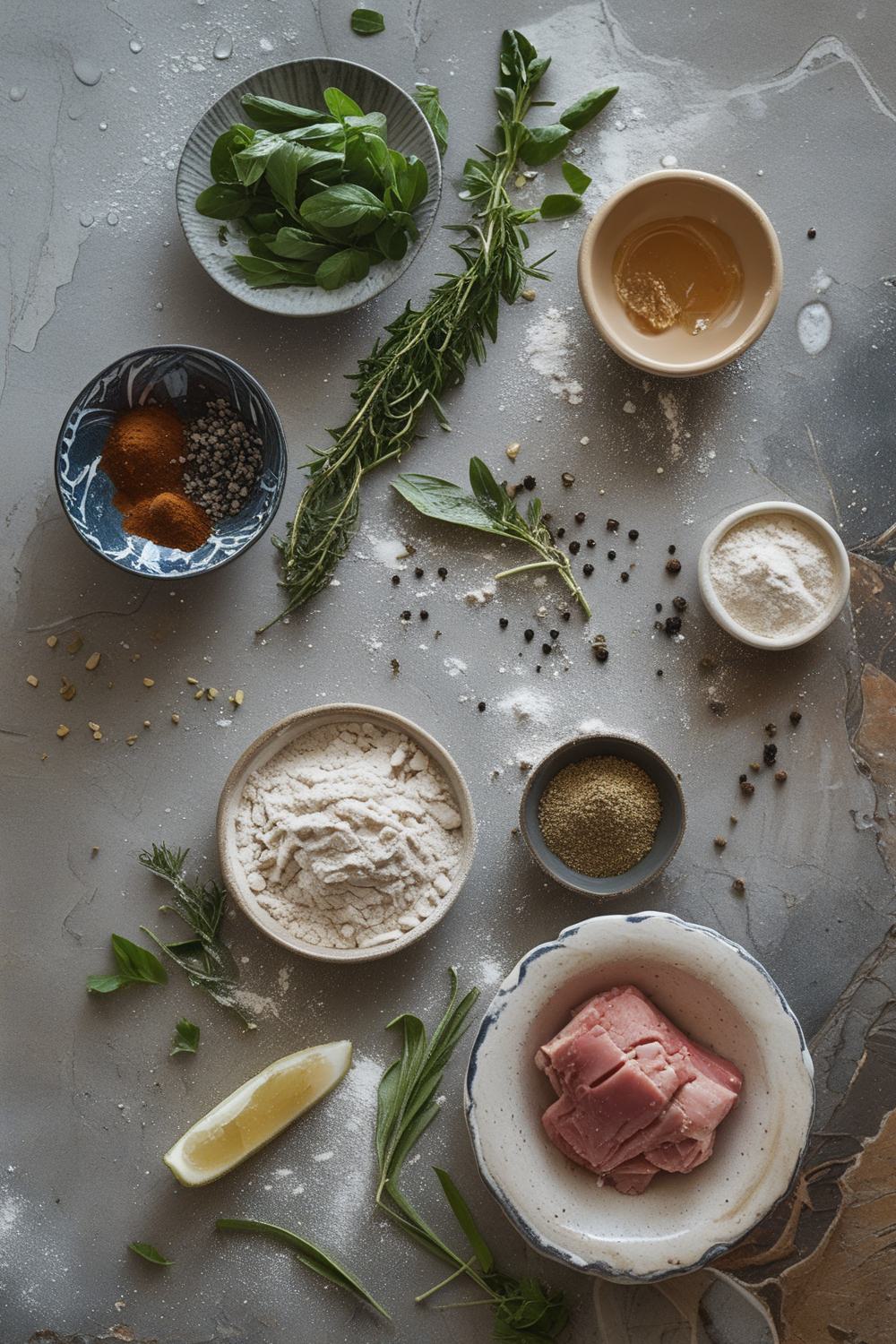
Ingredient Deep Dive
| Ingredient | Quantity | Purpose |
|---|---|---|
| Chuck Roast | 3-4 lbs | High collagen breaks into gelatin for silkiness |
| Red Wine | 1 cup | Acid tenderizes, alcohol extracts flavors |
| Tomato Paste | 2 tbsp | Glutamates amplify umami |
| Yellow Onions | 2 medium | Pectin creates body during slow cooking |
| Garlic Cloves | 6 | Alliinase enzyme generates complex aromatics |
| Carrots | 1 lb | Beta-carotene sweetens as fibers soften |
| Fresh Thyme | 6 sprigs | Thymol oil balances meat richness |
The marriage between chuck roast’s marbling and low-temperature cooking demonstrates food science artistry. Intramuscular fat (marbling) insulates meat fibers during prolonged cooking, while connective tissue’s collagen denatures into gelatin between 160-180°F – the exact temperature maintained by simmering braising liquid. This hydrolysis requires 6+ hours to achieve optimal texture.
Acidic components like wine and tomato paste serve dual purposes. At molecular level, they lower pH to weaken muscle fiber connections while simultaneously dissolving heme compounds into richer-looking sauce. Onions contribute pectin for viscosity without flour, and carrots release natural sugars counterbalancing acidity – an equilibrium measured not in teaspoons but in pH balance.
Substitutions & Swaps
For gluten concerns, substitute Worcestershire sauce with coconut aminos and use cornstarch slurry for thickening. Vegan adaptations replace beef with king oyster mushrooms and jackfruit: pressure-cook 20 minutes with 2 tbsp marmite for meaty essence. No wine? Use dark beer or 1/2 cup espresso plus 1 tbsp balsamic. Traditional carrots/potatoes can interchange with celery root, parsnips, or kohlrabi without disrupting cooking chemistry. Those avoiding alcohol deglaze with mushroom broth enhanced with 1 tsp miso paste.
Equipment Guide
Essential tools transform technique: a 6-quart oval slow cooker ensures even heat distribution around irregularly shaped roasts. For proper searing, use 12-inch cast iron skillet – its heat retention creates superior crust versus non-stick pans. Sturdy tongs prevent piercing meat during flipping (retaining juices), while a fish spatula’s thin edge scrapes fond effectively. Finally, a bulb baster allows skimming excess fat without removing flavorful liquids.
Step-by-Step Walkthrough
- Blot roast dry with paper towels – moisture prevents browning
- Heat skillet over medium-high 3 minutes until water droplets dance
- Sear roast 6 minutes per side without moving to develop crust
- Sauté onions in fond for 5 minutes until caramelized
- Deglaze with wine, scraping pan bottom aggressively
- Transfer contents to slow cooker with herbs and vegetables
- Cook on LOW 8 hours (HIGH for 4 creates tougher fibers)
- Rest meat 15 minutes wrapped in foil before slicing
Phase transitions govern texture development. Hours 1-3 see connective tissues swelling with absorbed liquid. Between hours 4-6, collagen begins dissolving at 160°F, while muscle fibers surrender their grip. Final hours integrate flavors as pectins from vegetables thicken sauce naturally.
Resist peeking – removing lid drops temperature significantly, adding 30 minutes to cooking time. Position carrots beneath roast to prevent overcooking. If using potatoes, add during last 2 hours to maintain texture.

Expert Tips & Troubleshooting
Bloom tomato paste in skillet before deglazing – cooked concentrates release savory glutamates. Tie herbs with string for easy removal later. If sauce lacks depth, add 2 rehydrated dried porcini mushrooms during cooking.
Solution for dry meat: Next time, select roast with visible marbling and check cooker temperature – low should register 180°F with thermometer. Overcrowding causes steaming instead of braising; ensure liquid comes halfway up meat. If vegetables disintegrate, increase size of cuts and layer beneath roast.
Flavor Variations
Moroccan-inspired: Add toasted cumin, cinnamon stick, and preserved lemon during last hour. Korean bulgogi twist: Substitute wine for pear juice, add gochujang, finish with sesame seeds. For children’s palates, omit wine (replace with broth and 1 tsp honey), slice carrots into coins, and increase potatoes. Adventurous palates steep 1 smoked chili pepper in cooking liquid.
Storage & Reheating
Refrigerate components separately in airtight containers up to 4 days. Freeze jus in ice cube trays for single servings. Reheat meat submerged in strained sauce in 300°F oven for 20 minutes. Microwaving causes tough fibers – opt for stovetop simmering with splash of broth.
FAQ Section
Can I cook this in 5 hours? Setting cooker to HIGH for 4 hours compromises texture; true tenderness requires patient collagen breakdown.
Can roast be too big? Maximum 5 lbs ensures heat penetration; otherwise center remains untenderized.
Should vegetables be added later? Root vegetables require full cooking time for flavor integration.
Why is sauce thin? Reduce separated jus on stove with 1 tbsp arrowroot slurry (equal parts starch + water).
The Recipe Card
Eight hours transforms chuck roast into fork-tender perfection with wine-infused vegetables. Searing builds flavor foundation, while slow braising melds herbs into velvety jus. Serves 6 with comfort-food elegance.
Nutrition Information
| Nutrient | Per Serving |
|---|---|
| Calories | 540 |
| Protein | 48g |
| Fat | 23g |
| Carbs | 18g |
| Sodium | 480mg |
*Estimates based on ingredients entered. Actual nutrition may vary based on specific brands or optional additions. Consult a nutritionist for health advice.