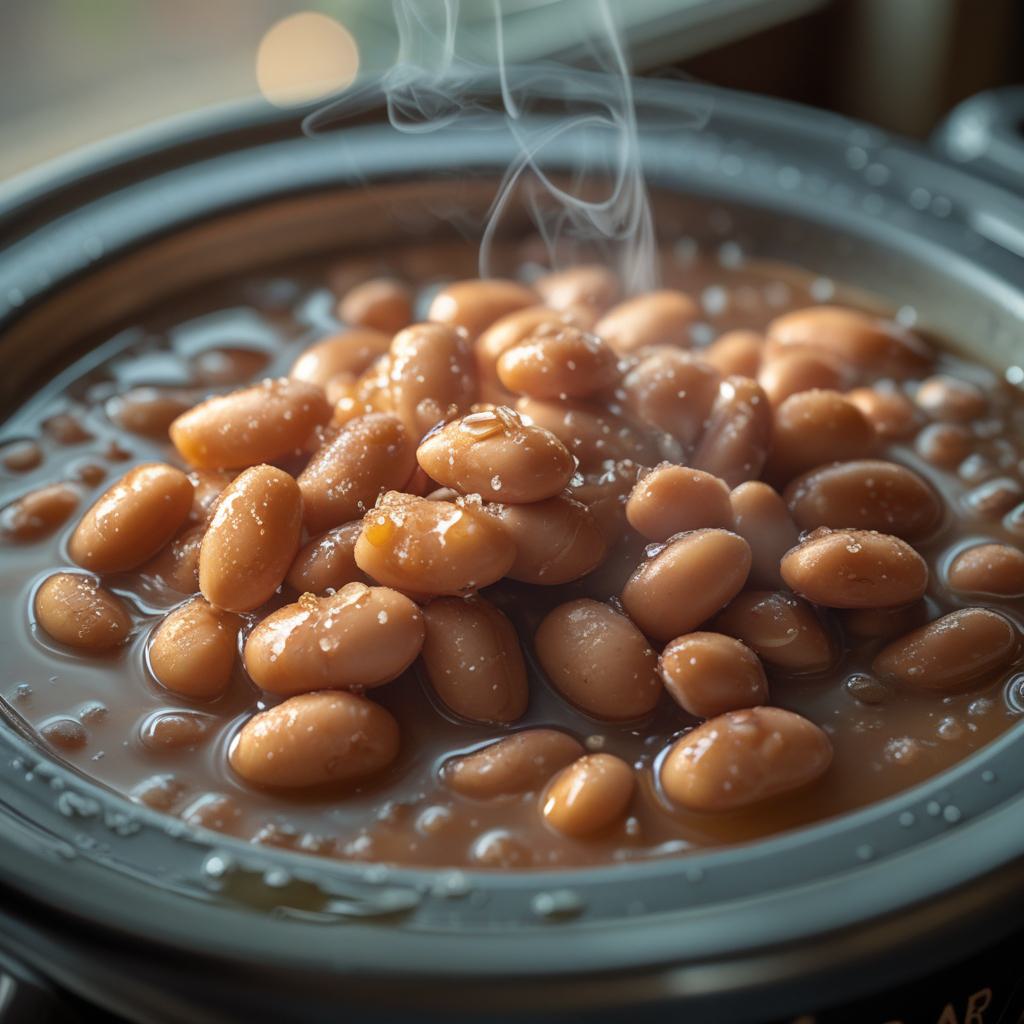
The humble pinto bean undergoes a remarkable alchemy in the slow cooker, transforming into velvet-textured morsels that carry the soul of comfort cuisine. As the first wisps of cumin and smoked paprika rise from the ceramic vessel, they tell a story of dry arid lands and ancestral kitchens where patience was the ultimate spice. These unassuming legumes slowly drink in savory broth over hours, each bean swelling into a tender canvas painted with garlic’s golden brushstrokes and onion’s sweet foundation.
When you lift the lid after seven hours of gentle simmering, the perfume unfolds in three distinct acts. First comes the earthiness of beans mingling with pork’s umami depth, followed by bright oregano cutting through the richness. The finale—a warm embrace of chili powder and cumin—lingers like a well-told secret. Unlike the hurried sharpness of pressure-cooked beans, slow-cooked pintos develop complex symphonies where starches break down into creamy suspensions, creating a luxurious sauce that coats each bean like liquid silk.
This dish’s magic lies in its duality: simultaneously rustic and refined, simple yet profound. Served alongside crusty bread, it becomes peasant fare worthy of linen napkins. Crowned with avocado and fresh cilantro, it transcends its humble origins. The beauty of slow-cooker pinto beans is how they invite creativity while punishing no mistakes—a forgiving alchemy that turns basic pantry staples into bowls of warm, beckoning sustenance.
Table of Contents
Ingredient Deep Dive
| Ingredient | Quantity | Purpose |
|---|---|---|
| Dried pinto beans | 2 cups | Provides protein base and creamy texture when slowly hydrated |
| Smoked ham hock | 1 large | Imparts rich umami and collagen for mouthfeel |
| Chicken stock | 6 cups | Superior flavor carrier vs water, enhances bean digestion |
| Yellow onion | 1 diced | Maillard reaction foundation for depth |
| Garlic cloves | 6 minced | Adds aromatic sulfur compounds |
| Cumin seeds | 2 tsp | Toasted oils release earthy pyrazines |
| Mexican oregano | 1 tbsp | Floral citrus notes counterbalance richness |
| Apple cider vinegar | 2 tbsp | Acid brightener added at end to prevent bean toughening |
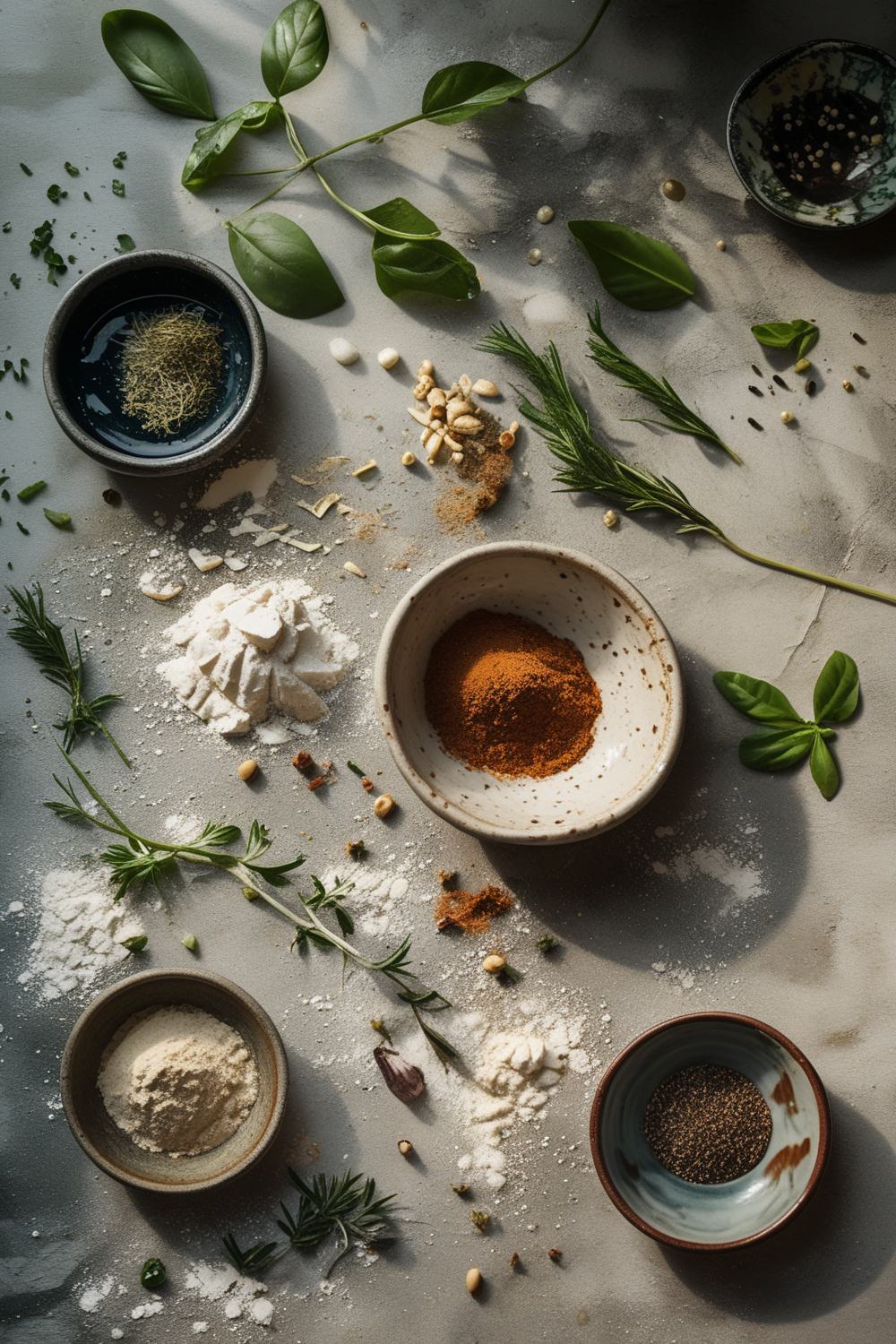
Each component serves precise biochemical functions. The ham hock’s collagen dissolves into gelatin over time, creating that coveted unctuous mouthfeel while providing structural support to prevent bean disintegration. Cumin seeds’ volatile oils (cuminaldehyde) require fat to bloom, which is why we toast them with aromatics rather than adding directly to liquid.
Acid management proves critical—vinegar added at the start inhibits pectin breakdown, leading to tough beans, while late addition brightens flavors without compromising texture. Mexican oregano’s distinct carvacrol content offers warmer aroma than Mediterranean varieties, complementing the smoked elements without overwhelming.
Substitutions & Swaps
For vegan adaptations, replace ham hock with 3 tablespoons white miso paste added during the last 30 minutes of cooking—its koji-fermented proteins mimic umami depth without overpowering. Chicken stock swaps beautifully with mushroom broth, though add 1 teaspoon Marmite for B-vitamin richness. Those avoiding nightshades can use 2 teaspoons annatto powder instead of paprika.
Gluten-sensitive cooks should verify smoked paprika brands (some contain wheat-based anti-caking agents). Can’t find Mexican oregano? Marjoram plus orange zest makes an adequate substitute. Bacon can replace ham hock—use 6 ounces diced, browning first to render fat for sautéing aromatics.
Equipment Guide
A 6-quart slow cooker with heavy stoneware insert ensures even heat distribution crucial for bean cookery—thin-walled models create hot spots leading to burst skins. Use a cast iron skillet for toasting spices; their superior heat retention unlocks essential oils better than non-stick alternatives. Sturdy wooden spours protect ceramic surfaces when stirring.
Invest in an instant-read thermometer to check internal bean temperature (aim for 205°F/96°C for perfect tenderness). For storage, wide-mouth glass containers prevent flavor absorption compared to plastic.
Step-by-Step Walkthrough
- Rinse beans under cold water, discarding any stones or debris
- Heat cast iron skillet over medium. Toast cumin seeds 60 seconds until fragrant
- Sauté onions in ham hock fat until translucent (8 minutes)
- Add garlic and spices; cook 2 minutes to bloom oils
- Transfer aromatics to slow cooker with beans, ham hock, and stock
- Cook on LOW 8 hours (HIGH for 5 hours if needed)
- Remove ham hock; shred meat and return to pot
- Stir in vinegar; adjust salt and pepper
- Rest uncovered 15 minutes to thicken
The critical success factor lies in temperature management. Beans must reach 180-200°F (82-93°C) slowly to properly hydrolyze phytates and soften pectin. Rapid boiling causes skins to burst while interiors remain chalky. Resist stirring during the first 5 hours—each agitation damages cell walls, contributing to mushy results.
When testing doneness, press a bean against the roof of your mouth with your tongue. Perfectly cooked specimens will yield smoothly without graininess. Underdone beans require 45-minute increments of additional cooking time with ¼ cup added liquid.
Expert Tips & Troubleshooting
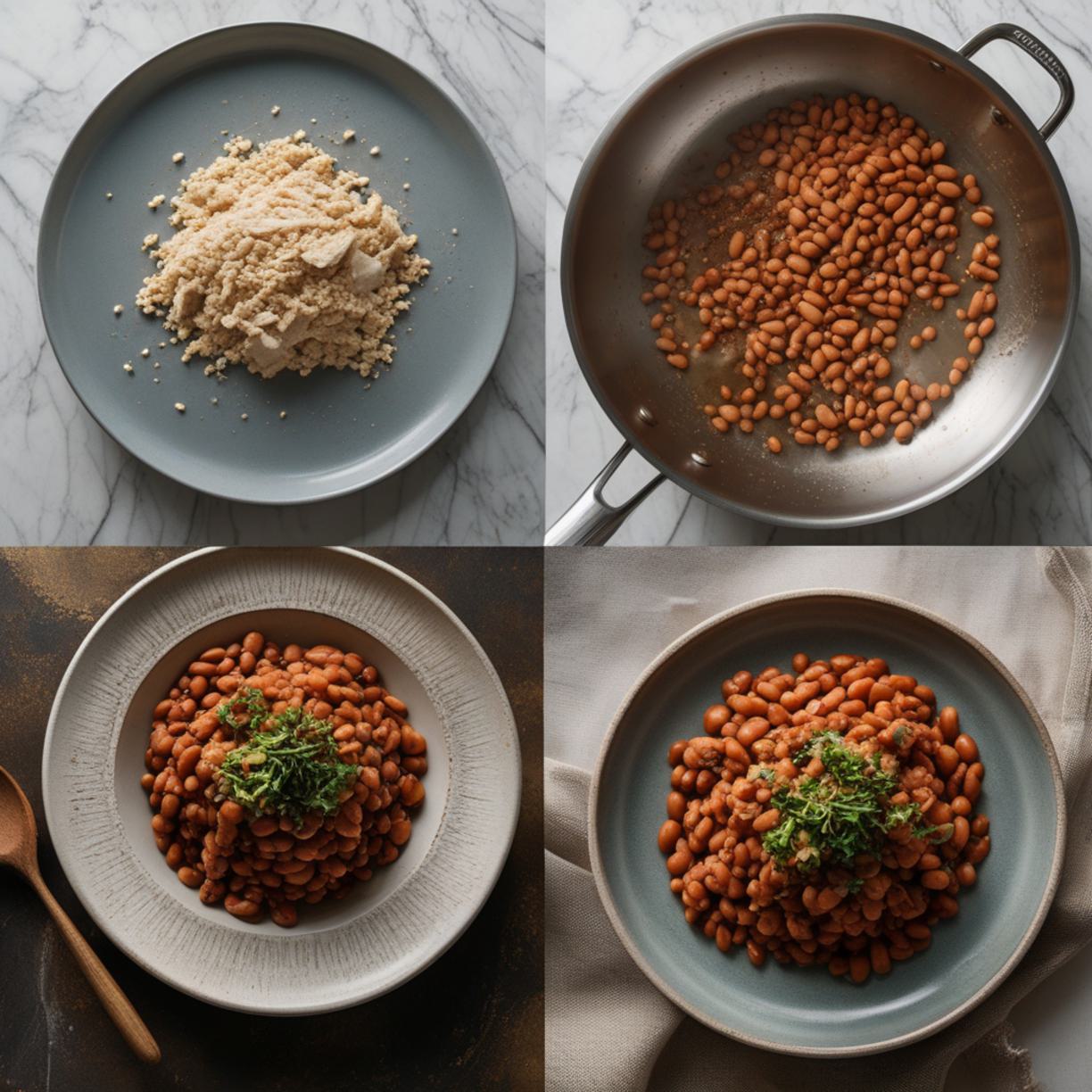
For silkier texture, add 1 strip kombu seaweed during cooking—its natural glutamates and enzymes improve digestibility while tenderizing. Combat blandness with umami layers: stir in 2 grated sun-dried tomatoes before serving. If beans remain hard after 8 hours, your water’s mineral content may be the culprit—add ½ teaspoon baking soda to neutralize calcium.
Prevent mushiness by ensuring your cooking liquid stays at gentle simmer, never rolling boils. If liquid evaporates too quickly, wrap the lid in a kitchen towel to catch condensation. Overly thick results? Splash with broth and simmer uncovered. Too thin? Mash ½ cup beans against pot walls to release natural thickeners.
Flavor Variations
Texas Firehouse version: Add 2 chipotles in adobo and 1 teaspoon cocoa powder with aromatics. For Cuban twist, substitute black beans and add ¼ cup orange juice + 1 tbsp rum during last hour. Kid-friendly adaptation: omit chili powder and stir in 2 tablespoons maple syrup with vinegar.
Storage & Reheating
Cool completely before transferring to airtight containers. Refrigerate up to 5 days or freeze 3 months in broth to prevent drying. Reheat gently with splash of broth in saucepan over low heat—microwaving creates uneven texture. For frozen portions, thaw overnight before reheating.
FAQ Section
Can I skip soaking?
Yes—increase cooking time by 2 hours and check liquid levels hourly
Can this be canned?
Not recommended due to variable acid content—freeze instead
How to reduce gas?
Double soaking method: Boil 10 minutes, soak 1 hour, drain; repeat
Can I use canned beans?
Technically yes—simmer just 1 hour—but texture will be far inferior
The Recipe Card
Velvety pinto beans transform into luxurious comfort food through slow simmering with smoked pork, aromatics, and spices. Served with crusty bread or over rice, this hands-off recipe delivers restaurant-quality depth from humble ingredients. 8-hour cook time develops unparalleled creaminess. Vegan adaptations possible without sacrificing richness.
Nutrition Information
| Nutrient | Per Serving (1.5 cups) |
|---|---|
| Calories | 340 |
| Protein | 18g |
| Carbohydrates | 52g |
| Fiber | 15g |
| Sugars | 3g |
| Sodium | 480mg |
*Nutritional estimates based on USDA data and recipe analysis. Actual values may vary based on specific ingredients used and portion sizes.