Sheet Pan Salmon with Roasted Vegetables
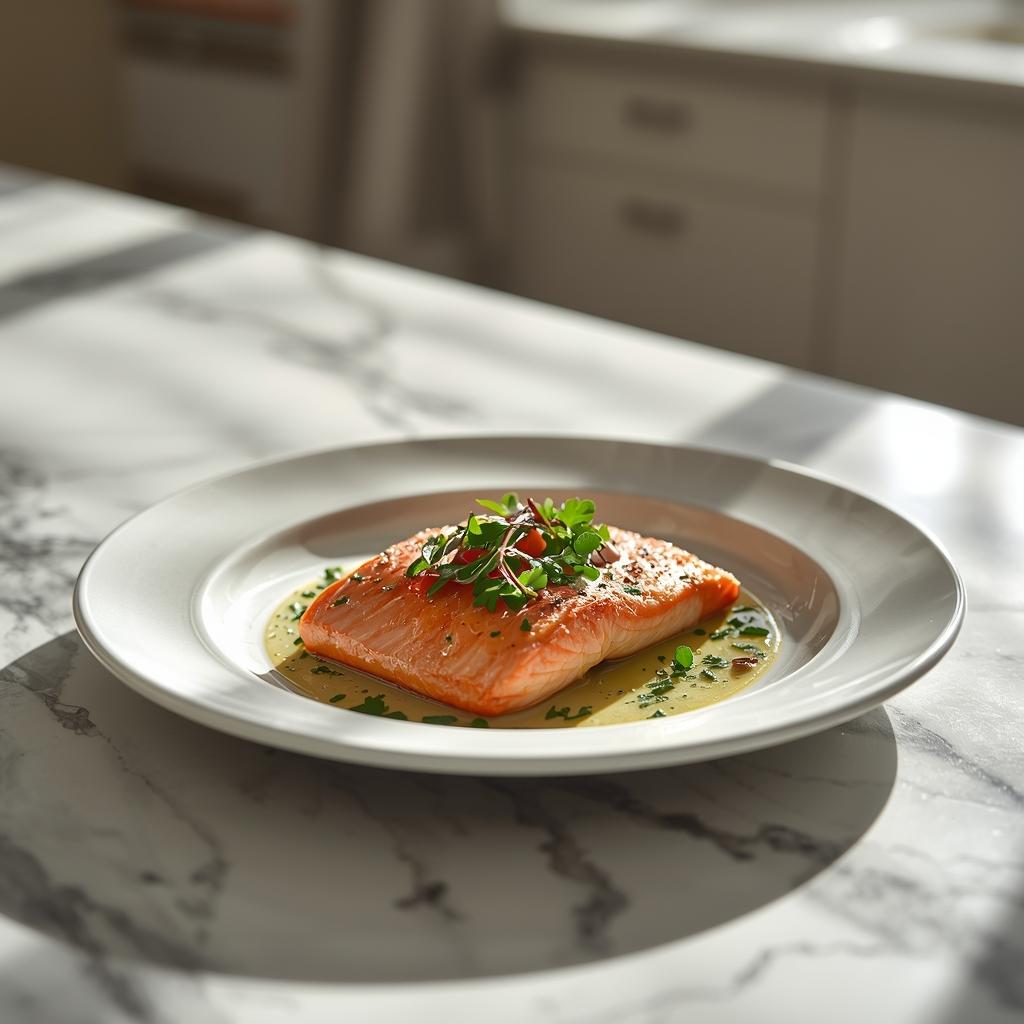
Effortlessly elegant yet profoundly comforting, Sheet Pan Salmon represents the pinnacle of smart gourmet cooking. This method harmonizes juicy, flaky salmon with vibrant seasonal vegetables through a one-pan roasting technique that intensifies flavors while minimizing cleanup. As a chef who prioritizes texture contrast and layered seasoning, I’ve refined this approach to achieve restaurant-quality results in under 30 minutes. The magic lies in strategic ingredient placement—delicate asparagus bundled beneath lemon slices to steam gently, while hearty broccoli florets caramelize at the pan’s edges. A drizzle of rosemary-infused olive oil and garlic butter transforms simple elements into an aromatic masterpiece worthy of centerpiece status. This Sheet Pan Salmon method particularly shines for entertaining, allowing you to present a visually striking meal without monopolizing kitchen time.
The Essential Ingredients for Success
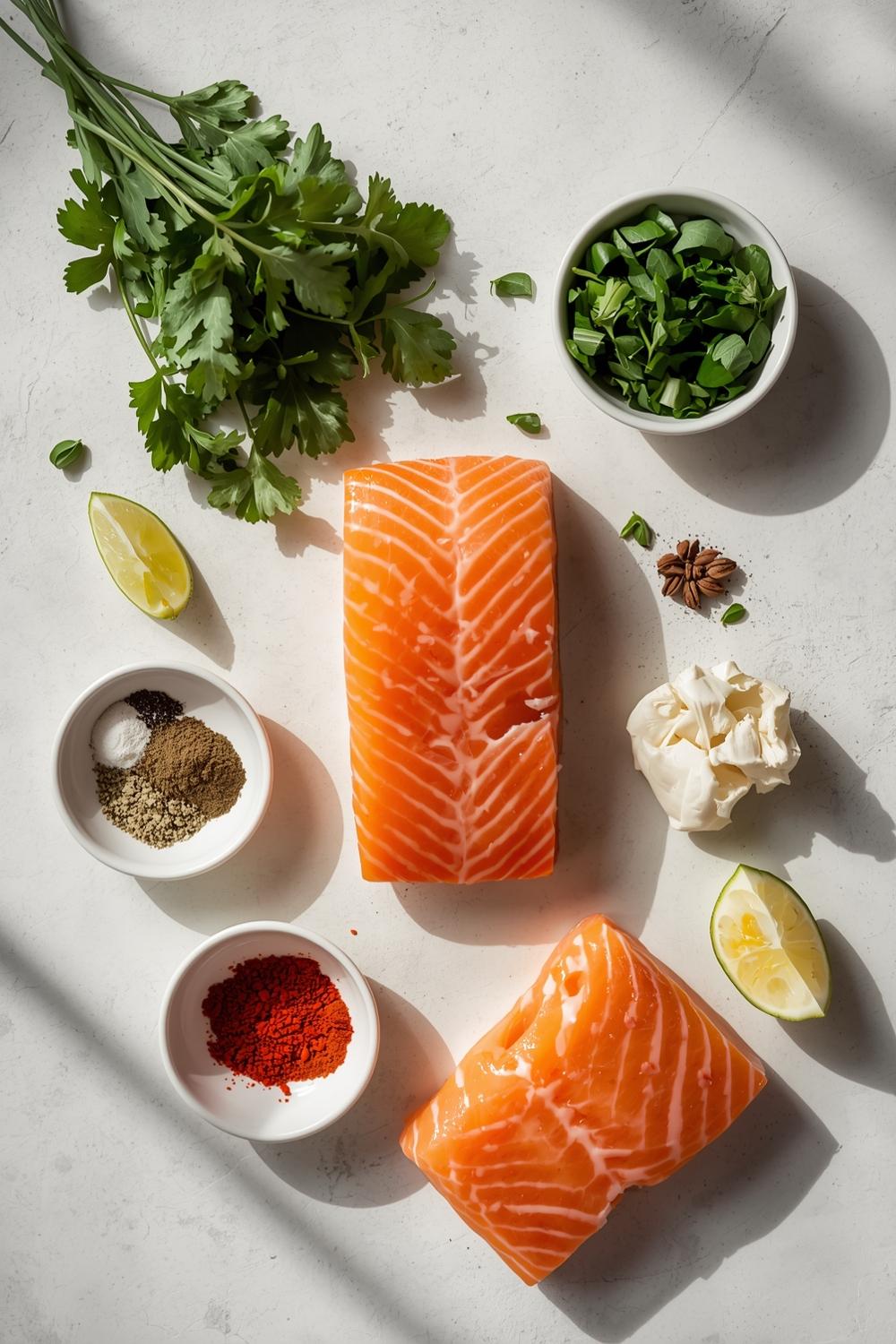
Select premium center-cut salmon fillets (6 oz each, skin-on) for consistent cooking. Pair with:
– 1 lb rainbow carrots, bias-cut into 2-inch spears
– 12 oz purple Peruvian potatoes (halved)
– 1 cup golden beets, julienned
– 1 lb haricots verts, trimmed
– 4 garlic cloves, crushed
– 3 tbsp cold-pressed avocado oil
– 2 tbsp roasted sesame seeds
– 1 Meyer lemon (zested and sliced)
For the glaze:
– 2 tbsp raw honey
– 1 tbsp fresh ginger, microplaned
– 1 tsp toasted coriander
– ½ tsp Aleppo pepper
Primary Cooking Instructions
Preheat convection oven to 400°F (204°C). Toss root vegetables in 2 tbsp oil with ¾ tsp sea salt. Spread on parchment-lined sheet pan. Roast 12 minutes. Whisk glaze ingredients. Pat salmon dry, brush with glaze and nestle among vegetables. Scatter haricots verts around fish. Roast 8-10 minutes until salmon reaches 125°F internally. Finish under broiler for 90 seconds to caramelize edges. Immediately transfer fish to prevent overcooking.

Deep-Dive Step-by-Step Details
Proper thermal layering ensures perfection: Position denser vegetables (carrots, beets) at corners where heat concentrates. Cut potatoes uniformly to 1-inch thickness—this prevents undercooked centers while allowing edges to crisp. Place salmon precisely at the pan’s geometric center for even radiant heat distribution. The critical window occurs between 120-130°F internal temperature; use an instant-read thermometer angled through the fillet’s thickest part. Resting technique matters: Transfer salmon to a warm plate tented with foil for 3 minutes while vegetables continue crisping. This allows albumin proteins to relax, preventing that unappealing white ooze.
Accompaniments and Serving Suggestions
Counterbalance rich salmon with:
– Fennel-citrus slaw with toasted almonds
– Freekeh pilaf studded with dried apricots
– Roasted maitake mushrooms in black vinegar
– Whipped tahini yogurt drizzle
For presentation, drape salmon over vegetable mounds on preheated stoneware. Garnish with edible nasturtium flowers, sesame crunch, and lemon confit. Pair petite portions with jasmine tea-infused sorrel salad for tasting-menu sophistication.
Unique Culinary Insights
The Maillard reaction transforms this Sheet Pan Salmon into a flavor powerhouse: When sugars from honey glaze meet high heat, they create complex caramelized crust compounds. Strategic acid deployment matters—toss vegetables in lemon juice pre-roast to brighten flavors, but reserve zest for finishing to preserve volatile oils. My chef’s trick: Place rosemary sprigs beneath salmon to create an aromatic vapor barrier that gently perfumes the fish without burning herbs.
Modifications and Substitutions
For Mediterranean flair, substitute za’atar for coriander and add artichoke hearts. Pescatarian option: Swap salmon for thick-cut sea bass (adjust cooking to 9 minutes). Nut-free crunch substitute: Toasted sunflower seeds or crispy chickpeas. Reduce sweetness by replacing honey with pomegranate molasses (1:1 ratio). Sodium-sensitive diets benefit from lemon-thyme salt-free seasoning blends.
In-Depth Culinary Questions
How do I prevent fish odor?
Pat salmon thoroughly dry before seasoning—excess moisture carries odors. Roasting at high heat neutralizes trimethylamine compounds.
Best method for leftover revitalization?
Flake cold salmon into Greek yogurt with capers and dill for protein-rich dip. Reheat vegetables separately in cast iron to restore crispness.
Can I prepare components ahead?
Marinate salmon up to 2 hours before roasting. Cut vegetables 1 day in advance—store submerged in ice water to preserve crunch. Final assembly takes mere minutes for this versatile Sheet Pan Salmon creation.
The Final Word on Flavor
Mastering sheet pan cookery revolutionizes weeknight dining without compromising luxury. The technique’s genius lies in transformative simplicity—ordinary ingredients achieving extraordinary harmony through calculated heat application. Each bite delivers textbook contrasts: yielding salmon against crackling vegetable edges, sweet glaze notes tempered by earthy roots. This adaptable blueprint invites seasonal interpretation, making it a perennial favorite among discerning home chefs.
Nutritional Profile
| Nutrient | Per Serving (6 oz salmon + veg) |
|---|---|
| Calories | 487 kcal |
| Protein | 34g |
| Total Fat | 26g |
| Saturated Fat | 4g |
| Carbohydrates | 28g |
| Dietary Fiber | 6g |
| Sugars | 11g |
| Cholesterol | 75mg |
| Sodium | 320mg |
Nutritional values are estimates based on ingredients used and standard cooking methods. Actual results may vary depending on ingredient brands, precise measurements, and cooking equipment calibration. Consult a registered dietitian for personalized dietary planning.