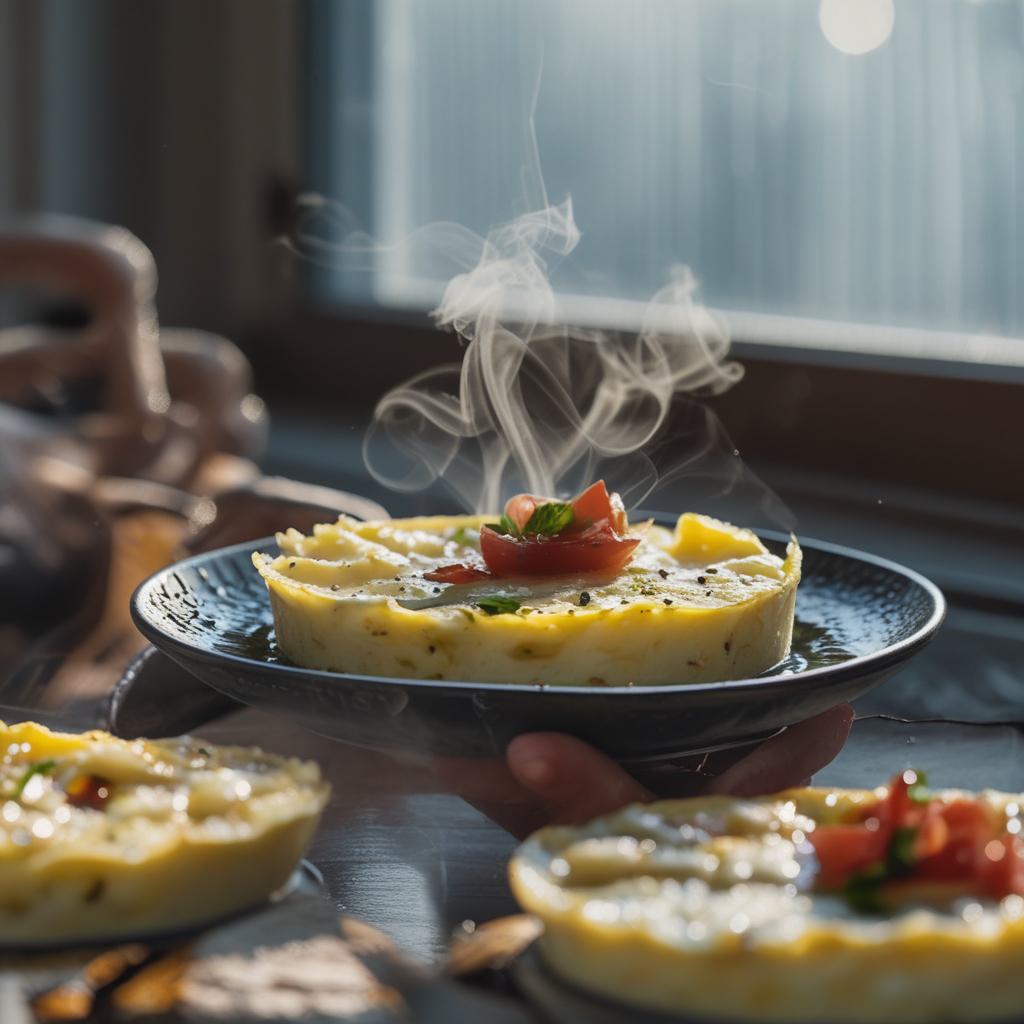
The sun wasn’t yet fully risen when the first wisps of golden butter began dancing in my cast iron skillet – that unmistakable scent signaling the transformation of humble potatoes into gilded perfection. A Potato and Cheese Frittata sings of Sunday mornings and Tuscan hilltops, where the marriage of farm-fresh eggs and starchy comfort transcends cultural boundaries. As thinly sliced Yukon Golds develop their crisp edges, their earthy sweetness mingles with the nutty aroma of freshly grated Parmigiano Reggiano, creating a perfume that hijacks the senses.
Watch any Italian nonna orchestrate this dish, and you’ll witness culinary alchemy – eggs captured mid-fluff, cheese melting into liquid silk, potatoes providing textural contrast like nature’s croutons. The beauty lies in its adaptability; it’s equally dazzling served hot from the pan at a champagne brunch or sliced cold from the fridge during midnight cravings. That bronzed crust gives way to a center as tender as custard, the sharpness of aged cheddar cutting through the richness like sunlight through clouds. This isn’t mere egg cookery – it’s edible architecture where every component serves a purpose, every technique perfected through generations of hungry hands.
Table of Contents
Ingredient Deep Dive
| Ingredient | Quantity | Purpose |
|---|---|---|
| Yukon Gold Potatoes | 450g (peeled) | Perfect starch-to-water balance creates creamy interior with crispy edges |
| Farm-fresh Eggs | 8 large | High omega-3 content yields richer emulsion and vibrant color |
| Gruyère Cheese | 120g grated | Low moisture content ensures clean melt without greasiness |
| Parmigiano Reggiano | 40g grated | Umami depth enhancer with crystalline texture |
| Shallots (minced) | 3 tbsp | Subtle allium notes without harshness of onions |
| European Butter | 45g | 82% fat content ensures perfect sautéing without burning |
| Smoked Paprika | 1 tsp | Adds dimension without overpowering cheese |
The chemistry begins with potatoes – Yukon Golds contain just enough amylose starch to bind with egg proteins, creating structural integrity without graininess. Their thin skins allow for quicker cooking and better fat absorption, developing those coveted crispy edges. European butter’s higher fat percentage creates a buffer zone against the skillet’s direct heat, ensuring shallots sweat rather than burn as they release their moisture into the golden fat.
Egg selection proves critical. Commercial eggs often exhibit a 10.5% protein content, while pastured eggs can reach 12.5% – this extra protein network captures steam during cooking, heightening fluffiness. Gruyère’s pH level of 5.3-5.5 prevents separation during melting, unlike younger cheeses that break into oily pools. Combined with Parmigiano’s glutamate crystals, they create an umami symphony that eludes single-origin cheeses.
Substitutions & Swaps
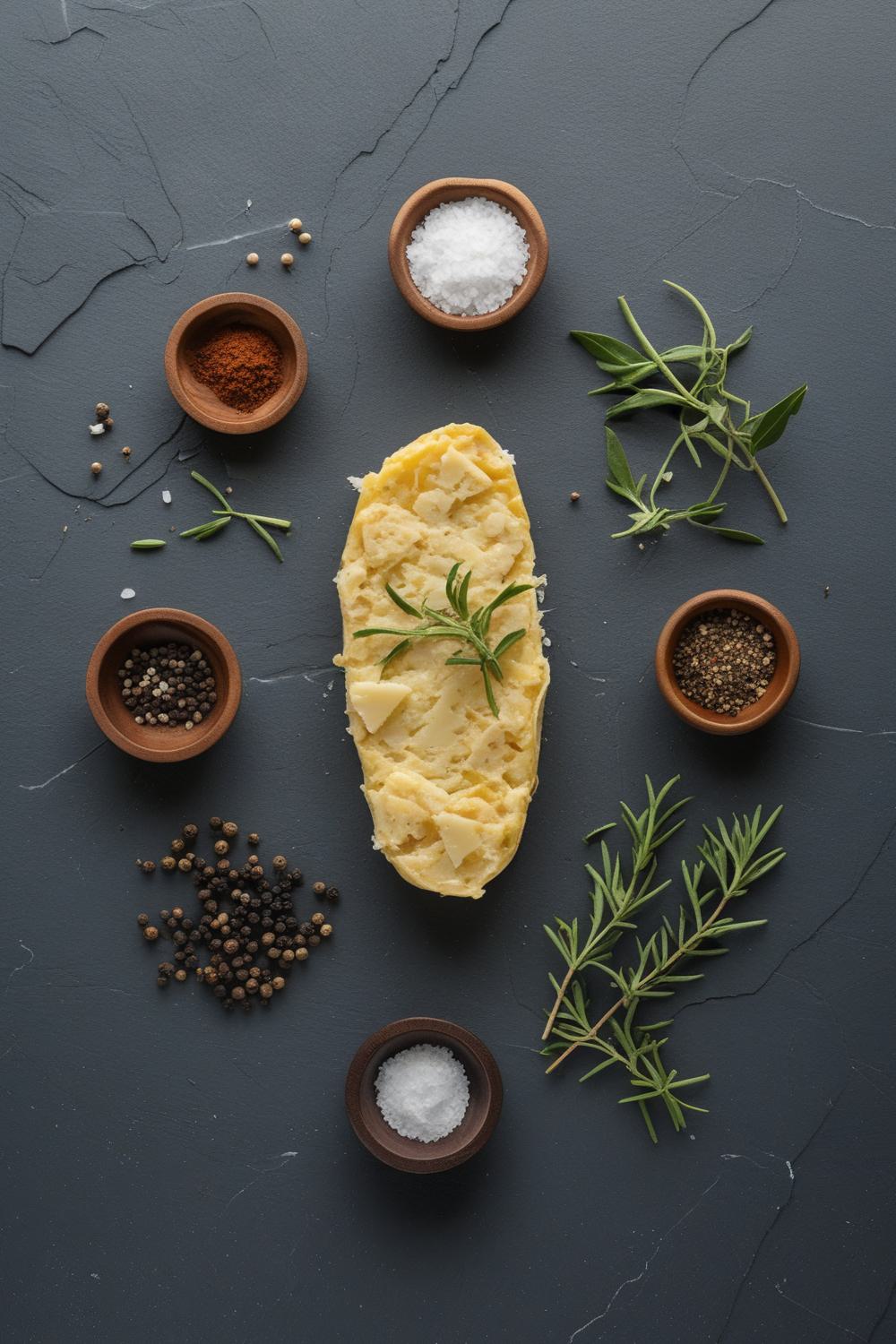
Vegan adaptations shine when quality substitutes are employed. Silken tofu blended with ¼ cup nutritional yeast replaces eggs – add 1 tbsp potato starch to mimic egg’s binding power. Fermented cashew cheese provides the necessary tang, while walnut oil delivers buttery richness. Gluten-free concerns needn’t worry; frittatas contain no flour traditionally.
Short on Gruyère? Aged Gouda or Comté offer similar melt profiles. Russet potatoes can replace Yukons, but parboil slices first. Olive oil instead of butter requires lowering the skillet temperature by 15°F to avoid smoking. Can’t locate shallots? Use leek whites soaked in milk for 15 minutes to mellow their bite. Smoked paprika can give way to ground porcini powder for earthy notes that harmonize with the potatoes.
Equipment Guide
Your skillet choice directly impacts crust development. A 12-inch cast iron pan provides unmatched heat retention and creates superior browning through continuous radiant heat. However, those with induction stoves should opt for tri-ply stainless steel with oven-safe handle – crucial for the finishing broil. Avoid non-stick for this recipe; we want the fond (those browned bits) to adhere slightly for enhanced flavor layers.
Other essentials: A mandoline set to 3mm ensures uniform potato slices for consistent cooking. Copper bowls for whisking eggs allow faster air incorporation than glass or steel. An infrared thermometer helps monitor skillet surface temperature between 325-350°F – the sweet spot for caramelization without burning dairy components.
Step-by-Step Walkthrough
- Preheat broiler with rack in upper-middle position
- Whisk eggs with 1 tsp sea salt until volume increases 30%
- Butter skillet using 15g butter, reserving remaining for potatoes
- Sauté shallots over medium-low 3 minutes until translucent
- Add potato slices in single layer, cooking 12 minutes per side
- Sprinkle paprika over potatoes as first side browns
- Pour eggs evenly over potatoes; tilt skillet to distribute
- Cook undisturbed 2 minutes until edges set
- Sprinkle cheeses evenly across surface
- Transfer skillet to broiler for 90 seconds until puffed and spotted
- Rest 7 minutes before slicing into wedges
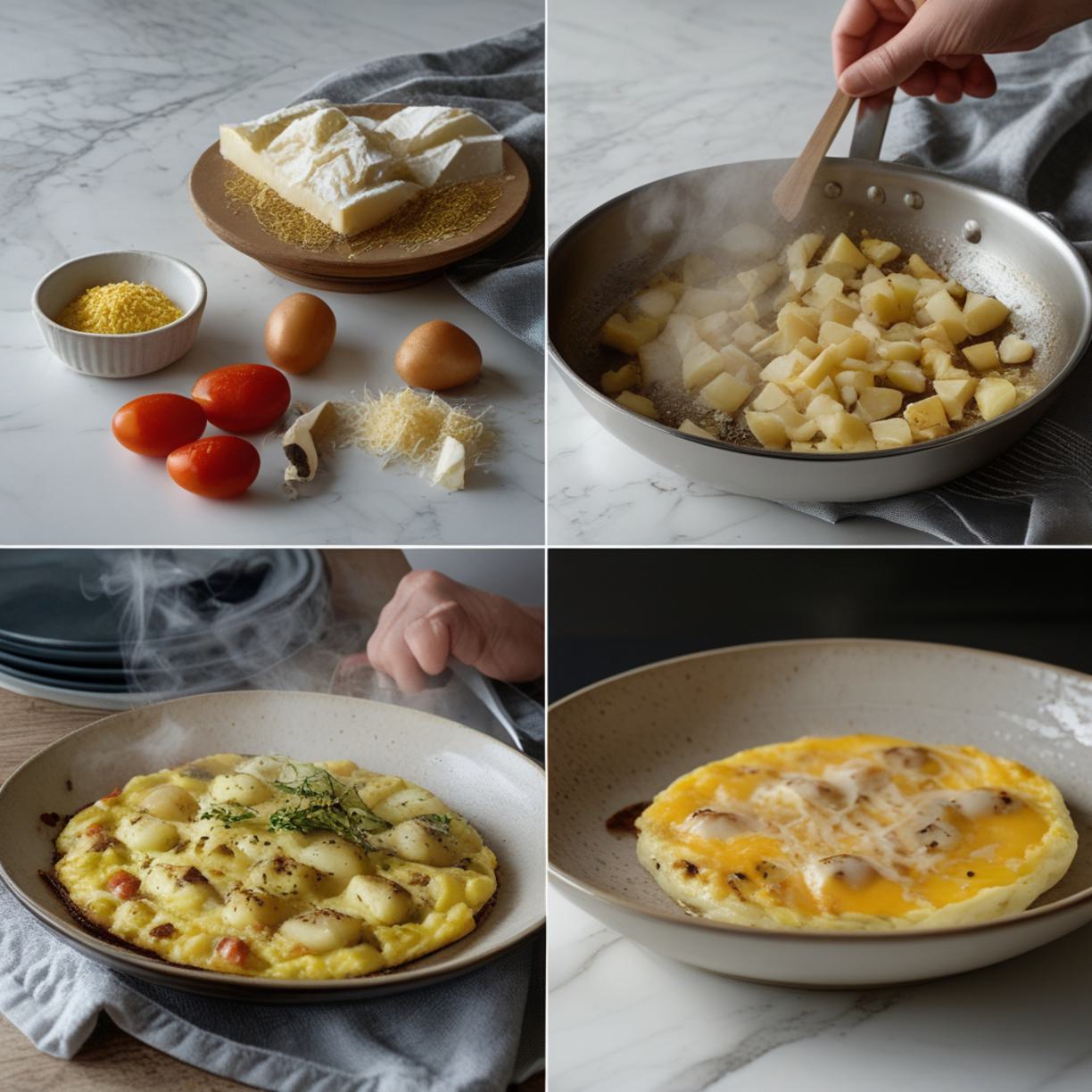
The critical moment comes during the skillet-to-broiler transition. Eggs should be 60% set on the bottom with a tremulous surface – this timing prevents overcooking while allowing cheese to properly blister. Judging doneness requires experience; insert a toothpick 1 inch from center, which should emerge with moist crumbs (not liquid).
Whisking technique directly affects texture. Use a figure-eight motion with wires angled at 45° to shear proteins into finer strands, promoting tenderness. Salt added during whisking partially dissolves proteins, leading to a more delicate crumb compared to seasoning later. When pouring eggs, aim for potatoes to be evenly spaced, not crowded, so egg mixture flows beneath them – this creates the coveted golden “foot” on your frittata.
Broiler distance is non-negotiable. Too close and cheeses burn before interior cooks; too far and you lose the leopard-spotting on surface. Use the 90-second rule but trust your nose – when Parmigiano releases its signature hazelnut aroma, perfection has arrived. The resting period allows carryover cooking to safely reach 165°F at the center while redistributing moisture for clean slices.
Expert Tips & Troubleshooting
Salt your eggs 15 minutes before cooking – this dissolves the yolk’s outer membrane for smoother emulsification. If using store-bought eggs, add a teaspoon of water per egg; commercial washing reduces natural moisture content. Always temper your skillet – heat empty pan 5 minutes at medium before adding fat, eliminating hot spots.
Common misfires and remedies: Soggy bottoms stem from inadequate potato pre-cooking; ensure slices are fork-tender before adding eggs. If frittata sticks, add 1 Tbsp grated potato to the butter – the starch creates a non-stick layer (a secret from Piedmontese cooks). When the center puffs but collapses, decrease broiler time by 20 seconds. For rubbery texture, ensure you’re cooking at true medium-low (275-300°F surface temp).
Flavor dullness often indicates underseasoning at key stages – salt potatoes when frying, eggs when whisking, and add a final flake salt post-broiling. For presentation perfection, line the skillet edges with a circular arrangement of potato slices prior to adding eggs – this creates a golden crown when inverted.
Flavor Variations
For adventurous palates: Add Spanish chorizo coins with manchego cheese, smoked pimentón, and a sherry vinegar drizzle. Fold in harissa-marinated eggplant cubes and feta crumbles for North African flair. Truffle honey with rosemary-infused potatoes achieves luxurious simplicity.
Kid-approved adaptations swap Gruyère for extra-sharp cheddar, mix in sweet potato ribbons, and incorporate carrot puree into the egg mixture (unseen nutrition boost). For minuscule sous-chefs, create “frittata cupcakes” in muffin tins using potato coins as cups.
Storage & Reheating
Cool completely before refrigerating in airtight container (up to 4 days). Freezing alters texture due to egg’s water content crystallization – avoid it if possible. Reheating requires gentle methods: microwave individual slices atop a damp paper towel at 50% power in 30-second bursts. Alternatively, crisp slices in a dry non-stick pan over medium-low for 3 minutes per side.
FAQ Section
Can I make this ahead for brunch?
Yes – cook through the stovetop phase, then hold at room temp up to 2 hours. Finish under broiler just before serving.
Why no milk in the eggs?
Dairy dilutes egg proteins – we prefer richness from cheese and butter alone. For fluffiness, rely on proper whisking technique.
How do I flip without a broiler?
Use a large plate to invert frittata back into skillet for 1 final minute of cooking (the nonna method).
Can I double this recipe?
Instead of doubling, make two separate frittatas. Overcrowding leads to uneven cooking.
The Recipe Card
This golden-crowned Potato & Cheese Frittata combines crispy-edged Yukon potatoes and three cheeses in a cloud-like egg matrix. Serves 6 as main course. Active time 25 minutes. Cook time 18 minutes. Equipment: 12-inch skillet, mandoline, broiler-safe dish.
Nutrition Information
| Nutrient | Per Serving |
|---|---|
| Calories | 380 |
| Protein | 22g |
| Carbohydrates | 18g |
| Fat | 25g |
| Fiber | 2g |
| Sodium | 610mg |
Disclaimer: Nutritional estimates based on USDA database using generic ingredients. Actual values may vary with specific brands and preparation methods. Consult dietitian for medically-restricted diets.