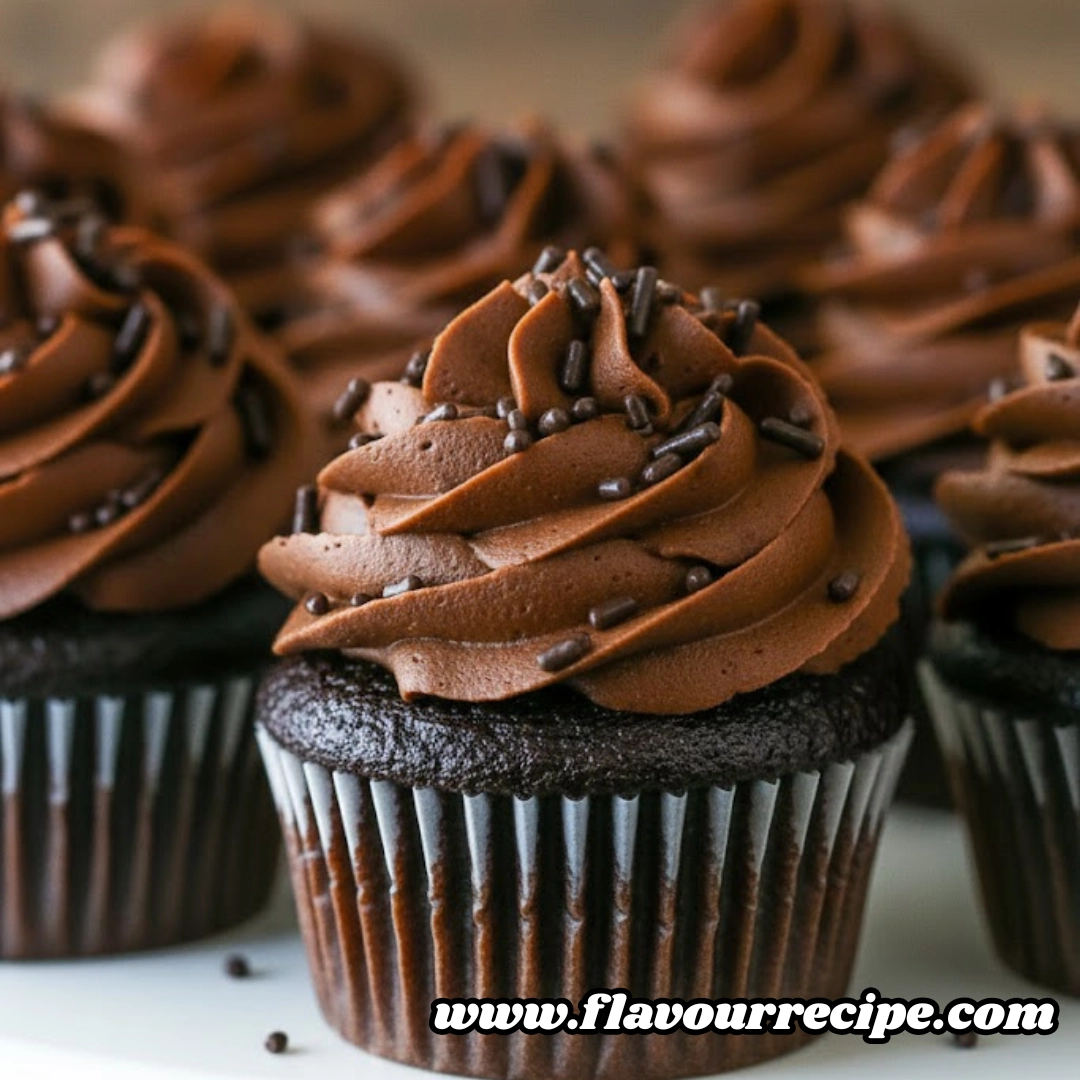
The quest for the perfect chocolate cupcake is a journey every home baker eventually embarks upon. We all want that elusive combination of a deep, cocoa-rich flavor and a crumb so tender it practically melts away. These Easy Moist Chocolate Cupcakes are the definitive answer to that search. Made completely from scratch, they surpass any boxed mix in both texture and taste while remaining incredibly simple to execute. Whether you are preparing for a birthday party, a holiday gathering, or just a Tuesday afternoon craving, this recipe delivers a consistent, crowd-pleasing result every single time. The secret lies in a specific combination of oil and hot water, which creates a batter that is thin but yields a result that is spectacularly fluffy. Paired with a luscious, real-chocolate buttercream, these cupcakes are not just a dessert; they are an experience in pure indulgence.
Table of Contents
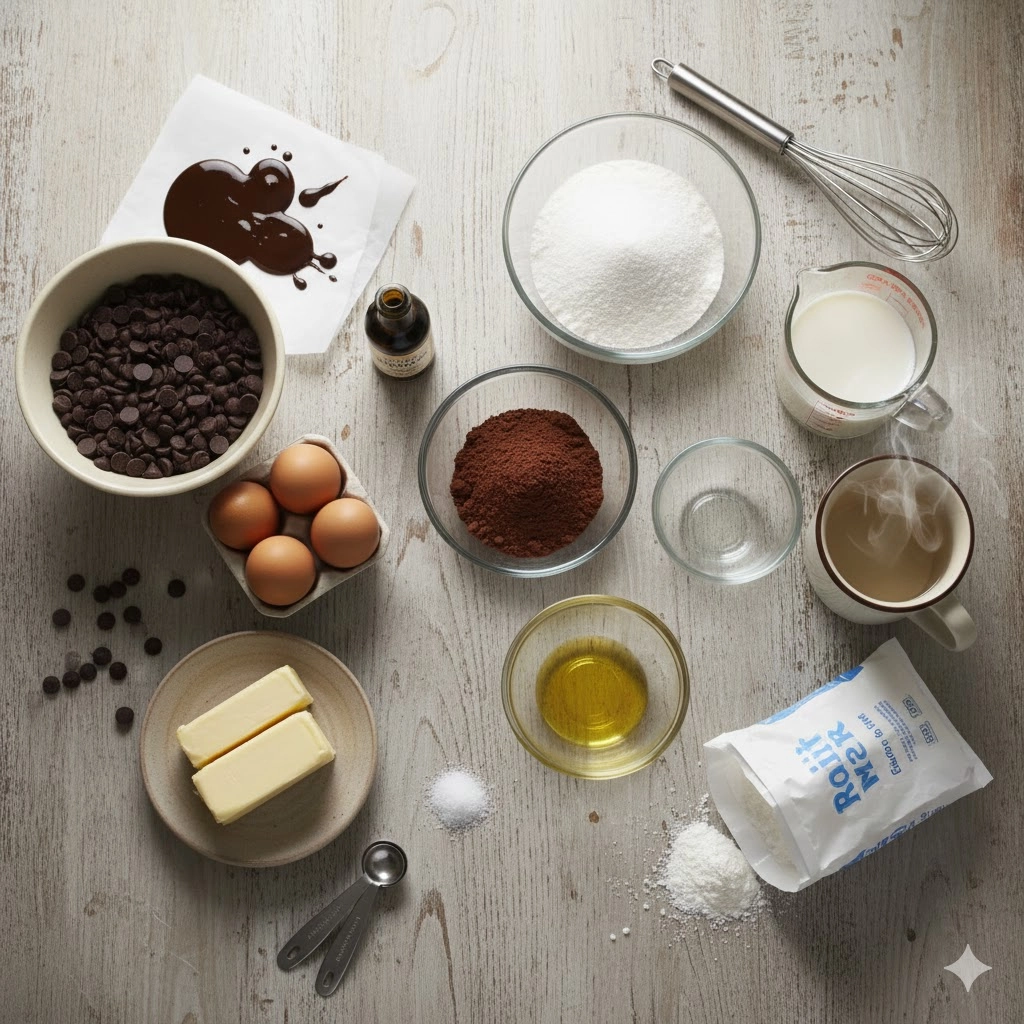
Ingredients
Chocolate Cupcakes
- 1 cup (130 grams) all-purpose flour
- 1 cup (207 grams) sugar
- 6 tablespoons (43 grams) unsweetened cocoa powder
- 1 teaspoon baking soda
- 1/2 teaspoon salt
- 1 large egg
- 1/2 cup (120 milliliters) milk or buttermilk
- 1/2 cup (120 milliliters) vegetable oil
- 3/4 teaspoon vanilla extract
- 1/2 cup (120 milliliters) hot water
Chocolate Buttercream
- 1 1/4 cups (280 grams) unsalted butter, room temperature
- 12 ounces semi-sweet chocolate chips, melted
- 3 tablespoons (22 g) unsweetened cocoa powder
- 5 cups (575 grams) powdered sugar
- Pinch of salt
- 2 to 4 tablespoons heavy cream
Instructions
Preparing the Cupcake Batter
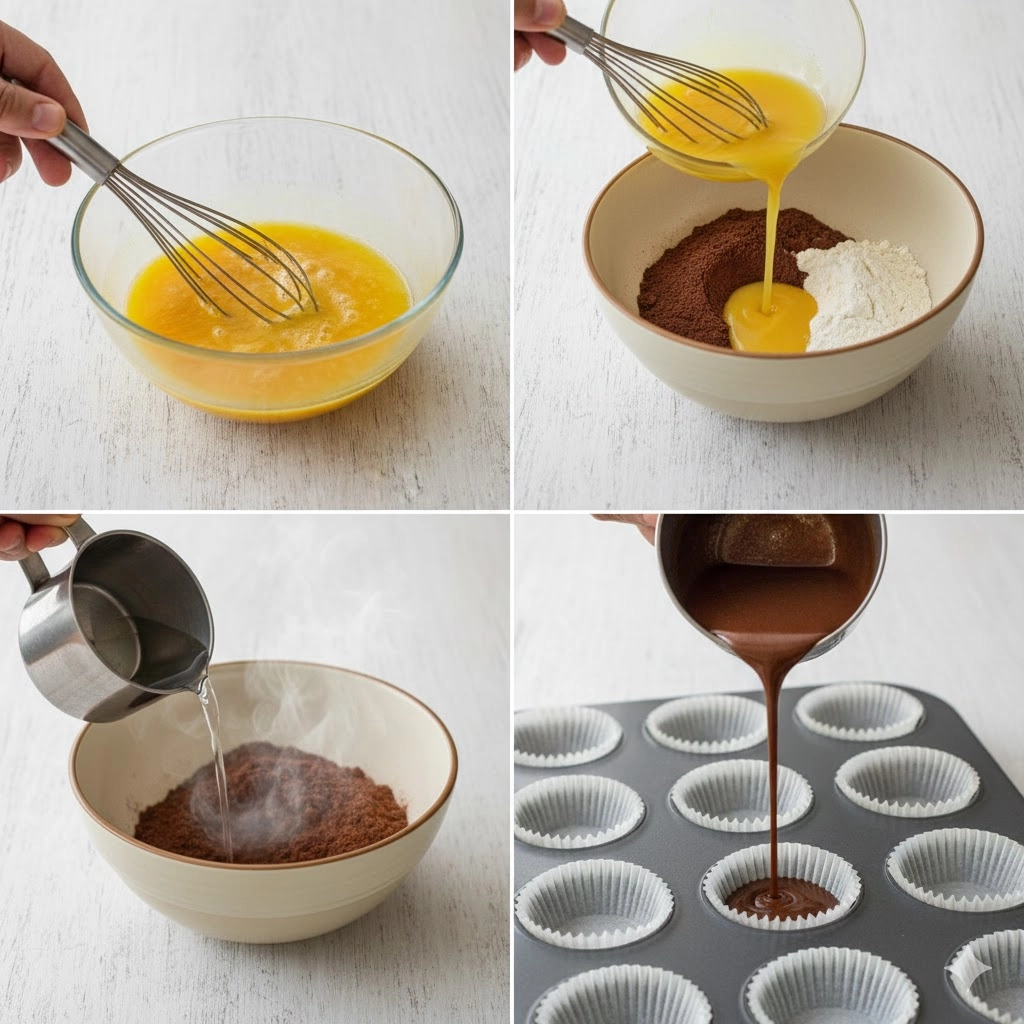
Begin by preheating your oven to 300 degrees Fahrenheit. Prepare a standard cupcake pan by lining it with paper liners. In a large mixing bowl, whisk together the all-purpose flour, sugar, unsweetened cocoa powder, baking soda, and salt until the mixture is uniform and free of large clumps. In a separate medium-sized bowl, combine the large egg, milk (or buttermilk), vegetable oil, and vanilla extract, whisking until the egg is fully incorporated.
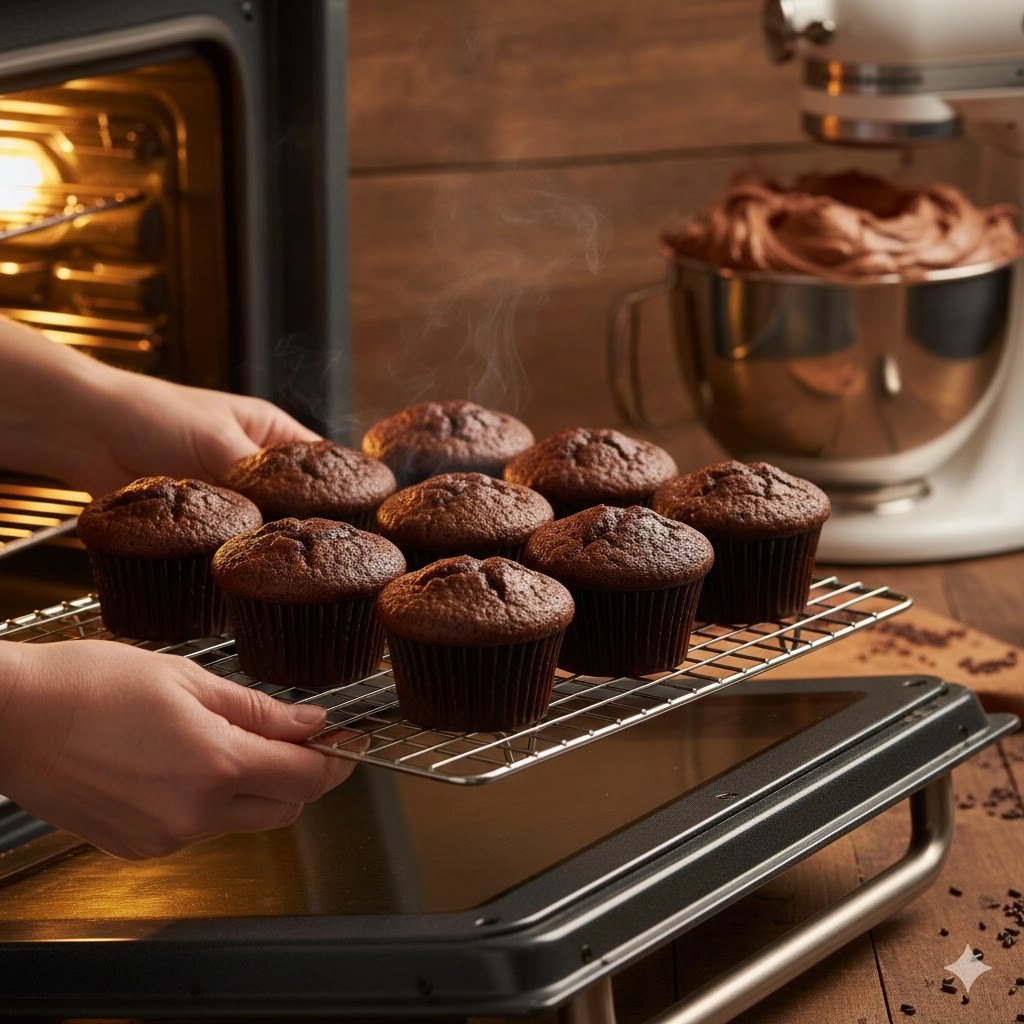
Pour the wet ingredients into the dry ingredients and whisk until the mixture is well combined. Slowly pour in the hot water and continue to whisk until the batter is smooth. Note that the batter will be very thin; this is normal. Fill each cupcake liner about half way. Bake for 18 to 23 minutes, or until a toothpick inserted into the center comes out with just a few moist crumbs. Remove the cupcakes from the oven and let them sit in the pan for 2 minutes before transferring them to a wire rack to cool completely.
Whipping Up the Chocolate Buttercream
While the cupcakes cool, prepare the frosting. In a large mixer bowl, beat the room-temperature unsalted butter until it is completely smooth and creamy. Pour in the melted semi-sweet chocolate and mix until well combined. Sift in the cocoa powder and mix again until the base is smooth.
Gradually add about half of the powdered sugar along with 2 tablespoons of heavy cream. Mix on low speed until the sugar is incorporated, then increase the speed to combine thoroughly. Add the remaining powdered sugar and a pinch of salt, mixing until smooth. If the frosting is too thick for piping, add the remaining heavy cream one tablespoon at a time until you reach your desired consistency. Once the cupcakes are entirely cool, pipe the frosting onto each one using your favorite decorative tip.
The Science of the Low-Temperature Bake
Most bakers are used to seeing a standard temperature of 350 degrees Fahrenheit for cakes and cupcakes. However, this recipe calls for a lower temperature of 300 degrees Fahrenheit. This is a deliberate choice based on the physics of the batter. Because this chocolate batter is high in moisture and very thin, a high heat environment would cause the edges to set and brown far too quickly while the center remains liquid.
By dropping the temperature, we allow the heat to penetrate the center of the cupcake more evenly. This slower bake time gives the baking soda room to react steadily, pushing the batter upward for a perfect dome rather than a peaked, cracked top. The result is a more uniform crumb structure that retains its moisture because the exterior hasn’t been “sealed” or toughened by intense heat. When you pull these out of the oven, you will notice they feel soft and springy—a hallmark of a perfectly executed low-and-slow bake.
Mastering the Texture and Process
The process of making these cupcakes is designed for ease, but understanding the “why” behind each step can help you achieve professional results. When you combine the dry ingredients, you are creating the foundation. Using a whisk here is vital to aerate the flour and break up any cocoa powder clumps, which are notorious for staying dry even after mixing.
The “blooming” of the cocoa powder occurs the moment you add the hot water. This isn’t just about mixing; the heat actually dissolves the cocoa solids, releasing flavor compounds that stay trapped in cold liquids. This is why these cupcakes taste intensely like chocolate rather than just a sweet cake.
When it comes to the frosting, the use of real melted chocolate chips combined with cocoa powder creates a multi-dimensional flavor profile. While many recipes rely solely on powdered sugar and cocoa, the addition of melted chocolate provides a fudgy, stable structure. The butter must be truly at room temperature—soft enough that a finger leaves an easy indentation—to ensure that when the melted chocolate hits it, they emulsify into a silky cloud rather than forming grainy bits.
Methods for Success and Ingredient Insights
One of the most frequent questions involves the choice of cocoa powder. While Dutch-processed cocoa is often prized for its dark color, this recipe is optimized for regular unsweetened cocoa powder. The baking soda requires an acid to react, and regular cocoa provides that natural acidity. If you switch to Dutch-process, you may find the cupcakes do not rise as high or have a slightly different texture.
Measuring your flour is another critical point. If you use a measuring cup to “scoop” directly from the bag, you will likely pack the flour down, ending up with significantly more than the required 130 grams. This leads to a dry, bready cupcake. Always use a kitchen scale for the most accurate results, or at the very least, spoon the flour into the cup and level it off with a flat edge.
Finally, the choice between milk and buttermilk is yours to make. Buttermilk contains more acid and fat, which can result in a slightly more tender crumb, but the vegetable oil in this recipe does such a heavy lift in the moisture department that standard whole milk still yields a fantastic result.
Delicious Modifications and Flavor Variations
While these cupcakes are perfection in their original form, the recipe serves as a versatile canvas for your creativity.
- The Surprise Center: Once the cupcakes are cool, you can use a small knife or a cupcake corer to remove the center. Fill the cavity with salted caramel, raspberry jam, or chocolate ganache before frosting to create a gourmet “filled” cupcake.
- Coffee Infusion: For an even deeper chocolate experience, replace the half cup of hot water with a half cup of hot, strong-brewed coffee. The coffee doesn’t make the cupcakes taste like java; instead, it acts as a flavor enhancer that makes the chocolate notes pop.
- Gluten-Free Option: You can successfully swap the all-purpose flour for a high-quality one-to-one gluten-free flour blend. Just ensure your blend contains xanthan gum to help maintain the structure.
- Festive Toppings: For holidays, consider adding different extracts to the frosting. A half teaspoon of peppermint extract in the buttercream makes for a wonderful winter treat, while a bit of orange zest can provide a bright, citrusy contrast to the rich chocolate.
Storing and Preserving Freshness
Because these cupcakes are oil-based, they stay moist much longer than traditional butter-based cakes. You can store them at room temperature in an airtight container for up to 24 hours. This makes them an excellent candidate for making the day before an event.
If you need to keep them longer, move the container to the refrigerator for up to five days. However, chocolate buttercream contains a high volume of butter, which firms up when cold. For the best eating experience, always bring refrigerated cupcakes back to room temperature for about thirty minutes before serving. This allows the frosting to soften back into its creamy, melt-in-your-mouth state.
For long-term storage, these cupcakes freeze beautifully. You can freeze them either frosted or unfrosted. Place them on a tray in the freezer for an hour to “set” the frosting, then wrap them carefully or place them in a freezer-safe container for up to three months. Thaw them overnight in the refrigerator and bring them to room temperature before enjoying.
Perfect Pairings and Presentation
How you serve these cupcakes can elevate them from a simple snack to the centerpiece of a dessert table.
- The Classic Milk Match: Nothing beats a cold glass of whole milk alongside a rich chocolate cupcake. The creaminess of the milk cuts through the intensity of the semi-sweet chocolate buttercream.
- Fresh Berries: Serve a single cupcake on a plate with a handful of fresh raspberries or sliced strawberries. The tartness of the fruit provides a beautiful balance to the sweetness of the sugar.
- Ice Cream Sundae Style: Warm an unfrosted cupcake for ten seconds in the microwave, place it in a bowl, and top it with a scoop of vanilla bean ice cream and a drizzle of hot fudge.
- Elegant Garnishes: If you want a more sophisticated look, skip the sprinkles and use a vegetable peeler to create chocolate curls from a bar of dark chocolate. A light dusting of sea salt over the chocolate buttercream can also add a modern, savory twist.
Deep-Dive Culinary Questions
Why does this recipe use vegetable oil instead of butter?
Butter is wonderful for flavor, but oil is a liquid at room temperature, which translates to a sensation of extreme moistness in the mouth. Cupcakes made with butter can sometimes feel dry or “tight” if they aren’t eaten immediately, whereas oil-based cupcakes remain soft and tender for days. Since we are getting plenty of rich butter flavor from the frosting, the oil in the cake provides the perfect structural balance.
Can I use a different type of oil like olive oil or coconut oil?
You can use other oils, but it will change the flavor profile. A neutral oil like vegetable or canola is recommended so the chocolate remains the star. Extra virgin olive oil will add a distinct peppery or floral note, which some people enjoy with chocolate, while melted coconut oil may add a subtle tropical hint and can cause the batter to firm up slightly more when cooled.
How do I know exactly when the cupcakes are done without overbaking?
The “toothpick test” is your best friend. Start checking at the 18-minute mark. You are looking for the toothpick to come out with a few moist crumbs attached. If it comes out completely clean, they are likely just a tiny bit overdone. If it comes out with wet batter, they need another two or three minutes. Remember that the cupcakes will continue to cook slightly from the residual heat once they are pulled from the oven.
Is it really necessary to melt the chocolate chips for the frosting?
Yes, the melted chocolate is what gives this buttercream its “fudge-y” quality and superior stability. If you were to use only cocoa powder, you would need much more powdered sugar to achieve the same thickness, which can make the frosting taste overly sweet and somewhat “chalky.” The melted chocolate adds fat and solids that create a much smoother, richer mouthfeel.
Creating Lasting Kitchen Memories
Baking is more than just following a set of instructions; it is about the joy of creating something from scratch that brings people together. This chocolate cupcake recipe is designed to be a reliable staple in your kitchen, one that you can return to year after year. The simplicity of the “whisk and bake” method means you can involve children or novice bakers in the process, making the kitchen a place of learning and fun. As the aroma of blooming cocoa fills your home, you’ll be reminded that the best treats don’t require complex machinery or expensive ingredients—just a little bit of heat, a good whisk, and a love for all things chocolate.
Nutrition Information
| Nutrient | Amount Per Serving |
| Calories | 520 |
| Total Fat | 29.7 grams |
| Cholesterol | 54.8 milligrams |
| Sodium | 168.3 milligrams |
| Total Carbohydrates | 65.6 grams |
| Protein | 3.8 grams |
| Sugar | 55.8 grams |
Disclaimer
All nutritional values provided are estimates based on standard ingredient measurements. Actual nutritional content may vary depending on specific brands used and individual preparation methods.
PrintEasy Moist Chocolate Cupcakes
Made completely from scratch, these moist chocolate cupcakes are delicious and a crowd favorite! They are super moist, pack tons of chocolate flavor and are so easy to make! Topped with a rich chocolate buttercream, these are amazing!
- Prep Time: 15 mins
- Cook Time: 20 mins
- Total Time: 35 mins
- Yield: 12 cupcakes 1x
- Category: Dessert
- Method: Baking
- Cuisine: American
- Diet: Vegetarian
Ingredients
1 cup all-purpose flour
1 cup sugar
6 tbsp unsweetened cocoa powder
1 tsp baking soda
1/2 tsp salt
1 large egg
1/2 cup milk or buttermilk
1/2 cup vegetable oil
3/4 tsp vanilla extract
1/2 cup hot water
1 1/4 cups unsalted butter, room temperature
12 oz semi-sweet chocolate chips, melted
3 tbsp unsweetened cocoa powder
5 cups powdered sugar
Pinch of salt
2–4 tbsp heavy cream
Instructions
1. Preheat oven to 300 Fahrenheit and prepare a cupcake pan with liners.
2. Add the flour, sugar, cocoa powder, baking soda and salt to a large mixing bowl and combine.
3. Add the egg, milk, vegetable oil and vanilla extract to another bowl and whisk together.
4. Add the wet ingredients to the dry ingredients and mix until well combined.
5. Add the hot water to the batter and mix. The batter will be very thin.
6. Fill the cupcake liners about half way and bake for 18-23 minutes.
7. Remove from oven and allow to cool for 2 minutes, then move to a cooling rack.
8. To make the frosting, beat the butter until smooth.
9. Mix in melted chocolate followed by cocoa powder.
10. Add half of powdered sugar and 2 tablespoons of heavy cream and mix until smooth.
11. Add remaining powdered sugar, salt, and more cream as needed to reach consistency.
12. Pipe the frosting onto the cooled cupcakes.
Notes
The hot water allows the cocoa to bloom for a richer flavor.
Baking at 300 Fahrenheit ensures an even rise for thin batter.
Store at room temperature for 24 hours then refrigerate for up to 5 days.
Nutrition
- Serving Size: 1 cupcake
- Calories: 520
- Sugar: 55.8g
- Sodium: 168.3mg
- Fat: 29.7g
- Saturated Fat: 14g
- Unsaturated Fat: 12g
- Trans Fat: 0g
- Carbohydrates: 65.6g
- Fiber: 1g
- Protein: 3.8g
- Cholesterol: 54.8mg