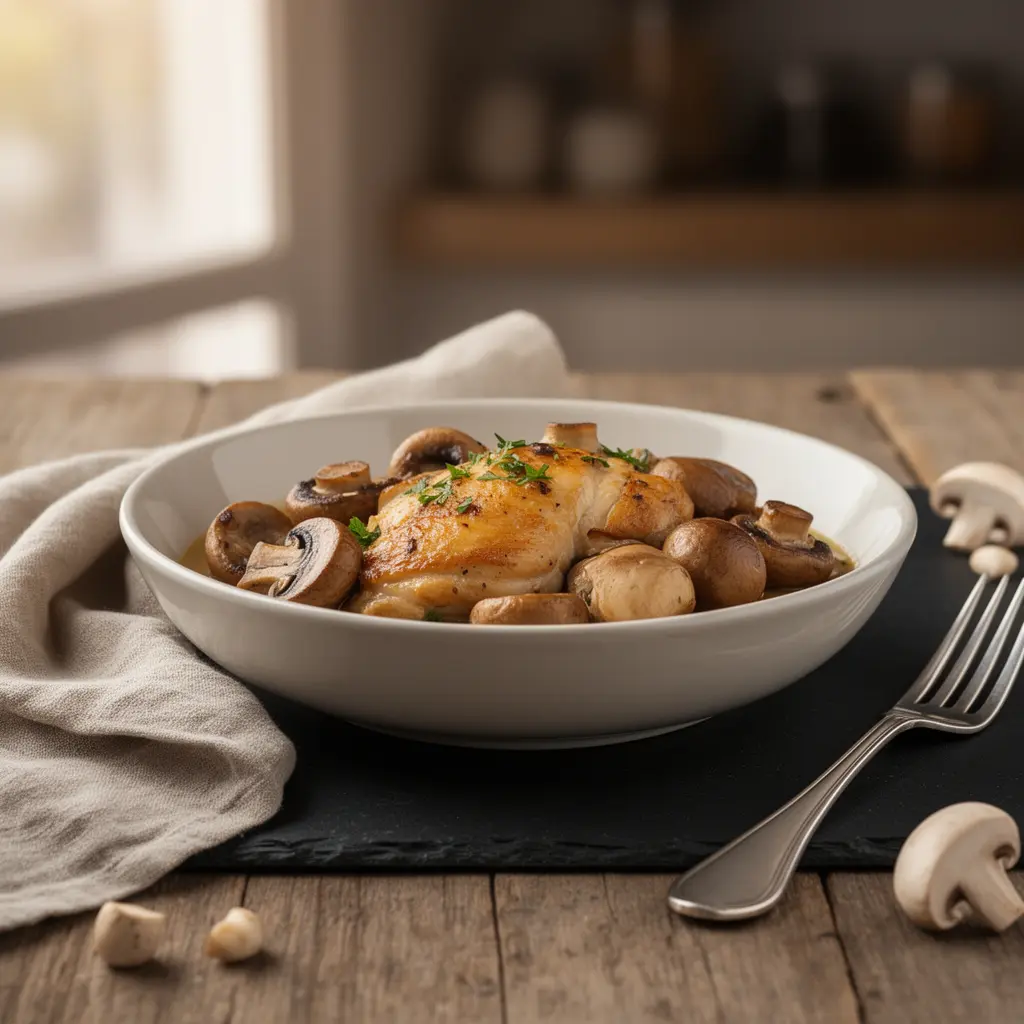
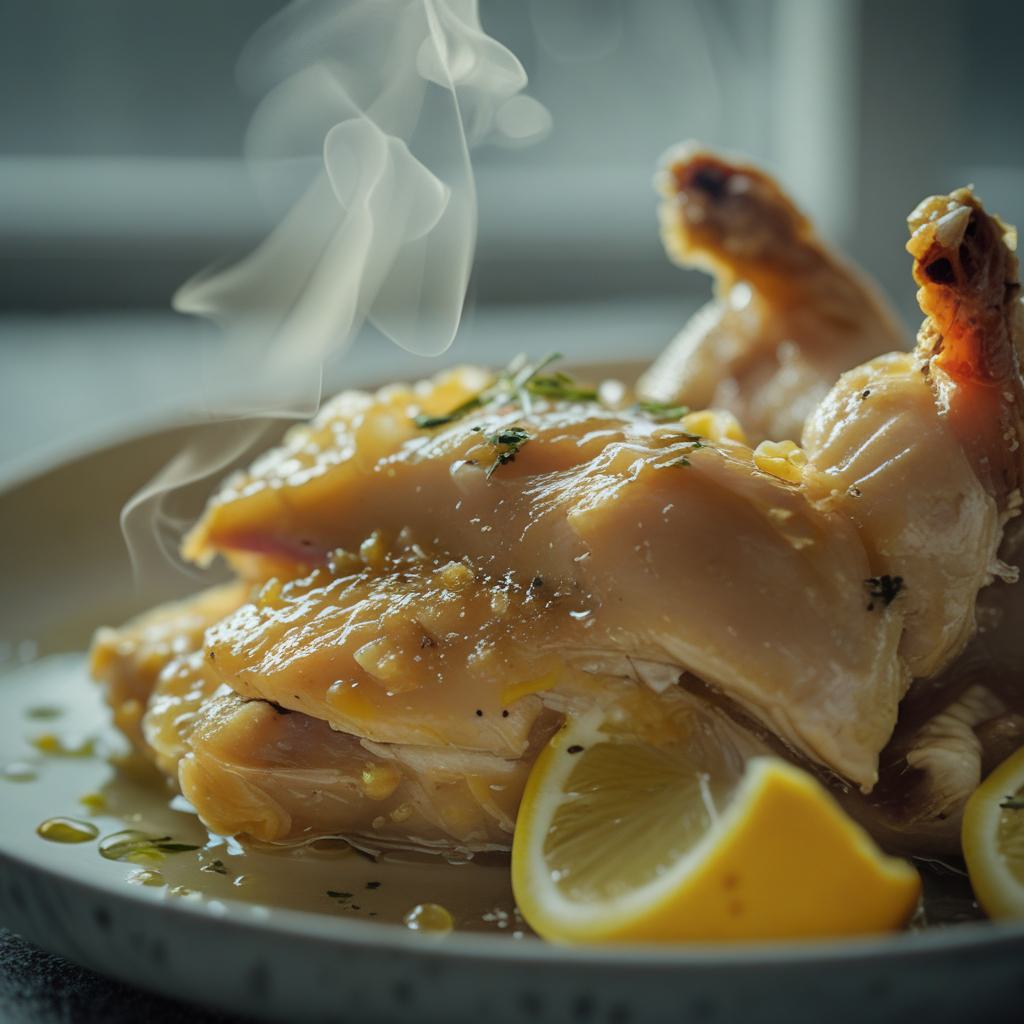
The first inhalation of lemon garlic chicken at its zenith stops time. As the butter hits the hot pan, sharp citrus oils vaporize into the air like edible glitter. Then comes the garlic – not harsh or acrid, but caramelizing into something profoundly nutty as it embraces the golden poultry. This is alchemy in its purest form: ordinary chicken thighs elevated by their bronzed, crackling skin into vessels carrying the Mediterranean sun. The aroma triggers primal hunger, layered with sophistication – bright high notes of lemon zest dancing with earthy depths of thyme, all bound together by the unctuous promise of pan drippings begging to be deglazed.
What makes this dish transcend bar food is textural seduction. Skin so crisp it shatters like toffee gives way to impossibly juicy meat infused with garlic through every fiber. The sauce – oh, the sauce – clings lazily to each forkful, neither too acidic nor too rich, balanced by the chef’s precise hand. This isn’t mere sustenance; it’s an edible sonnet where every ingredient sings in perfect harmony. When executed with the precision of a watchmaker, lemon garlic chicken achieves something extraordinary: it tastes exactly like memories you never made, of sun-drenched terraces overlooking azure seas where laughter and clinking glasses echo late into the twilight.
Table of Contents
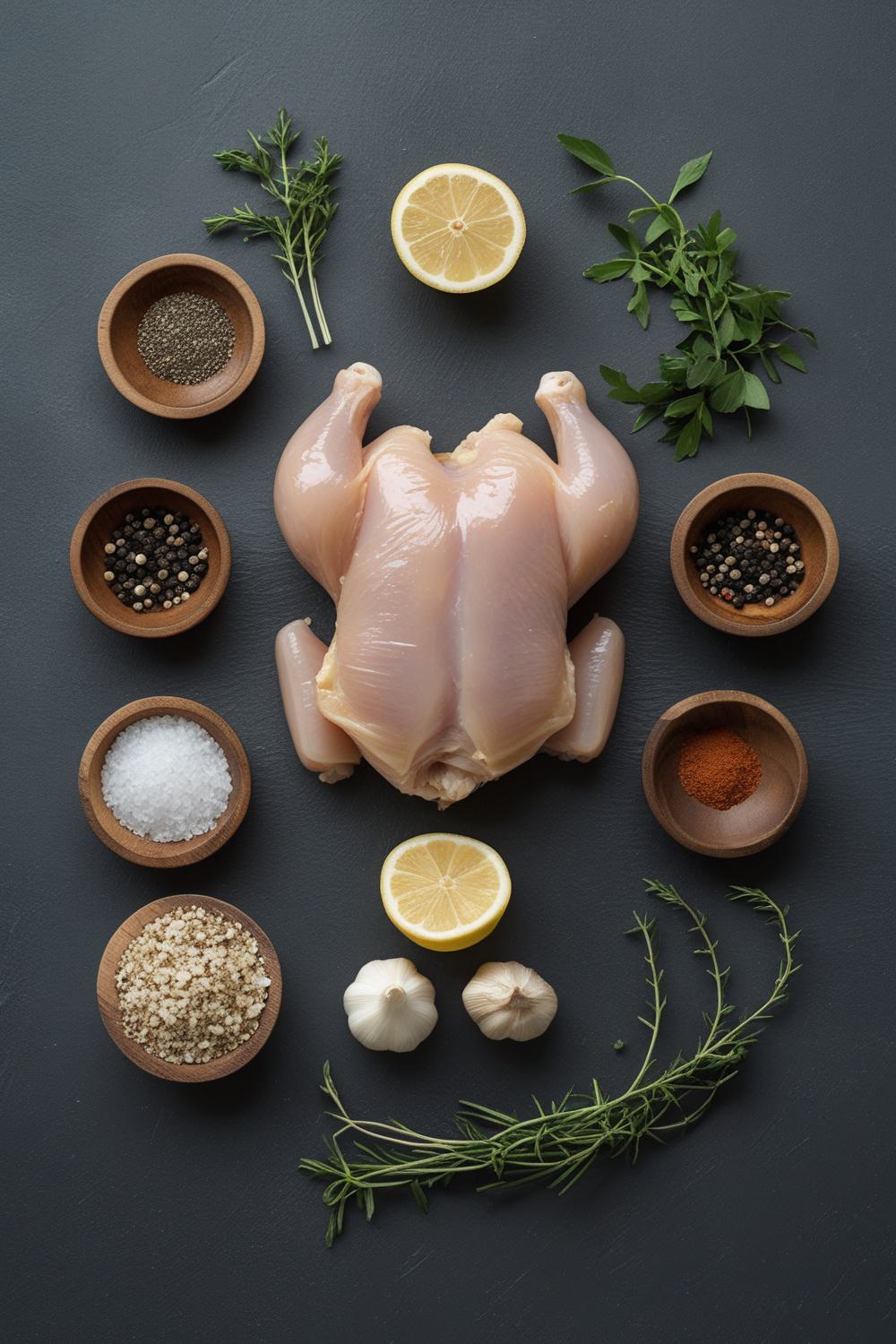
Ingredient Deep Dive
| Ingredient | Quantity | Purpose |
|---|---|---|
| Bone-in chicken thighs | 6 pieces | Fat content prevents drying; bones enhance flavor |
| Cold unsalted butter | 100g | Emulsifies sauce while controlling salt |
| Garlic cloves (whole) | 12-14 | Slow roasting creates creamy texture |
| Lemon zest & juice | 2 large | Zest for aroma, juice for balanced acidity |
| Dry white vermouth | 120ml | Higher sugar content than wine; superior glaze |
| Fresh thyme sprigs | 8-10 | Woody notes counterbalance citrus |
The protein-fat ratio in chicken thighs is intentional chemistry. Unlike lean breasts, thighs maintain moisture during high-heat searing while their collagen melts into gelatin, creating that sought-after “spoon-tender” texture. Whole garlic cloves undergo transformation: their harsh alliinase enzymes mellow through Maillard reactions, developing nutty sweetness as internal temperatures reach 70°C (158°F).
Acid management is critical. Lemon juice added too early curdles dairy elements, while late addition preserves vibrancy. This is why we integrate zest at the start (oil-soluble flavors bind to fat) and reserve juice for finishing. The vermouth isn’t optional – its fortified wine structure (18-20% ABV) withstands reduction without bitterness, while its herbal botanicals echo the thyme’s terpenes, creating flavor layering most dry wines can’t achieve.
Substitutions & Swaps
For gluten-free needs, ensure your vermouth is certified GF (Cocchi Americano works beautifully). Vegan adaptations replace chicken with butter-basted cauliflower steaks – score crosshatch patterns to maximize sauce absorption. Swap butter for Miyoko’s cultured vegan butter to maintain emulsion integrity.
When fresh thyme isn’t available, marjoram or 1/3 dose of dried thyme (rubbed between palms) suffice. In dire pantry situations, replace vermouth with 60ml apple cider vinegar + 60ml vegetable broth + 1 tsp honey – but expect brighter acidity. For those avoiding alcohol, use double-strength mushroom stock reduced by half. Though skinless breasts can be used, brine them 2 hours in 4% saltwater solution first to prevent drying.
Equipment Guide
Your pan determines destiny. Enameled cast iron (like Le Creuset) provides unmatched heat retention for developing fond without scorching garlic. Stainless steel facilitates superior deglazing but demands vigilant temperature control. Never use non-stick – it prevents proper browning and fond development.
Essential tools include: microplane for perfect lemon zest ribbons, fish spatula (thinner edge flips chicken without tearing skin), and infrared thermometer to verify pan surface reaches 185°C (365°F) before searing. A splatter screen preserves stovetop sanity. For consistent results, measure liquids with a Japanese jigger – its slender design allows milliliter precision most measuring cups lack.
Step-by-Step Walkthrough
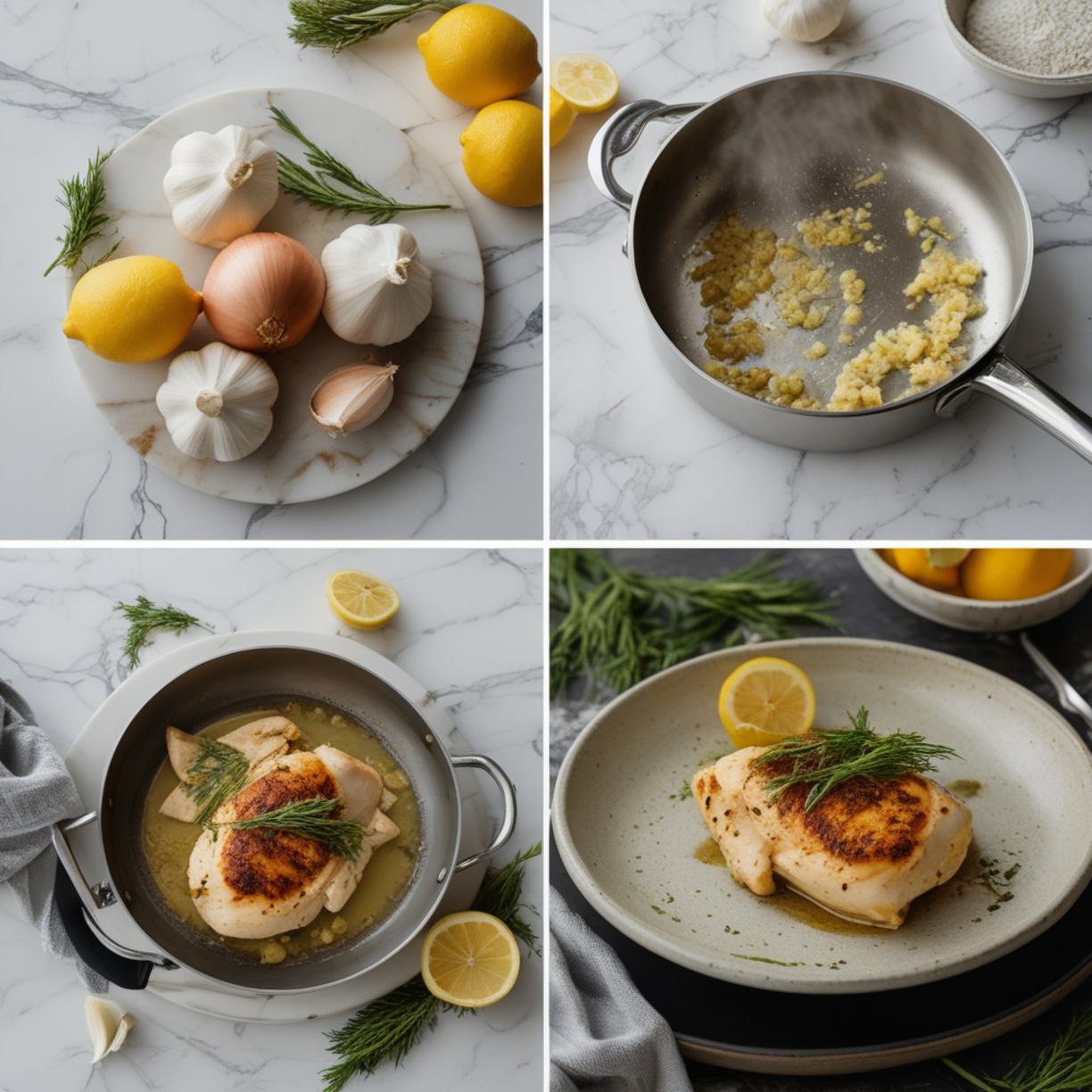
- Pat chicken dry; season skin with coarse sea salt (8 hours ahead if possible)
- Heat pan to medium-high; add 1 tbsp olive oil until shimmering
- Place chicken skin-side down; press gently with spatula for full contact
- Sear undisturbed 8 minutes until golden; flip; add garlic cloves
- Transfer pan to 190°C (375°F) oven; roast 12 minutes
- Return pan to stove; remove chicken to rest
- Pour vermouth into hot pan; scrape fond with wooden spoon
- Reduce liquid by 80%; lower heat; whisk in cold butter cubes
- Off heat, stir in lemon juice and zest; adjust seasoning
- Pour sauce over chicken; garnish with fresh thyme
Three professional insights elevate this technique. First, salting hours ahead draws moisture from skin through osmosis, creating drier surfaces that brown faster. Second, flipping chicken only once preserves the fragile sear – trust the process even if sticking occurs initially (it releases when ready). Finally, cold butter emulsification requires temperature control: sauce should be below 60°C (140°F) when whisking to prevent breaking. Add butter piece by piece, swirling pan rather than stirring aggressively.
The resting phase isn’t optional. As chicken sits, its internal temperature continues climbing 5-7°C (9-12°F) while juices redistribute. Slicing too soon sacrifices 40% moisture. For optimal results, rest thighs on a wire rack skin-side up to prevent steaming.
Expert Tips & Troubleshooting
Achieving crackling skin starts at the market: select chicken with thick, yellow-tinged skin indicating higher collagen content. If your sauce breaks (oily appearance), rescue it with an ice cube – the rapid chill re-emulsifies fats. For weak lemon flavor, add zest to finishing salt (bake at 100°C/212°F for 10 minutes, then blend).
Common errors and fixes:
– Pale chicken: insufficient pan preheat; use thermometer
– Bitter garlic: cloves sliced instead of whole; slices burn
– Curdled sauce: heat too high when adding citrus; cool pan with ice bath before whisking
– Soggy skin: overcrowded pan lowers temperature; cook in batches
Pro secret: For umami depth without altering flavor, add one mashed anchovy during deglazing – it dissolves imperceptibly.
Flavor Variations
For a Tunisian twist, add preserved lemon paste and harissa to the sauce, finishing with green olives. Kid-friendly versions replace vermouth with apple juice concentrate; mix lemon juice with honey before saucing.
Spicy iterations employ Szechuan peppercorns (toasted and ground) in place of thyme – their citrusy heat complements the dressing beautifully. Seafood lovers can adapt this to shrimp: reduce cook time to 90 seconds per side, using orange zest instead of lemon.
Storage & Reheating
Store components separately: chicken in airtight container with paper towels to absorb moisture; sauce in jar with 1cm olive oil layer to prevent oxidation. Reheat in two stages:
1. Chicken skin-side up in 180°C (350°F) oven 10 minutes
2. Warm sauce gently in double-boiler, whisking in 1 tsp water
Leftovers transform brilliantly into salads – shred cold chicken over farro with roasted vegetables, using leftover sauce as dressing base.
FAQ Section
“Can I use minced garlic instead?”
No – minced burns before chicken cooks through. Whole cloves caramelize safely.
“How to make it less tangy?”
Reduce lemon juice by half; compensate with 1 tsp orange marmalade.
“Can I prep ahead?”
Salt chicken up to 24 hours prior; make sauce base (without butter) 2 days ahead.
“Best side dishes?”
Creamy polenta absorbs sauce beautifully; garlic-roasted broccoli completes the flavor circle.
The Recipe Card
Lemon Garlic Chicken Thighs
Juicy bone-in chicken with crisp skin, swimming in velvety lemon-garlic sauce. Seared then oven-roasted, finished with vermouth reduction and cold butter emulsification. Total cook time: 35 minutes. Impressive yet approachable centerpiece for 4.
Nutrition Information
| Nutrient | Per Serving |
|---|---|
| Calories | 510 |
| Total Fat | 34g |
| Saturated Fat | 13g |
| Protein | 43g |
| Carbohydrates | 7g |
| Sodium | 470mg |
*Nutrition calculated using 90% butter absorption. Actual values may vary based on ingredient brands and preparation variations. Consult a nutritionist for dietary needs.