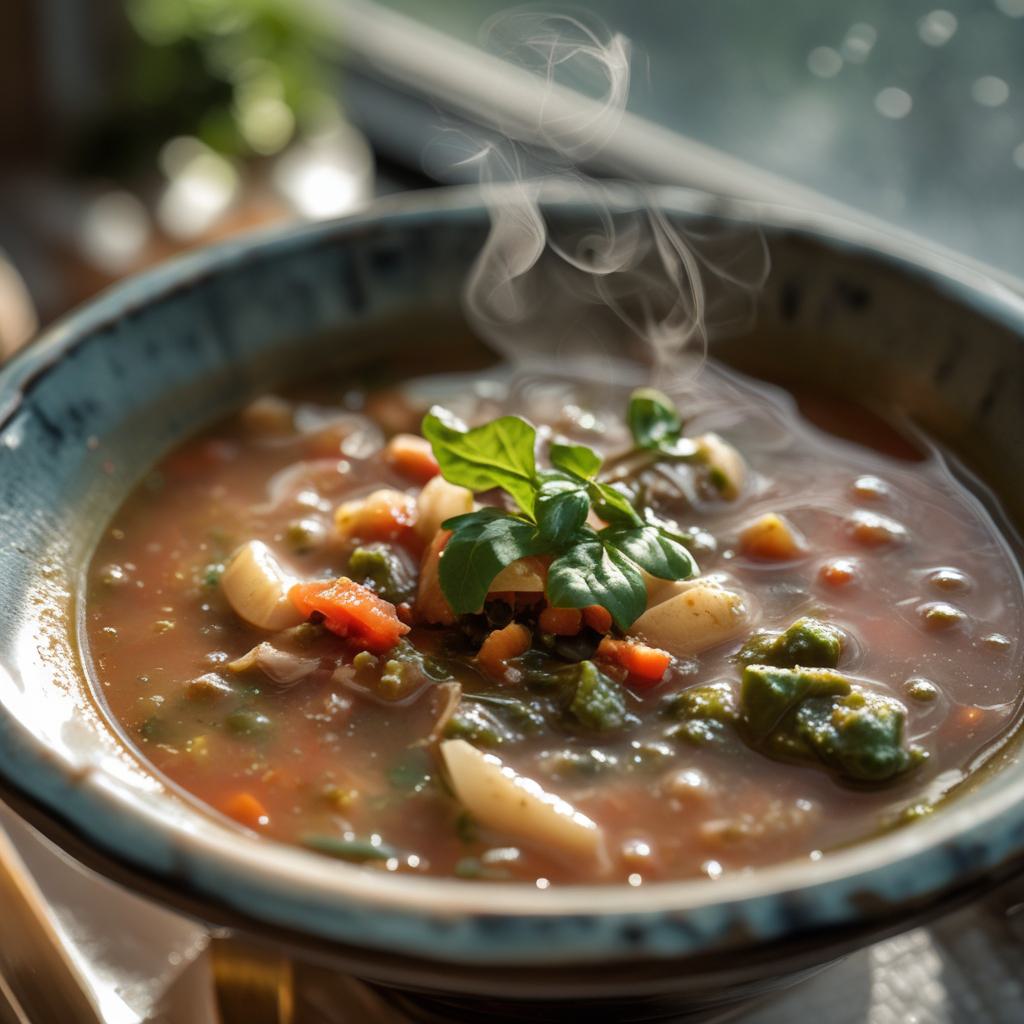
Imagine the aroma of garlic sizzling in golden olive oil, the earthy perfume of rosemary and thyme awakening your senses as diced carrots and celery dance in the pot. This is Italian minestrone at its simplest yet most profound – a symphony of humble vegetables transformed into culinary poetry through slow simmering and ancestral wisdom. Unlike fussy restaurant fare, authentic minestrone celebrates imperfection: zucchini slices needn’t be identically cylindrical, beans may vary by season, and that half-empty box of pasta in your pantry? Perfection. The broth becomes silken as tomatoes break down, their acidity tempered by sweet onions, while Parmesan rinds (never discarded in Italian kitchens!) lend umami magic like edible alchemy. As steam rises in aromatic tendrils, you’ll understand why this peasant dish conquered the world – each spoonful tastes like sunshine-steeped Tuscany.
Table of Contents
Ingredient Deep Dive
| Ingredient | Quantity | Purpose |
|---|---|---|
| Extra-virgin olive oil | 3 tbsp | Flavor foundation & sautéing medium |
| Yellow onion | 1 medium | Aromatic sweetness base |
| Carrots | 2 medium | Natural sweetness & texture |
| Celery ribs | 2 | Savory depth & mouthfeel |
| Garlic cloves | 4 | Flavor catalyst |
| Tomato paste | 2 tbsp | Umami concentration |
| San Marzano tomatoes | 1 can (28oz) | Acidic brightness |
| Vegetable broth | 6 cups | Liquid base |
| Cannellini beans | 2 cups cooked | Creamy protein |
| Parmigiano rind | 1 piece | Hidden umami bomb |
| Ditalini pasta | 3/4 cup | Starch/texture balance |
The olive oil’s smoke point matters – premium extra-virgin provides fruity notes without burning during the crucial soffritto (onion-carrot-celery) sauté. San Marzano tomatoes contain less water and more flesh than standard varieties, preventing soup dilution while delivering intense tomato essence. Cannellini beans’ delicate skins dissolve slightly during cooking, naturally thickening the broth without flour.
Acid balance is engineering: tomato paste’s concentrated glutamate content amplifies savoriness, while the Parmesan rind’s calcium lactate works like MSG. The pasta starch acts as a natural emulsifier when released during cooking, creating a velvety broth that clings to vegetables. Using homemade stock would bring collagen into the matrix for even greater mouthfeel.

Substitutions & Swaps
For vegan versions, substitute Parmigiano rind with 1 tsp white miso paste and use nutritional yeast instead of grated cheese. Gluten-free diners should replace ditalini with rice pasta or quinoa – though pre-cook grains separately to prevent starch overload. No fresh herbs? Use 1 tsp dried oregano + 1/2 tsp dried rosemary (crush between fingers).
Meat lovers can add pancetta with the soffritto, while seafood variations work beautifully with clams and squid. Root vegetable swaps are endless: parsnips bring peppery notes, sweet potatoes add viscosity. For pantry flexibility, canned beans replace soaked dried ones (rinse thoroughly). Out of tomato paste? Roast cherry tomatoes until caramelized and blend into the broth.
Equipment Guide
Use a 5-quart enameled cast iron Dutch oven – its heat retention prevents scorching during long simmers. A sharp 8-inch chef’s knife ensures clean cuts on vegetables for even cooking. Critical tools include: Microplane for garlic (releases more allicin than chopping), spider skimmer to remove herb sachets cleanly, and ladle with pour spout for serving. Avoid reactive metals like aluminum which alter acidity. A tempered glass lid lets you monitor bubbling intensity without losing steam – crucial for starch development.
Step-by-Step Walkthrough
- Heat olive oil over medium-low until shimmering (45 seconds)
- Sauté diced onion 4 minutes until translucent
- Add carrots + celery; cook 8 minutes until edges caramelize
- Stir in minced garlic + tomato paste; cook 2 minutes
- Crush tomatoes by hand into pot; include juices
- Add broth, Parmesan rind, 1 tsp salt; simmer 15 minutes
- Fold in beans and pasta; cook 10 minutes until al dente
- Discard rind; stir in 2 tbsp chopped parsley
- Rest 10 minutes before serving
Professional Execution: Control the soffritto’s moisture release – vegetables should hiss gently, not sizzle violently. Deglaze with tomatoes when fond (browned bits) appears, scraping with wooden spoon to incorporate flavors. Never boil violently after adding pasta; starch molecules burst causing mushiness.
Temperature Management: Start soffritto at medium-low (130°C/265°F) for enzymatic reactions that develop sweetness. Increase to medium (163°C/325°F) for tomato paste caramelization drop to gentle simmer (85°C/185°F) for broth infusion.
Timing Secrets: Add beans late to preserve shape; cooked pasta continues absorbing liquid off-heat hence the resting period. Season in layers: salt at broth stage, adjust after pasta cooks, final touch with black pepper.

Expert Tips & Troubleshooting
Pro secrets: Freeze leftover tomato paste in tablespoon portions; add bruised basil stems to the simmer for chlorophyll freshness. If soup becomes too thick, never add water – use reserved bean liquid or more broth.
Texture Rescue: Overcooked vegetables? Purée 1 cup soup then stir back in. For bland broth, amplify with 1/2 tsp red wine vinegar. If pasta absorbs too much liquid, add hot broth during reheating.
Avoid the cardinal sin: adding greens (spinach/kale) too early. Stir in during last 3 minutes to retain color and nutrients. Always serve with high-quality olive oil drizzle – its peppery finish elevates every spoonful. For deeper flavor, refrigerate overnight before serving; flavors marry as starches retrograde.
Flavor Variations
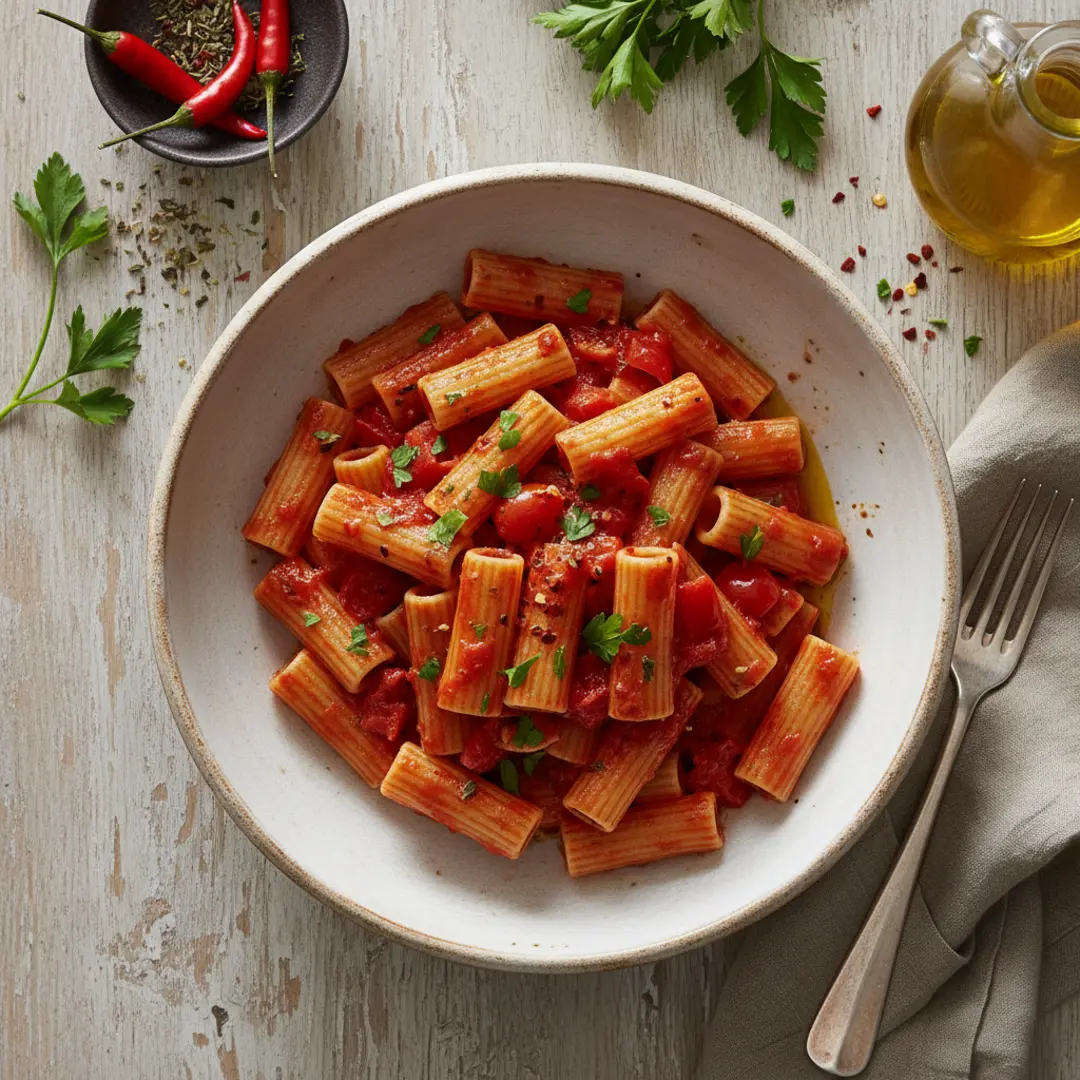
For Spicy Arrabbiata version: Add 1 tsp crushed red pepper flakes with garlic, finish with nduja sausage. Children’s Minestrone: Replace cannellini with sweeter butter beans, use star-shaped pasta, blend 1/4 of soup for creaminess.
Winter Edition: Incorporate roasted butternut squash and sage sprigs. Spring Fresco: Peas, asparagus, and lemon zest brighten the profile. Chef’s Luxury: Top with seared scallops or truffle oil for Michelin-worthy plating.
Storage & Reheating
Cool completely before refrigerating in airtight containers for up to 5 days. Freeze without pasta for 3 months; add fresh pasta during reheating. Always thaw overnight in fridge. Reheat gently in saucepan over medium-low, stirring occasionally. If freezing, undercook vegetables by 2 minutes to compensate for texture loss.
FAQ Section
Can I use frozen vegetables?
Yes, but add later in cooking – their high moisture content dilutes flavors if added too early.
Why is my minestrone bitter?
Burnt garlic or over-caramelized tomato paste. Control heat carefully and deglaze promptly.
Can I make it creamy without dairy?
Blend 1/2 cup white beans with broth before adding vegetables.
How to increase protein?
Add Italian sausage with soffritto or stir in cooked lentils at the end.
Nutrition Information
| Nutrient | Per Serving (1.5 cups) |
|---|---|
| Calories | 280 |
| Fat | 7g |
| Sodium | 620mg |
| Carbs | 45g |
| Fiber | 11g |
| Sugar | 8g |
| Protein | 10g |
Disclaimer: Nutritional values are estimates using USDA database. Actual numbers may vary based on ingredient brands and preparation methods. Consult a nutritionist for medical concerns.