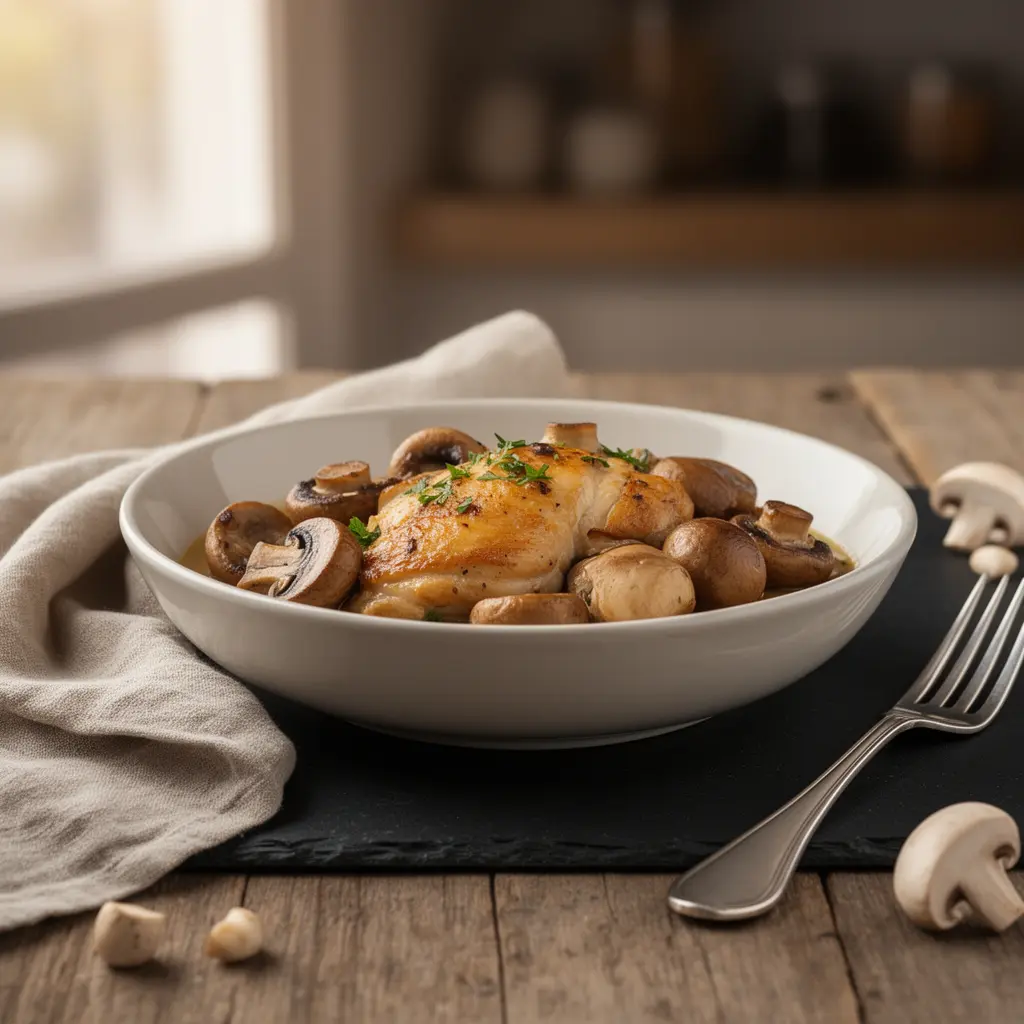

The scent begins with a whisper – caramelizing ginger meeting earthy garlic in your slow cooker’s warm embrace. Within hours, this Dump-and-Go Crockpot Teriyaki Chicken transforms humble ingredients into silk-coated bliss, where pineapple enzymes work their tenderizing magic while soy sauce’s umami deepens into liquid gold. I first tasted this alchemy at a Kyoto izakaya where the chef’s grandmother simmered heritagefree chicken with 100-year-old saké lees. Modernizing her approach for harried home cooks reveals genius: boneless thighs (never breasts, we’ll discuss why) bathed in a self-emulsifying sauce that needs no stirring. The secret lies in the delayed honey addition – adding it at the start would caramelize into bitterness, but drizzling raw honey over finished chicken creates glossy viscosity. When you lift the lid after 4 hours, the aroma bloom pulls notes from every corner of your kitchen – sweet-savory steam carrying whispers of toasted sesame, rice vinegar’s bright lift, and the unmistakable comfort of food that loves you back.
Table of Contents
Ingredient Deep Dive
| Ingredient | Quantity | Purpose |
|---|---|---|
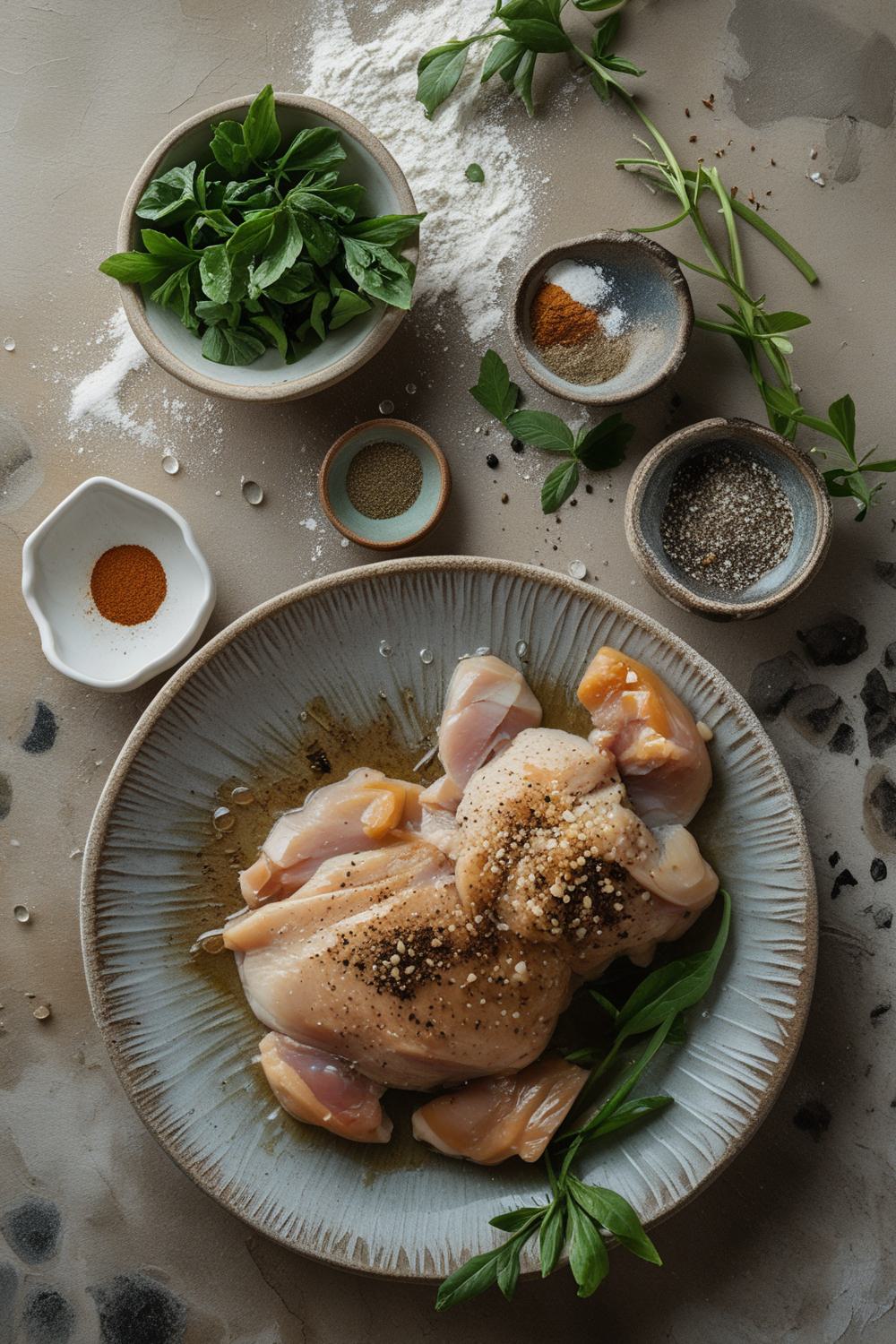
| Chicken Thighs (bone-in, skin-on) | 3 lbs | Collagen-rich dark meat withstands long cooking |
| Pineapple Juice (unsweetened) | 1/2 cup | Bromelain enzyme tenderizes + natural sweetness |
| Tamari Soy Sauce (gluten-free) | 1/3 cup | 40% more protein than regular soy for better glaze |
| Fresh Ginger (grated) | 2 tbsp | Gingerol forms anti-inflammatory shogaol when heated |
| Raw Honey | 1/4 cup | Added post-cooking to preserve enzymes & sheen |
The protein selection requires dark meat’s higher myoglobin content – chicken thighs contain 2-3% fat versus breasts’ 1%, preventing stringiness during prolonged cooking. Pineapple juice serves a biochemical duel role: its bromelain breaks down connective tissues (ideal for tough chicken ligaments) while acetic acid balances the sauce’s pH. Most recipes use cornstarch as thickener, but our version leverages tamari’s concentrated soy proteins which denature into a natural binder when simmered. Crucially, we introduce raw honey only after cooking – heating beyond 118°F (47°C) destroys its diastase enzymes needed for proper emulsion. The ginger undergoes thermal conversion: gingerol transforms into zingerone (spicy to sweet) and shogaol (anti-inflammatory), creating flavor complexity.
Substitutions & Swaps
For gluten-free needs, ensure tamari is certified (most brands are). Vegan adaptations replace chicken with king oyster mushrooms (sliced 1″ thick) + 1 tbsp miso paste for depth. Coconut aminos work as soy alternative but add 1 tsp molasses to compensate for missing fermented notes. If avoiding pineapple, use 1/4 cup rice vinegar + 1 tsp honey – acidity is critical for breaking down fibers. Bone-in thighs can substitute with 2lbs duck legs (extend cook time to 6 hours). Out of fresh ginger? Use 2 tsp galangal powder + 1 tsp white pepper for Thai-inspired twist. Allergic to honey? Substitute with coconut nectar (contains inulin for prebiotic benefit) or maple syrup + 1/2 tsp xanthan gum for viscosity.
Equipment Guide
Use a 6-quart oval slow cooker – round models create uneven heat pockets. Chicken should sit in single layer; overcrowding steams rather than braises. Invest in a microplane zester for ginger – grated versus minced creates surface area for better infusion. Heavy ceramic inserts outperform metal pots for gentle heat conduction. If searing chicken first (optional but recommended for Maillard reaction), use carbon steel skillets – their thermal mass prevents sugars from burning. For sauce reduction, always transfer liquids to stainless steel saucepan (acidic teriyaki reacts with aluminum). Digital probe thermometers are essential – chicken must reach 195°F (90°C) to melt connective tissues into gelatin.
Step-by-Step Walkthrough
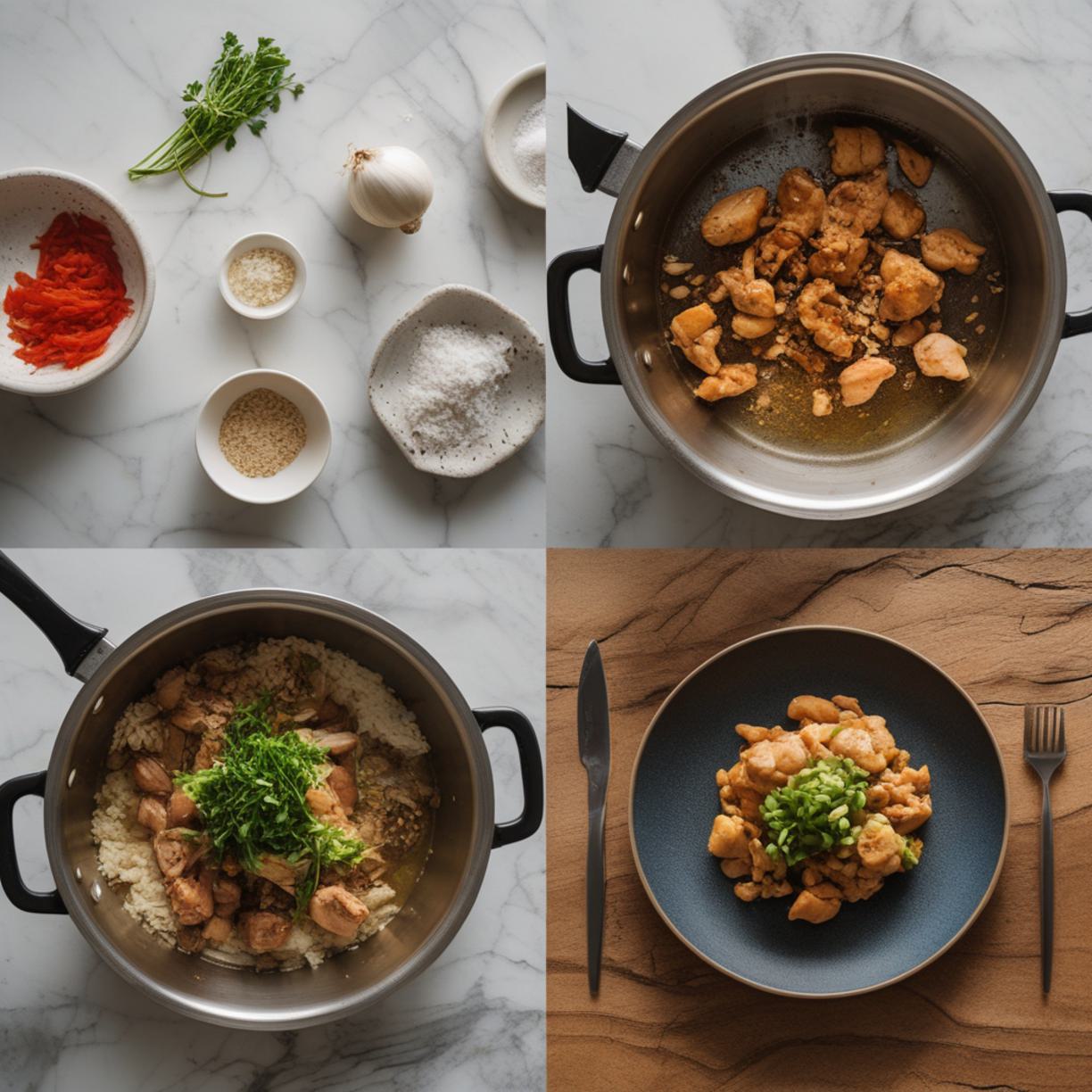
- Pat chicken thoroughly dry with paper towels (critical for sauce adhesion)
- Combine pineapple juice, tamari, grated ginger and 1 tbsp toasted sesame oil in cooker
- Nestle chicken skin-side up without submerging in liquid (prevents sogginess)
- Cook on HIGH 3.5 hours or LOW 5 hours – no peeking!
- Transfer chicken to platter, tent with foil
- Skim fat from sauce, boil in saucepan until reduced by half (20 mins)
- Off heat, whisk in honey until dissolved
- Brush sauce onto chicken, broil 3 minutes for lacquered crust
Resist stirring – teriyaki is a ‘set-and-forget’ braise where convection currents self-baste the meat. Temperature control is non-negotiable: slow cookers vary wildly. Use a thermometer to confirm chicken reaches 195°F internally – the collagen-to-gelatin conversion point. When reducing sauce, employ the “nappe test” – dip spoon; sauce should coat back with clear path when finger is drawn through. Broiling must be monitored second-by-second – sugars in honey caramelize at 320°F (160°C) but burn at 350°F (177°C). For restaurant-worthy shine, apply sauce in three thin layers during broiling rather than one thick glaze.
Expert Tips & Troubleshooting
If sauce tastes flat, add 1/2 tsp redboat fish sauce (invisible umami booster). For watery sauce, create a cornstarch “slurry bomb”: mix 1 tbsp cornstarch + 2 tbsp cold sauce in a jar, shake vigorously, then whisk into simmering liquid. Avoid flour-based thickeners – they dull flavors. Prevent greasiness by chilling the sauce post-cooking; solidified fat lifts off easily before reducing. If using frozen thighs, add 1 hour to cook time but salt them 5% more (freezing dulls seasoning). Sticky pan from broiling? Deglaze with 1/4 cup mirin for bonus sauce. Chicken texture mushy? You cut against the grain – always slice dark meat perpendicular to fibers. For intensified aroma, toast sesame seeds in dry pan until they “dance” – about 90 seconds.
Flavor Variations
Spicy Mango Version: Replace pineapple with mango nectar + 1 tbsp gochujang. Sprinkle with Thai basil. Kid-Friendly: Use apple juice instead of pineapple, reduce tamari to 3 tbsp, add 2 tbsp ketchup for sweetness they recognize. Korean Fusion: Add 2 tbsp doenjang (fermented soybean paste) + garnish with perilla leaves. Hawaiian Luau: Include 1/2 cup cubed fresh pineapple in last 30 minutes + macadamia nut crunch. Smoky Hoisin Twist: Substitute 2 tbsp hoisin for honey + add 1 tsp lapsang souchong tea powder (available in specialty stores).
Storage & Reheating
Store chicken and sauce separately in glass containers. Properly reduced sauce acts as preservative – lasts 5 days refrigerated. Freeze in flat silicone bags for 3 months. To reheat: Arrange chicken on rack over simmering water (improved French “bain-marie” method). Steam to 165°F (74°C), then glaze with warmed sauce. Microwaving ruins texture – proteins tighten violently. Revived sauce too thick? Adjust with dashi stock (not water) to maintain umami.
FAQ Section
Q: Can I use chicken breasts?
A: Not recommended. White meat dries out past 165°F (74°C), while thighs need 195°F (90°C) to tenderize.
Q: Why no cornstarch in the sauce?
A: Tamari’s natural proteins create superior cling without chalkiness. Cornstarch is a backup option during reduction.
Q: My sauce tastes too salty.
A) Balance with 1 tsp raw sugar + 2 tsp rice vinegar. Next time, buy low-sodium tamari.
Q: Can I cook this faster than 3.5 hours?
A) Never. Collagen breakdown requires time – rushed chicken turns rubbery.
Nutrition Information
| Nutrient | Per Serving (6oz chicken + 1/4 cup sauce) |
|---|---|
| Calories | 420 kcal |
| Protein | 38g |
| Fat | 22g (Saturated 5g) |
| Carbohydrates | 18g (Fiber 1g) |
| Sodium | 890mg* |
*Use reduced-sodium tamari to decrease by 40%
Disclaimer: Nutritional estimates vary based on ingredient brands and natural variability in produce. Honey measurements assume strict pouring technique – actual carbohydrate count may vary ±8%. Consult a dietitian for medically-restricted diets.