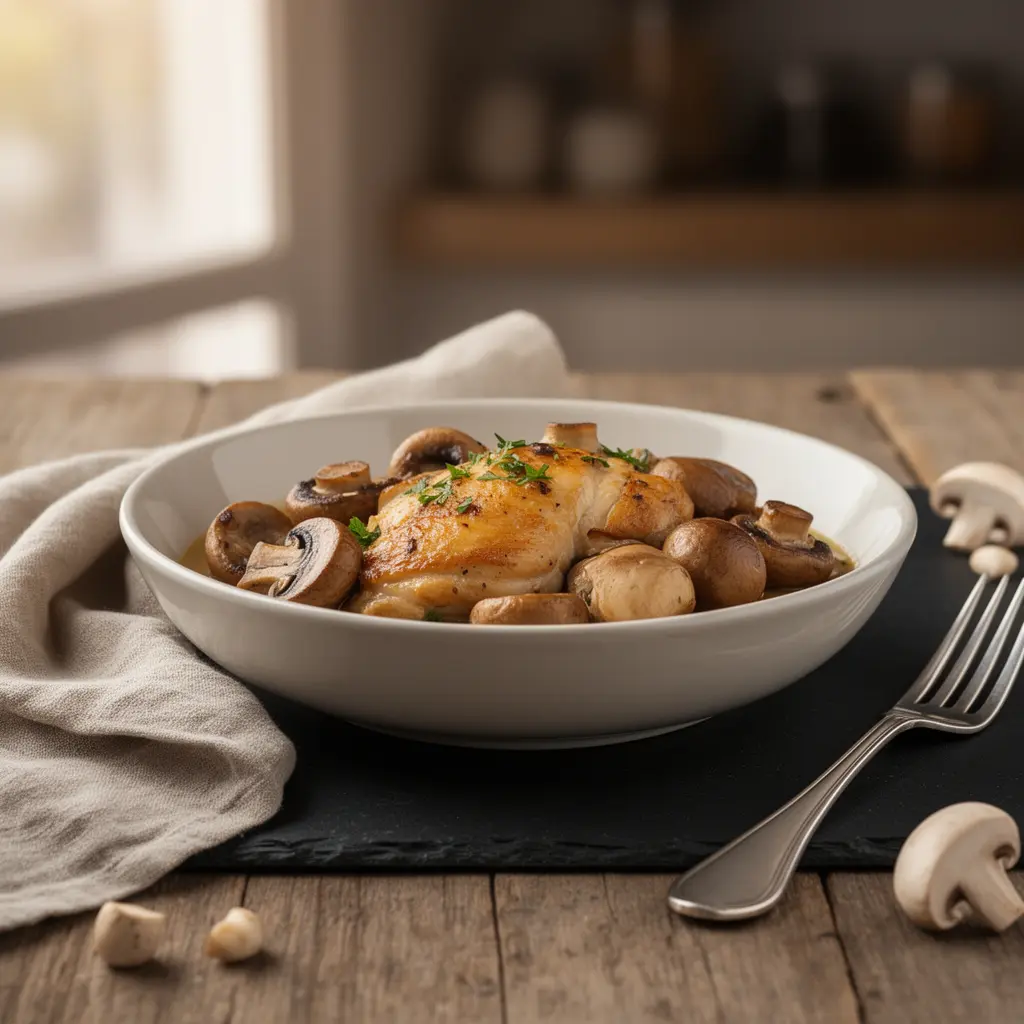
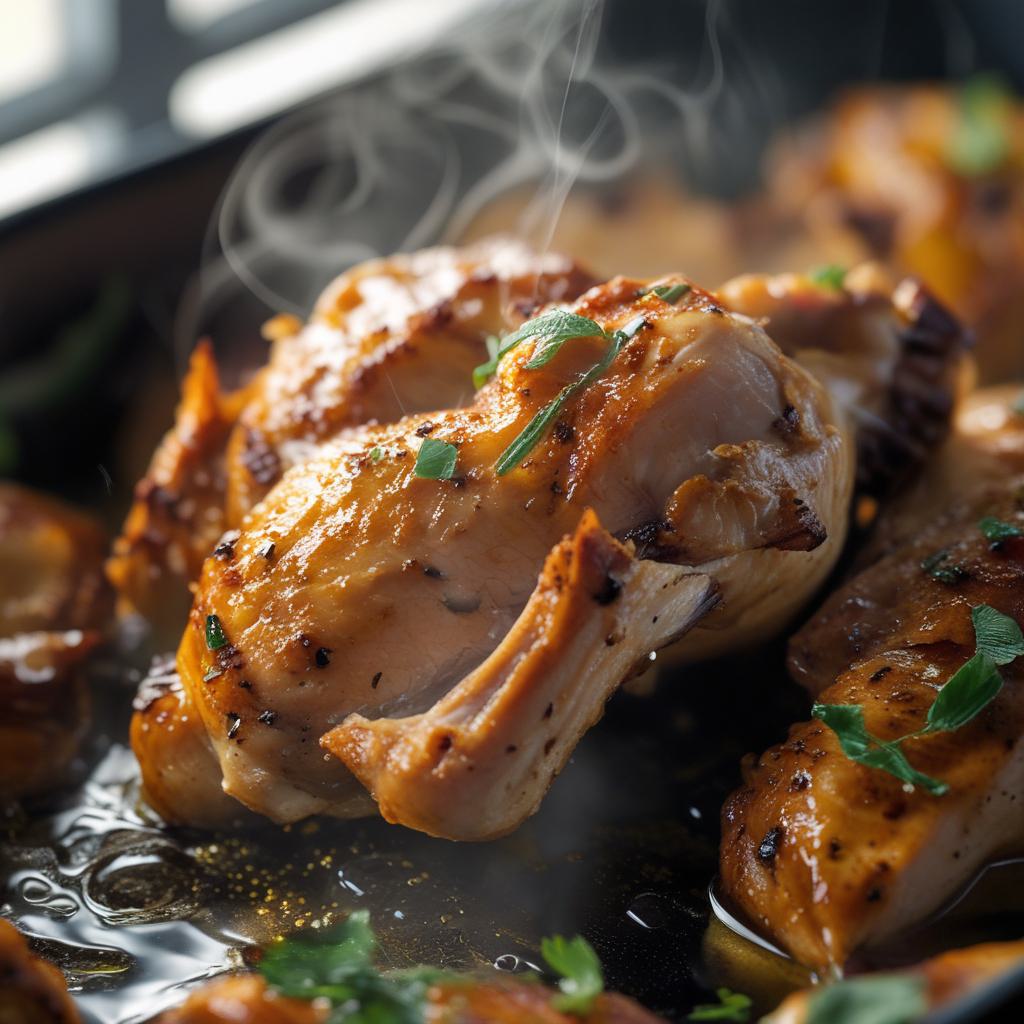
The scent of golden-brown chicken emerging from an air fryer is culinary alchemy in action. Crisped skin crackles gently as steam escapes its tender interior—a sensory overture announcing perfectly cooked poultry. What separates this method from deep frying lies in its physics: superheated air circulating at velocities mimicking oil immersion creates Maillard reactions without greasy saturation. The result? Juicy meat beneath fractal-patterned crusts, aroma notes of toasted grain and caramelized protein swirling through kitchens. Professional kitchens have long coveted convection technology for efficient crispness; home air fryers democratize this effect with countertop convenience. Imagine rosemary-garlic infused thighs achieving blistered perfection in 18 minutes or panko-crusted cutlets developing shatter-crunch texture rivaling fried chicken—all while preserving meat’s natural moisture through rapid, targeted heat. This is not compromise cooking but elevation through engineering.
Table of Contents
Ingredient Deep Dive
| Ingredient | Quantity | Purpose |
|---|---|---|
| Bone-in Chicken Thighs | 4 pieces | Provides collagen for juiciness; fat renders into crispy skin |
| Aluminum-Free Baking Powder | 1.5 tsp | Alkalizes skin surface, accelerating browning via Maillard reaction |
| Rice Flour | 3 tbsp | Creates ultra-crisp texture through high amylose content |
| Smoked Paprika | 2 tsp | Adds umami depth via pyrolysis compounds |
| Grapeseed Oil Spray | As needed | High smoke point ensures no acrid flavors during rapid air frying |
| Fish Sauce | 1 tbsp | Undetectable saltiness with glutamates for savory amplification |
Protein selection dictates structural integrity—bone-in thighs withstand high heat better than breasts, their connective tissues hydrolyzing into gelatin between 160-180°F. Baking powder’s sodium bicarbonate raises skin pH, weakening peptide bonds for faster dehydration. Combined with rice flour’s crystalline starch structure, this creates micro-blisters resembling professionally fried chicken.
Fat engineering is critical: grapeseed oil’s 420°F smoke point prevents lipid oxidation during 400°F cooking. Fish sauce replaces salt with fermented nucleotide enhancers (inosinate + guanylate), compound synergists that make paprika’s capsaicinoid notes bloom. These ingredients form a reaction cascade—alkaline surface prep, moisture evacuation, and flavor layering—for multidimensional crispness.
Substitutions & Swaps
For gluten-free needs, replace rice flour with cornstarch or tapioca starch—both create crisp barriers through rapid gelatinization. Vegan adaptations use pressed extra-firm tofu or oyster mushrooms; coat with kombu powder to mimic seafood umami. If avoiding baking powder, create alkalinity with ½ tsp baking soda + 1 tsp cream of tartar. Smoke point concerns? Avocado oil (520°F) surpasses grapeseed. Dairy-based marinades risk burning; substitute coconut milk’s lauric acid for similar tenderizing effects without scorching. Sugar-sensitive diets can employ allulose syrup—a rare monosaccharide that caramelizes at 250°F rather than 310°F like sucrose.
Equipment Guide
Opt for air fryers with wattage above 1700—lower outputs lack thermal momentum for proper crisping. Perforated stainless steel baskets promote airflow better than non-stick coatings, which degrade above 500°F. Use parchment liners with micro-perforations to prevent sticking without steam trapping. Infrared thermometers verify cavity temps—many models have ±25°F calibration drift. For sauce applications, oil atomizers outperform aerosol cans, depositing finer, more even coatings. Always preheat empty baskets 3 minutes to establish thermal equilibrium; cold starts invite uneven cooking.
Step-by-Step Walkthrough
- Pat chicken dry—surface moisture inhibits browning
- Combine baking powder, rice flour, paprika, and 1 tbsp fish sauce
- Coat chicken thoroughly, refrigerate uncovered 45 minutes (dries skin)
- Preheat air fryer to 400°F (204°C) for 10 minutes fully empty
- Lightly spray chicken with grapeseed oil using mister
- Arrange pieces skin-up in single layer; ½-inch gap between each
- Cook 12 minutes—NO peeking (disrupts convection currents)
- Flip pieces, cook 6 minutes until 175°F internal temp
- Rest 7 minutes on wire rack (residual heat carries to 185°F)
Strategic positioning affects crust development—place thicker sections toward the fryer’s fan for focused heat. Resist opening the basket; each 3-second peek drops internal temperature 15-20°F. Employ the “quarter turn” technique at 9 minutes for even coloring if using circular basket models.
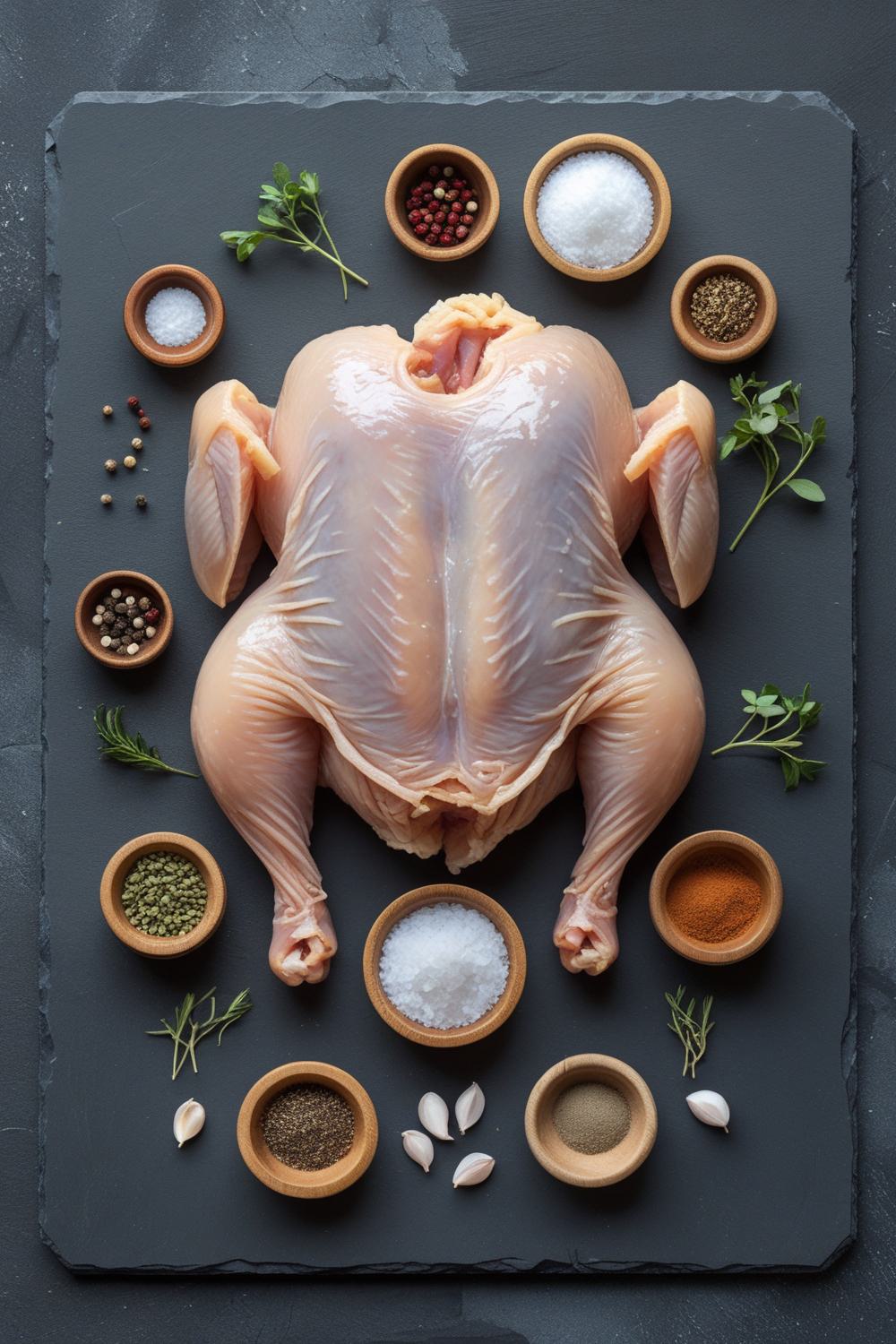
Internal temperature matters more than time—carryover cooking continues post-removal. Probe thighs at the bone junction where collagen breakdown completes last. If using breasts, pull at 158°F (70°C); residual heat will bring to 165°F without drying. For whole chickens, spatchcock first to expose all skin surfaces to airflow.
Expert Tips & Troubleshooting
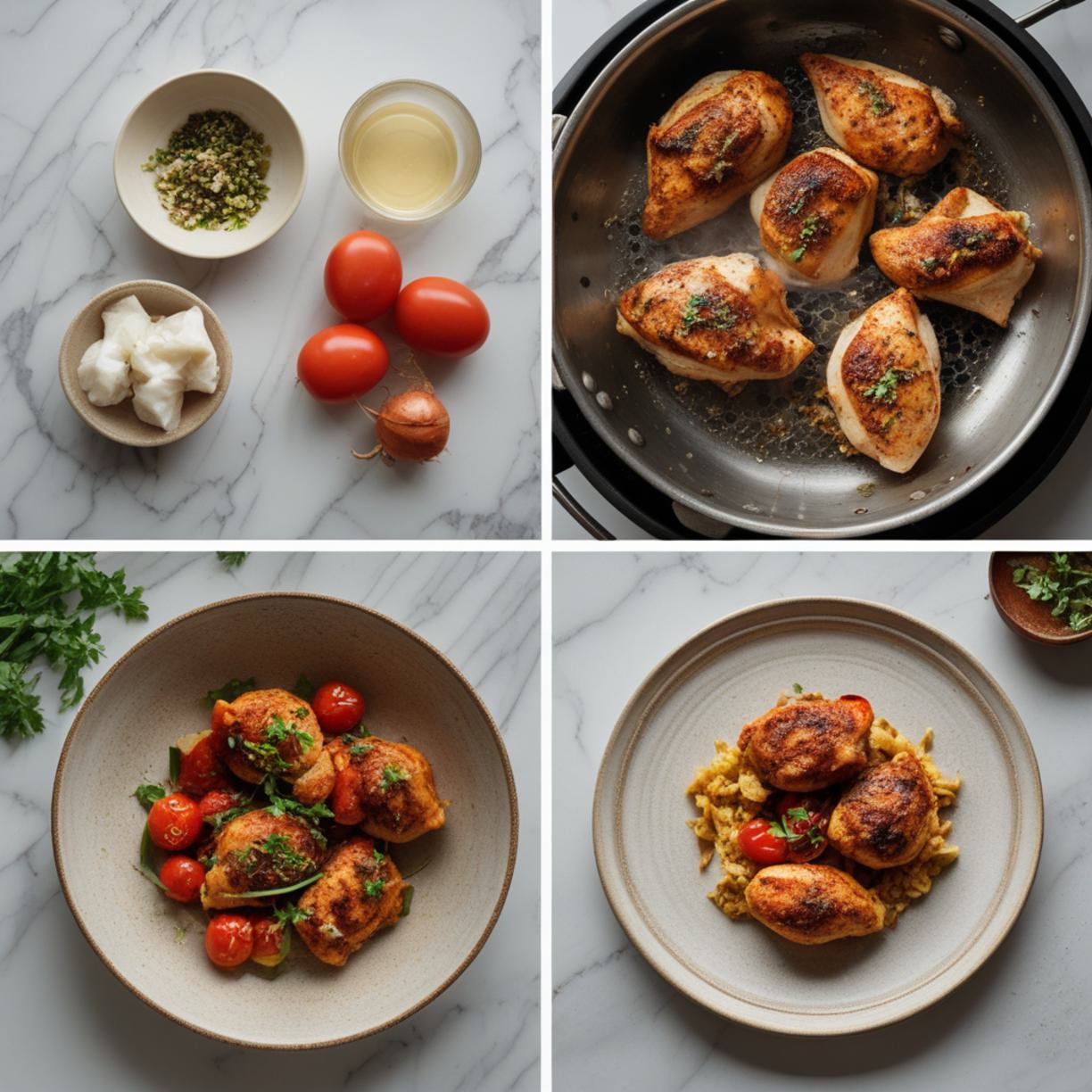
Undercrisped skin? Increase baking powder by ¼ tsp next batch—alkalinity needs adjustment for humidity levels. If smoke appears, degrease basket immediately post-cooking; polymerized fats reignite during subsequent preheating. For juices pooling under chicken, place a sliced onion beneath—it absorbs liquids while caramelizing. Prevent sticking by oiling the chicken, not the basket; direct contact scorches coatings.
Soggy bottoms occur when overcrowding blocks airflow—use toothpicks to create vertical space between pieces if necessary. If exterior darkens too quickly, tent foil only over dark spots—full coverage traps steam. Brining isn’t advised; osmotic moisture gets expelled violently in high convection, toughening meat. Instead, inject 3% saline solution for distributed seasoning without waterlogging.
Flavor Variations
Korean-style: Substitute rice flour with potato starch, add gochujang and mirin to marinade. Finish with sesame seeds. Kids’ version: Replace paprika with nutritional yeast for cheesy flavor; use cornflake crumbs instead of flour. Mediterranean twist: Mix za’atar and sumac into coating; serve with lemon-tahini drizzle. Buffalo adaptation: Post-cooking, toss in sauce of 3:1 franks red hot to melted ghee—ghee’s milk solids prevent sauced crispness from collapsing.
Storage & Reheating
Cool completely on wire rack before refrigerating in paper towel-lined containers (absorbs condensate). For freeze storage, vacuum-seal after flash freezing 20 minutes. Reheat in 380°F air fryer 4 minutes from refrigerated state; 6 minutes frozen. Never microwave—starch recrystallization turns crust leathery.
FAQ Section
Can I use frozen chicken?
Yes—add 5 minutes cook time but brine 1 hour first to counteract dehydration.
Why no flour?
Wheat flour’s gluten forms tough matrices; rice flour stays brittle.
Safe to cook chicken at 400°F?
Absolutely—air fryers reach bactericidal temperatures internally within 90 seconds.
Baking powder vs soda?
Baking powder contains buffer agents preventing metallic tastes; soda requires acid balance.
The Recipe Card
Restaurant-quality crispy chicken thighs via air fryer. Bone-in pieces achieve crackling skin over succulent meat in 18 minutes through alkaline pretreatment and rapid convection. Optional fish sauce boosts umami. Gluten-free adaptable with rice flour coating.
Nutrition Information
| Nutrient | Per Serving (1 thigh) |
|---|---|
| Calories | 310 |
| Protein | 28g |
| Carbohydrates | 4g |
| Fat | 20g |
| Sodium | 490mg |
Disclaimer: Nutritional data estimates from USDA databases. Actual values vary based on ingredient brands and air fryer efficiency. Fish sauce contributes 70% sodium content—reduce by half for lower-sodium diets.