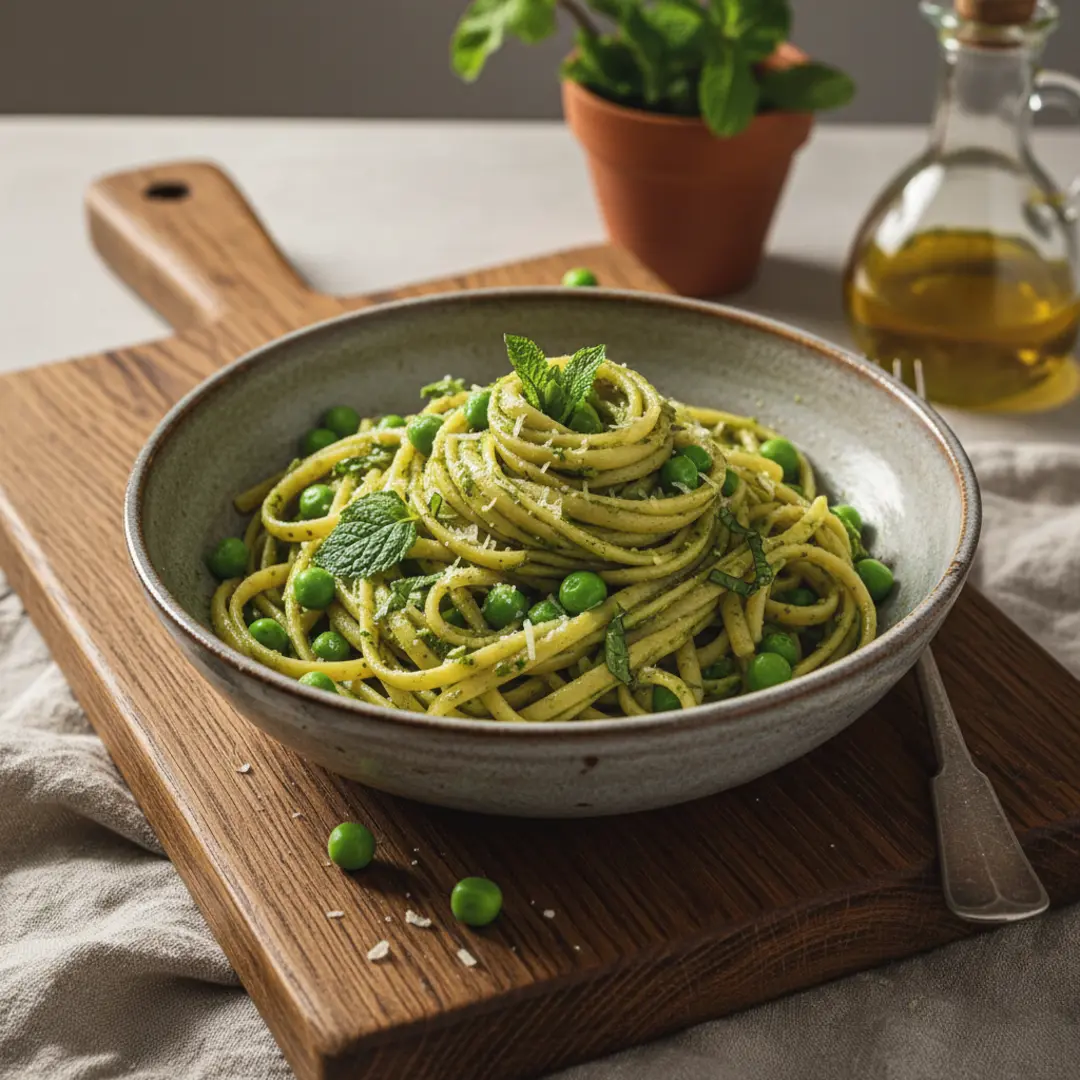
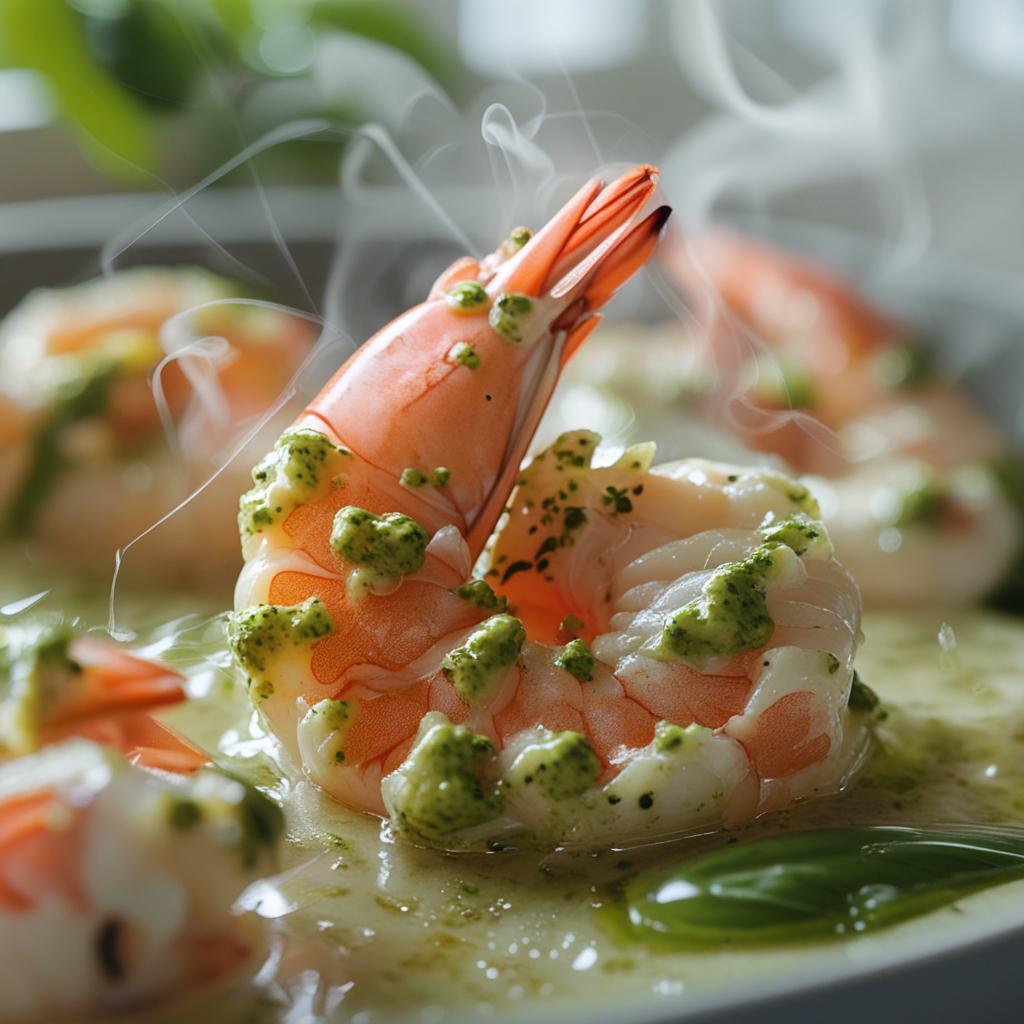
The fragrance hits you first – toasted pine nuts dissolving into garlicky basil, the sudden sweetness of white wine reducing in a hot pan, plump shrimp curling into coral spirals as they meet the heat. Creamy Pesto Shrimp isn’t just dinner; it’s an edible sonnet to Italian summers. Imagine emerald-green pesto enriched with velvety cream, clinging to perfectly cooked crustaceans balanced on al dente pasta ribbons. This dish hums with complexity – the herbal brightness of Genovese basil against earthy Parmesan, the oceanic sweetness of shrimp cut by lemon zest’s citrusy dagger. It’s restaurant luxury without the pretense. The magic lies in contrast: lush cream prevents pungent garlic from overwhelming, while toasted nuts add textural counterpoint to supple seafood. As you toss gluten-free penne (or homemade tagliatelle) in this unctuous emerald nectar, notice how the sauce emulsifies into silken perfection – a skill test disguised as comfort food. With each bite, bitter, salty, umami, and fat dance on your palate before dissolving into memory. This is food that lingers long after plates are cleared.
Table of Contents
Ingredient Deep Dive
| Ingredient | Quantity | Purpose |
|---|---|---|
| Jumbo shrimp (16-20 count) | 1.5 lbs | Provides meaty texture; large size prevents overcooking |
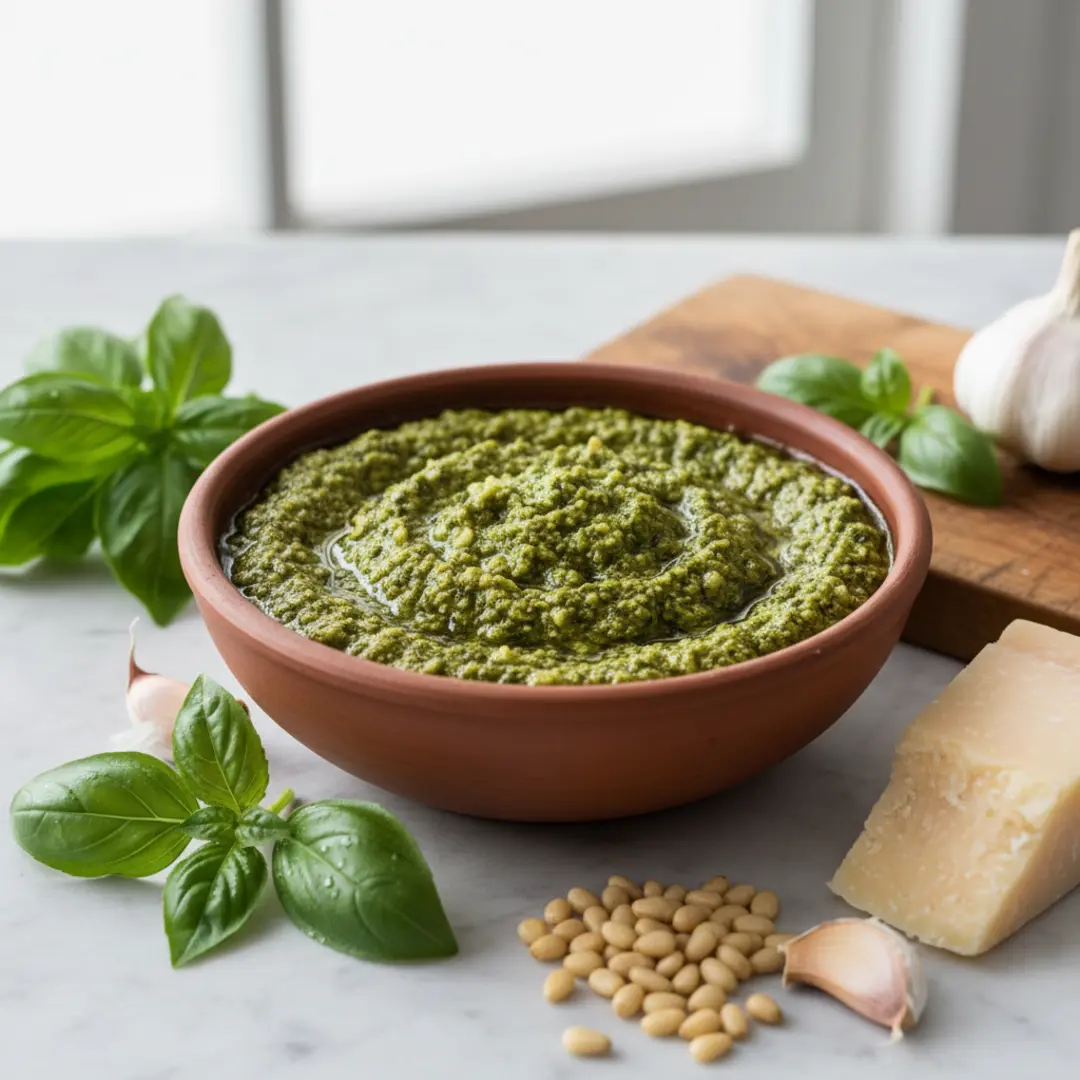
| Basil pesto (fresh) | 1/2 cup | Flavor foundation – emulsifies with cream |
| Double cream | 3/4 cup | Creates unctuous mouthfeel; balances acidity |
| Dry white wine (e.g. Pinot Grigio) | 1/3 cup | Deglazing agent; adds fruit notes |
| Lemon zest | 2 tsp | Brightens fatty components |
| Gran Padano cheese | 1/4 cup grated | Umami depth; aids sauce viscosity |
| Garlic cloves | 3 large | Aromatic base; activates pesto’s flavors |
| Toasted pine nuts | 2 tbsp | Textural contrast; nutty finish |
The protein architecture matters: wild-caught Gulf shrimp contain more glycogen than farmed varieties, yielding sweeter sauté results. Their cold-water origins also mean firmer texture post-cook. High-fat double cream (minimum 48% milkfat) withstands emulsification without breaking – crucial when introducing acidic elements. Fresh basil pesto is non-negotiable; refrigerated versions often contain stabilizers that inhibit proper sauce binding.
Chemical reactions elevate this dish: garlic’s allicin develops savory depth through Maillard browning, while wine’s ethanol extracts flavor compounds unreachable by water alone. Gran Padano’s casein proteins melt smoothly into the sauce, acting as natural thickeners. Crucially, shrimp must be added last – their delicate muscle fibers tighten quickly over 120°F, becoming rubbery if overheated.
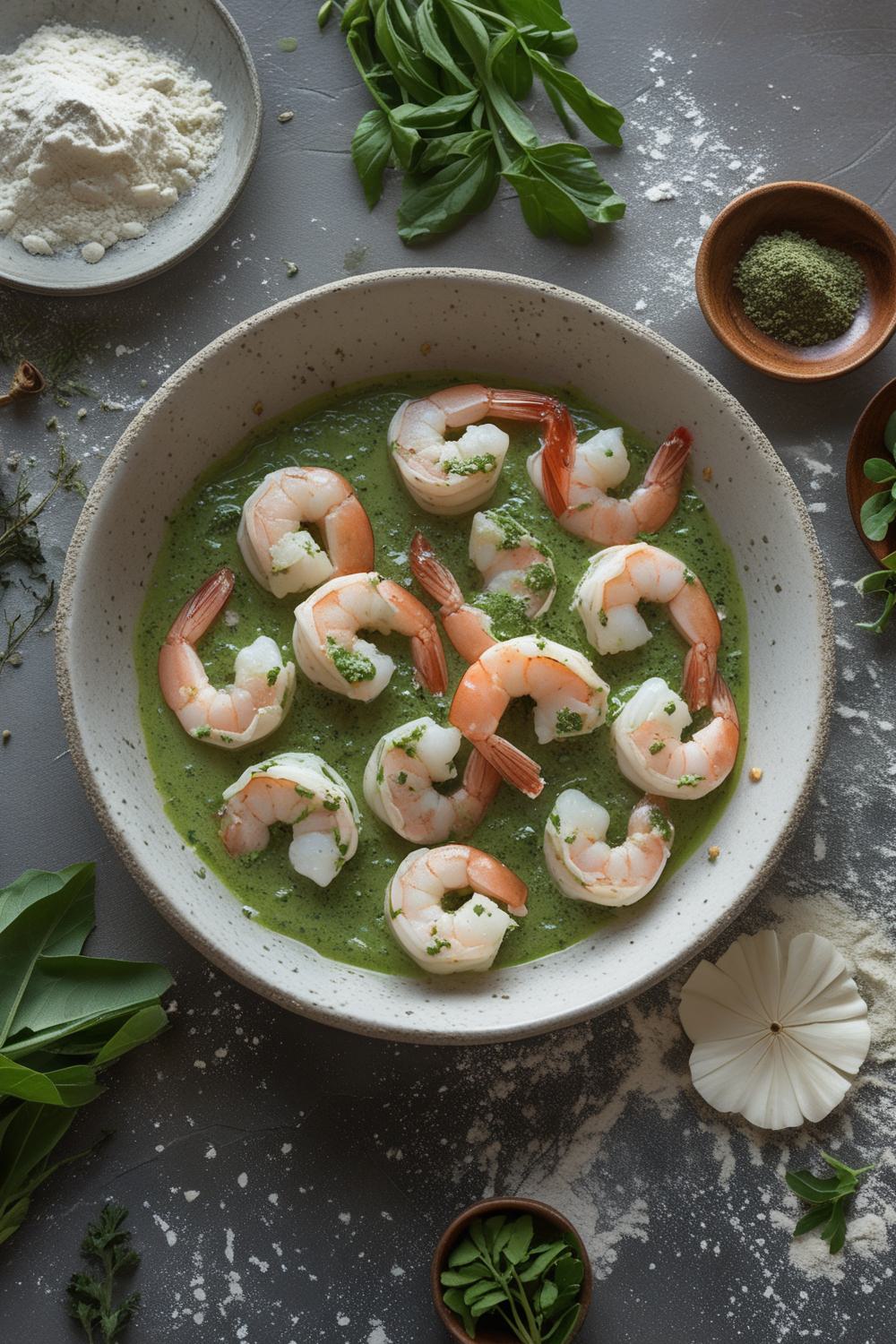
Substitutions & Swaps
For seafood allergies, king oyster mushrooms sliced lengthwise mimic shrimp’s texture when seared. Vegan adaptations thrive with cashew cream blended with nutritional yeast replacing dairy. Gluten-sensitive diners can use certified GF pasta – lentil flour varieties hold sauce beautifully.
Pantry limitations? Walnuts stand in for pine nuts in pesto, while evaporated milk thickened with cornstarch approximates double cream. Avoid cheap Parmesan substitutes – aged Pecorino delivers similar savory punch. If wine isn’t available, vegetable broth with 1 tsp apple cider vinegar provides needed acidity. Frozen shrimp work perfectly if thawed slowly in brine (1 tbsp salt per cup water) to maintain plumpness.
Equipment Guide
A 12-inch carbon steel skillet outperforms non-stick for this recipe. Its quick heat response creates superior fond (those crusty browned bits) when searing shrimp, while handling acidic ingredients better than cast iron. Use tongs with silicone-coated tips to flip delicate seafood without tearing.
A microplane zester ensures fluffy lemon zest without bitter pith contamination. Crucially, prepare a pasta pot with insert – you’ll need starchy cooking water to adjust sauce consistency. Digital probe thermometers prevent shrimp overcooking; remove them at 115°F as carryover heat will complete cooking.
Step-by-Step Walkthrough
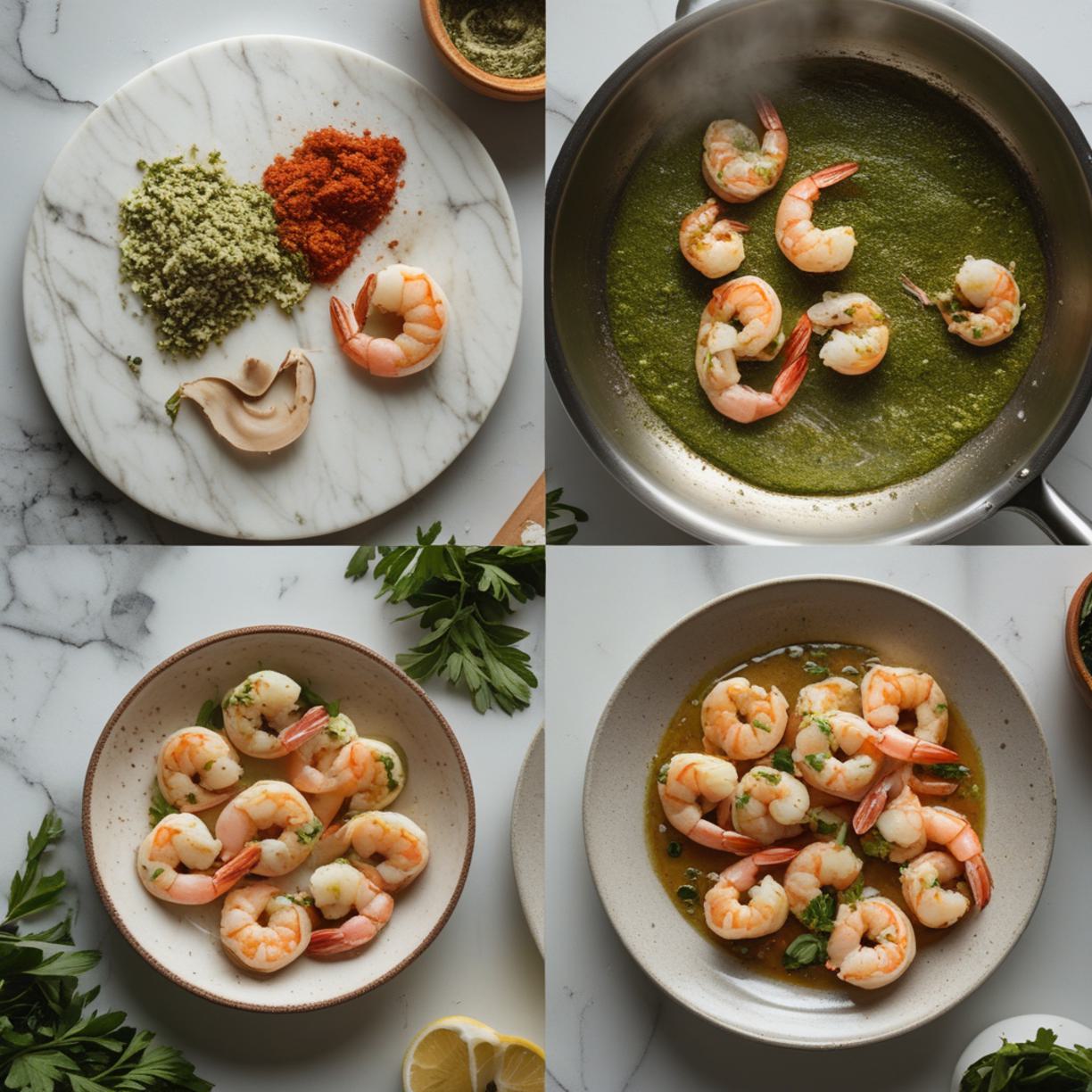
- Pat shrimp dry thoroughly with paper towels. Season with fine sea salt (not kosher – it draws out moisture)
- Heat skillet over medium-high until water droplets dance. Add 1 tbsp cold-pressed olive oil.
- Sear shrimp 90 seconds per side until lightly golden. Transfer to warm plate.
- Reduce heat to medium. Sauté minced garlic 30 seconds until fragrant but not browned.
- Deglaze with white wine, scraping bottom with wooden spatula. Simmer until reduced by half.
- Whisk in pesto followed by cream. Stir constantly for 2 minutes until slightly thickened.
- Reduce heat to low. Fold in shrimp, lemon zest, and 1/4 cup pasta water.
- Off heat, stir in grated cheese until emulsified. Finish with pine nuts.
Temperature control is paramount: cream breaks above 180°F. Keep sauce below gentle bubbles. When incorporating starchy pasta water, add it gradually – the sauce should coat the back of a spoon without pooling. For restaurant-level shine, mount the sauce with 1 tbsp cold butter after removing from heat.
Shrimp cook primarily from residual heat once returned to sauce. Their internal temperature will rise 10°F during the 2-minute tossing phase. Undercook deliberately to avoid toughness. If sauce separates, immediately whisk in ice-cubes one at a time to shock it back together.
Expert Tips & Troubleshooting
Rest shrimp at room temperature 20 minutes before cooking – cold seafood steams instead of searing. For deeper flavor, brine shrimp in 1 tsp baking soda + 1 tsp salt + 1 cup water for 15 minutes; rinse thoroughly. This alkalizes their surface for better browning.
Sauce too thin? Create a beurre manié by kneading equal parts softened butter and flour (1 tbsp each). Whisk in pea-sized amounts until desired consistency. Too thick? Add warm cream 1 tbsp at a time. If pesto darkens unappealingly, revive color with a handful of fresh basil chiffonade before serving.
Prevent cheese clumping by grating it finely first, then removing the pan from heat before stirring. For extra silkiness, blend finished sauce with immersion wand for 10 seconds. If reheating leftovers, do so gently in double boiler with extra cream.
Flavor Variations
Spice enthusiasts: add 1 tsp Calabrian chili paste to pesto, or finish with Aleppo pepper. For Thai-inspired notes, substitute half basil with cilantro in pesto plus 1 tbsp fish sauce.
Kids prefer milder flavors? Replace wine with chicken broth, use mild provolone instead of Gran Padano. Hide veggies by puréeing steamed zucchini into cream sauce. For dairy-free creaminess, blend soaked cashews with unsweetened oat milk.
Storage & Reheating
Store components separately: sauce in airtight container (3 days max), shrimp in brine-filled bag. Never freeze cream-based sauces – they separate upon thawing. To reheat, place shrimp over warm pasta with 1 tsp water, microwave at 50% power for 60 seconds. Stir sauce in gradually over low heat.
FAQ Section
Can I use frozen shrimp?
Yes – thaw in brine solution overnight. Pat extremely dry before cooking.
Why did my sauce curdle?
Likely overheating. Cream separates above 180°F. Next time, monitor with infrared thermometer.
Can I make this ahead?
Prep components separately. Combine only when serving for best texture.
What pasta pairs best?
Trofie or gemelli traps sauce best. Avoid long strands like spaghetti.
Nutrition Information
| Nutrient | Per Serving |
|---|---|
| Calories | 610 |
| Protein | 38g |
| Carbs | 28g |
| Fat | 36g |
| Sodium | 890mg |
Disclaimer: Nutritional data estimated via USDA database. Values may vary based on ingredient brands and portion sizes. Consult a nutritionist for precise dietary needs.