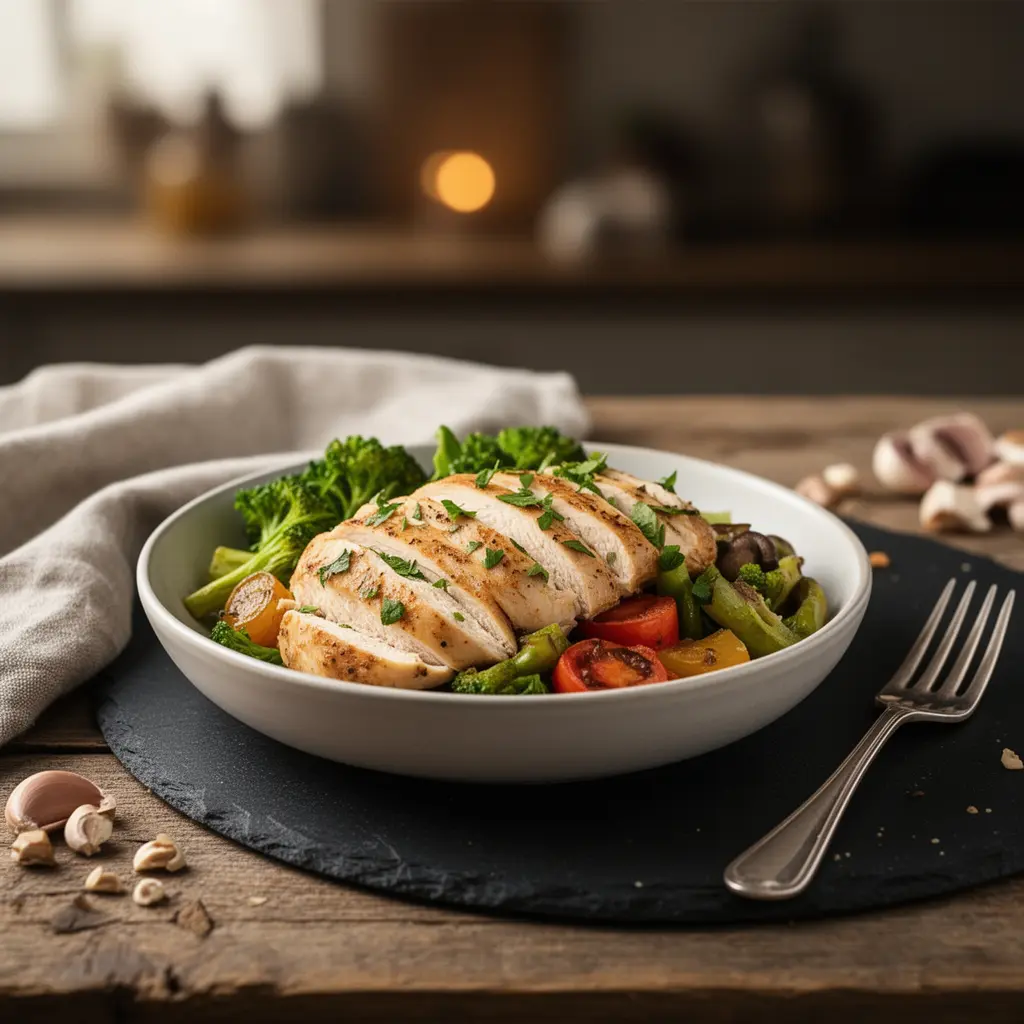
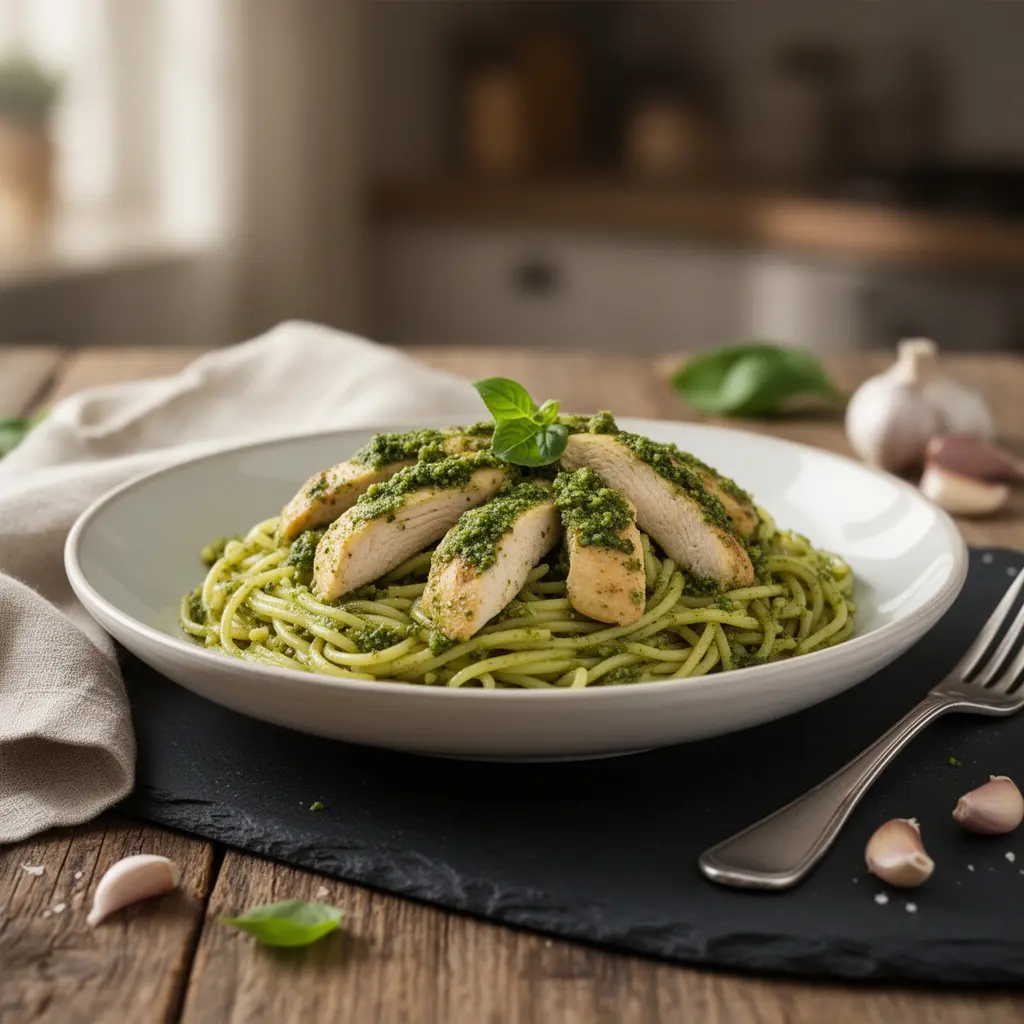
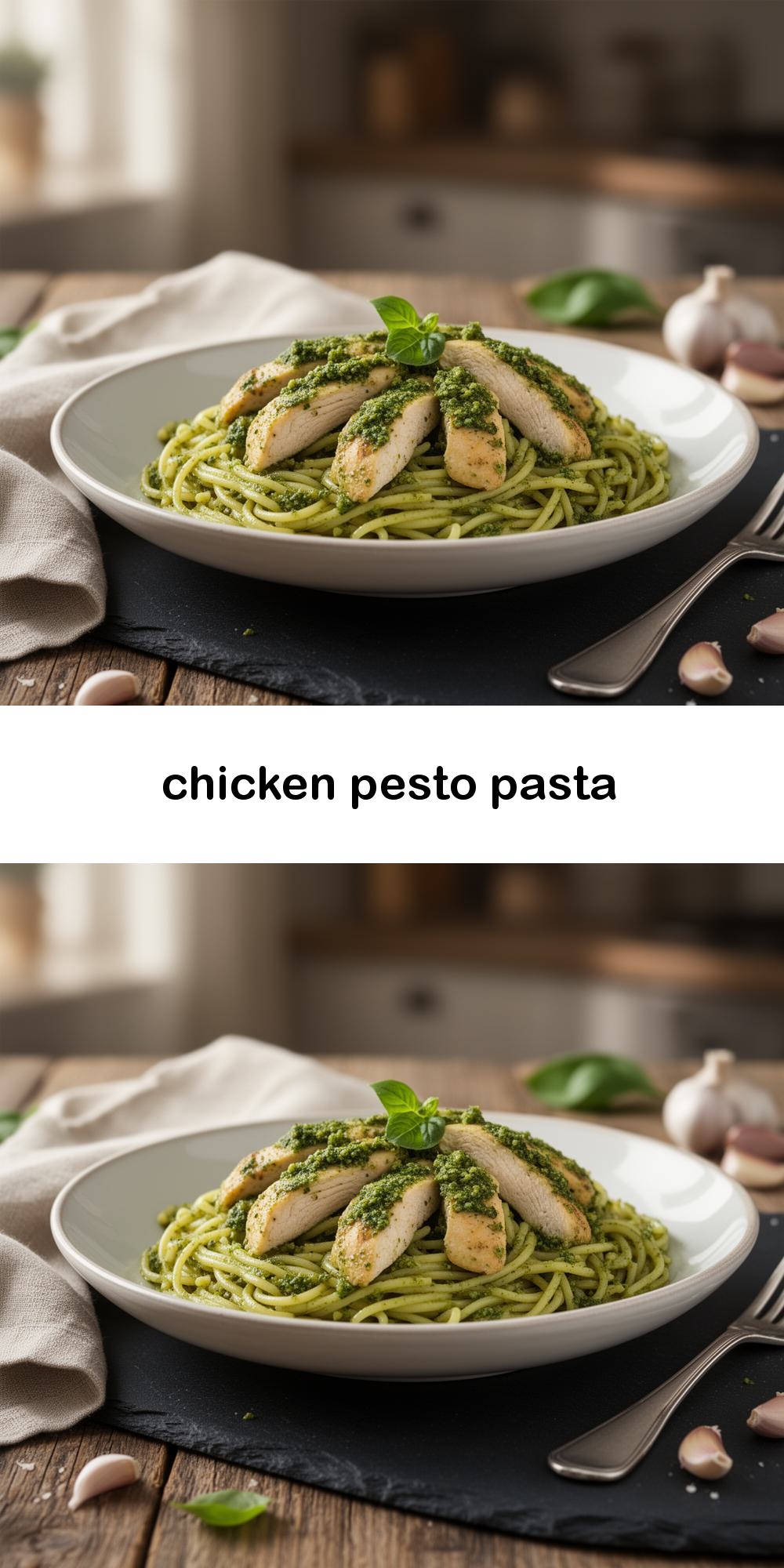
Crafting incredible chicken pesto pasta is easier than you think!. This dish, merging perfectly cooked pasta; tender chicken, and vibrant homemade pesto sauce, offers a culinary experience. This comprehensive guide unlocks secrets to gourmet flavor and texture, ensuring delectable results every time when you whip up this chicken pesto pasta.
- Ingredients
- Instructions
- Scientific Breakdown of the Cooking Process
- Achieving the Perfect Rise and Texture
- Variations for Every Palate
- Strategic Serving and Storage Solutions
- Essential Knowledge for Guaranteed Success
- Deep Dive FAQ
- A Culinary Legacy
- Detailed Nutrition Information
Ingredients
| Ingredient | Quantity | Notes |
|---|---|---|
| Pasta (Linguine or Fettuccine) | 1 pound | High-quality, bronze-die cut recommended |
| Boneless, Skinless Chicken Breasts | 1.5 pounds | Cut into bite-sized pieces |
| Fresh Basil Leaves | 2 cups | Packed |
| Pine Nuts | 1/2 cup | Toasted lightly |
| Garlic Cloves | 4 | Minced |
| Parmesan Cheese | 1/2 cup | Freshly grated, plus more for serving |
| Pecorino Romano Cheese | 1/4 cup | Freshly grated |
| Extra Virgin Olive Oil | 1/2 cup | High-quality, fruity |
| Lemon Juice | 1 tablespoon | Freshly squeezed |
| Salt | To taste | Sea salt preferred |
| Black Pepper | To taste | Freshly ground |
| Cherry Tomatoes | 1 pint | Halved |
Instructions
- Cook the pasta according to package directions until al dente. Reserve about 1 cup of pasta water before draining.
- Season the chicken with salt and pepper. Sauté in a large skillet with 1 tablespoon of olive oil over medium-high heat until cooked through and lightly browned (about 6-8 minutes). Set aside.
- While the pasta is cooking, prepare the pesto. In a food processor, combine basil leaves, pine nuts, garlic, Parmesan cheese, Pecorino Romano cheese, and lemon juice. Process until finely chopped.
- With the food processor running, slowly drizzle in the remaining olive oil until a smooth paste forms. Season with salt and pepper to taste.
- In the same skillet, combine the cooked pasta, chicken, and pesto. Add a little pasta water at a time to loosen the sauce and create a creamy consistency.
- Stir in the halved cherry tomatoes.
- Serve immediately, garnished with extra Parmesan cheese and fresh basil leaves. A drizzle of high-quality olive oil adds a nice finishing touch.
Scientific Breakdown of the Cooking Process
The magic of this chicken pesto pasta lies in the emulsification of the pesto sauce. Blending basil, nuts, cheese, and oil creates a complex flavor profile. The heat from the pasta and cooking process further releases aromatic compounds, enhancing the overall taste. Using pasta water introduces starch that binds the sauce, chicken, and pasta together, creating a cohesive and satisfying dish. Searing the chicken with enough heat is crucial for the Maillard reaction, developing deeper, savory flavors.
Achieving the Perfect Rise and Texture
There is no “rise” in this dish, but achieving the perfect texture is critical. Using a high-quality pasta, ideally bronze-die cut, ensures a rough surface for the pesto to cling to. Cooking the pasta al dente (firm to the bite) avoids a mushy texture. Balancing the pesto with pasta water ensures the sauce is creamy rather than oily or clumpy. For the chicken, even browning provides a desirable texture.
Variations for Every Palate
Explore different variations to suit individual preferences. Add spinach or kale to the pesto for a nutritional boost and vibrant green color. Sun-dried tomatoes or roasted red peppers can add a sweet and smoky flavor. For a spicier kick, incorporate a pinch of red pepper flakes. Swap pine nuts for walnuts or almonds. For a vegetarian option, omit the chicken or substitute with grilled halloumi or tofu.
Strategic Serving and Storage Solutions
Serve the chicken pesto pasta immediately for optimal flavor and texture. Portion sizes depend on appetite, but about 1.5 cups per person is a good starting point. Garnish generously with Parmesan cheese and fresh basil leaves. To store leftovers, refrigerate in an airtight container for up to 3 days. Reheat gently in a skillet with a little olive oil or pasta water to prevent drying out. Adding a touch of fresh pesto before serving revitalizes the dish. This dish is not suited for freezing, as the pesto loses quality.
Essential Knowledge for Guaranteed Success
Mastering pesto is key. Use the freshest basil possible. Toasting the pine nuts enhances their flavor. Don’t over-process the pesto, or it can become bitter. Adjust the amount of garlic according to your taste. Always reserve pasta water; it’s invaluable for creating a creamy sauce. Taste and adjust seasonings throughout the cooking process. Cooking the chicken until it reaches an internal temperature of 165°F (74°C) ensures food safety.
Deep Dive FAQ
- Can I use store-bought pesto? While homemade pesto is best, high-quality store-bought pesto can be a convenient alternative if you’re short on time. Look for brands with fresh ingredients.
- What’s the best way to prevent the pesto from turning brown? A small amount of lemon juice in the pesto helps prevent oxidation and keeps it vibrant green. Blanching the basil briefly in boiling water before processing can also help.
- Can I use a different type of pasta? Absolutely! Penne, rotini, and fusilli are all excellent choices for chicken pesto pasta. Choose a shape with ridges or grooves to better hold the sauce.
- How can I make this recipe dairy-free? Use a vegan Parmesan cheese alternative and nutritional yeast in place of Parmesan and Pecorino cheeses. You might also need to adjust the salt level.
- What wine pairs well with chicken pesto pasta? A crisp, dry white wine like Sauvignon Blanc or Pinot Grigio complements the flavors of the pesto and chicken beautifully. A light-bodied rosé is also a good choice.
A Culinary Legacy
Chicken pesto pasta embodies a culinary evolution, blending Italian tradition with contemporary tastes. Pesto, originating from Genoa, has been elevated through mindful ingredient selection and execution.
Detailed Nutrition Information
| Nutrient | Amount (per serving) |
|---|---|
| Calories | Approximately 600-700 |
| Protein | 40-50g |
| Fat | 30-40g |
| Carbohydrates | 50-60g |
| Fiber | 3-5g |
| Sugar | 5-8g |
Safety Disclaimer
Consuming raw or undercooked meats, poultry, seafood, shellfish, or eggs may increase your risk of foodborne illness. Always cook chicken to an internal temperature of 165°F (74°C). Be mindful of potential allergens, such as nuts and dairy. Ensure pesto ingredients are fresh and properly stored to prevent spoilage.