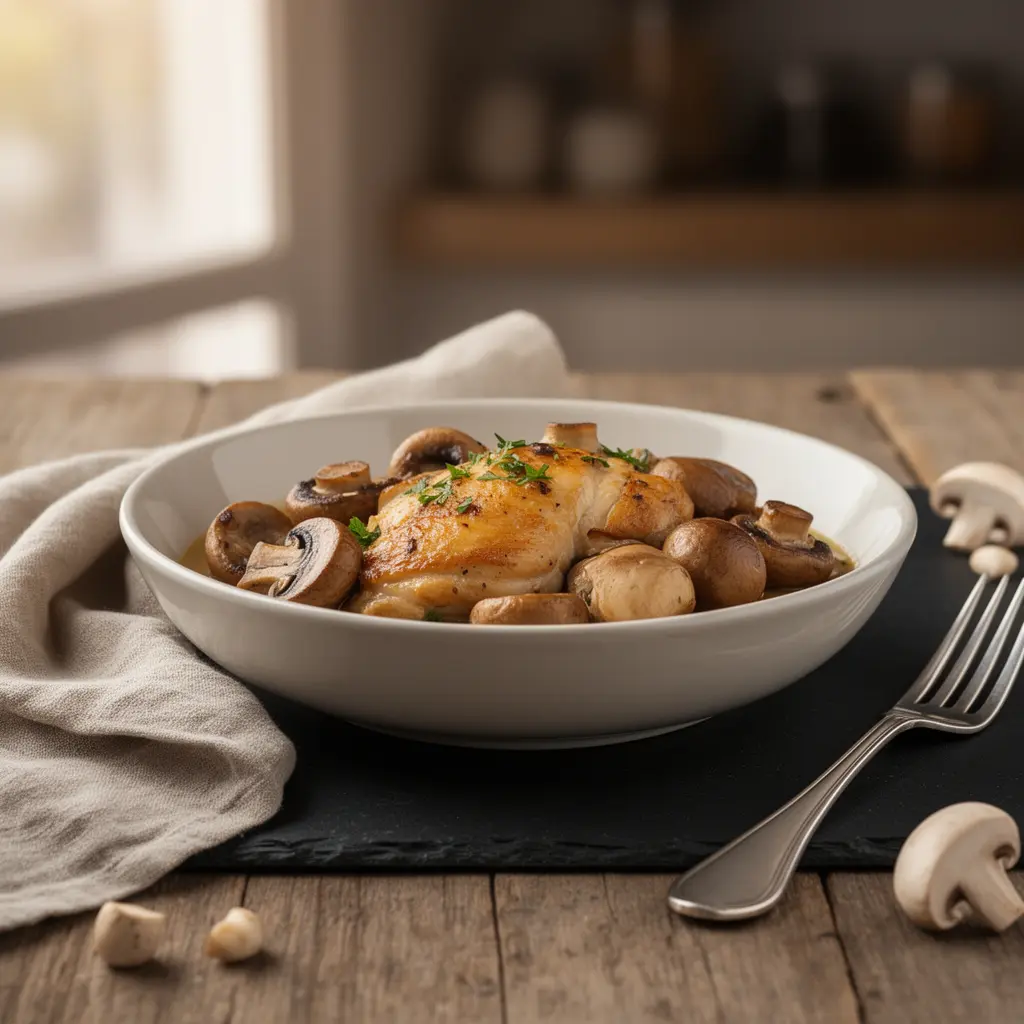
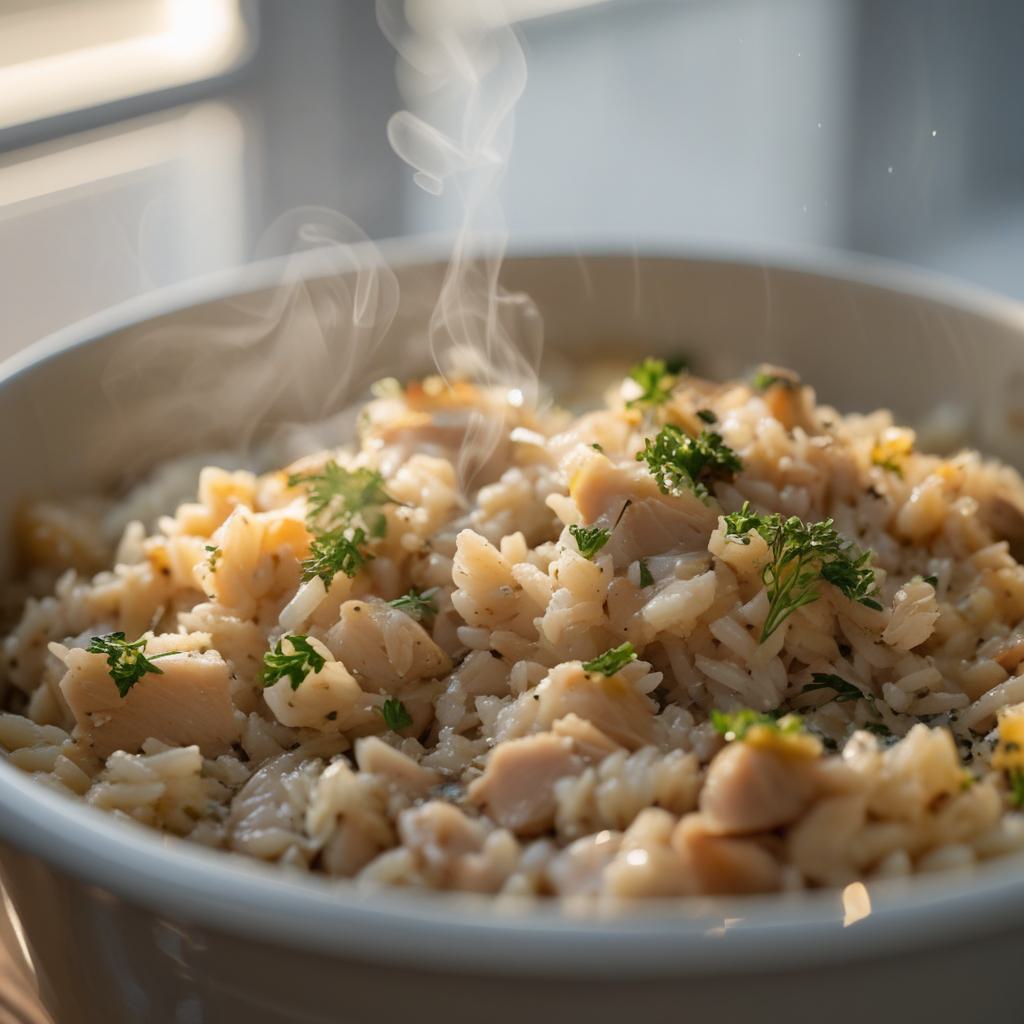
The scent of golden chicken skin mingling with toasted garlic and saffron is the kind of aroma that stops conversations mid-sentence. Picture this: plump grains of rice swelling in broth like thirsty sponges, capturing shreds of herb-flecked poultry in their embrace. What appears as humble peasant food transforms into a symphony when treated with reverence—the crackle of searing thighs echoing through the kitchen, the hiss of deglazing wine releasing caramelized treasures from the pan, the quiet burble of stock whispering secrets to arborio grains. Few dishes straddle the line between comfort and luxury as deftly as chicken and rice casserole. Its magic lies in alchemy—turning pantry staples into velvet-textured substance through the unhurried magic of oven alchemy. The top layer forms a crackling bronzed crust while beneath, juices from lemon and thyme perfuse every element. This isn’t mere sustenance; it’s an edible hearth—a culinary embrace that nourishes as profoundly as it delights.
Table of Contents
Ingredient Deep Dive
| Ingredient | Quantity | Purpose |
|---|---|---|
| Bone-in chicken thighs | 6 pieces | Provides collagen for silkiness |
| Carnaroli rice | 1.5 cups | High starch content creates creaminess |
| Chicken demi-glace | 2 tbsp | Umami depth booster |
| Dry vermouth | 1/2 cup | Deglazes fond without harshness |
| Lemon zest | From 1 lemon | Brightens rich flavors |
Chicken thighs outperform breasts due to their fat distribution—the subcutaneous layer bastes the meat during cooking while collagen dissolves into gelatin, creating sauce viscosity. When seared, the Maillard reaction generates over 100 flavor compounds that permeate the entire dish. Carnaroli rice, often called the “caviar of rices,” contains a unique balance of amylose and amylopectin starches that swell progressively, releasing just enough substance to bind juices without gumminess.
Acidity acts as the dish’s invisible architect. Vermouth’s fortified wine structure (unlike raw alcohol) provides gentle acid to balance fat, while its botanical notes weave complexity. Adding lemon zest at the end preserves volatile citrus oils that would evaporate during cooking. The demi-glace—a professional kitchen staple—concentrates roasted bone flavors into a teaspoon-sized powerhouse, compensating for shorter home cooking times compared to traditional stocks.
Substitutions & Swaps
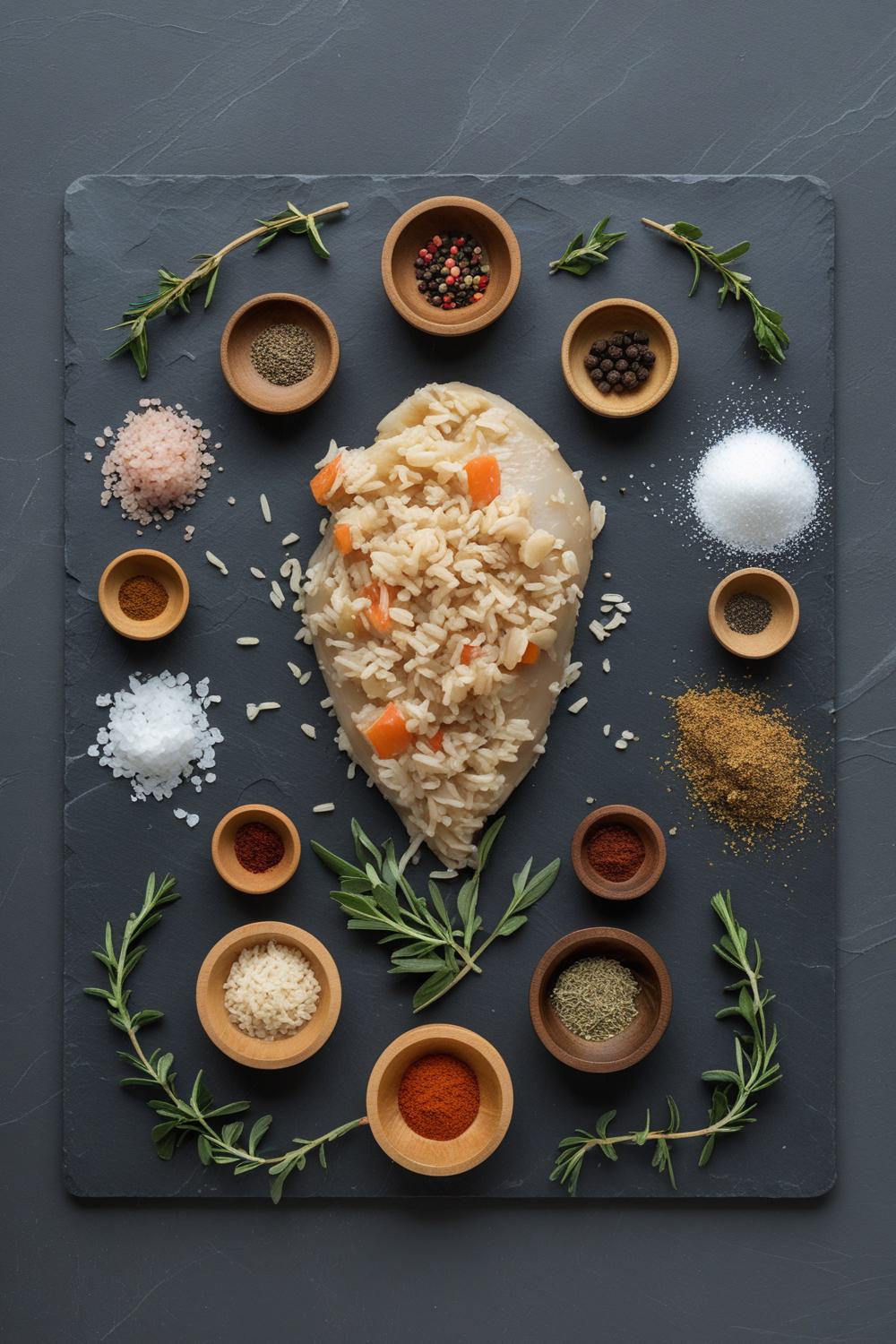
For vegan adaptations, king oyster mushrooms mimic chicken’s fibrous texture when shredded. Replacedemi-glace with porcini mushroom powder mixed into vegetable broth. Arborio rice works if carnaroli is unavailable, though reduce liquid by 10% since it absorbs less. Gluten-sensitive cooks should verify broth labels—many contain wheat derivatives. A splash of apple cider vinegar can substitute vermouth, but avoid distilled white vinegar’s harshness—its acidity percentage is nearly double. For dairy-free richness, stir in cashew cream during the last five minutes rather than butter. Those avoiding alcohol may use unsweetened white grape juice with 1 teaspoon champagne vinegar, though vermouth’s alcohol burns off during cooking.
Equipment Guide
The vessel defines this dish’s success. A 12-inch enameled cast iron Dutch oven (5-6 qt capacity) is ideal—its heavy base prevents hot spots that scorch rice, while the tight lid seals steam. Avoid non-stick surfaces; they inhibit fond development. A fish spatula’s thin edge effortlessly releases chicken skin from the pan. A digital probe thermometer guarantees poultry reaches the safe 165°F without overcooking. For broth, use a saucepan with a pour spout—essential for controlled liquid addition. Saffron benefits from a dedicated mortar and pestle; crushing threads unlocks 300% more aroma than whole infusion.
Step-by-Step Walkthrough
- Pat chicken thighs dry with paper towels—critical for browning
- Heat Dutch oven over medium-high 3 minutes. Add 2 tbsp avocado oil.
- Season thighs with diamond crystal kosher salt (1 tsp total). Place skin-down; resist moving for 7 minutes to build crust.
- Flip thighs; sear bone-side 3 minutes. Transfer to plate—they’ll finish cooking later.
- Reduce heat to medium. Add 1 diced shallot; sauté 2 minutes until translucent.
- Stir in 3 minced garlic cloves and 1 tsp smoked paprika; cook 90 seconds until fragrant.
- Deglaze with vermouth, scraping browned bits—the flavor nucleus.
- Add rice; toast 4 minutes, stirring—this opens starch channels for absorption.
- Pour in 3 cups hot chicken stock mixed with demi-glace and 1 crumbled saffron thread.
- Nestle chicken into rice skin-up—submerging it would soften the crisp.
- Cover tightly. Bake at 375°F (190°C) for 25 minutes—NO PEEKING.
- Rest covered 10 minutes off heat—residual steam completes cooking.
- Fold in zest and 2 tbsp butter for gloss. Garnish with parsley.
Browning develops nearly 70% of the dish’s flavor compounds. Maintain oil just below smoke point—around 400°F—to prevent bitterness. When toasting rice, listen for a faint crackling sound—indicates sufficient moisture evaporation. Baking temperature is critical: too low yields mushy grains; too high dries the dish. The rest period allows starches to relax, preventing a gelatinous texture.
Expert Tips & Troubleshooting
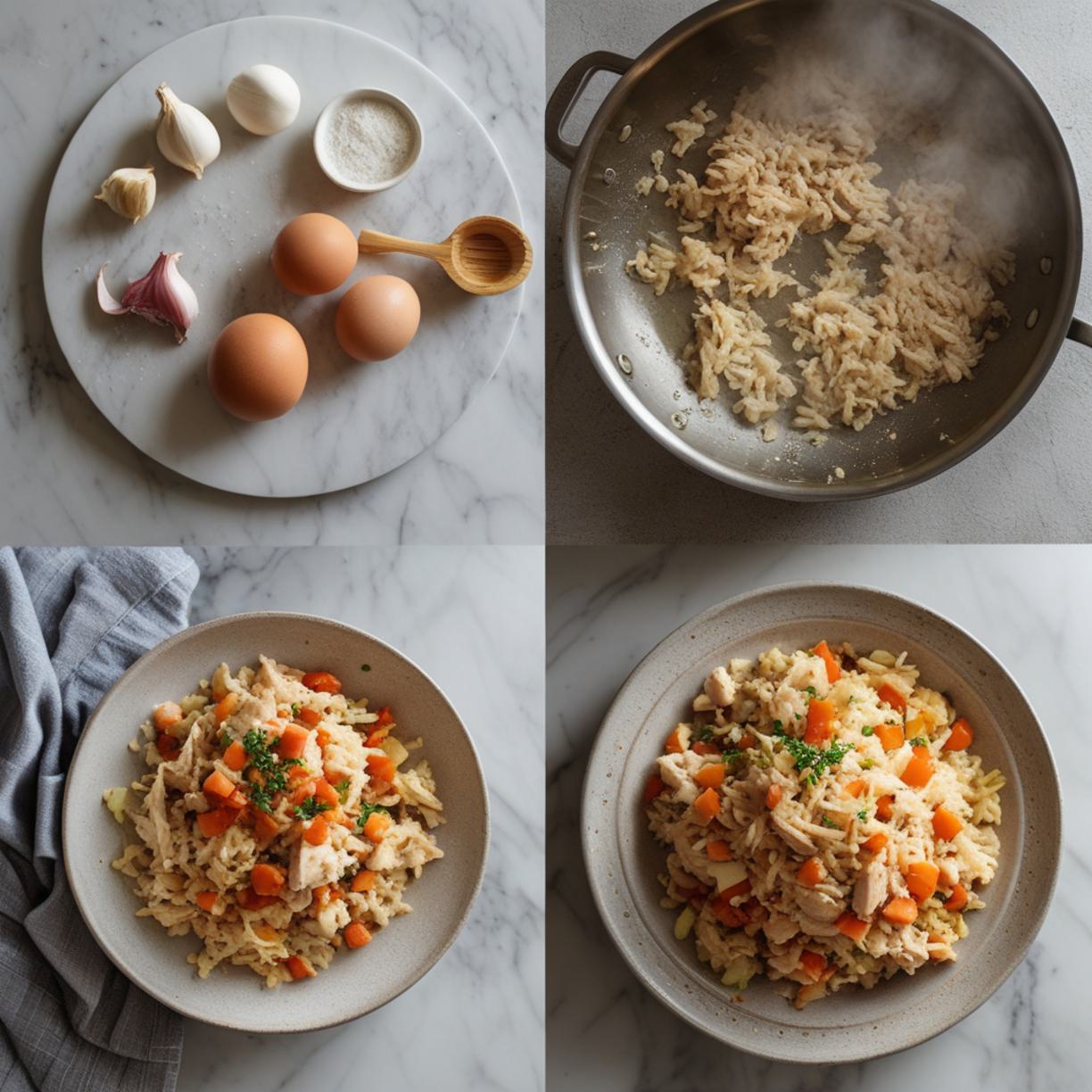
Cold chicken bones? Never! Starting with chilled poultry causes drastic pan temperature drops, steaming meat instead of searing. If rice remains crunchy, the oven rack is likely too high—heat rises, unevenly cooking the top. Remedy by adding 1/4 cup broth, covering, and baking 8 more minutes at 400°F. For chicken that shreds effortlessly, probe between thigh and drumstick—avoiding bones—until 195°F is achieved. Over-salting? Stir in cooked plain rice to dilute, then transfer back to oven 5 minutes to blend. If the bottom scorches, transfer upper layers to new dish, leaving burnt crust behind—add more stock to mask dryness. Skin not crispy? Broil 2 minutes, monitoring vigilantly—sugars in demi-glace burn easily.
Flavor Variations
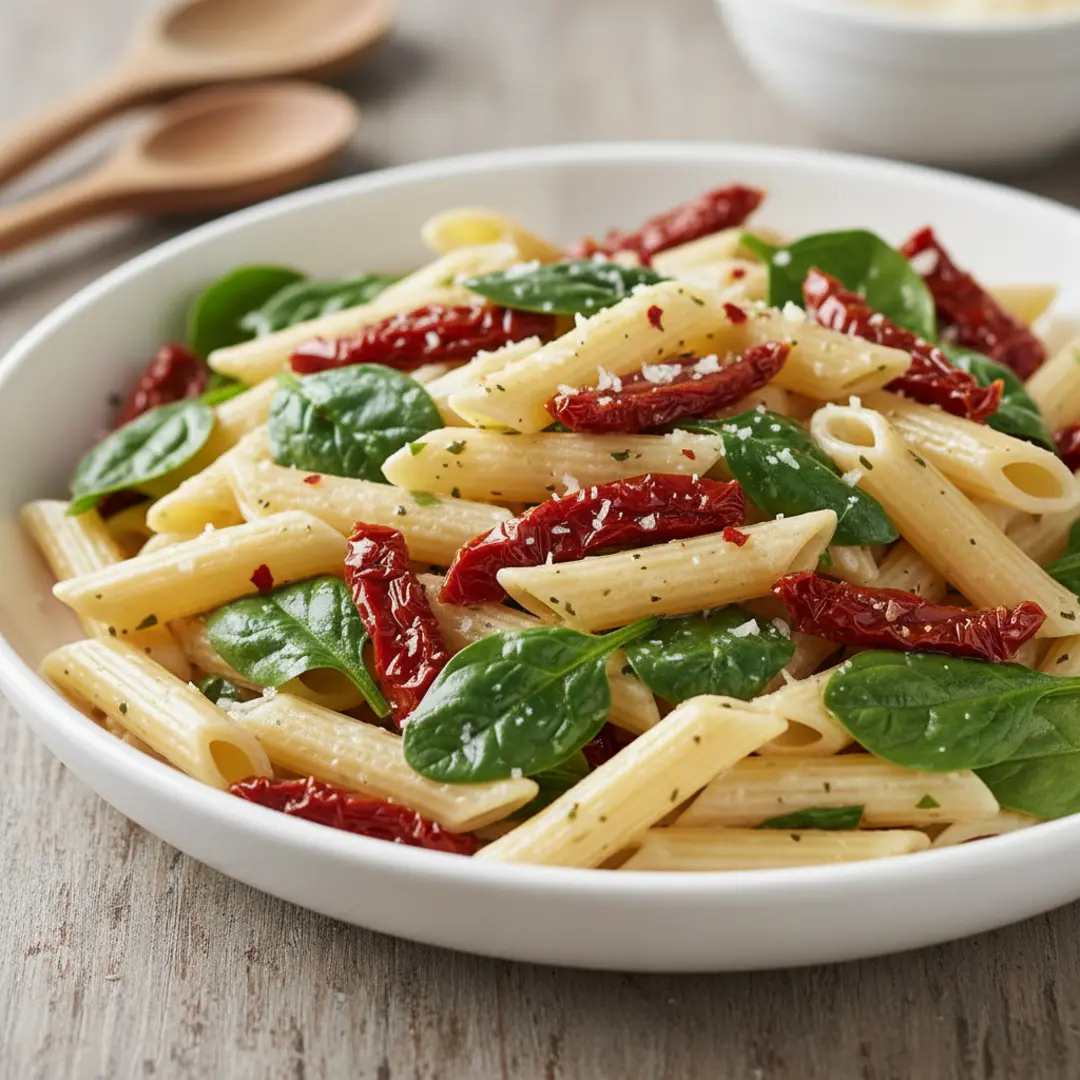
For smoky heat, add 1 chopped chipotle in adobo to shallot sauté. Replace vermouth with mescal and paprika with ancho chili powder. Tropical versions incorporate coconut milk (swap for 1 cup broth), lemongrass stalks, and kaffir lime leaves—top with toasted macadamias. Kid-friendly iterations blend pureed carrots into stock for hidden veg, use drumsticks for fun eating, and mix Parmesan into rice. Mediterranean adaptations involve artichoke hearts, sun-dried tomatoes, and a finish of crumbled feta with oregano.
Storage & Reheating
Cool casserole uncovered—trapped steam turns rice mushy. Portion into shallow airtight containers; refrigerate up to 4 days. Freeze individual servings in silicone molds for quick meals. To revive, place refrigerated portions in oven-safe dishes with 1 tbsp broth per cup. Cover; bake at 325°F 20 minutes. Microwaving obliterates textures—use only with 50% power and a damp paper towel over rice. Skin loses crispness—sprinkle with panko and broil 90 seconds.
FAQ Section
Can I use boneless chicken? Yes, but reduce baking time to 18 minutes—bones act as insulators.
Why is my rice gummy? Likely stirred during baking—disturbed grains release excess starch.
Can I make this ahead? Complete through step 10; refrigerate overnight. Add 5 minutes to bake time.
What wine pairs best? Alsatian Gewürztraminer—its lychee notes complement saffron’s earthiness.
The Recipe Card
Nutrition Information
| Nutrient | Per Serving* |
|---|---|
| Calories | 612 |
| Protein | 34g |
| Fat | 28g |
| Carbohydrates | 52g |
*Based on 6 servings. Nutritional data estimates only. Consult a nutritionist for precise needs.