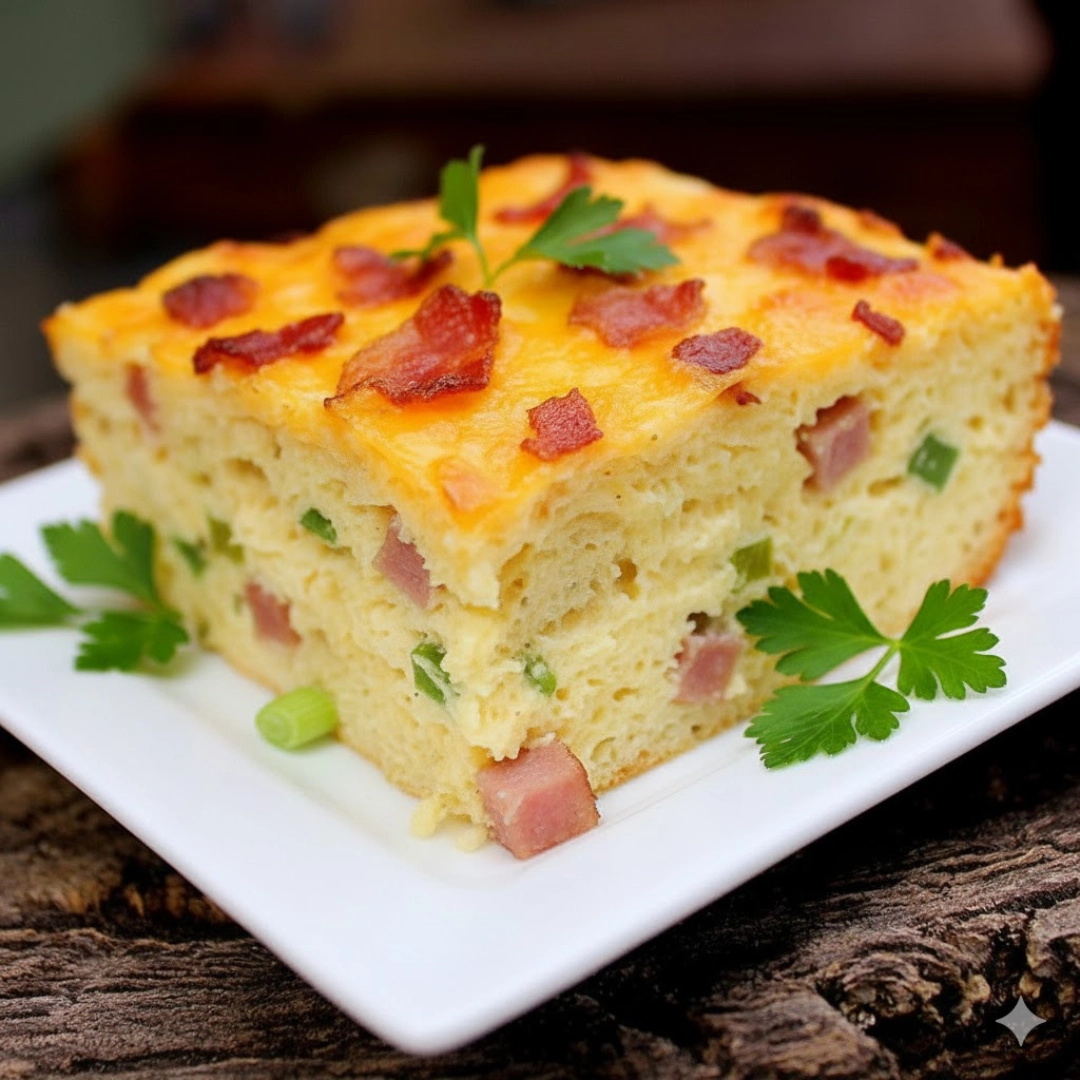
This kind of breakfast bake is the definition of celebratory morning food. It’s hearty enough to anchor a holiday meal, requiring minimal hands-on time before guests arrive, yet delivers a beautiful blend of sweet and savory notes that feels truly special. The combination of crusty bread, salty ham or bacon, sharp cheddar, and a rich egg custard, kissed with a hint of maple or brown sugar, makes this Easter Breakfast Casserole a guaranteed crowd-pleaser. It’s a dish designed for easing into a relaxed holiday morning, giving you more time to focus on family and the day’s festivities instead of being tied to the stove.
Table of Contents
A Gathering of Key Components
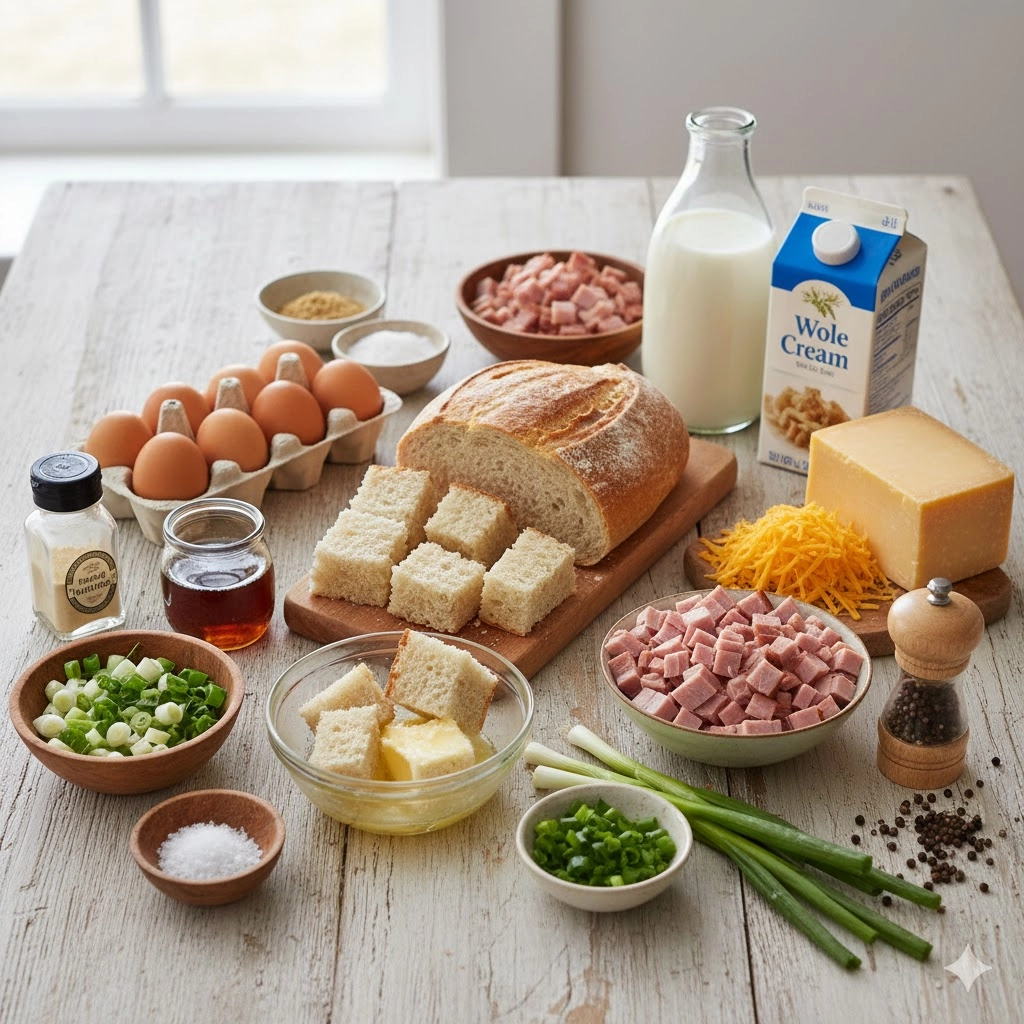
The magic of a great casserole lies in the quality and layering of its core ingredients. Use the best quality components you can find, as the flavors will become more concentrated and pronounced during the slow bake.
- For the Bread Base:
- One loaf (about sixteen ounces) Crusty Bread (French or Sourdough), cut into one-inch cubes
- Two tablespoons Unsalted Butter, melted
- The Savory Core:
- One cup Diced Cooked Ham (or six slices of thick-cut bacon, crisped and crumbled)
- One cup Shredded Sharp Cheddar Cheese
- One quarter cup Chopped Scallions (green parts only)
- The Custard:
- Ten large Eggs
- One and a half cups Whole Milk
- One half cup Heavy Cream
- Two tablespoons Pure Maple Syrup (or packed light brown sugar)
- One teaspoon Dry Mustard Powder
- One half teaspoon Salt
- One quarter teaspoon Black Pepper
Preparing the Holiday Casserole: Essential Steps
This process is designed for minimal stress, allowing you to assemble most of the casserole the night before.
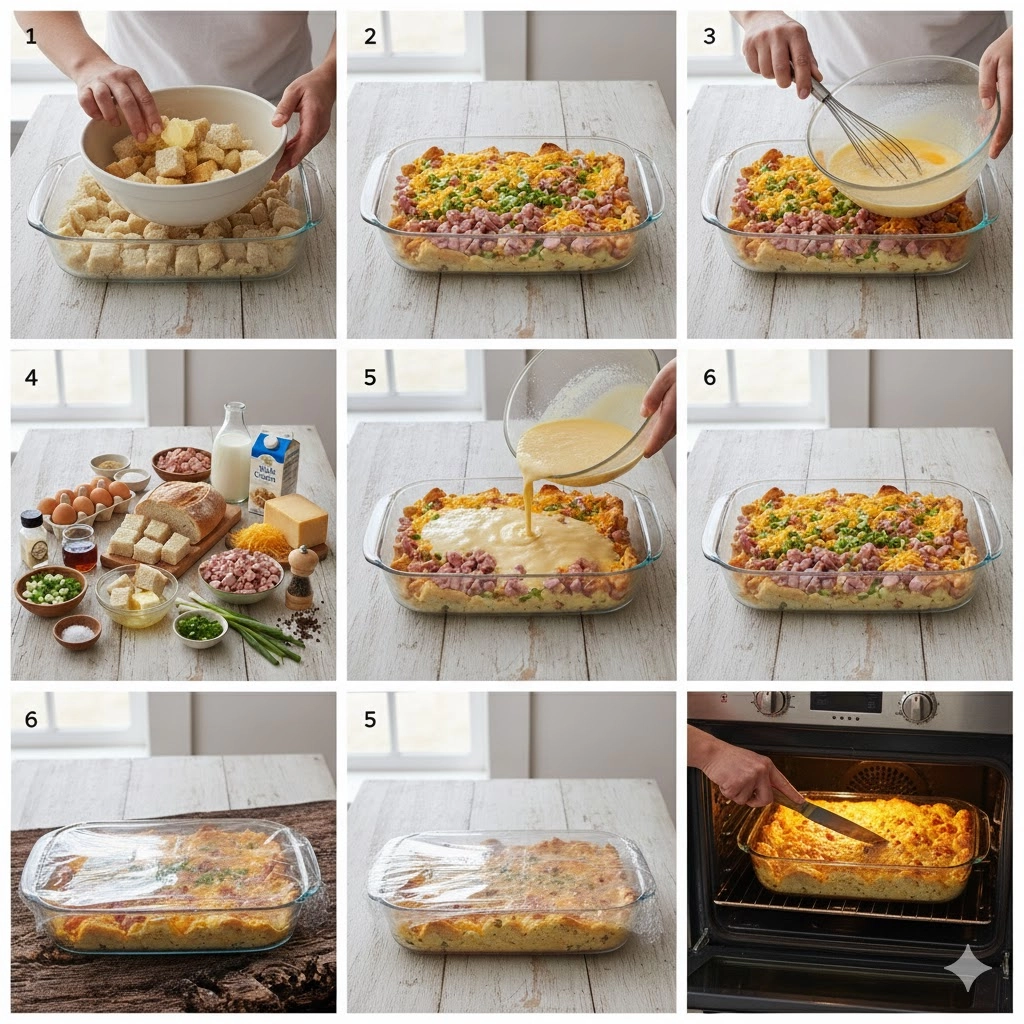
- Prepare the Bread: Toss the cubed bread with the melted butter and spread evenly into a buttered thirteen by nine-inch baking dish.
- Layer the Savories: Scatter the ham (or bacon), cheddar cheese, and scallions evenly over the prepared bread cubes.
- Whisk the Custard: In a large bowl, whisk together the eggs, milk, cream, maple syrup, mustard powder, salt, and pepper until completely uniform and slightly frothy.
- Pour and Soak: Pour the egg mixture slowly and evenly over the bread and filling, ensuring all the bread is thoroughly saturated.
- Refrigerate and Rest: Cover the dish tightly with plastic wrap and refrigerate for a minimum of four hours, or preferably overnight.
- Preheat and Bake: Preheat your oven to three hundred fifty Fahrenheit. Uncover the casserole and bake for forty-five to fifty-five minutes.
- Check for Doneness: The casserole is done when it is puffed, golden brown, and a knife inserted into the center comes out clean.
- Rest and Serve: Let the casserole rest for ten minutes before slicing and serving.
Mastering the Texture: In-Depth Technique
Achieving the perfect texture in a breakfast casserole means avoiding a soggy bottom layer and a dry top. It requires careful attention to the bread, the soak, and the baking environment.
Bread Preparation and Foundation
The choice of bread is paramount. A fresh, soft sandwich loaf will dissolve into mush. You need a sturdy, slightly drier bread that can absorb the liquid without losing its structure. French bread, sourdough, or even a good brioche (if you lean sweeter) that is one or two days old works perfectly. After cubing, tossing the bread with a small amount of melted butter before layering adds a crucial layer of flavor and helps create a subtle barrier against complete saturation. Lay the bread cubes in the baking dish in a single, even layer, making sure not to pack them down, which would hinder the custard’s absorption.
The Critical Soaking Period
This step is what transforms this dish from a basic egg bake into a cohesive, sliceable casserole. The four-hour minimum or overnight soak allows the bread to fully absorb the custard mixture, ensuring the center cooks evenly and remains moist. When you pour the custard, do it slowly—start at the corners and move toward the middle—to give the bread time to draw in the liquid rather than having it run immediately to the bottom. Once soaked, the plastic wrap cover is essential to prevent the top layer of bread from drying out in the refrigerator.
Baking for Puffy Perfection
When the casserole comes out of the refrigerator, let it sit on the counter for twenty to thirty minutes while the oven preheats to three hundred fifty Fahrenheit. Baking a cold dish directly risks a long cooking time and uneven results. Place the dish on the center rack. The initial thirty minutes of baking should be covered with foil if you notice the edges browning too quickly, but generally, the top should be exposed to allow it to develop that beautiful golden crust. The visual cue of doneness is a slightly puffed, set center. The technical cue is checking the internal temperature—it should read around one hundred eighty-five Fahrenheit. If the center is still jiggly after forty-five minutes, continue to bake in five-minute increments.
Expert Pointers for Elevated Results
These specific culinary techniques will help you move this classic Easter Breakfast Casserole from good to truly excellent.
- Toast the Bread Slightly: For an even sturdier texture that resists sogginess, spread the buttered bread cubes on a baking sheet and toast them for ten minutes at three hundred Fahrenheit before assembling the casserole. This extra step is minor but prevents any potential mushiness.
- Balance the Cheese: Instead of putting all the cheese into the mix, reserve about one quarter cup of the shredded cheddar. Scatter this remaining cheese over the top of the casserole during the last fifteen minutes of baking. This ensures a beautifully melted, gooey layer on top without overbrowning.
- Enhance the Herb Blend: Scallions are great, but for a more complex savory profile, combine them with one quarter cup of finely chopped fresh parsley and one teaspoon of fresh thyme leaves. Mix these fresh herbs directly into the custard mixture before pouring.
- The Role of Dry Mustard: The dry mustard powder is a subtle but vital component. It doesn’t make the dish taste like mustard; rather, the acidity brightens the overall flavor of the eggs and cheese, cutting through the richness of the dairy. Do not skip this ingredient.
- Adjust Sweetness to Preference: The two tablespoons of maple syrup suggested here provide a very mild, subtle sweetness that complements the ham. If you prefer a decidedly savory bake, reduce the maple syrup or brown sugar to just one tablespoon, or eliminate it completely.
- Use the Right Pan: Use a glass or ceramic baking dish rather than a metal one. Metal can heat up too quickly and cause the edges to set and potentially scorch before the center is cooked through.
Creative Swaps and Flavor Variations
While the classic ham and cheddar combination is perfect, you can easily pivot this casserole’s flavor profile to suit different tastes or ingredients you have on hand.
- Spicy Sausage and Pepper Jack: Swap the ham for one pound of cooked and drained bulk breakfast sausage. Replace the cheddar with Pepper Jack cheese for a spicy kick. Add one half cup of diced green bell pepper to the savory core.
- Mushroom and Swiss: Create a vegetarian option by sautéing two cups of sliced cremini mushrooms with a clove of minced garlic until the moisture is released and they are lightly browned. Use Swiss cheese and add a pinch of nutmeg to the custard for a deep, earthy flavor.
- Spinach and Feta Mediterranean: Use one cup of thawed, squeezed dry, frozen chopped spinach in place of the ham. Swap the cheddar for half a cup of crumbled feta cheese. Add a quarter cup of chopped sun-dried tomatoes (oil-packed, drained) for tanginess.
- Smoked Salmon and Dill: This is a delicate, elegant swap. Use one half cup of flaked smoked salmon (added in the layering step) and swap the scallions for a quarter cup of fresh chopped dill and two tablespoons of capers. This variation is best served with a dollop of crème fraîche.

Recommended Pairings for Serving
A substantial casserole like this is often the centerpiece of the meal, but a few simple sides can elevate the experience and provide balance.
- A Simple Green Salad: A bright, acidic salad is the perfect counterpoint to the richness of the eggs and cheese. Toss mixed greens with a light vinaigrette made from lemon juice, olive oil, and a touch of Dijon mustard.
- Fresh Fruit Skewers: Serving colorful fruit skewers (strawberries, melon, grapes, pineapple) adds a fresh, vibrant, and light element to the plate, contrasting the dense casserole texture.
- Roasted Asparagus or Broccolini: Roast the vegetables tossed with a little olive oil, salt, and pepper at the same three hundred fifty Fahrenheit temperature as the casserole for the last fifteen to twenty minutes of baking. The slight bitterness and clean flavor of the vegetables cut through the richness beautifully.
- A Light Citrus Glaze: If you prefer a slightly sweeter casserole, a simple glaze made from powdered sugar mixed with a tablespoon of orange juice can be drizzled over individual servings just before plating.
Frequently Asked Culinary Questions
Understanding the nuances of the preparation helps guarantee success with this family favorite.
Can I prepare this casserole completely ahead of time?
Yes, the entire casserole can be assembled, covered, and refrigerated for up to twenty-four hours before baking. The longer soak time (overnight) is actually beneficial for texture. Just remember to allow it to sit out for a half hour while the oven preheats to avoid placing a super cold dish into a hot oven, which can lead to cracking and uneven cooking.
What is the best way to store and reheat leftovers?
Store any remaining slices in an airtight container in the refrigerator for up to three days. To reheat individual slices, the best method is to use a toaster oven or standard oven at three hundred Fahrenheit until warmed through, which keeps the exterior crust crisp. A microwave can be used, but it will soften the bread’s texture.
Why did my casserole turn out watery or soggy?
Sogginess is usually due to one of three issues: the wrong kind of bread (too soft), insufficient soaking time (the center hasn’t fully set), or not draining the meat well enough (if using sausage or bacon). Make sure to use crusty, slightly dry bread, and always drain any cooked meat components thoroughly before adding them to the dish.
Can I make this in a different size pan?
You can adjust this recipe for an eight by eight-inch square pan, but you should reduce the ingredients by roughly one third and check the cooking time sooner, around thirty-five minutes. For a larger crowd, you can double the recipe and bake it in two separate thirteen by nine-inch pans for the best results and cooking consistency.
Estimated Nutritional Overview
This table provides estimated nutritional information for one serving of this breakfast casserole, assuming eight servings total.
| Nutrient | Amount per Serving |
| Calories | 420 kcal |
| Protein | 25 g |
| Carbs | 32 g |
| Fat | 22 g |
| Fiber | 2 g |
| Sugar | 6 g |
| Sodium | 550 mg |
Nutrition Information is an estimate and may vary based on preparation and ingredients used.
PrintThe Ultimate Savory-Sweet Easter Breakfast Casserole

A festive, make-ahead breakfast bake featuring sturdy bread, savory ham, sharp cheddar cheese, and a rich, lightly sweetened egg custard. It’s the perfect stress-free centerpiece for a relaxed holiday brunch.
- Prep Time: 20 mins
- Cook Time: 50 mins
- Total Time: 4+ hours (includes soak)
- Yield: 8 servings 1x
- Category: Breakfast, Brunch
- Method: Baking
- Cuisine: American
Ingredients
One loaf (about sixteen ounces) Crusty Bread, cut into one-inch cubes
Two tablespoons Unsalted Butter, melted
One cup Diced Cooked Ham
One cup Shredded Sharp Cheddar Cheese
One quarter cup Chopped Scallions (green parts only)
Ten large Eggs
One and a half cups Whole Milk
One half cup Heavy Cream
Two tablespoons Pure Maple Syrup (or packed light brown sugar)
One teaspoon Dry Mustard Powder
One half teaspoon Salt
One quarter teaspoon Black Pepper
Instructions
1. Toss the cubed bread with the melted butter and spread evenly into a buttered thirteen by nine-inch baking dish.
2. Scatter the ham (or bacon), cheddar cheese, and scallions evenly over the prepared bread cubes.
3. Whisk together the eggs, milk, cream, maple syrup, mustard powder, salt, and pepper until uniform.
4. Pour the egg mixture slowly and evenly over the bread and filling.
5. Cover tightly and refrigerate for a minimum of four hours, or preferably overnight.
6. Preheat your oven to three hundred fifty Fahrenheit. Uncover and bake for forty-five to fifty-five minutes.
7. The casserole is done when it is puffed, golden brown, and a knife inserted into the center comes out clean.
8. Let the casserole rest for ten minutes before slicing and serving.
Notes
The overnight soak is crucial for the best texture; do not skip it.
If you prefer a completely savory dish, reduce the maple syrup to one tablespoon or eliminate it entirely.
For best reheating results, use a toaster oven or standard oven to maintain the crust’s texture.
Nutrition
- Serving Size: 1 slice
- Calories: 420
- Sugar: 6g
- Sodium: 550mg
- Fat: 22g
- Saturated Fat: 10g
- Unsaturated Fat: 12g
- Trans Fat: 0g
- Carbohydrates: 32g
- Fiber: 2g
- Protein: 25g
- Cholesterol: 280mg