Ingredient Deep Dive
| Ingredient | Quantity | Purpose |
|---|---|---|
| Tomatoes | 6 medium | Acidic base for sauce |
| Eggplant | 2 small | Meaty texture foundation |
| Zucchini | 3 medium | Soft crunch contrast |
| Yellow Squash | 3 medium | Sweet visual contrast |
| Red Bell Pepper | 2 | Fruity brightness |
| Garlic | 6 cloves | Aromatic depth |
| Fresh Thyme | 15 sprigs | Herbal earthiness |
| Olive Oil | 1/2 cup | Flavor carrier |
The carefully balanced acidity in ripe tomatoes acts as a natural tenderizer while providing the liquid matrix that holds this vegetable mosaic together. Eggplant’s spongy cellular structure absorbs surrounding flavors while contributing bulk without overwhelming volatility when properly salted and drained.
Zucchini and squash contain varying water content percentages (94% vs 92%) requiring differential cooking times. Their concentric rings create structural integrity when thinly sliced – approximately 1/16″ thick is the sweet spot where cell walls soften without disintegration during the 2-hour slow roast.
Substitutions & Swaps
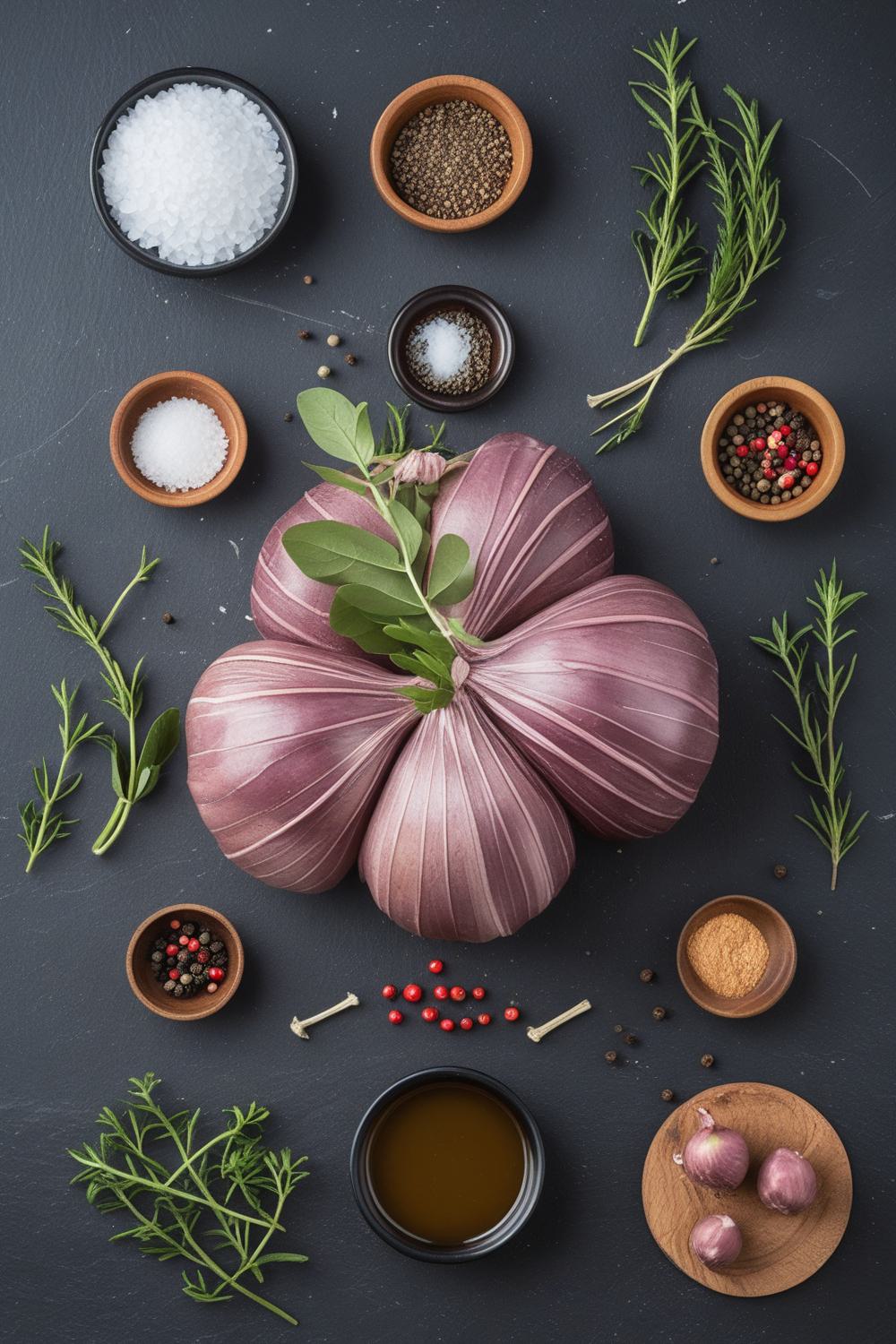
Vegans can replace traditional Parmesan with nutritional yeast or fermented cashew cheese while maintaining umami depth. Gluten-sensitive guests benefit from chickpea miso paste substituting conventional roux thickeners. Sunflower oil works perfectly when OLEOCANTHAL-rich EVOO isn’t available, though expect slightly reduced peppery finish.
For pantry improvisation, canned San Marzano tomatoes outperform off-season fresh varieties. Japanese eggplant offers superior texture retention compared to globe varieties when frozen during winter months. Dried thyme (3:1 ratio) suffices if fresh herbs prove unavailable, though always add during initial sautéing to rehydrate properly.
Equipment Guide
A 12″ cast iron skillet provides unparalleled heat retention for developing the essential fond. Mandoline slicers guarantee 1/16″ precision – use cut-resistant gloves! Enameled oval cocottes create ideal steam environments when covering vegetables during initial cooking. Avoid non-stick surfaces as they prevent proper caramelization.
Sharp 8″ chef knives work best for small dice on aromatics. Digital probe thermometers monitor doneness without disrupting delicate vegetable arrangements. French copper pans offer excellent responsiveness if reducing sauces at the final stage. Glass lids allow visual monitoring during covered roasting phases.
Step-by-Step Walkthrough
- PREP VEGETABLES: Salt eggplant slices and rest 30 minutes to draw out bitterness
- MAKE TOMATO BASE: Sauté garlic until golden, add crushed tomatoes and reduce by 30%
- ARRANGE LAYERS: Alternate tomato/eggplant/zucchini/squash in spiral pattern
- INFUSE OIL: Warm olive oil with thyme sprigs to 180°F for 8 minutes
- BAKE COVERED: 275°F for 90 minutes in middle oven rack position
- CRISP FINISH: Uncover, increase to 400°F for final 18 minutes
- REST: 22 minutes before serving to redistribute juices
The enzymatic breakdown accelerates significantly between 140-160°F – maintaining this temperature window for 45+ minutes ensures pectin conversion without mushiness. Always pre-chill slicing blades for cleaner cuts through waxy squash skins. Rotate bakeware midway through cooking to counter hot spots in domestic ovens.
Visual doneness markers include eggplant translucency (87% opacity) and zucchini rib softening when pressed with wooden spoon edge. For service hold, maintain above 135°F using water baths if necessary. Garnish with browned butter breadcrumbs immediately before plating to preserve texture contrast.
Expert Tips & Troubleshooting
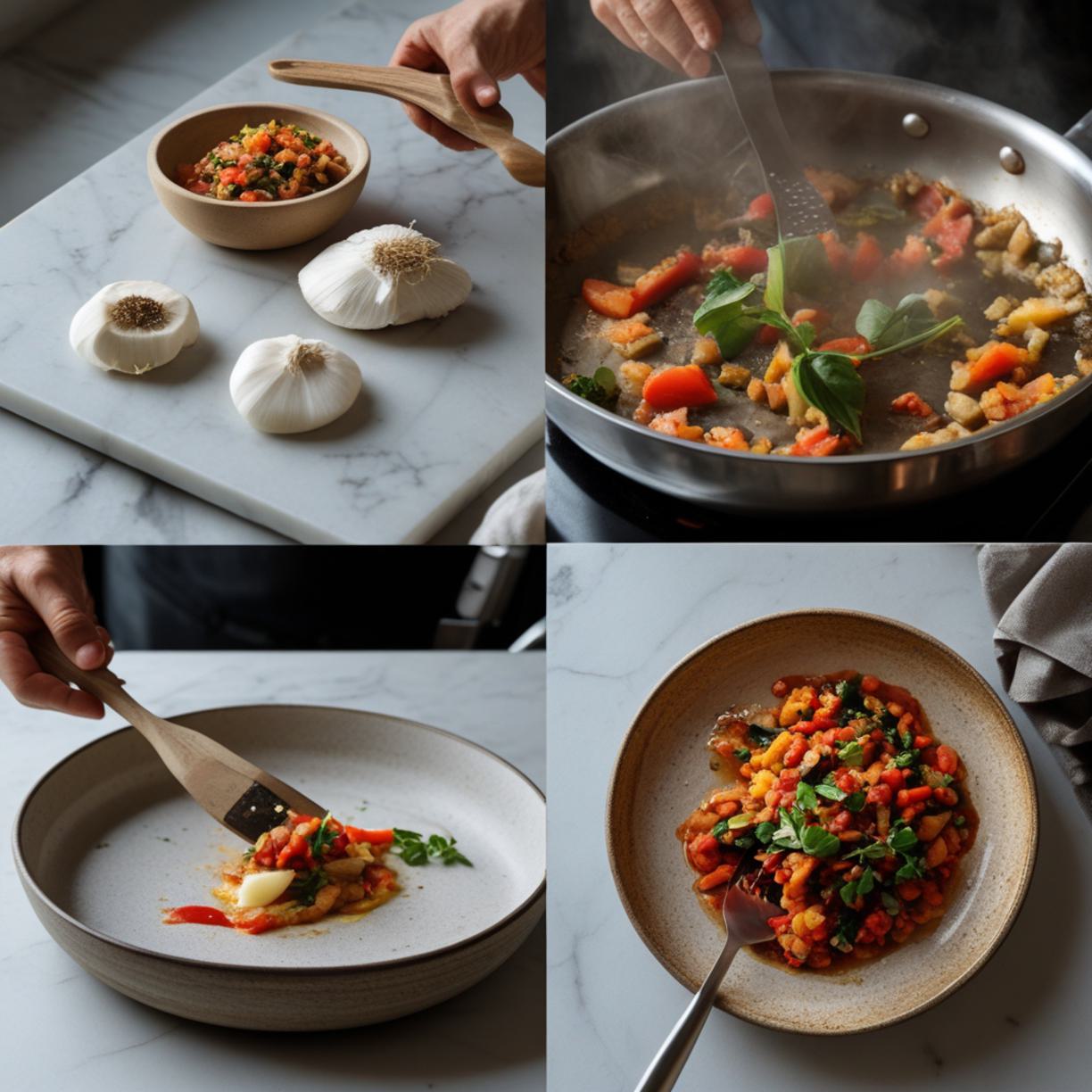
Blind bake sliced vegetables separately for 12 minutes before assembly if managing water content proves challenging. Immediate white wine deglazing prevents burnt fond accumulation. When sauce separation occurs, whisk 1tsp xanthan gum into cold oil before reincorporating.
Soggy textures indicate insufficient initial salting – blot surfaces with paper towels midway through roasting. Cloudy olive oil marks suggest exceeding smoke point; strain through cheesecloth with activated charcoal. For intensified flavor, refrigerate assembled uncooked ratatouille overnight, allowing osmotic exchange between layers.
If serving at high altitudes, increase liquid by 15% and extend covered cooking time by 25 minutes. Browning reactions slow significantly above 3,000ft elevation. Store herb oils in amber dropper bottles away from light sources to prevent chlorophyll degradation.
Flavor Variations
For Provençal heat, layer harissa paste between vegetable tiers. Smoked paprika and chipotle powder add Mexican-American fusion notes. Children often prefer sweeter profiles – substitute yellow tomatoes and candy stripe beets while adding honey-roasted garlic puree.
Japanese iterations employ dashi broth and shiso garnishes. Indian-spiced versions feature turmeric-roasted cauliflower and coconut milk base. Grilling vegetables over almond wood chips introduces campfire complexity without overwhelming delicate herbs.
Storage & Reheating
Refrigerate cooled ratatouille in food-grade ceramic for up to 5 days. Freeze portions submerged in cooking liquid for 3-month storage. Reheat sous vide at 145°F for 40 minutes or bake covered at 300°F with ice cube added to prevent drying. Avoid microwaving at high power settings.
FAQ Section
Can I make this ahead? Fully cooked ratatouille improves over 48 hours as flavors meld. Assemble uncooked up to 18 hours refrigerated.
How do I prevent sogginess? Salt vegetables 1 hour before use and let drain on wire racks. This collapses cell structures pre-cooking.
Can I use different vegetables? Maintain tomato base but try kohlrabi or rainbow chard in seasonal variations. Root vegetables require par-cooking first.
What protein pairs best? Seared branzino or miso-glazed tofu complement without overpowering. Avoid heavy red meats.
The Recipe Card
A vibrant Provençal celebration featuring concentric vegetable spirals bathed in herb-infused tomato nectar. Slow-roasted harmony of yielding eggplant, sweet squash, and aromatic thyme. 165°F core temperature ensures tender textures with subtle resistance. Serves 6 as main or 10 as side.
Nutrition Information
| Nutrient | Per Serving |
|---|---|
| Calories | 218 |
| Carbohydrates | 24g |
| Dietary Fiber | 7g |
| Vitamin C | 76% DV |
Disclosure: Nutritional estimates utilize USDA database averages. Actual values may vary based on ingredient sourcing and portion sizes. Consult certified nutritionist for medical dietary planning.