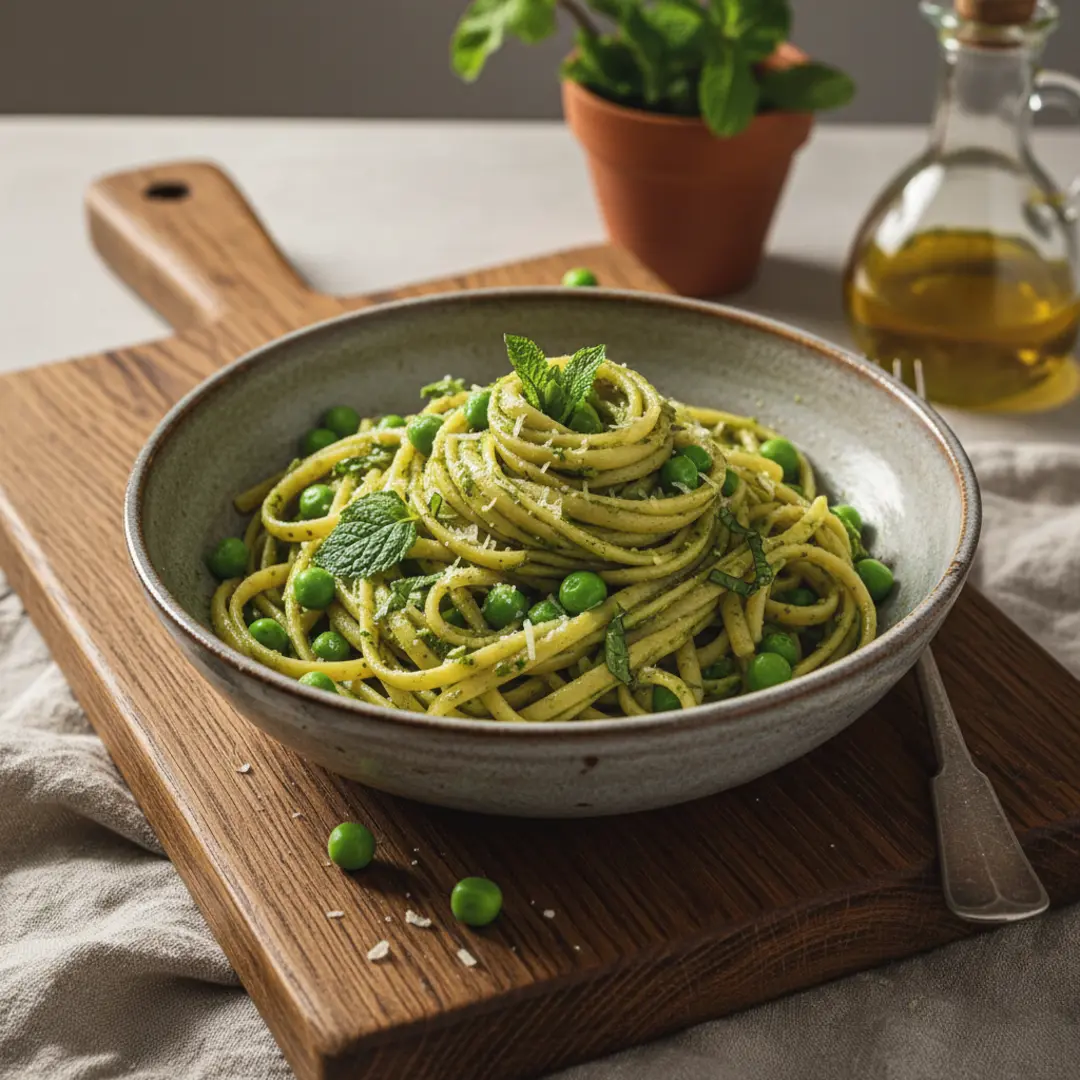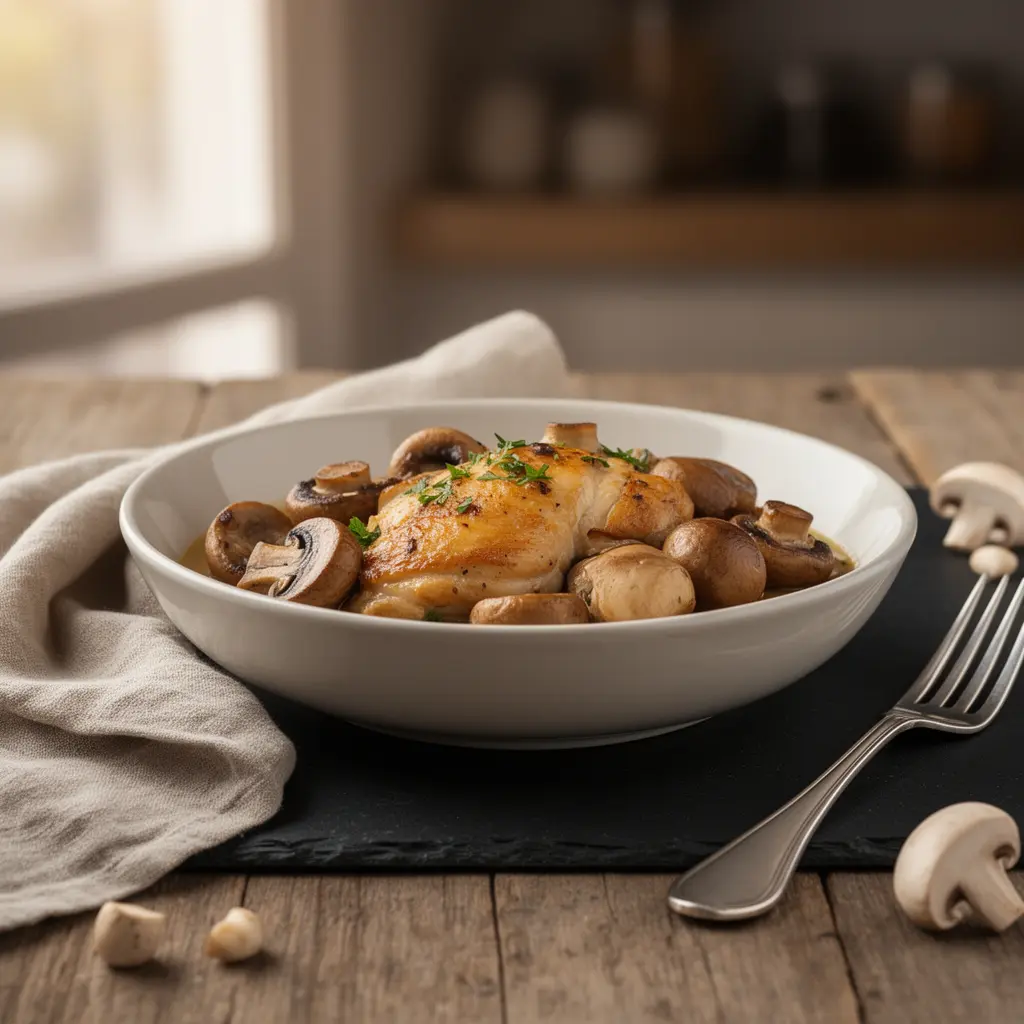
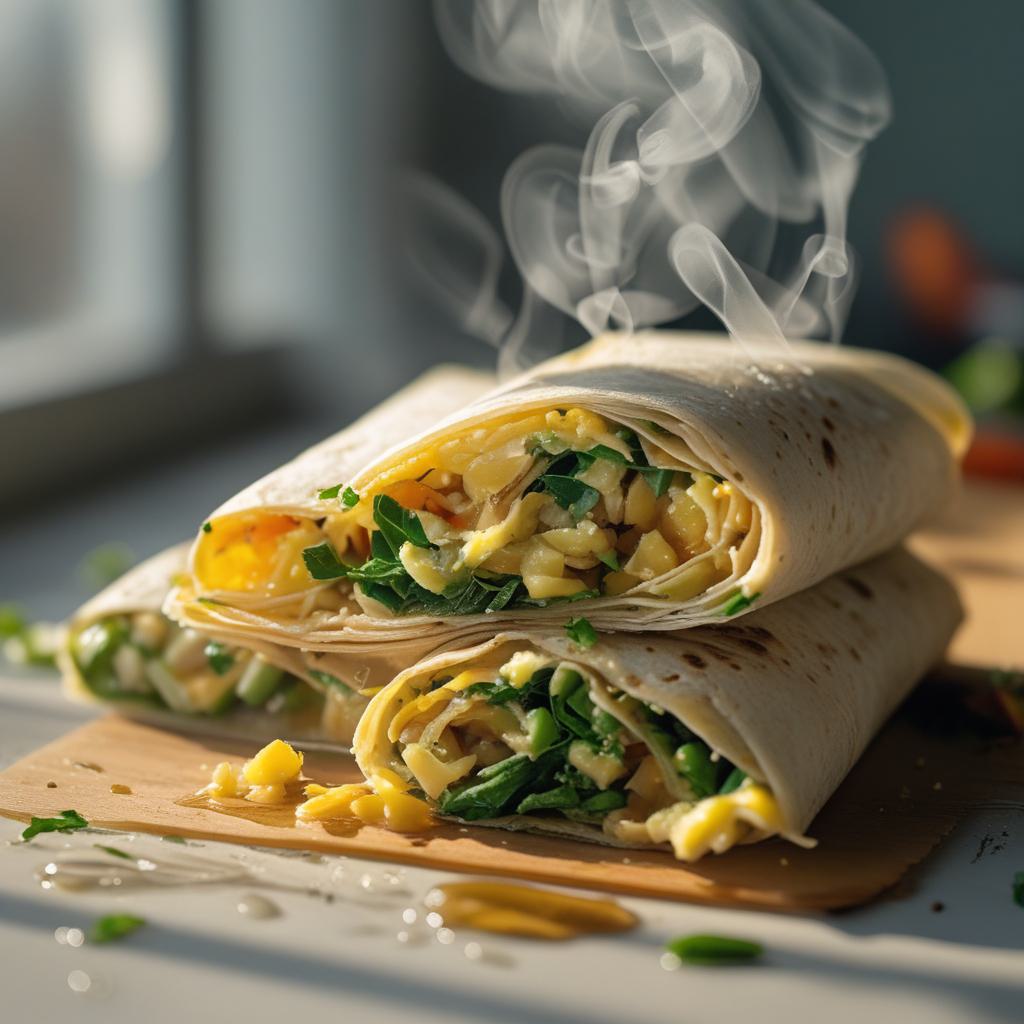
The aroma of sizzling marinated vegetables and caramelizing proteins hits you the moment the skillet meets flame—an olfactory overture announcing the symphony of textures and tastes that make snack wraps culinary miracles. Picture warm tortillas, pliable as silk handkerchiefs, embracing jewel-toned fillings: crimson bell peppers surrendering their earthy sweetness to olive oil’s embrace, golden onions turning translucent at their edges, and spiced proteins forming crackling micro-crusts that shatter under teeth. As steam rises from freshly chopped herbs scattered like confetti, the wraps become time capsules—each bite parceling Mediterranean sunshine, Mexican fiestas, or Southeast Asian market stalls within portable perfection. Unlike sandwiches burdened by structural limitations, these handheld canvases let you paint with global flavors while cradling moisture like culinary origami. The magic lies in balance: creamy avocado emulsion countering pickled radishes’ staccato crunch, umami-rich sauces tattooing their essence onto tender leaves, and every mouthful delivering crescendos through temperature contrasts. Whether served as elegant hors d’oeuvres or rustic camping fare, snack wraps achieve gourmet transcendence by disguising complexity with approachability—no silverware required.
Table of Contents
Ingredient Deep Dive
| Ingredient | Quantity | Purpose |
|---|---|---|
| Flour Tortillas | 8-inch (4 count) | Neutral base allowing texture contrast |
| Chicken Thighs | 12 oz | Fat content prevents drying during quick searing |
| Smoked Paprika | 2 tsp | Enhances maillard reaction with natural sugars |
| Greek Yogurt | 1/2 cup | Acidity tenderizes proteins; replaces mayo viscosity |
| Avocado | 1 ripe | Provides creamy lipids for fat-soluble flavor delivery |
| Pickled Red Onions | 1/2 cup | Acetic acid brightens rich components |
| Butter Lettuce | 8 leaves | Hydration barrier against soggy wraps |
| Lime Juice | 2 tbsp | Denatures proteins while balancing pH |
| Toasted Pepitas | 3 tbsp | Introduces textural contrast through pyrolytic crunch |
Protein selection determines mouthfeel architecture. Chicken thighs outperform breasts here—their intramuscular fat emulsifies during high-heat searing, creating caramelized crusts while maintaining aqueous pockets within fibers. When combined with yogurt’s lactic acid, which partially hydrolyzes collagen, this achieves fork-tender results absent extended marination. Paprika’s capsaicinoids aren’t merely spicy; they accelerate thermal transfer for faster crust development.
Fats strategically layer viscosity gradients. Avocado’s monounsaturated lipids coat taste receptors, delaying flavor release, while yogurt’s emulsified milk solids provide instant tang. Pepitas add topographic interest—their silicate-rich shells fracture into glass-like shards during mastication, contrasting the tortilla’s glutenous stretch. Acid components like pickled onions and lime operate as temporal architects, their brightness emerging mid-palate to cleanse recalcitrant fats.
Substitutions & Swaps
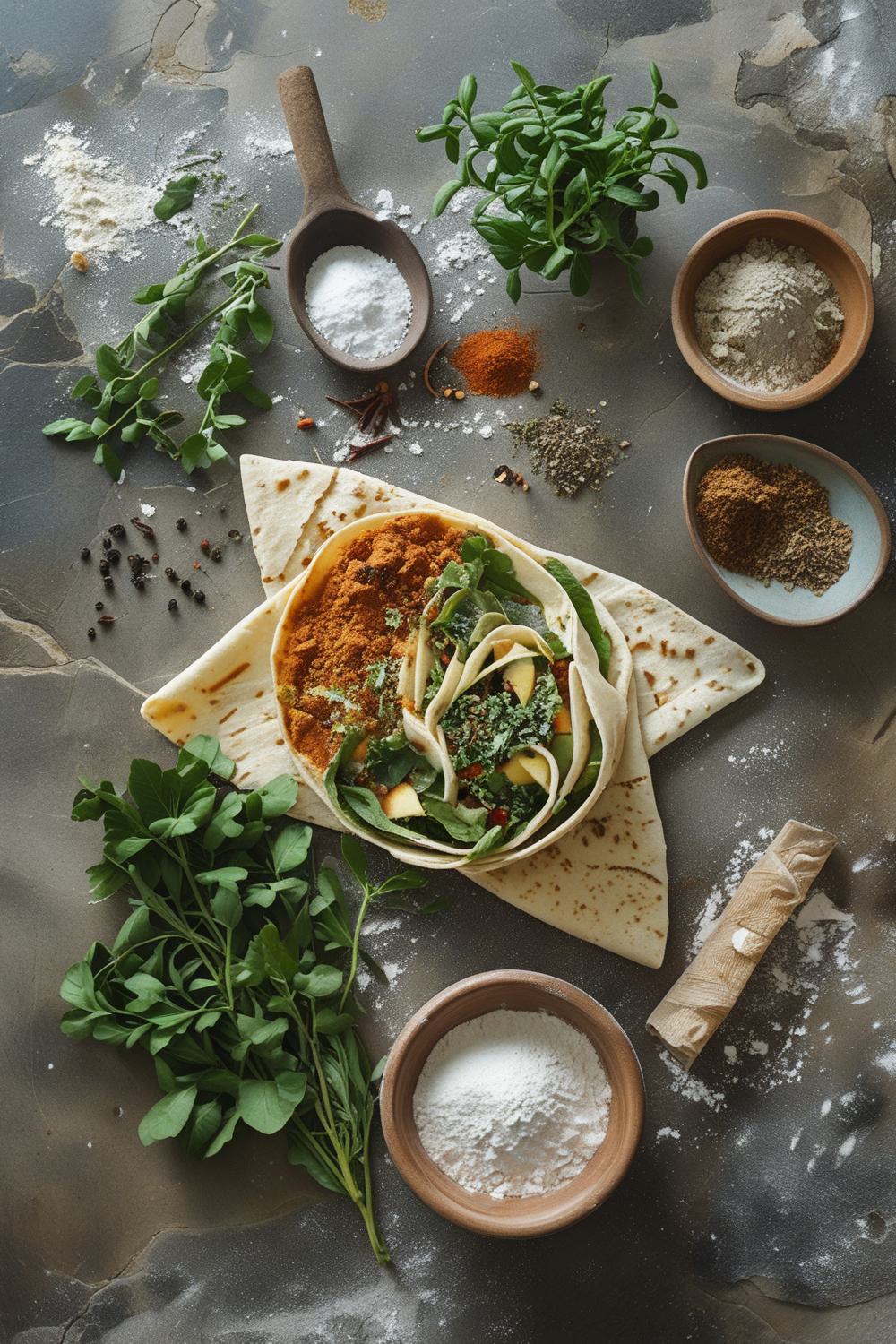
For gluten-sensitive executions, cassava or chickpea tortillas provide structural integrity through resistant starches. Swap chicken with baked tofu—press slices under weighted plates for 30 minutes to expel moisture, then marinate in miso-turmeric paste for umami replication. Vegan alternatives for Greek yogurt include cashew cream enriched with nutritional yeast, mimicking both mouth-coating viscosity and tang through citric acid. Those avoiding nightshades can substitute smoked paprika with dulse flakes activated by toasting—their glutamates amplify savoriness without capsicum heat. Nut allergy sufferers replace pepitas with fried shallot rings for textural punctuation. In a pantry crisis, hummus stands in for avocado spread, while quick-pickled cucumbers mimic red onions’ acidity when steeped in rice vinegar and salt for 15 minutes.
Equipment Guide
A 12-inch carbon steel skillet outperforms non-stick alternatives for developing fond—those caramelized bits essential for depth. Its responsive thermal mass prevents hot spots that might scorch delicate fillings. Employ microplane graters over box varieties when zesting citrus; their ultra-sharp blades shear cell walls without rupturing bitter pith oils. Use asbestos-free rubber spatulas to fold fillings gently, preserving distinct textures versus wooden spoons that crush components. Digital probe thermometers guarantee proteins reach safe internal temps without guesswork—target 165°F for poultry. Lastly, a tortilla warmer lined with damp linen traps steam, relaxing gluten networks for pliable rolling without cracking.
Step-by-Step Walkthrough
- Whisk 1 tbsp lime juice, 2 tsp paprika, 1 tsp kosher salt into 3 tbsp olive oil; coat chicken thighs and marinate 20 minutes—acid duration ensures tenderization without curing.
- Blend avocado, ½ cup Greek yogurt, and remaining lime juice until aerated; refrigerate to thicken emulsion.
- Sear chicken in dry skillet over medium-high 4 minutes per side until internal temp hits 165°F; rest 5 minutes before slicing crosswise.
- Sauté julienned peppers and onions in chicken fond until edges blister—this captures maillard compounds.
- Warm tortillas in dry pan 20 seconds per side; layer lettuce, avocado spread, chicken, veggies, onions, and pepitas.
- Fold sides inward, then roll tightly from bottom, securing with parchment strips if needed.
Thermal layering prevents structural collapse: hot fillings between chilled lettuce and room-temperature tortillas create equilibrium that maintains crispness. Rest cooked proteins before slicing allows juices to redistribute, avoiding wrap-saturating runoff. When rolling, apply even pressure with fingertips rather than palming—this prevents tearing delicate gluten matrices.
Critical Note: Overfilling guarantees structural failure—ingredients should occupy only the lower third of the tortilla. Wet ingredients like pickles must be patted dry; water is the enemy of tensile strength. If tortillas crack, spritz lightly with water and microwave under damp paper towel for 10 seconds to relax starches.
Expert Tips & Troubleshooting
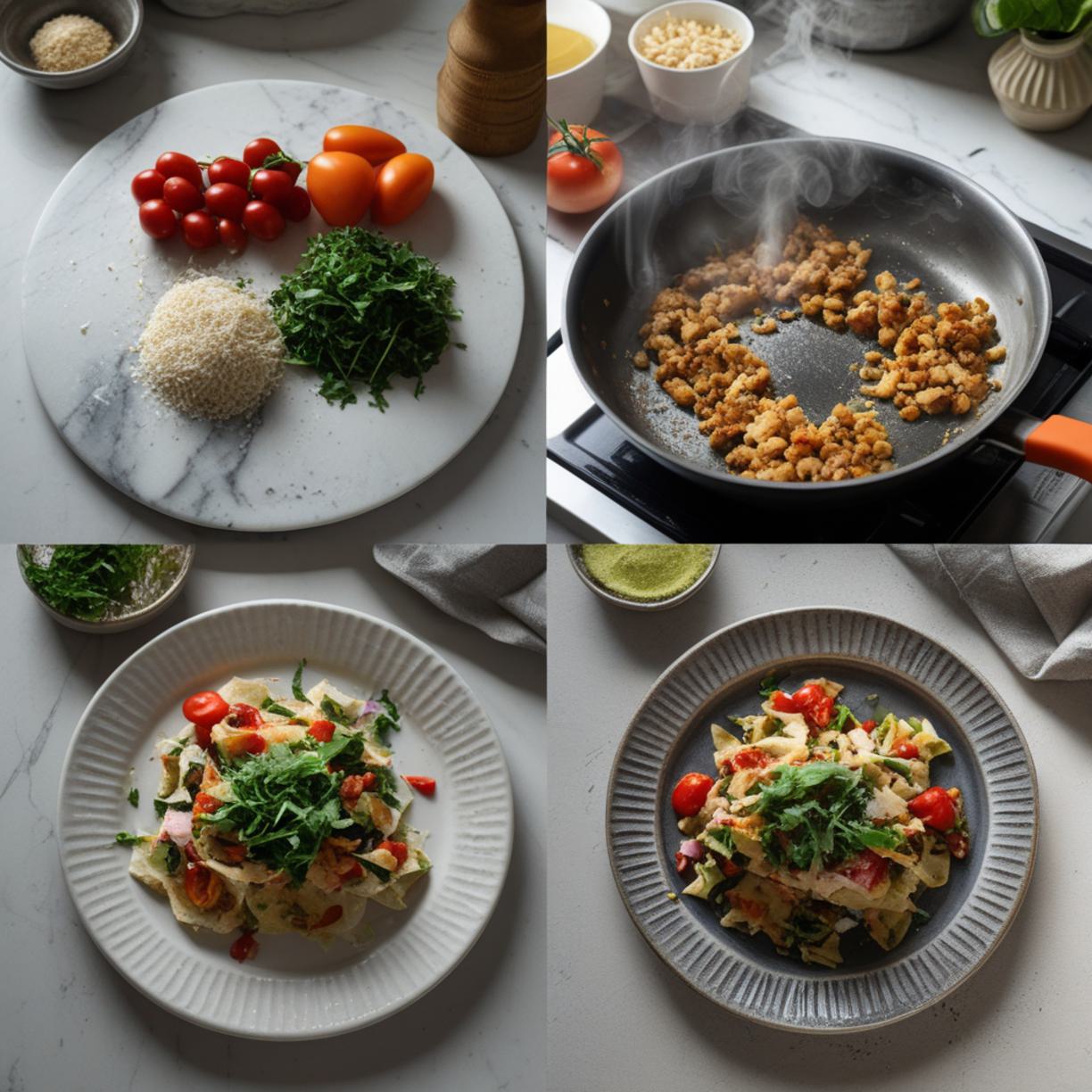
To prevent soggy bottoms, apply avocado spread directly onto tortillas—its hydrophobic lipids create moisture barriers. Lettuce acts as further insulation; iceberg’s high cellulose content outperforms delicate greens here. If fillings slide during biting, employ the diagonal rolling technique: offset ingredients at 45-degree angles, creating natural compression as teeth penetrate. For grill masters, char tortillas lightly over open flames—scorched micro-bubbles add smoky notes while increasing surface rigidity.
Common fixes: Split seams? Repair with softened cream cheese “glue.” Soggy veggies? Toss with ½ tsp cornstarch pre-sauté to absorb exuded liquids. Bland flavors? Boost with fermented condiments—fish sauce or capers introduce glutamates without overwhelming profiles. Tortillas stiffen upon cooling due to starch retrogradation; wrapping snugly in foil and reheating at 300°F for 3 minutes reverses crystallization.
Flavor Variations
Southwest Style: Rub chicken with chipotle powder, swap onions for corn-black bean salsa, use pepper jack cheese.
Vietnamese-Inspired: Substitute chicken with lemongrass-marinated tofu, add pickled daikon/carrot, garnish with crushed peanuts and cilantro.
Kid-Friendly: Replace spices with honey-mustard glaze, add shredded cheddar, roast sweet potatoes instead of peppers.
Brunch Edition: Scramble eggs with smoked salmon, spread with herbed cream cheese, top with everything bagel seasoning.
Dessert Take: Fill with mascarpone, macerated berries, and dark chocolate shards—bake briefly like sweet taquitos.
Storage & Reheating
Store components separately in glass containers: Fillings 4 days refrigerated, sauces 5 days, tortillas frozen up to 3 months. Pre-assembled wraps suffer textural decay within 12 hours. Reheat proteins in skillet over medium with 1 tsp water covered—steam revives tenderness. Revive limp tortillas via 10-second microwave bursts between damp towels. Avoid reheating delicate greens.
FAQ Section
Q: Can I prep these wraps ahead for lunches?
A: Layer dry and wet components separately—assemble morning-of to retain integrity.
Q: What’s the best way to freeze?
A: Freeze fillings only in airtight bags; tortillas develop freezer burn rapidly. Reheat from frozen in skillet.
Q: How do I make these vegetarian without sacrificing protein?
A: Pressed extra-firm tofu or tempeh provide heft. Marinate identically to meats.
Q: Can I grill instead of pan-sear?
A: Absolutely—charcoal imparts smokiness. Precook veggies in foil packets to prevent falling through grates.
Nutrition Information
| Nutrient | Per Wrap |
|---|---|
| Calories | 320 kcal |
| Protein | 22g |
| Total Carbohydrates | 28g |
| Dietary Fiber | 5g |
| Sugars | 3g |
| Total Fat | 14g |
| Saturated Fat | 2.5g |
| Cholesterol | 45mg |
| Sodium | 480mg |
Disclaimer: Nutritional estimates utilize USDA database averages; actual values may vary based on ingredient brands and preparation methods. Consult registered dietitians for medically-restricted diets.