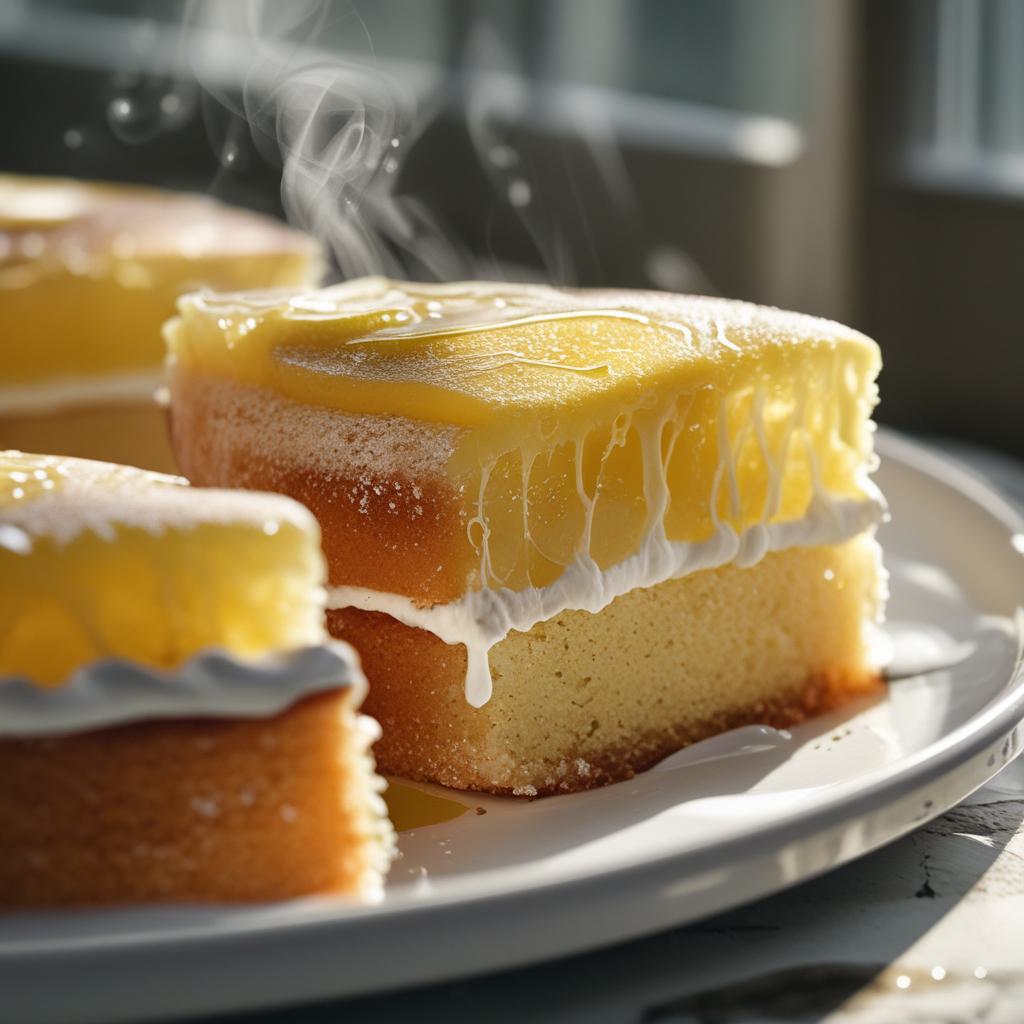
The moment lemon zest hits sugar, a fragrance like sunlight piercing through storm clouds erupts. It’s the alchemy of citrus oils breaking open cellular walls, releasing terpenes and aldehydes that dance on your olfactory nerves. Gourmet lemon cakes aren’t mere desserts—they’re edible poetry. The crumb should sing—ethereally tender yet structurally sound, balancing the acidic punch of fermented buttermilk against the roundness of European butter. When baked correctly, the crust glows like burnished gold, while the interior remains cloud-soft, each bite delivering crescendos of citrus without cloying sweetness. This is precision baking masquerading as rustic charm, where every gram of za’atar or candied peel serves a narrative. Let’s dismantle and rebuild this classic with the obsessiveness of a watchmaker.
Table of Contents
Ingredient Deep Dive
| Ingredient | Quantity | Purpose |
|---|---|---|
| Cake flour | 265g | Low-protein structure for delicate crumb |
| Superfine sugar | 300g | Dissolves faster, aerates butter |
| Meyer lemon zest | 3 tbsp | Oleoresins for aromatic intensity |
| Cultured butter | 227g | 82% fat for superior emulsification |
| Free-range eggs | 5 large | Albumen sets structure, yolks enrich |
| Buttermilk | 180ml | Acid activates baking soda, tenderizes |
| Baking powder | 2 tsp | Double-acting lift during bake |
| Sea salt | 1 tsp | Enhances flavor perception |
Cake flour’s 7-9% protein content prevents gluten overdevelopment—crucial for avoiding toughness. Superfine sugar’s microscopic crystals create millions of air pockets during creaming, while Meyer lemons’ lower acidity and floral notes (from citron parentage) offer sophistication over standard Eurekas. Opt for cultured butter: its tangy complexity comes from lactic acid bacteria, which amplifies dairy notes against lemon’s brightness.
Buttermilk’s acidity serves dual roles: it reacts with baking powder for initial rise, then creates a pH environment where starches gelatinize later—extending the “oven spring” window. Never substitute lemon juice for buttermilk; its water content dilutes fat structures. Eggs must be tempered to 21°C before incorporation. Cold yolks shatter butter’s emulsion, causing greasy streaks.
Substitutions & Swaps
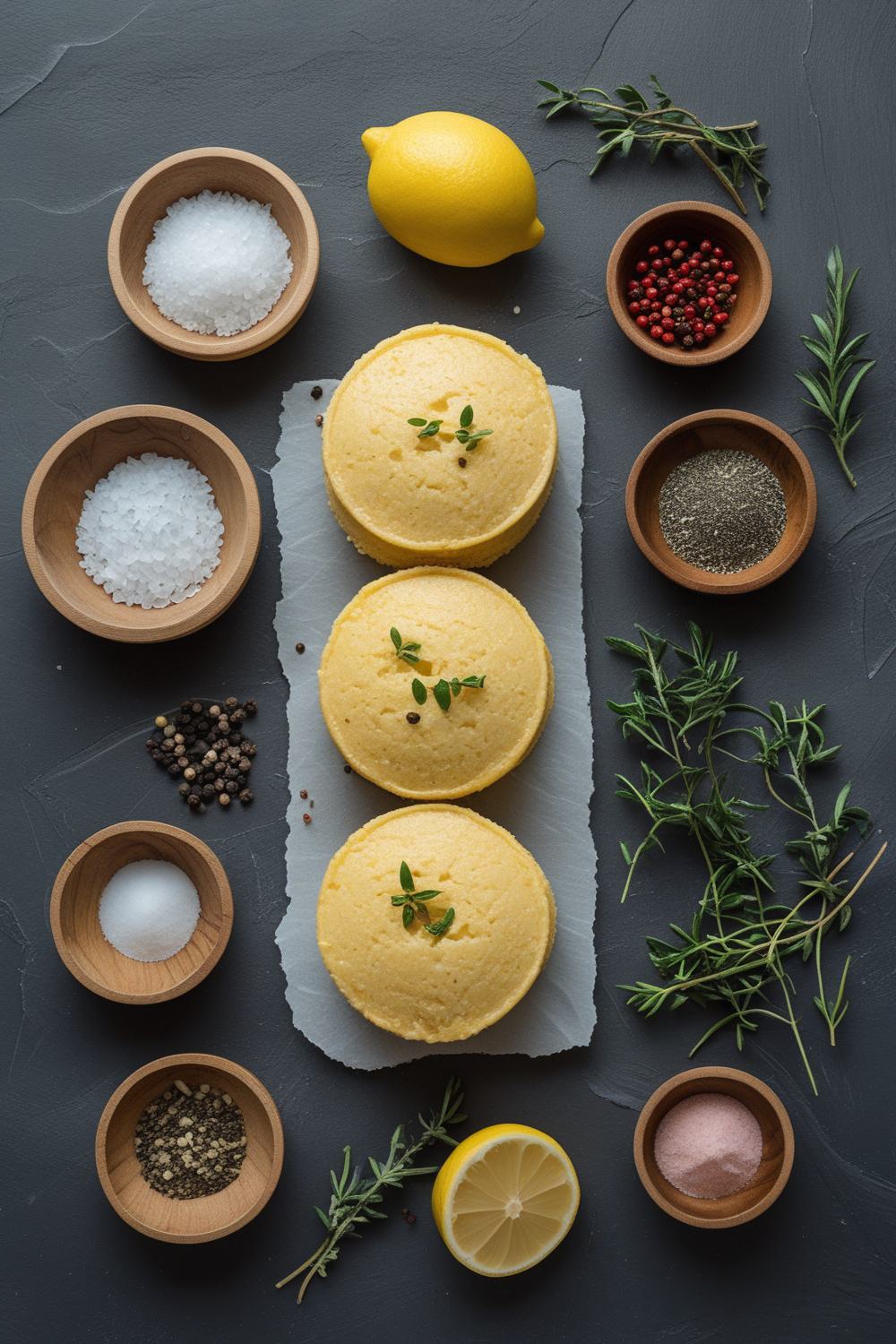
For gluten-free versions, blend 150g oat flour with 115g tapioca starch—their hygroscopic properties mimic wheat’s moisture retention. Vegan? Replace butter with refined coconut oil (avoid virgin—its coconut flavor clashes) and eggs with aquafaba. Whip 75ml chickpea brine to stiff peaks before folding; its lecithin mimics egg’s binding power. Powdered citric acid (1/2 tsp) can approximate buttermilk’s tang in dairy-free milks.
Pantry swaps: Invert granulated sugar by simmering 200g with 60ml water and 1 tsp lemon juice until 114°C—this prevents crystallization. Out of lemons? Use yuzu juice sparingly—its potent bergamot notes require halving quantities. For nut allergies, substitute almond meal with toasted sunflower seed flour—roast at 160°C for 12 minutes to eliminate green flavors.
Equipment Guide
Bake in anodized aluminum pans—their even heat distribution prevents “doming.” Dark steel conducts too aggressively, burning edges before centers set. Essential: a drum sieve for flour aeration (prevents overmixing) and a copper bowl for egg whites—its ions stabilize meringues. Digital scales trump volume measures; 5g flour variance alters texture. Microplane zesters preserve lemon oils by scraping only the yellow rind, avoiding bitter pith. Infrared thermometers ensure butter stays at 18-21°C during creaming—warmer, and the emulsion breaks; colder, and air cells collapse.
Step-by-Step Walkthrough
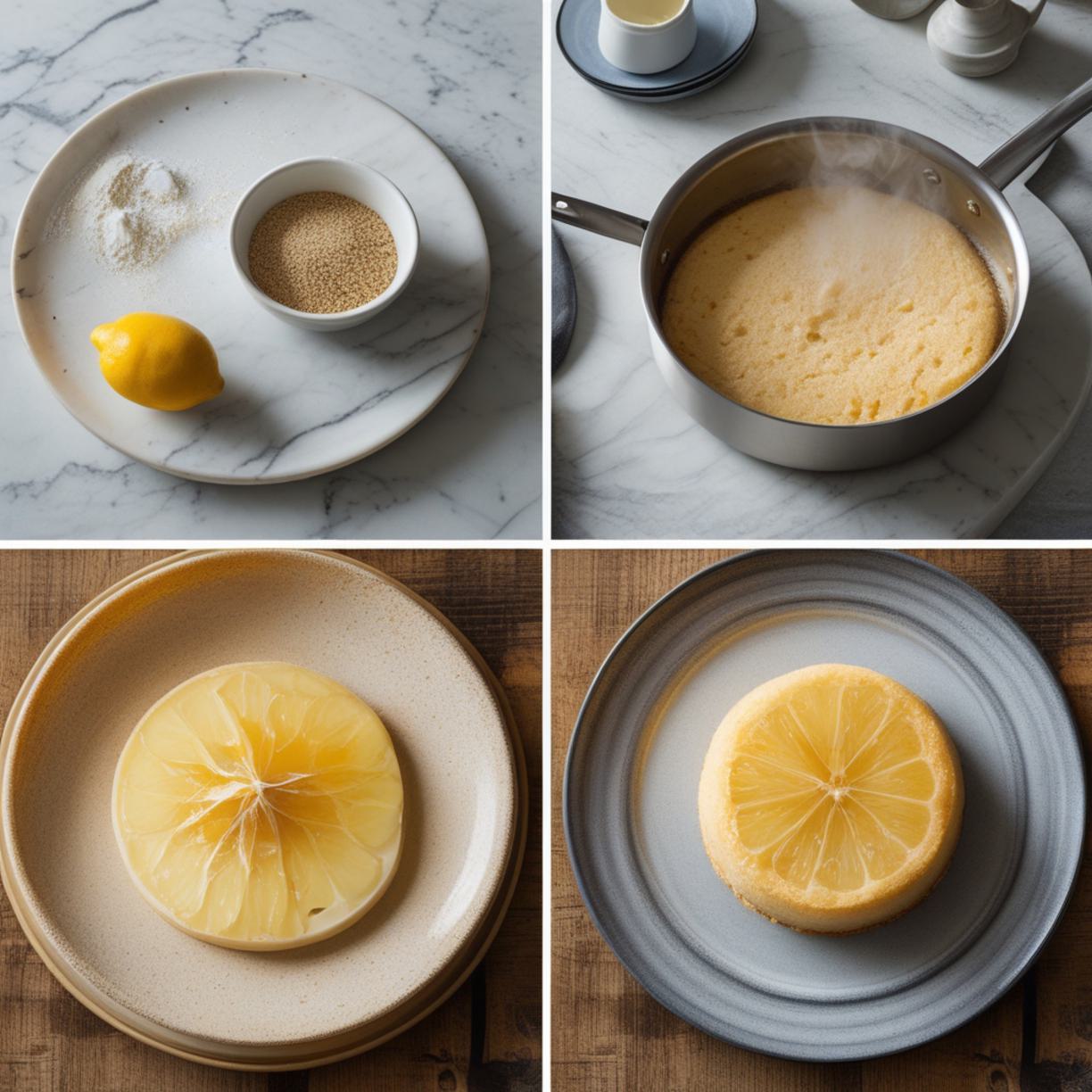
- Prep: Position oven rack mid-center. Preheat to 175°C (convection off). Butter and flour a 9-inch springform.
- Zest lemons directly into sugar. Rub between palms—the abrasion ruptures oil sacs.
- Cream butter and sugared zest 8 minutes on medium—until pale and ribbon-like.
- Add eggs one at a time, emulsifying fully each addition. Scrape bowl.
- Whisk dry ingredients. Alternate adding with buttermilk in 3 additions.
- Bake 45-50 mins—rotate pan at 30 mins. Test with skewer at 45.
- Cool 10 mins in pan, then transfer to rack. Glaze while warm.
Creaming is non-negotiable. Properly aerated butter should hold peaks like soft-serve ice cream. Under-creaming yields dense cakes; over-creaming causes collapse. When alternating wet/dry, begin and end with flour—this buffers liquid shock to gluten. Pour batter swiftly once mixed—activated baking powder loses potency after 7 minutes. During baking, avoid opening the oven before minute 30—sudden temperature drops collapse delicate cells. The cake is done when edges pull slightly from pan and skewer shows moist crumbs (not wet batter).
Expert Tips & Troubleshooting
Cold ingredients sabotage emulsion. If butter seizes, place bowl over a damp towel for 60 seconds while mixing. Sinking centers? Overleavening or underbaking. Reduce baking powder by 1/4 tsp next time. For dry texture, check oven calibration—an oven thermometer is essential. Domed tops signal excessive heat; lower temperature by 10°C and use a baking strip. If crust darkens too fast, tent with foil after 25 minutes.
Glaze secrets: Pierce warm cake with skewer, then brush with limoncello syrup—it infiltrates steam channels. For mirror finish, combine 150g powdered sugar with 25ml lemon juice and 5g inverted sugar syrup (prevents crystallization). Always strain glaze—any zest solids create bumps.
Flavor Variations
For depth, infuse butter with toasted coriander seeds—their citrus-adjacent notes amplify lemon’s brightness. Kid-friendly? Fold in 100g crushed freeze-dried raspberries—their tartness complements without overwhelming. Spicy versions benefit from Aleppo pepper—its fruity heat integrates better than cayenne. Herbaceous takes: Steep thyme sprigs in warm buttermilk before use. Nutty profiles: Add browned butter solids (65g) folded into batter during last mix.
Storage & Reheating
Store unglazed cakes wrapped in parchment, then foil, at 18°C for 3 days. Freeze whole for 2 months—thaw overnight in fridge. Never refrigerate glazed cakes—condensation destroys texture. To refresh day-old slices: spritz with water, heat 12 seconds in microwave, then broil 45 seconds for revived crust.
FAQ Section
Can I use bottled lemon juice?
Never. Bottled juice lacks volatile oils and contains preservatives that mute flavor.
Why did my cake collapse?
Underbaking or premature cooling. Ensure internal temp reaches 96°C before removing from oven.
Can I make cupcakes instead?
Yes. Fill liners 2/3 full. Bake at 165°C for 20-22 mins.
How to intensify lemon flavor?
Add 1/4 tsp citric acid to dry ingredients. Or fold in lemon curd post-baking via core method.
The Recipe Card
Luxuriously moist Meyer lemon cake with tender crumb and crackling sugar crust. Bursting with citrus oils, balanced by cultured butter richness. Serves 10. Prep 25 mins. Bake 50 mins.
Nutrition Information
| Nutrient | Per Serving |
|---|---|
| Calories | 385kcal |
| Carbohydrates | 52g |
| Protein | 5g |
| Fat | 18g |
| Saturated Fat | 11g |
| Cholesterol | 112mg |
| Sodium | 210mg |
| Sugar | 34g |
*Nutrition calculated using standard ingredients. Substitutes will alter values.