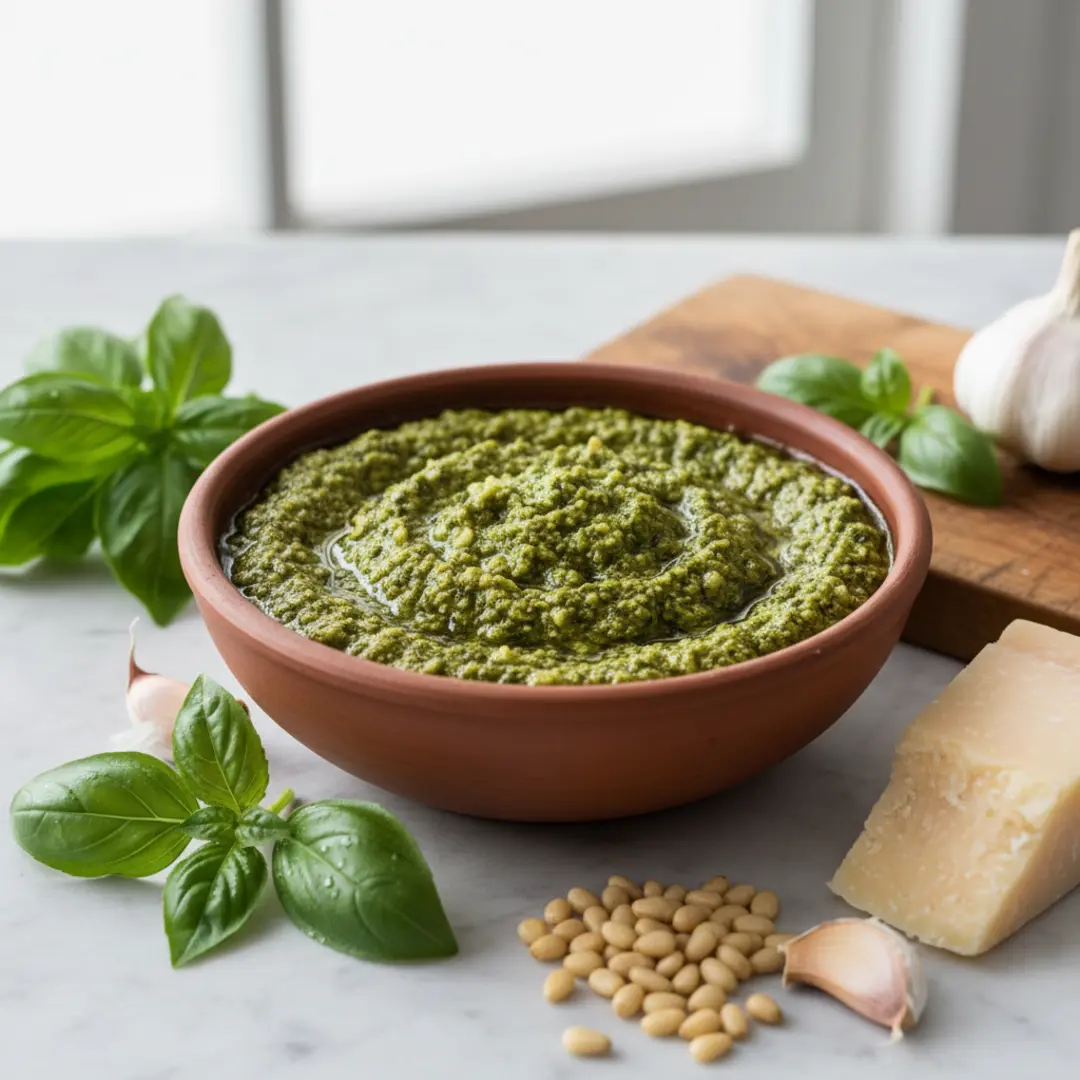
Welcome to the ultimate guide for creating the most authentic and savory Classic Basil Pesto Genovese! This vibrant green sauce, originating from Genoa, Italy, is a culinary masterpiece that transforms simple ingredients into an extraordinary burst of flavor. Whether you’re a seasoned chef or a kitchen novice, our detailed recipe will walk you through every step to achieve perfection. Forget store-bought versions; once you taste homemade Classic Basil Pesto Genovese, your palate will never look back. We’ll delve into the history, the art of selecting the finest ingredients, and the techniques that guarantee a pesto rich in aroma and taste. From brightening up a simple pasta dish to elevating gourmet sandwiches, the versatility of this pesto is unmatched. To understand the full nutritional breakdown of this delightful creation, we recommend consulting a comprehensive nutritional guide.
Table of Contents
Why This Recipe Works
This Classic Basil Pesto Genovese recipe stands out because it faithfully adheres to the traditional methods and proportions that have made this sauce a global favorite. We prioritize fresh, high-quality ingredients, which are the cornerstone of any truly exceptional pesto. The careful balance of peppery basil, rich pine nuts, pungent garlic, salty Parmesan and Pecorino cheeses, and fruity olive oil creates a symphony of flavors that is both complex and comforting. Many recipes cut corners or introduce unnecessary ingredients, diluting the authentic taste. Our method emphasizes technique – from gently bruising the basil to prevent bitterness to slowly emulsifying the olive oil – ensuring a vibrant color, a smooth yet textured consistency, and an unparalleled depth of flavor. This recipe doesn’t just tell you what to do; it explains the ‘why’ behind each step, empowering you to understand the alchemy of pesto making. It respects the integrity of each ingredient, allowing their individual characteristics to shine through in perfect harmony. The result is a pesto that is intensely aromatic, deliciously savory, and incredibly versatile, elevating any dish it accompanies. It’s perfect for those seeking to recreate the taste of true Ligurian cuisine in their own kitchen, offering a genuinely rewarding culinary experience that will impress even the most discerning palates.
Main Ingredients
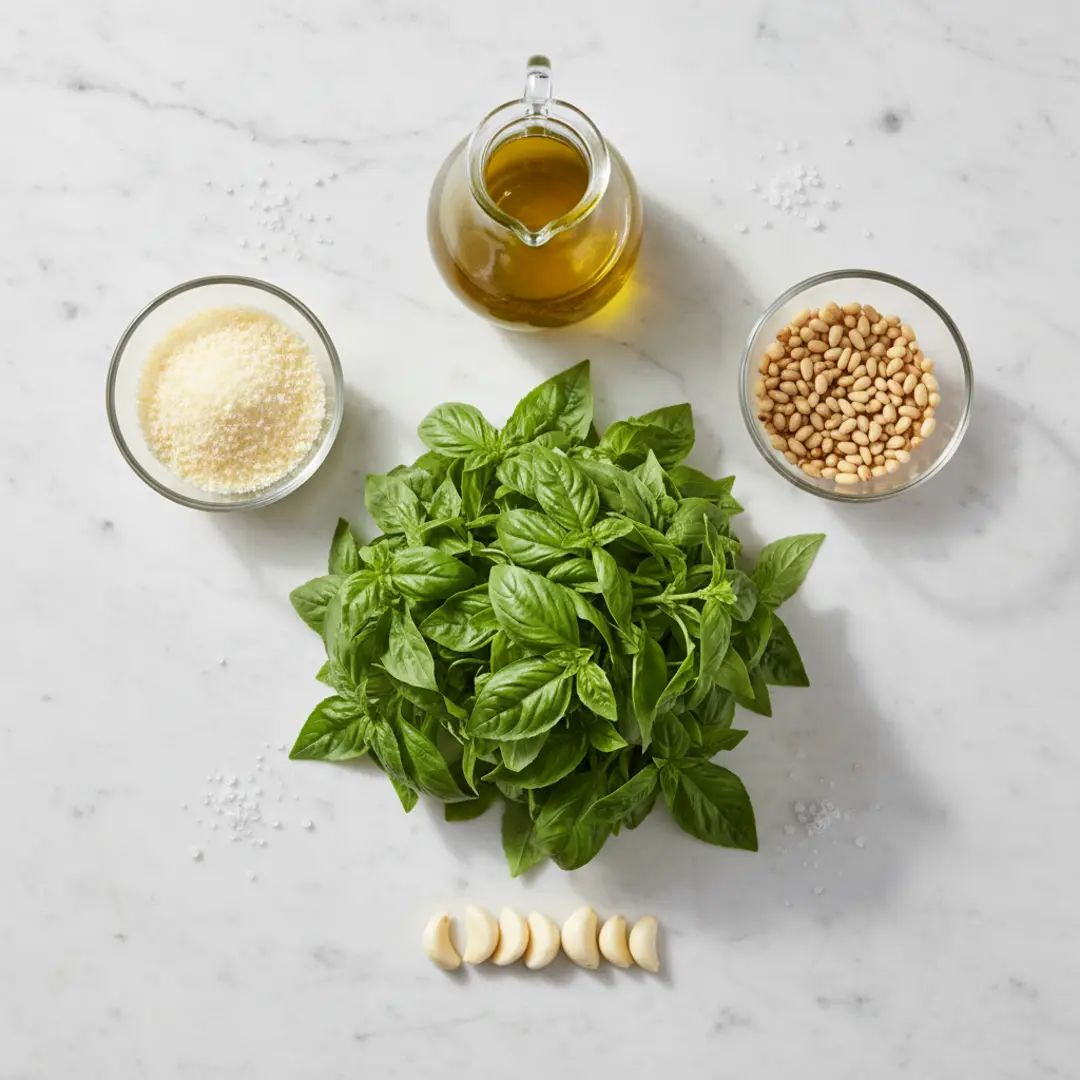
The magic of a superb Classic Basil Pesto Genovese lies in the quality and freshness of its core ingredients. Each component plays a vital role in building the distinctive flavor profile of this traditional Italian sauce.
- Fresh Basil Leaves: This is the star of the show. Opt for young, bright green leaves that are free from blemishes or wilting. The fresher the basil, the more vibrant and aromatic your pesto will be. Avoid dark, older leaves which can impart a bitter taste. The best basil will have a sweet, peppery, slightly minty scent.
- Pine Nuts: These small, buttery nuts provide a delicate creaminess and a subtle nutty flavor that balances the strong notes of basil and garlic. It’s crucial to toast them lightly before adding them to the pesto. This step enhances their natural oils and deepens their flavor, contributing significantly to the overall complexity of the sauce. Be careful not to over-toast, as they can burn quickly and become bitter.
- Garlic: Fresh garlic cloves are essential for that characteristic pungent kick. Use good quality, firm cloves. Adjust the quantity to your preference, but remember that the garlic flavor will mellow slightly over time. Too much raw garlic can overpower the other ingredients.
- Parmesan Cheese (Parmigiano-Reggiano): Authentic Parmigiano-Reggiano adds a rich, salty, and umami depth. Always grate fresh cheese yourself; pre-grated cheeses often contain anti-caking agents that can alter the texture and flavor of your pesto. The aging process of Parmigiano-Reggiano develops complex notes that are indispensable.
- Pecorino Romano Cheese: While some recipes use only Parmesan, traditional Genovese pesto often includes a smaller proportion of Pecorino Romano. This sheep’s milk cheese introduces a sharper, tangier, and saltier profile, providing a wonderful counterpoint to the more mellow Parmesan. Its robustness adds another layer of authenticity.
- Extra Virgin Olive Oil: The choice of olive oil is paramount. Use a high-quality, cold-pressed extra virgin olive oil with a fruity, slightly peppery flavor. It acts as the emulsifier, binding all the ingredients together and carrying their flavors. A bland or low-quality olive oil will significantly detract from the pesto’s overall taste.
- Sea Salt: A pinch of good sea salt (like Maldon or fleur de sel) is crucial for seasoning and enhancing all the other flavors. It helps to draw out the moisture from the basil and gently break down its fibers, allowing the oils to release more readily.
Each of these ingredients, when combined with care and attention to detail, contributes to the creation of a truly unforgettable Classic Basil Pesto Genovese that is both authentic and incredibly delicious.
Essential Kitchen Equipment
While the purest form of Classic Basil Pesto Genovese is traditionally made with a mortar and pestle, modern kitchen equipment can help achieve a fantastic result with less effort. Here’s what you’ll need:
- Food Processor or Blender: This is the most common tool for making pesto at home. A food processor with a sharp S-blade is ideal as it allows for better control over the texture, preventing the basil from being over-processed and turning bitter. A blender can work, but you’ll need to pulse more carefully and scrape down the sides frequently to ensure even blending. Choose one with a robust motor.
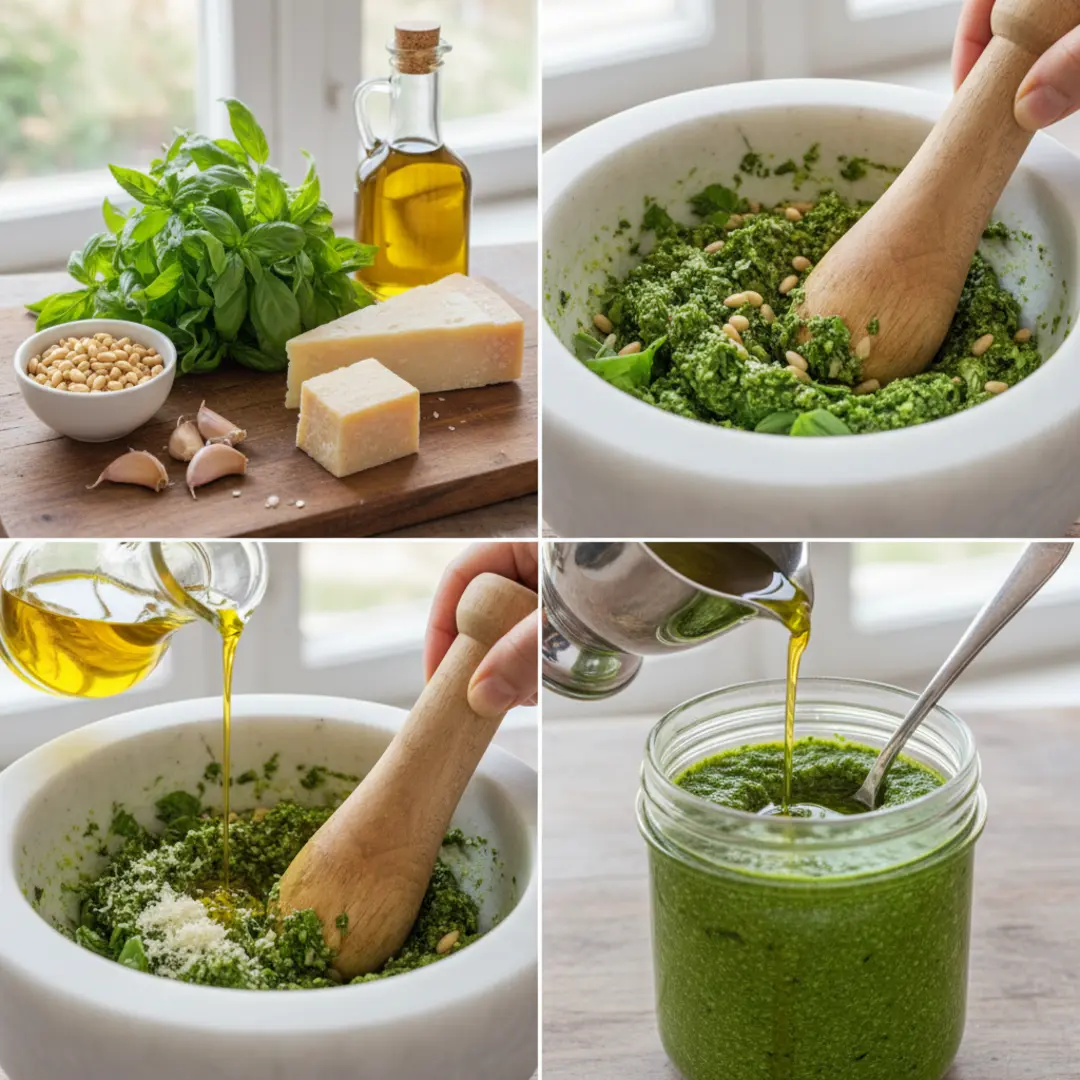
- Mortar and Pestle (Traditional Method): For the purists, a large marble or granite mortar and pestle is the ultimate tool. This method gently bruises the basil leaves, releasing their essential oils without heating them, which is believed to produce the most aromatic and flavorful pesto. It’s more labor-intensive but deeply rewarding.
- Small Skillet or Pan: Essential for lightly toasting the pine nuts. A non-stick pan is best to prevent them from burning, as they toast quickly.
- Grater: A fine grater or microplane for grating the Parmesan and Pecorino cheeses. Freshly grated cheese melts and incorporates better into the pesto.
- Rubber Spatula: Useful for scraping down the sides of the food processor or blender to ensure all ingredients are evenly incorporated and for transferring the pesto to a serving bowl or storage container.
- Measuring Cups and Spoons: For accurate measurement of ingredients, especially vital for maintaining the correct balance of flavors.
- Airtight Container or Jar: For storing any leftover pesto, helping to maintain its freshness and vibrant color. Glass jars with tight-fitting lids are excellent for this.
- Cutting Board and Knife: For prepping the garlic and any other additions.
Having the right tools makes the process smoother and helps you achieve the best possible texture and flavor for your Classic Basil Pesto Genovese.
Step-by-Step Instructions
Crafting the perfect Classic Basil Pesto Genovese involves a sequence of steps designed to extract the most flavor from each ingredient while maintaining the vibrant color and texture. Follow these instructions carefully for an authentic result:
- Prepare the Pine Nuts: Begin by lightly toasting the pine nuts. Heat a small, dry skillet over medium-low heat. Add the pine nuts and toss frequently until they are golden brown and fragrant, about 3-5 minutes. Watch them closely as they can burn quickly. Once toasted, immediately remove them from the pan and let them cool completely. This step significantly enhances their flavor.
- Combine Dry Ingredients (Food Processor Method): In the bowl of your food processor, add the cooled toasted pine nuts, garlic cloves, and sea salt. Pulse a few times until the garlic is finely minced and the pine nuts are coarsely chopped.
- Add the Basil: Now, add the fresh basil leaves to the food processor. It’s best to add them in batches if your food processor is small, ensuring they are evenly processed. Pulse repeatedly, using short bursts, until the basil is coarsely chopped. Avoid continuous blending, as this can overheat the basil and cause it to turn bitter and darken.
- Incorporate the Cheeses: Add the freshly grated Parmesan and Pecorino Romano cheeses to the mixture. Pulse again a few times until the cheeses are well combined with the basil and nuts. The mixture should start to resemble a coarse meal.
- Emulsify with Olive Oil: With the food processor running on low speed, slowly drizzle in the extra virgin olive oil through the feed tube in a steady stream. Continue processing until the pesto reaches your desired consistency – a beautiful, bright green, slightly coarse but creamy sauce. Avoid over-processing; a little texture is desirable. The oil should be fully incorporated and visible as a light sheen on the pesto.
- Adjust and Taste: Stop the food processor and taste the pesto. Adjust the seasoning if necessary, adding more salt or cheese according to your preference. If you prefer a looser consistency, you can add a tiny bit more olive oil.
- Transfer and Serve: Spoon your freshly made Classic Basil Pesto Genovese into a serving bowl. If not using immediately, transfer it to an airtight container. To prevent browning, you can pour a thin layer of olive oil over the surface before sealing. Serve warm with pasta, spread on bruschetta, or as a topping for grilled vegetables or meats.
Enjoy the authentic taste of homemade pesto!
Pro Chef Tips for Success
Elevating your Classic Basil Pesto Genovese from good to unforgettable requires a few professional insights:
- Use Cold Basil: To prevent oxidation and maintain a vibrant green color, ensure your basil leaves are thoroughly washed and dried, then chill them in the refrigerator for at least 30 minutes before blending. Cold basil blades are less likely to bruise and turn dark.
- Toast Pine Nuts to Perfection: Don’t skip the toasting step for the pine nuts. It brings out their nutty aroma and flavor. Toast them gently in a dry pan until lightly golden, then allow them to cool completely before adding to the food processor. Hot nuts can cook the basil.
- Garlic Management: If you find raw garlic too pungent, you can slightly blanch the cloves for 30 seconds in boiling water before chilling them. This mellows their intensity without losing their flavor. Alternatively, use a smaller amount if you’re particularly sensitive.
- Grate Fresh Cheese: Always grate your Parmesan and Pecorino cheeses fresh. Pre-grated cheeses contain anti-caking agents that can result in a grainy or pasty texture and dull the flavor. Use a fine grater for best incorporation.
- Slow, Steady Olive Oil Stream: When adding the olive oil, do it slowly in a thin, continuous stream while the food processor is running. This gradual incorporation is crucial for proper emulsification, leading to a smooth, cohesive pesto rather than an oily, separated one.
- Don’t Overprocess: The key to beautifully green pesto is to avoid overprocessing. Pulse in short bursts. Continuous blending generates heat, which oxidizes the basil and turns it dark and bitter. Aim for a slightly coarse texture, not a smooth paste.
- Season in Layers: Add salt incrementally and taste as you go. The cheeses also contribute significant saltiness, so you don’t want to oversalt.
- Mortar and Pestle for Supreme Flavor: For the ultimate authentic experience and flavor, consider using a mortar and pestle. The gentle bruising action extracts the basil’s essential oils more effectively and without heat, resulting in a more aromatic and nuanced pesto.
- Top with Olive Oil for Storage: When storing, always pour a thin layer of extra virgin olive oil over the surface of the pesto in an airtight container. This creates a barrier against air, preventing oxidation and keeping the pesto vibrant green.
By incorporating these pro tips, your Classic Basil Pesto Genovese will not only taste incredible but also boast a visually appealing, vibrant green hue.
Common Mistakes to Avoid
Even though Classic Basil Pesto Genovese seems straightforward, there are a few common pitfalls that can significantly impact its quality. Avoiding these mistakes will ensure your pesto is always as delicious and vibrant as possible:
- Over-processing the Basil: This is arguably the most common mistake. Constantly running the food processor generates heat, which “cooks” the delicate basil leaves. This causes them to oxidize, turning the pesto into a murky, muddy green or even brown color, and worst of all, imparts a bitter flavor. Always use short pulses.
- Using Warm Ingredients: Adding room temperature or even warm basil or pine nuts can contribute to the issues mentioned above. Chilling your basil and ensuring pine nuts are cooled after toasting helps maintain a vibrant green color and fresh flavor.
- Skimping on Quality Olive Oil: The olive oil isn’t just a vehicle; it’s a key flavor component. Using low-quality, bland, or rancid olive oil will directly compromise the final taste of your pesto. Invest in a good quality, fruity extra virgin olive oil.
- Not Toasting Pine Nuts (or Burning Them): Failing to toast pine nuts means missing out on their rich, nutty depth. However, burning them makes them bitter and unusable. Watch them constantly when toasting; they go from perfectly golden to burnt in seconds.
- Using Pre-grated Cheese: As mentioned, pre-grated cheeses contain cellulose and other anti-caking agents that can make your pesto grainy, pasty, and less flavorful. Always grate fresh Parmigiano-Reggiano and Pecorino Romano for the best results.
- Adding Too Much Garlic: While garlic is essential, too much can overpower the delicate flavor of the basil and the richness of the cheeses and pine nuts. Start with the recommended amount and adjust to taste, remembering that raw garlic flavor is quite strong.
- Not Seasoning Properly: Pesto benefits from proper seasoning. Taste as you go, and adjust salt levels. Remember that Pecorino is saltier than Parmesan, so factor that into your salt additions.
- Adding Water or Ice: Some recipes suggest adding ice cubes or water to maintain color. While this can help with color, it also dilutes the flavor and changes the authentic texture of the pesto. It’s better to manage heat and oxidation through quick pulsing and cold ingredients.
- Incorrect Storage: Leaving pesto exposed to air will cause it to brown quickly. Always store it in an airtight container, preferably with a thin layer of olive oil on top to create a seal.
By being mindful of these common mistakes, you’ll be well on your way to making a consistently excellent Classic Basil Pesto Genovese.
Storage and Reheating Guide
Proper storage is crucial for maintaining the vibrant color and fresh flavor of your homemade Classic Basil Pesto Genovese. While pesto is best enjoyed fresh, you can certainly prepare it in advance or store leftovers. Here’s how:
Short-Term Storage (Refrigerator)
For pesto you plan to consume within a week, refrigeration is ideal:
- Airtight Container: Transfer the pesto into a clean, airtight container or jar. Glass jars work particularly well.
- Olive Oil Seal: This is the most important step for preserving color and flavor. Pour a thin layer (about 1/4 to 1/2 inch) of extra virgin olive oil over the surface of the pesto. This creates a barrier that prevents air from reaching the pesto, which is the primary cause of browning (oxidation).
- Seal Tightly: Secure the lid tightly on the container.
- Refrigerate: Store in the refrigerator for up to 5-7 days. If you notice any mold or an off smell, discard it.
Long-Term Storage (Freezer)
Pesto freezes exceptionally well, allowing you to enjoy fresh, homemade flavor for months:
- Ice Cube Trays: The most convenient method for portion control is to freeze pesto in ice cube trays. Spoon the pesto into the compartments, making sure not to overfill. You can still top each cube with a tiny bit of olive oil if desired, though not strictly necessary for freezing.
- Freeze Solid: Place the trays in the freezer until the pesto cubes are solid, usually a few hours.
- Transfer to Freezer Bags: Once frozen, pop the pesto cubes out of the trays and transfer them to freezer-safe bags. Squeeze out as much air as possible before sealing. Label the bags with the date.
- Alternative Method (Containers): You can also freeze pesto directly in small airtight containers, again, with a layer of olive oil on top. Ensure there’s a little headspace for expansion.
- Freezer Duration: Frozen pesto will keep well for 3-4 months. Beyond that, it’s still safe to eat, but the quality and vibrancy of flavor may diminish.
Reheating and Using Frozen Pesto
- Thawing: To use frozen pesto, simply remove the desired number of cubes or the container from the freezer and let them thaw in the refrigerator overnight. For quicker thawing, place the container in a bowl of warm water.
- Using Directly: You can also add frozen pesto cubes directly to hot pasta and stir until melted and incorporated. The heat will gently thaw and warm the pesto.
- Gentle Warming: Avoid aggressively heating pesto on the stovetop or in the microwave, as high heat can denature the basil and oils, leading to a bitter taste and dull color. Gently warm it through indirect heat or by tossing with hot food.
With these storage tips, you can enjoy the fresh taste of Classic Basil Pesto Genovese whenever you crave it.
Flavor Variations & Substitutions
While the Classic Basil Pesto Genovese is perfect in its traditional form, it’s also wonderfully adaptable. You can experiment with various ingredients to create unique flavor profiles or accommodate dietary restrictions. Here are some popular variations and substitutions:
Nut Substitutions
If pine nuts are unavailable, too expensive, or if you have an allergy, several other nuts make excellent alternatives:
- Walnut Pesto: Walnuts offer a robust, earthy flavor. Toast them lightly to reduce bitterness.
- Almond Pesto: Blanched almonds provide a milder, slightly sweeter taste and a creamy texture.
- Pistachio Pesto: For a strikingly vibrant green color and a distinct, slightly sweet and nutty flavor.
- Cashew Pesto: Cashews yield a very creamy, rich pesto with a subtly sweet profile.
- Sunflower Seed or Pumpkin Seed Pesto: Excellent nut-free options for allergies, offering an earthy flavor.
Herb (or Green) Substitutions
While basil is foundational to Genovese pesto, other greens can create delicious and exciting variations:
- Spinach Pesto: Milder than basil, spinach adds a nutritious boost and a beautiful green hue. Often combined with basil to stretch it.
- Arugula Pesto: For those who love a peppery kick, arugula makes a vibrant and spicy pesto, pairing well with a squeeze of lemon.
- Cilantro Pesto: A fantastic choice for Mexican or Asian-inspired dishes, offering a fresh, pungent flavor. Lime juice often complements this version.
- Kale Pesto: Offers an earthy, slightly bitter note and is very hearty. Blanching kale first can mellow its strong flavor.
- Mixed Herb Pesto: Combine basil with parsley, mint, or even a touch of tarragon for a more complex herbal bouquet.
Cheese Variations
While Parmesan and Pecorino are classic, you can adjust the cheese profile:
- Only Parmesan: For a milder, less salty pesto.
- Asiago or Grana Padano: Good substitutes for Parmesan, offering similar salty, nutty profiles.
- Dairy-Free Pesto: Omit the cheese entirely or substitute with nutritional yeast for a cheesy, umami flavor.
Other Flavor Enhancements & Additions
- Lemon Zest & Juice: A squeeze of fresh lemon juice or a pinch of zest can brighten the pesto, adding a zesty tang and helping to maintain its green color.
- Chili Flakes: For a touch of heat, sprinkle in some red chili flakes.
- Sun-Dried Tomatoes: Add a few oil-packed sun-dried tomatoes for a sweet, tangy, and intensely savory “pesto rosso” (red pesto).
- Roasted Red Peppers: For a smoky, sweet flavor and a beautiful red color.
Don’t be afraid to experiment with these variations to find your favorite pesto blend. The beauty of pesto lies in its simplicity and versatility, allowing you to tailor it to your taste and what you have on hand.
Delicious Classic Basil Pesto Genovese Recipe
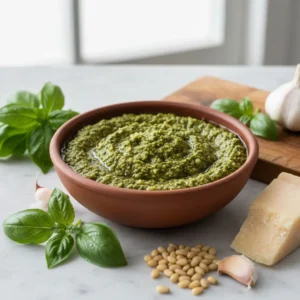
Authentic Classic Basil Pesto Genovese: Fresh basil, pine nuts, garlic, and Parmesan. Elevate your pasta, sandwiches, or dips. Buy yours today!
15 mins
30 mins
45 mins
300 kcal
Ingredients
- 2 cups fresh basil leaves, packed (about 4 oz)
- 1/2 cup extra virgin olive oil
- 1/3 cup pine nuts, lightly toasted
- 2 cloves garlic, minced
- 1/2 cup freshly grated Parmigiano-Reggiano cheese
- 1/4 cup freshly grated Pecorino Romano cheese
- 1/2 teaspoon sea salt, or to taste
- Freshly ground black pepper to taste (optional)
Instructions
- Toast Pine Nuts: In a dry skillet over medium-low heat, gently toast the pine nuts until lightly golden and fragrant (3-5 minutes). Watch carefully to prevent burning. Let cool completely.
- Process Dry Ingredients: In a food processor, combine the cooled pine nuts, garlic, and sea salt. Pulse until finely minced.
- Add Basil: Add the fresh basil leaves to the food processor. Pulse in short bursts until the basil is coarsely chopped. Avoid continuous blending to prevent browning and bitterness.
- Incorporate Cheeses: Add both freshly grated Parmesan and Pecorino Romano cheeses to the mixture. Pulse a few times until well combined and the mixture resembles a coarse meal.
- Emulsify with Olive Oil: With the food processor running on low, slowly drizzle in the extra virgin olive oil in a thin, steady stream. Continue processing until the pesto reaches your desired consistency – a vibrant green, slightly coarse but creamy sauce.
- Season and Taste: Stop the processor and taste the pesto. Adjust with more salt or pepper if needed.
- Serve or Store: Transfer the Classic Basil Pesto Genovese to a serving bowl for immediate use. If storing, place in an airtight container and pour a thin layer of olive oil over the surface to prevent oxidation before sealing. Refrigerate for up to 7 days or freeze for up to 3-4 months.