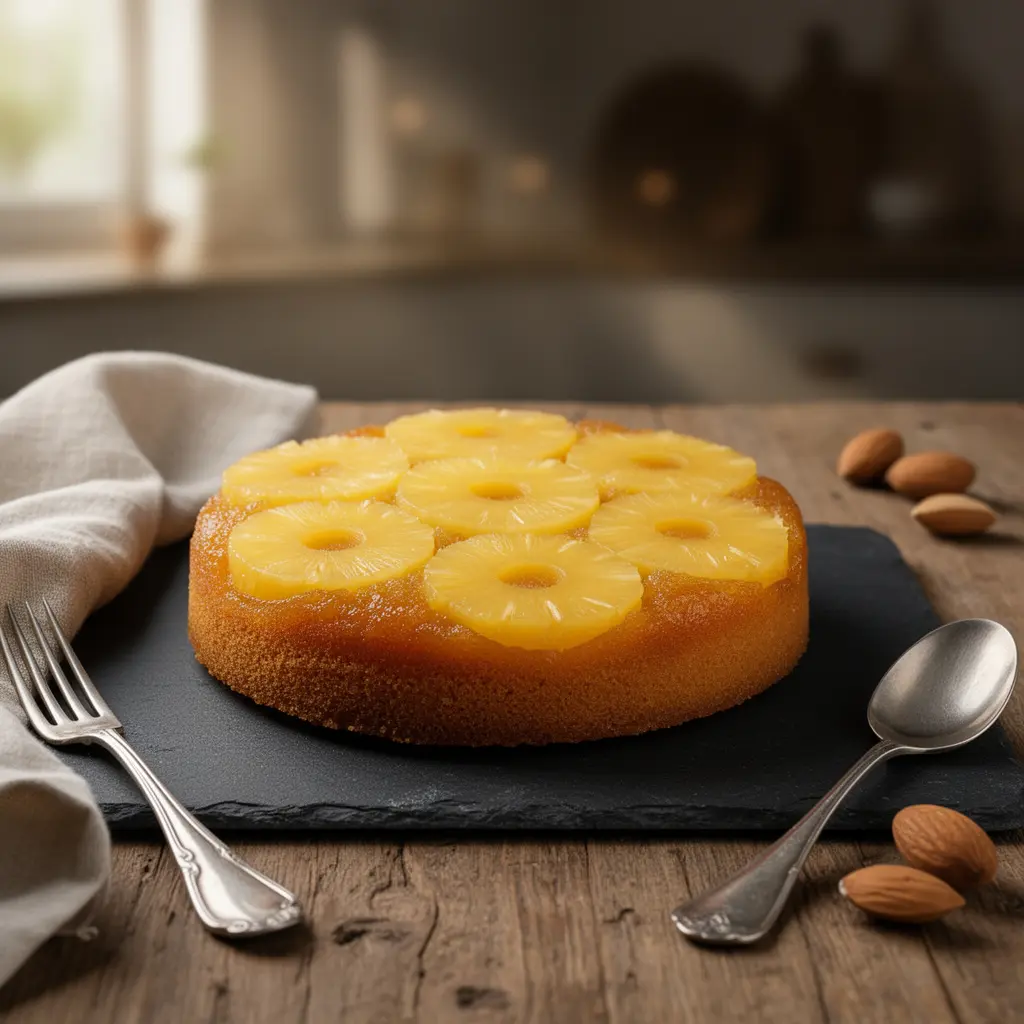

The true marker of a skilled home baker is the ability to produce a perfectly rolled cookie: one that holds its shape through the oven’s heat, maintains a delicate chew, and serves as an ideal canvas for decoration. This recipe for Cutout Sugar Cookies is not merely a set of instructions; it is a primer in precision baking, yielding sixty flawless shapes ready for any occasion, from quiet afternoon snacking to elaborate holiday presentations. We strip away the guesswork, focusing on the essential techniques that ensure a tender crumb and clean edges. If you follow this method, you will achieve cookies that are reliably consistent, uniformly delicious, and always hold their form, making them an indispensable foundation for your baking repertoire.
Table of Contents
The Baker’s Pantry: Sourcing Your Ingredients
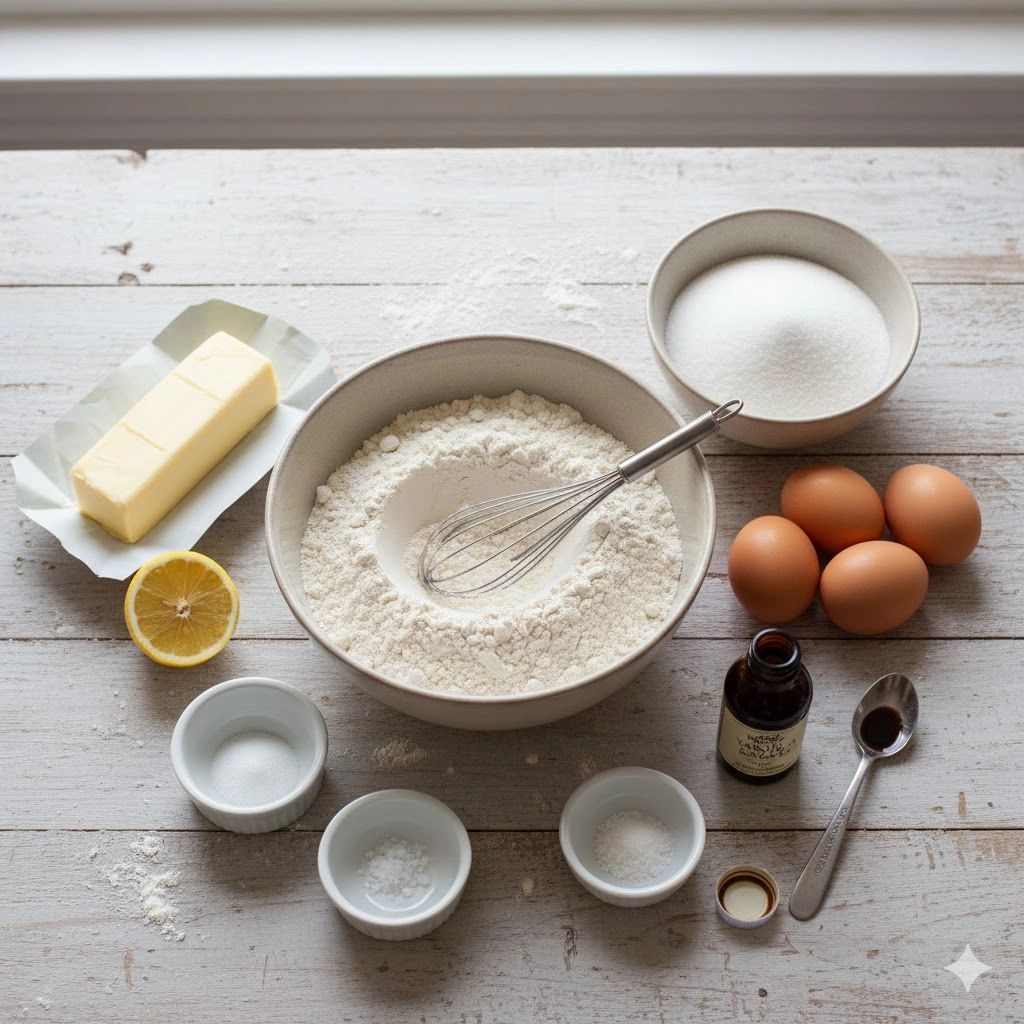
Achieving the desired texture and structural integrity in a rolled sugar cookie relies heavily on the quality and preparation of a few foundational ingredients. Sourcing the right butter, measuring flour accurately, and ensuring proper leavening are critical steps before mixing even begins.
For the Dough:
- Dairy and Eggs:
- 1 and one-half cups (3 sticks) unsalted butter, softened to pliable room temperature
- 4 large eggs, kept cool (they should not be cold, but not fully warmed either)
- 2 cups granulated white sugar
- Dry Goods:
- 5 cups all-purpose flour
- 2 teaspoons baking powder
- 1 teaspoon fine sea salt
- Flavoring:
- 1 teaspoon pure vanilla extract
Notes on Quality: Always use unsalted butter to control the total sodium content. Pure vanilla extract, though more expensive, provides a depth of flavor that imitation extracts cannot match. Ensure your leavening agent (baking powder) is fresh; stale powder leads to dense, flat cookies.
Method Overview: A Quick Guide to the Dough Process
This high-level sequence is designed for organizational clarity. Focus on the timing of the chilling stage, as it is non-negotiable for achieving perfect cutout shapes.
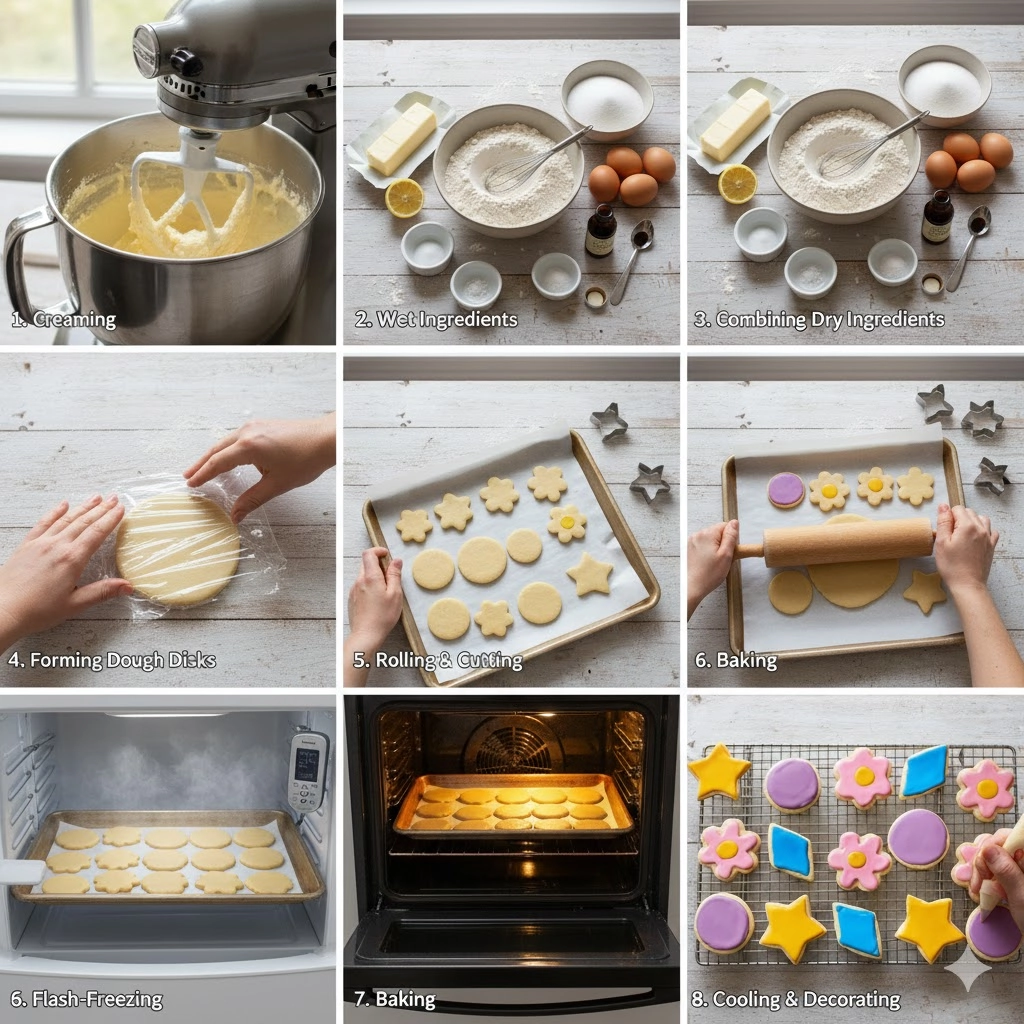
- Cream the Butter and Sugar: In the bowl of a stand mixer fitted with the paddle attachment, combine the softened butter and granulated sugar. Beat until the mixture transforms into a light, airy mass.
- Incorporate the Liquid: Add the eggs, one at a time, followed by the vanilla extract. Scrape down the bowl thoroughly to ensure emulsification.
- Combine the Dry Ingredients: Whisk together the flour, baking powder, and salt in a separate vessel.
- Form the Dough: Gradually introduce the dry mixture to the wet mixture, mixing only until the dough just comes together and no streaks of flour remain visible.
- Chill for Structure: Divide the dough into manageable disks, wrap each tightly in plastic film, and chill in the refrigerator for a minimum of sixty minutes.
- Roll and Cut: Working with one chilled disk at a time, roll the dough to a uniform thickness, typically between one-quarter and one-half inch. Use floured cookie cutters to stamp out shapes.
- Prepare and Bake: Transfer the cutouts to a baking sheet lined with parchment paper. Place the sheet into an oven preheated to four hundred Fahrenheit.
- Cool Completely: Bake for six to eight minutes, or until the edges are lightly golden. Immediately transfer the cookies to a wire rack to cool fully before decorating.
Mastering the Technique: Detailed Instructions for Dough Integrity
The difference between a serviceable sugar cookie and a truly exceptional one lies entirely in controlling the environment and mastering the mixing technique.
The Art of Creaming
The creaming step (combining butter and sugar) is foundational. It’s not just about mixing; it’s about mechanical leavening. When the sharp edges of the sugar crystals shear against the softened butter, they create microscopic air pockets. These air pockets are what expand in the oven, giving the cookies their lift and tender texture.
- Temperature is King: Your butter must be pliable. If it’s too cold, the sugar won’t incorporate air effectively. If it’s melted or greasy, the air pockets will collapse, resulting in a dense, flat cookie. A gentle indentation should remain when you press the butter—it should not sink entirely.
- Duration: Cream the butter and sugar on medium-high speed for four to five full minutes. Do not rush this stage. The mixture should change from dense yellow to pale yellow, almost white, and significantly increase in volume and fluffiness. Stop the mixer and scrape the sides of the bowl twice during this process.
Wet Ingredients and Emulsification
Once the butter and sugar are perfectly creamed, introduce the eggs and vanilla. Add the eggs one at a time, allowing each to be fully incorporated before adding the next. This prevents the mixture from breaking or curdling. If the mixture appears to separate slightly, stop, scrape the bowl down with a rubber spatula, and mix on low for ten seconds before proceeding. The goal is a uniform, creamy base before the flour is introduced.
The Gentle Integration of Flour
In contrast to the rigorous creaming process, the incorporation of the dry ingredients demands gentleness. Overmixing flour activates gluten excessively, leading to tough, chewy cookies that often shrink and lose their shape during baking.
- Accurate Measurement: Always use the ‘spoon and level’ method for measuring flour. Fluff the flour in its container, lightly spoon it into the measuring cup until overflowing, and then level the top with a straight edge. Never scoop the flour directly from the bag, as this compacts it, resulting in using up to thirty percent more flour than intended.
- Final Mix: Reduce the mixer speed to the lowest setting. Introduce the dry ingredients in three additions. Mix only until the flour is barely incorporated. As soon as you see the dough start to pull away from the sides of the bowl, turn the mixer off. A few scattered streaks of flour are acceptable; they will disappear as you gather the dough for chilling.
The Critical Chill
Chilling the dough accomplishes two vital goals: it solidifies the butter, which prevents excessive spreading during baking, and it allows the gluten strands, which were slightly activated during mixing, to relax. Relaxed gluten and firm fat yield cookies that hold sharp edges.
- Dividing the Dough: Before chilling, divide the dough into two or three flat disks. Flattening the dough ensures it chills faster and more uniformly.
- Timing: Sixty minutes is the minimum. The dough can be successfully chilled for up to three days, or frozen for several months. If you chill it for more than three hours, let it sit on the counter for ten minutes before attempting to roll it, or it will crack and crumble excessively.
Rolling Consistency and Baking
The thickness of the rolled dough is directly correlated to the final texture and bake time. A thickness of one-quarter inch yields a crisper cookie, ideal for intricate decoration. Rolling to one-half inch yields a softer, chewier result. The key is uniformity; inconsistent thickness will result in uneven baking, where some cookies burn while others remain raw.
- Work in Batches: Keep the unused dough chilled. Working with large amounts of dough at room temperature quickly melts the butter, defeating the purpose of chilling.
- The Freeze Trick: To ensure the sharpest possible edges, place the baking sheet with the cutouts into the freezer for five minutes immediately before they go into the four hundred Fahrenheit oven. This flash-chill solidifies the exterior, virtually eliminating spread.
- Doneness: Bake for six to eight minutes. The cookies are done when the very edges are slightly set and show the faintest hint of golden brown, while the center remains pale and soft. They will firm up considerably as they cool. Do not overbake, or they will taste dry and crumbly.
Elevating the Experience: Expert Tips and Troubleshooting
Even with the best technique, small adjustments can push your sugar cookies from good to extraordinary. These tips address common issues encountered when preparing rolled dough.
- Use a Rolling Pin with Adjustable Guides: To guarantee one hundred percent uniformity in thickness (one-quarter inch versus three-eighths inch), invest in a rolling pin that uses removable plastic or rubber guides. This removes all guesswork and ensures every cookie on the sheet bakes simultaneously.
- Roll Between Parchment or Silicone: Instead of dusting the counter with excessive flour, which can dry out the dough, roll the dough between two sheets of lightly floured parchment paper or two silicone mats. This keeps the dough soft and tender while preventing sticking.
- Scrap Dough Strategy: When rerolling scrap dough (the pieces left after cutting), only combine it once or twice. Excessive rerolling toughens the gluten, leading to dry, tough cookies. If you need to reroll it more than twice, mix it with a fresh piece of chilled dough to “dilute” the activated gluten.
- Temperature Control during Rolling: If your kitchen is warm, place a small tray of ice water next to your workstation and lightly cool your hands before handling the dough. Keep the portion you are not actively working on in the refrigerator.
- The Pan Swap: For perfectly even baking across multiple sheets, rotate the baking sheets halfway through the bake time. If you have two pans in the oven, swap their positions (top to bottom) and rotate them front to back.
- Decorate on a Cool Surface: Ensure the baked cookies are stone-cold to the touch before attempting to apply any frosting, icing, or glaze. Warm cookies will immediately melt the fat in the frosting or cause royal icing to weep and run.
- For Crisp Cookies, Omit Baking Powder: If you prefer a flatter, crisper cookie that is structurally stronger for handling elaborate decorations, you can reduce the baking powder amount by one-half teaspoon. This slightly changes the texture without affecting the flavor profile.
Flavor and Texture Modifications: Creative Substitutions
While the classic vanilla sugar cookie is a masterpiece of simplicity, the dough serves as a perfect blank slate for creative flavor development.
- Citrus Infusion: For a bright, seasonal profile, add the zest of two whole lemons or three small oranges alongside the vanilla extract. The oils in the zest brighten the buttery richness. Be sure to mix the zest into the sugar during the creaming step to release the maximum amount of essential oils.
- Nut Extract Alternative: Replace the vanilla extract entirely with almond, maple, or peppermint extract. Almond is a classic holiday pairing, while peppermint is excellent for winter shapes. Use a slightly smaller quantity of strong extracts, starting with one-half teaspoon and adjusting up to three-quarters.
- Brown Butter Base: For a sophisticated, nutty depth, brown one cup of the butter before mixing. Gently melt the butter in a saucepan over medium heat, stirring constantly until the milk solids turn a deep amber color and the butter smells nutty. Cool the browned butter slightly until it begins to solidify again but is still pliable, then use it in place of the one and one-half cups of softened butter. This adds a subtle complexity that is excellent with coffee.
- Gluten-Free Flour Swap: This recipe performs admirably when substituting a commercially available one-to-one gluten-free flour blend. No other ingredient changes are necessary, but you may need to add one tablespoon of liquid (milk or water) if the dough seems excessively dry due to the high absorbency of some gluten-free starches.
- Color-Infused Dough: Add a few drops of gel food coloring, such as a deep red or brilliant blue, when incorporating the vanilla extract. This ensures a uniformly colored dough for specialized decorations, bypassing the need to cover the entire cookie with icing.
Presentation: Ideal Pairings and Serving Suggestions
The versatility of this cookie means it pairs well with everything from a simple cup of tea to a full holiday dessert buffet.
- The Classic Canvas: The simplest presentation is often the best. Dust the hot, freshly baked cookies with a light coating of granulated sugar or shimmering colored sanding sugar before they cool. This adds a nice textural crunch and sparkle with minimal effort.
- Royal Icing for Precision: For cookies destined for stacking, long-term storage, or intricate detail work, royal icing is the standard choice. It dries quickly to a hard, glossy finish that is stable and durable. Royal icing should be prepared just before use and stored in an airtight container.
- Simple Glaze for Softness: A simple milk or lemon juice glaze (powdered sugar mixed with liquid) is ideal if you prefer a softer, slightly chewy texture and don’t need the icing to harden completely. This allows the subtle flavor of the sugar cookie itself to shine through.
- Hot Beverages: Serve alongside a rich, dark hot chocolate in the winter or a strong, unsweetened iced coffee in the summer. The cookie’s sweetness is perfectly balanced by the beverage’s bitterness. For a holiday setting, a single perfect Cutout Sugar Cookie makes an excellent garnish for a mug of eggnog or a sophisticated accompaniment to an after-dinner digestif.
Frequently Asked Questions for Perfect Cutouts
Addressing common uncertainties ensures a smooth and successful baking process.
Why is my cookie dough sticky, even after chilling?
The dough may be sticky if you didn’t incorporate enough flour initially, or if your butter was too warm when you started creaming. To remedy this, work in extra flour one tablespoon at a time until the stickiness subsides, or return the dough to the refrigerator immediately. Dusting your work surface with confectioners’ sugar instead of flour can also help, as the sugar dissolves instead of building up and drying out the dough.
Can I make the cookie dough several days in advance?
Yes, the dough holds up very well when stored. Once wrapped tightly in plastic film, the dough can be kept in the refrigerator for up to five days. You can also freeze the wrapped disks for up to three months. When thawing, let the dough rest in the refrigerator overnight, then temper it on the counter for ten minutes before rolling.
My cookies spread excessively and lost their shape. What went wrong?
Excessive spread is almost always due to butter that was too warm or dough that was not chilled adequately. The butter must be solid going into the oven. Ensure your oven temperature is accurate (use an oven thermometer), as a low oven temperature can also cause the butter to melt before the dough sets. If the room is warm, try the freezer flash-chill trick mentioned in the technique section.
What is the ideal thickness for rolling the dough?
For structural stability and a nice balance of crispness and tenderness, we recommend rolling the dough to exactly one-quarter inch thick. Use a ruler or rolling pin guides to verify this. Cookies rolled thinner than one-eighth inch will be very brittle, and cookies rolled thicker than one-half inch may be too soft and require extended baking time.
Why did my cookies brown too quickly around the edges?
This often indicates an oven hot spot or the use of dark-colored baking sheets. Dark pans absorb more radiant heat than light-colored aluminum pans, leading to faster browning on the bottom and edges. If you must use dark pans, reduce your oven temperature by twenty-five Fahrenheit. Also, always use parchment paper or silicone mats, which act as a small buffer against direct heat.
Estimated Nutritional Breakdown
This information is provided for reference based on sixty servings per batch.
| Nutrient | Amount per Serving |
| Calories | 110 kcal |
| Protein | 2 g |
| Carbs | 15 g |
| Fat | 5 g |
| Fiber | 0 g |
| Sugar | 7 g |
| Sodium | 93 mg |
Nutritional Disclaimer
Nutrition information is an estimate and may vary based on preparation and ingredients used.
PrintThe Essential Recipe for Classic Cutout Sugar Cookies

An expert-level guide to baking flawless rolled sugar cookies that maintain their shape and offer a tender, balanced flavor profile, ideal for decoration.
- Prep Time: 20 mins
- Cook Time: 8 mins
- Total Time: 1 hr 30 mins
- Yield: 60 cookies 1x
- Category: Dessert
- Method: Baking
- Cuisine: American
Ingredients
1 and one-half cups unsalted butter, softened
2 cups granulated white sugar
4 large eggs
1 teaspoon pure vanilla extract
5 cups all-purpose flour
2 teaspoons baking powder
1 teaspoon fine sea salt
Instructions
1. Cream the butter and sugar in a stand mixer on medium-high speed for four to five minutes until light and fluffy, scraping down the sides thoroughly.
2. Beat in the eggs one at a time, followed by the vanilla extract, ensuring the mixture remains emulsified.
3. In a separate bowl, whisk together the flour, baking powder, and salt. Gradually add this mixture to the wet ingredients on low speed, mixing only until the dough just comes together.
4. Divide the dough into two or three flat disks, wrap tightly in plastic film, and chill in the refrigerator for a minimum of sixty minutes.
5. Preheat the oven to four hundred Fahrenheit. Roll the chilled dough on a lightly floured surface to a uniform thickness of one-quarter inch. Cut into desired shapes.
6. Transfer cutouts to a parchment-lined baking sheet. For the best shape retention, flash-freeze the sheet for five minutes before baking.
7. Bake for six to eight minutes until the edges are lightly set. Immediately transfer the cookies to a wire rack and allow them to cool completely before decorating.
Notes
The dough must be thoroughly chilled to prevent spreading and maintain sharp cutout edges.
For thinner, crispier cookies, roll to one-eighth inch; for softer cookies, roll to one-half inch.
Always use the ‘spoon and level’ method when measuring flour to avoid tough cookies.
Nutrition
- Serving Size: 1 cookie
- Calories: 110
- Sugar: 7g
- Sodium: 93mg
- Fat: 5g
- Saturated Fat: 3g
- Unsaturated Fat: 2g
- Trans Fat: 0g
- Carbohydrates: 15g
- Fiber: 0g
- Protein: 2g
- Cholesterol: 25mg