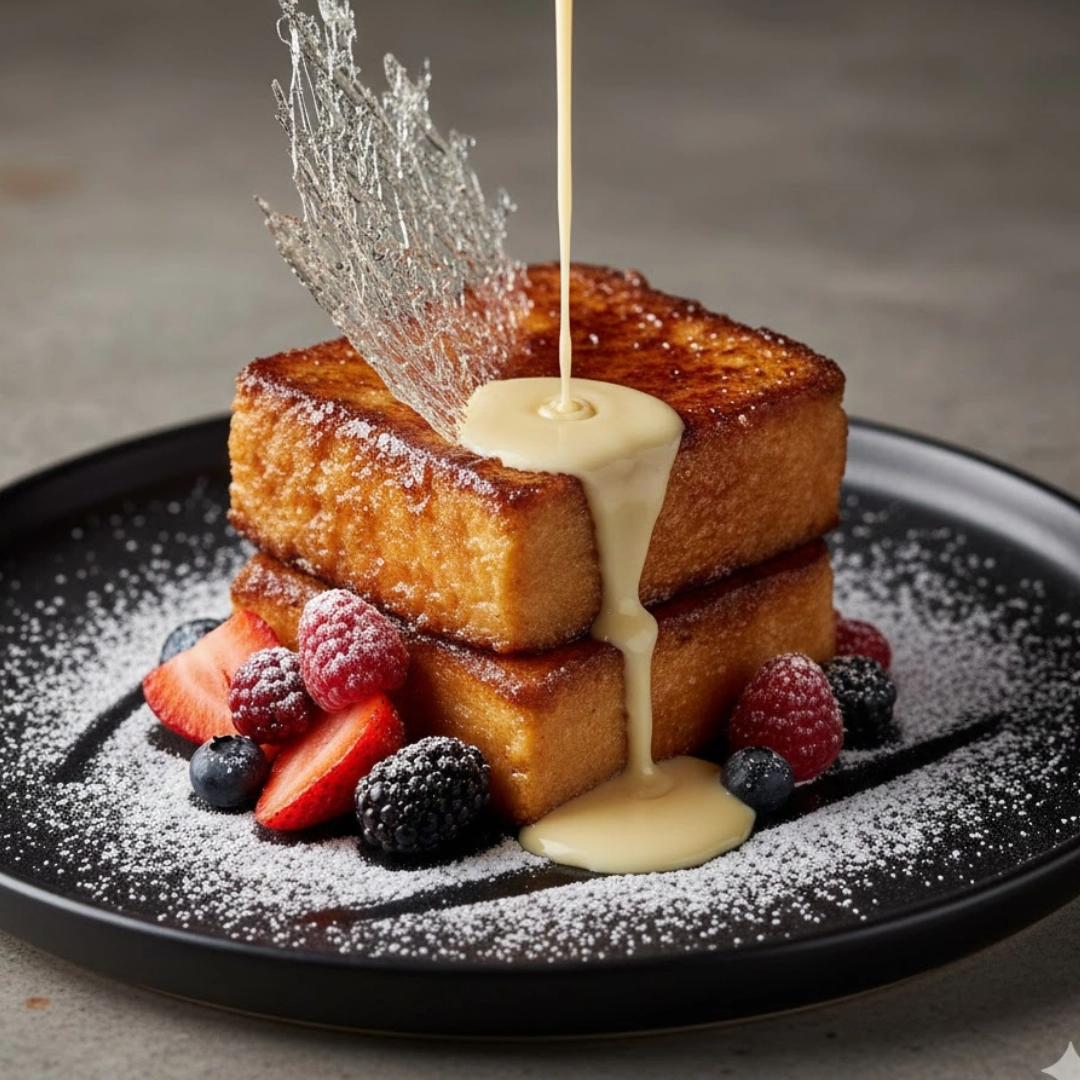
Few dishes seamlessly blend sophistication with pure, unadulterated comfort quite like Crème Brûlée French Toast. It is the absolute pinnacle of brunch indulgence—taking the humble, satisfying nature of French toast and elevating it with a whisper of vanilla custard and the dramatic, brittle crust of caramelized sugar. This recipe is not just about combining two ideas; it is a thoughtful construction designed to deliver that iconic crack followed by a warm, yielding, supremely custardy center. It’s the perfect centerpiece for a holiday breakfast, a slow weekend morning, or any occasion deserving of a truly memorable, show-stopping sweet treat.
This recipe is intentionally rich, focusing on high-quality ingredients to achieve profound depth of flavor. We move beyond simple milk and eggs, building a true anglaise base that fully saturates the bread, transforming it into something resembling a baked custard while maintaining the beloved texture of toast. The resulting dish is textural brilliance: cool, crisp sweetness giving way to hot, buttery softness.
Table of Contents
The Anatomy of a Superior French Toast
The success of this recipe lies entirely in the quality and preparation of its components. We aren’t making quick French toast; we are engineering a baked custard that happens to be carried by bread. Attention to the custard mixture and the state of the bread are non-negotiable foundations for achieving an unctuous interior and a sturdy structure.
The bread, for instance, must be thick-cut—at least one inch, ideally one and a half inches—to prevent complete disintegration during the soaking process. Brioche, with its high butter and egg content, offers a luxurious, fine crumb that holds up beautifully and lends its own subtle sweetness. Alternatively, Challah provides a denser, slightly more chewy structure that yields excellent results. Avoid thin, pre-sliced sandwich bread at all costs; it cannot absorb the custard properly and will result in a mushy final product.
The custard itself is a simplified crème brûlée base, heavier on the egg yolks than a typical French toast batter. This provides the richness and the necessary protein structure to bake into a smooth, silky interior rather than a scrambled, watery one. We use a combination of heavy cream and whole milk for optimum richness. The addition of brown sugar and a pinch of warming spice, such as nutmeg or cinnamon, is key to layering the flavor profile beneath the dramatic final caramelization.
The Essential Provisions
For the French Toast Base:
- 1 large loaf (approximately sixteen ounces) of Brioche or Challah, sliced into eight thick pieces (one to one and a half inches thick)
- 1 cup (240 milliliters) heavy cream
- Half a cup (120 milliliters) whole milk
- 6 large egg yolks
- 2 whole large eggs
- Half a cup (100 grams) granulated sugar
- 2 teaspoons vanilla extract, or the seeds of one vanilla bean
- Half a teaspoon ground cinnamon
- A quarter teaspoon ground nutmeg
- 2 tablespoons unsalted butter, for frying
For the Brûlée Topping:
- Half a cup (100 grams) granulated sugar, divided
- Half a cup (100 grams) light brown sugar, packed

A Primer on Preparation
This dish benefits significantly from an overnight soak, but a deep two-hour rest is the minimum required for achieving the essential custardy texture. The process is straightforward but demands patience, especially during the saturation period.
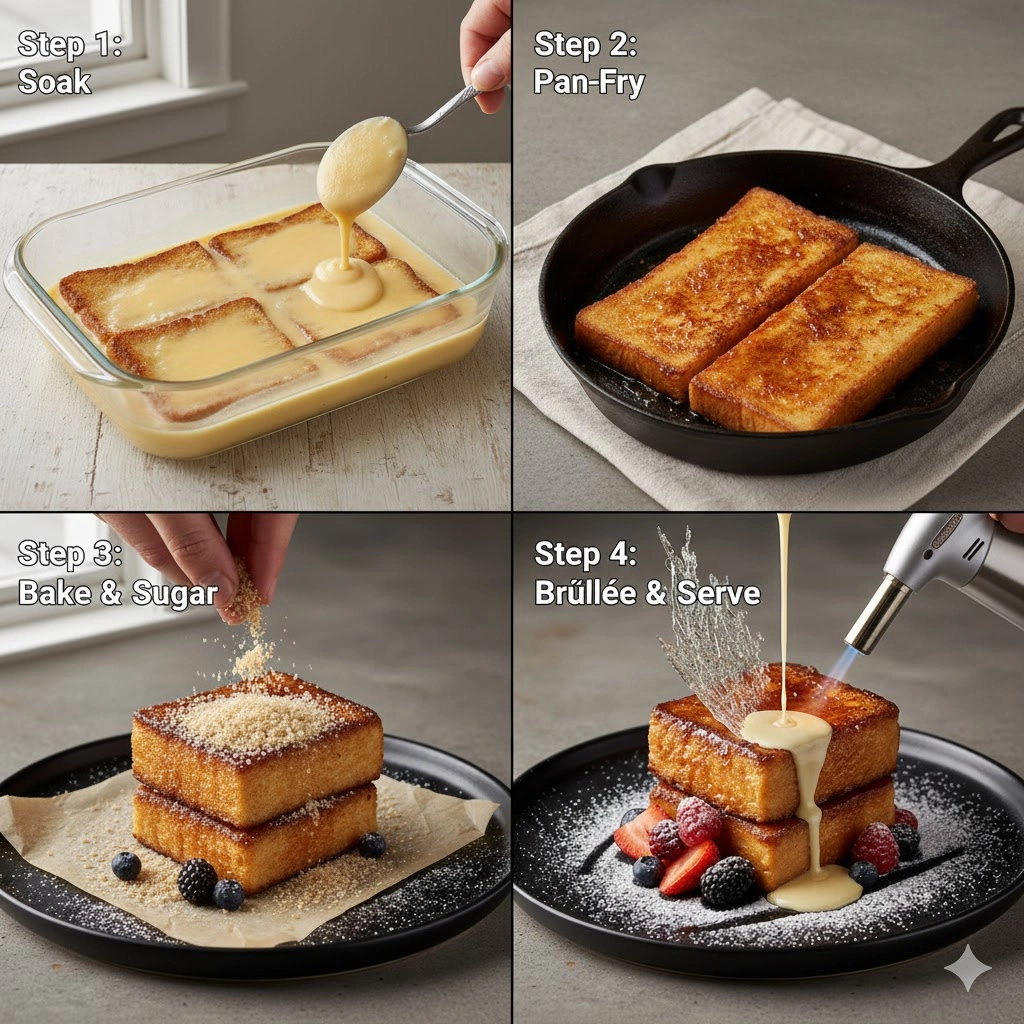
- Prepare the Custard: Whisk together all the “French Toast Base” ingredients, except the bread and butter, until the sugars are completely dissolved and the mixture is homogenous.
- Soak the Bread: Place the bread slices in a shallow dish and pour the custard mixture evenly over them. Flip the slices to ensure both sides are coated, then cover and refrigerate for a minimum of two hours, or preferably overnight.
- Pan-Fry: Heat the butter in a heavy-bottomed skillet over medium heat. Carefully transfer two soaked slices at a time, allowing excess liquid to drip off slightly. Cook for four to five minutes per side, until deeply golden brown and a rich crust has formed.
- Finish Baking: Transfer the pan-fried slices to a sheet pan lined with parchment paper. Bake in an oven preheated to three hundred fifty Fahrenheit for ten to fifteen minutes.
- Prepare the Topping Mixture: Combine the granulated and brown sugars meant for the topping.
- Caramelize: Sprinkle a thin, even layer of the sugar mixture over the top of each baked slice. Using a handheld culinary torch, carefully melt and caramelize the sugar until it forms a deep amber, glassy crust.
- Serve Immediately: Allow the caramelized crust to set for one to two minutes before serving to ensure the definitive crack when pierced.
Achieving Perfection: Step-by-Step Culinary Guidance
The difference between great French toast and truly spectacular Crème Brûlée French Toast is in the small details of execution, particularly the soaking time and the delicate balance of two cooking methods—pan-frying and baking. This combination ensures the exterior is deeply golden and buttery while the interior is completely cooked through without becoming dry.
Soaking for Ideal Saturation
The primary function of the soak is not just to coat the bread, but to allow the custard to penetrate the crumb entirely. This process requires time for capillary action to draw the heavy liquid deep into the bread’s structure. When you gently press the slice, the custard should feel almost gelatinous, not just wet on the surface. If you see pools of liquid sitting around the slice and the bread still feels firm and dry in the center, it has not soaked long enough.
For an overnight soak, cover the dish tightly with plastic wrap to prevent the bread from forming a dry skin on top. The cold temperature of the refrigerator also slightly thickens the custard, which helps the bread maintain its shape during the transfer to the pan. When removing the slices, lift them with a wide spatula, supporting the full weight of the saturated bread. Be gentle; they will be heavy and fragile.
The Gentle Sizzle: Pan-Frying Precision
The initial pan-fry step is critical for developing a beautiful, deep mahogany color and a flavorful, buttery crust that will serve as the structural anchor for the slice. The heat should be medium, never high. High heat will rapidly burn the sugars on the surface before the heat has time to penetrate, leaving you with a burnt exterior and a cold, raw center.
Use an unsalted butter, adding just enough to coat the bottom of the pan without drowning the bread. The butter should sizzle gently and foam lightly when the bread is added, indicating the perfect temperature. Cook each side until the crust is rich, golden brown, and slightly tacky to the touch. The aroma during this phase is intoxicating—a mix of caramelized butter, vanilla, and toasting bread. This crust development is what gives the final product that satisfying chew and protects the interior during the final bake.
Torching the Topping: The Signature Crackle
After the French toast has been baked at three hundred fifty Fahrenheit for ten to fifteen minutes (the interior temperature should reach one hundred ninety Fahrenheit for safety and proper coagulation), the slices are ready for their signature finish. The temperature of the French toast must be hot before the sugar is applied.
The combination of granulated and brown sugar adds complexity; the molasses in the brown sugar lends a slightly deeper, richer caramel flavor, while the pure white granulated sugar helps create that smooth, glass-like sheet. Sprinkle the mixture thinly and evenly; a mound of sugar will simply burn in spots rather than melt into a cohesive sheet.
When applying the heat with a culinary torch, move the flame constantly in small, overlapping circles. Start at the edges and work toward the center. Listen for the distinct sound of the sugar beginning to melt and bubble. The goal is a deep, uniform amber color—not black. If the sugar turns black, it is burnt and will taste bitter; scrape it off and try again with a fresh layer. The resulting crust should be glossy, hard, and shatter with a satisfying sound when tapped, creating the iconic crème brûlée element.
Insights from the Test Kitchen
Achieving perfection with this dish involves preempting common kitchen challenges and utilizing specific tools and timing.
- Prep the Day Before: This recipe thrives on make-ahead preparation. Soaking the bread overnight not only ensures superior texture but also allows you to handle the final steps (frying and torching) right before serving, reducing the stress of a big brunch.
- The Weight Test: If you are unsure if your bread is saturated enough, lift a slice. If it feels significantly heavier than an untreated slice and the custard isn’t running out freely, you are ready. If it feels too light, let it rest longer.
- Use a Cast Iron Skillet: A heavy-bottomed cast iron or stainless steel skillet is ideal for the pan-fry step. Its ability to retain and distribute heat evenly prevents hot spots that can lead to uneven browning or burning.
- Don’t Rush the Set: After torching the sugar, resist the urge to immediately plate and serve. Give the caramel shell one full minute to cool and harden completely. This is what guarantees that dramatic crack that defines the Crème Brûlée experience. If you plate it hot, the crust will be soft and chewy.
- The Broiler Alternative (Use with Caution): If you do not own a culinary torch, you can place the sugar-coated toast under a preheated, high-heat broiler. Monitor it constantly—this method moves rapidly, from perfect caramel to burnt char in a matter of seconds. Keep the rack low enough to prevent immediate burning.
Creative Departures: Ingredient Swaps and Flavor Twists
While the classic preparation is spectacular, the formula is robust enough to support numerous creative variations.
- Citrus Zest Infusion: Add the zest of one small orange or half a lemon to the cold custard mixture. Allow the zest to infuse the cream overnight alongside the soaking bread. The subtle, bright citrus oil cuts through the richness beautifully, making the dish feel lighter.
- Spice Cabinet Exploration: Swap the cinnamon and nutmeg for a more complex profile using Cardamom, Ginger, and Allspice. This provides a warming, almost chai-like note that pairs wonderfully with maple syrup. Start with just a quarter teaspoon of each and adjust to taste.
- Nutty Crunch Layer: Before adding the sugar topping, press a thin layer of finely chopped pecans or walnuts onto the surface of the French toast. When caramelized, the sugar fuses the nuts into the topping, adding another layer of texture and savory depth to the sweetness.
- Alcoholic Accent: For a fully adult twist, incorporate one tablespoon of dark rum or high-quality bourbon into the custard mixture. The alcohol evaporates during cooking, leaving behind a complex, warming flavor that elevates the vanilla and spice notes.
- Dairy-Free Adaptation: Substitute the heavy cream and whole milk with a full-fat oat milk or coconut cream. Use a high-quality vegan butter for the frying stage. Note that the texture of the final custard may be slightly less firm due to the difference in fat and protein content, but the flavor remains excellent.
The Final Arrangement: Suggested Pairings
The decadence of Crème Brûlée French Toast demands accompaniments that either complement its richness or provide a refreshing contrast.
- Fresh Tart Berries: A simple mound of raspberries, sliced strawberries, or blackberries is the ideal counterbalance. Their natural acidity cleanses the palate and prevents the dish from tasting overly heavy. The color contrast also adds visual appeal to the final presentation.
- High-Quality Maple Syrup (Used Sparingly): If the custard is made properly and the sugar topping is adequate, very little additional sweetness is needed. Choose a dark, robust Grade A or B maple syrup and serve it on the side, allowing guests to use a minimal drizzle to enhance, rather than overwhelm, the primary flavors.
- Smoked Savory Meats: The saltiness and smokiness of bacon or country ham provide a classic, savory contrast that elevates the entire brunch experience. The rich fat renders beautifully alongside the sweetness of the toast, creating a perfect balance of flavors.
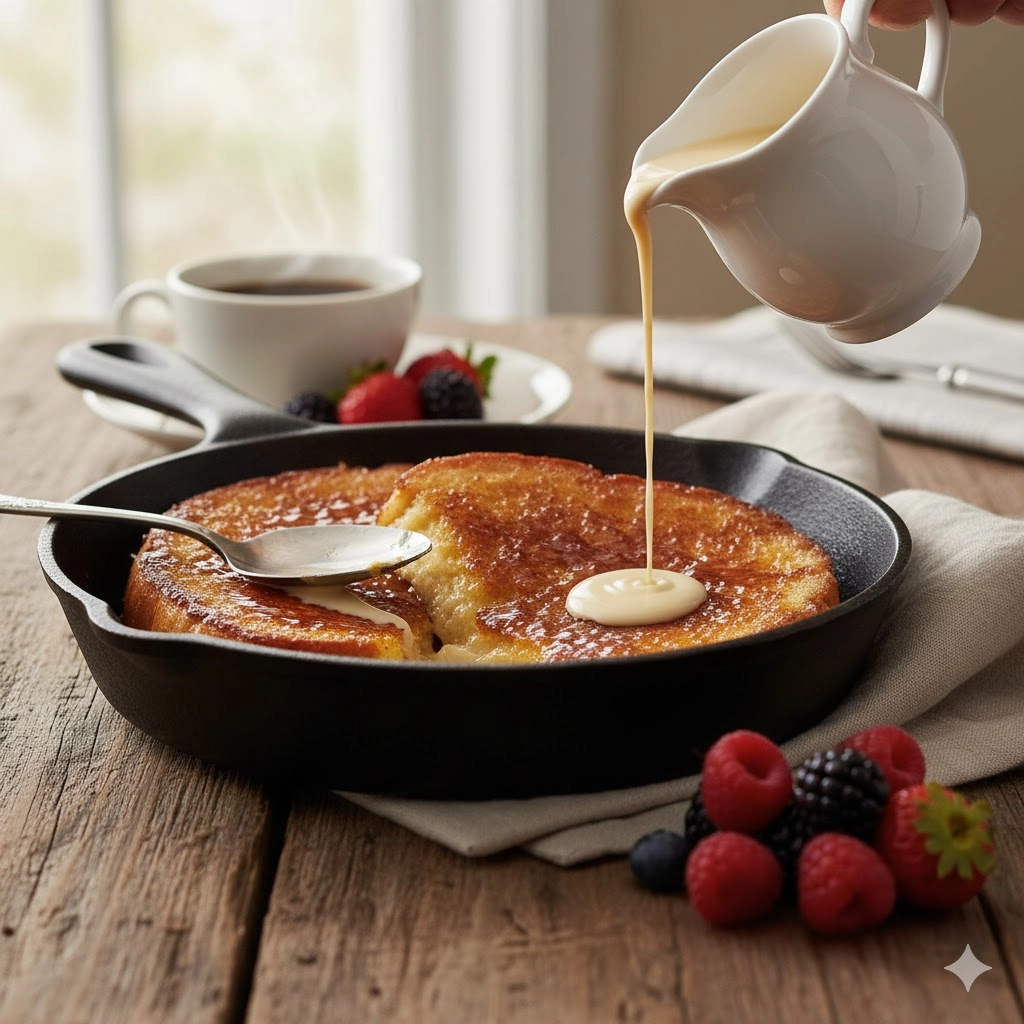
- Crème Anglaise Drizzle: To lean into the “crème” theme, prepare a thin, chilled vanilla crème anglaise (a pourable custard sauce) to drizzle over the plate. This reinforces the core flavor of the dish and adds a final touch of creamy luxury.
Common Questions from the Culinary Curious
Can I make this with stale bread?
Yes, absolutely. Stale bread is actually preferred because its dried-out structure is able to absorb a greater volume of the rich custard without becoming structurally compromised. If you only have fresh bread, leave the slices uncovered on a wire rack overnight to allow them to slightly dry out before beginning the soak.
Why is my sugar crust not cracking?
A crust that refuses to crack is usually a sign that it was not heated enough, was too thick, or that the French toast itself was cold when the sugar was applied. If the toast is hot, the sugar melts and then cools quickly, setting hard. If the toast is cool, the sugar cools too slowly and tends to remain soft and sticky. Ensure your toast is piping hot from the oven before torching.
How do I store and reheat leftovers?
Leftover French toast can be stored in an airtight container in the refrigerator for up to three days. To reheat, the best method is in a toaster oven or a standard oven at three hundred fifty Fahrenheit for about ten minutes, or until warmed through. Do not use a microwave, as it will destroy the crust and turn the toast soggy.
Is it possible to bake the entire dish without pan-frying?
While technically possible, skipping the pan-fry results in a vastly inferior product. The pan-fry step creates a caramelized, browned exterior that locks in the moisture and flavor and provides necessary structure. Without it, the baked toast can be structurally weak and the surface will lack the deep, rich, buttery flavor essential to the final dish.
Can I use powdered sugar for the topping instead of granulated?
No. Powdered sugar contains cornstarch which prevents caking, and this will interfere with the caramelization process, resulting in a dull, thick, and chewy coating instead of the signature glass-like crackle. You must use granulated sugar, or a blend of granulated and light brown sugar, for the best results.
Estimated Nutritional Breakdown
| Nutrient | Amount per Serving |
| Calories | 680 kcal |
| Protein | 15 g |
| Carbs | 65 g |
| Fat | 40 g |
| Fiber | 3 g |
| Sugar | 30 g |
| Sodium | 350 mg |
Nutrition information is an estimate and may vary based on preparation and ingredients used.
PrintCrème Brûlée French Toast: Decadent Weekend Brunch
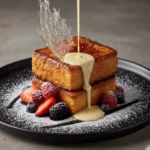
An expert-level recipe for Crème Brûlée French Toast, featuring a rich vanilla custard-soaked brioche and a perfectly torched, brittle caramel crust. This is the ultimate brunch indulgence.
- Prep Time: 15 mins
- Cook Time: 25 mins
- Total Time: 2h 40 mins
- Yield: 8 servings 1x
- Category: Brunch
- Method: Stovetop, Oven, Torch
- Cuisine: French, American
Ingredients
1 large loaf (approximately sixteen ounces) of Brioche or Challah, sliced into eight thick pieces
1 cup heavy cream
Half a cup whole milk
6 large egg yolks
2 whole large eggs
Half a cup granulated sugar (for custard)
2 teaspoons vanilla extract
Half a teaspoon ground cinnamon
A quarter teaspoon ground nutmeg
2 tablespoons unsalted butter, for frying
Half a cup granulated sugar (for topping)
Half a cup light brown sugar, packed (for topping)
Instructions
1. Prepare the Custard: Whisk together all wet ingredients, sugars, and spices until homogenous.
2. Soak the Bread: Place the bread slices in a shallow dish, pour the custard over, cover, and refrigerate for a minimum of two hours, or preferably overnight.
3. Pan-Fry for Color: Heat butter in a heavy-bottomed skillet over medium heat. Cook slices for four to five minutes per side until deeply golden brown.
4. Finish Baking: Transfer pan-fried slices to a sheet pan. Bake in an oven preheated to three hundred fifty Fahrenheit for ten to fifteen minutes.
5. Apply and Caramelize the Topping: Combine the topping sugars. Sprinkle a thin, even layer over the hot, baked slices. Use a culinary torch to melt and caramelize the sugar until it forms a deep amber, glassy crust.
6. Serve: Allow the caramelized crust to set for one to two minutes before serving immediately.
Notes
Prep the day before for superior texture by soaking the bread overnight.
Ensure the toast is piping hot from the oven before torching the sugar.
Give the caramel shell one full minute to cool and harden completely for the definitive crack.
Nutrition
- Serving Size: 1 slice (approx.)
- Calories: 680
- Sugar: 30g
- Sodium: 350mg
- Fat: 40g
- Saturated Fat: 25g
- Unsaturated Fat: 10g
- Trans Fat: 0g
- Carbohydrates: 65g
- Fiber: 3g
- Protein: 15g
- Cholesterol: 250mg