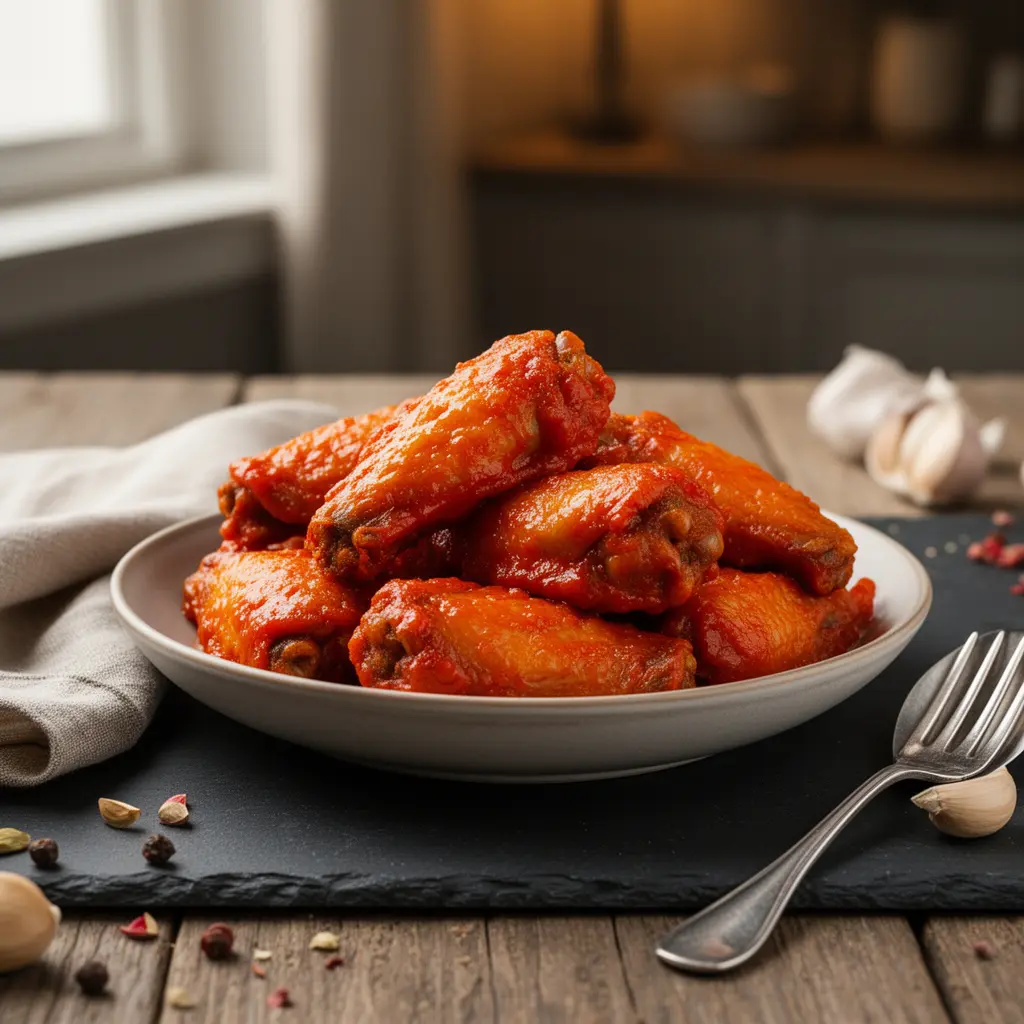

A Weeknight Luxury: The Appeal of Silky, Rich Tomato Sauce
There are few dishes that deliver on the promise of pure, uncomplicated satisfaction quite like a meticulously prepared pasta dish. This version, elevated by the addition of richness and body, stands out. It’s not just a basic sauce; it’s a velvety emulsion where the bright acidity of quality tomatoes is perfectly cushioned by fresh dairy. This simple pairing transforms a humble pantry staple into an impressive, deeply flavored meal. Whether you are hosting a small gathering or simply seeking a comforting, restorative dinner, making the perfect Creamy Tomato Pasta requires just a few excellent ingredients and a little patience to unlock their full potential.
The Essential Components: Building Blocks for Flavor
The quality of your final dish is entirely dependent on the quality of your base ingredients. Opt for the best canned tomatoes you can find, as they form the backbone of the sauce.
For the Sauce Base:
- 1 tablespoon of extra virgin olive oil
- 2 tablespoons of unsalted butter
- 1 medium yellow onion, finely diced
- 4 cloves of garlic, minced
- 1 teaspoon of dried oregano
- 1/2 teaspoon of dried basil
- 1/4 teaspoon of red pepper flakes
- 1 (28-ounce) can of whole peeled San Marzano tomatoes, crushed by hand
- 1 tablespoon of tomato paste
- 1/2 teaspoon of fine sea salt, plus more to taste
- 1/4 teaspoon of freshly ground black pepper
For the Pasta and Finishing:
- 1 pound of dried pasta (fettuccine, rigatoni, or penne work well)
- 1 cup of heavy cream
- 1/2 cup of freshly grated Parmesan cheese, plus extra for serving
- 1/4 cup of fresh basil leaves, roughly chopped
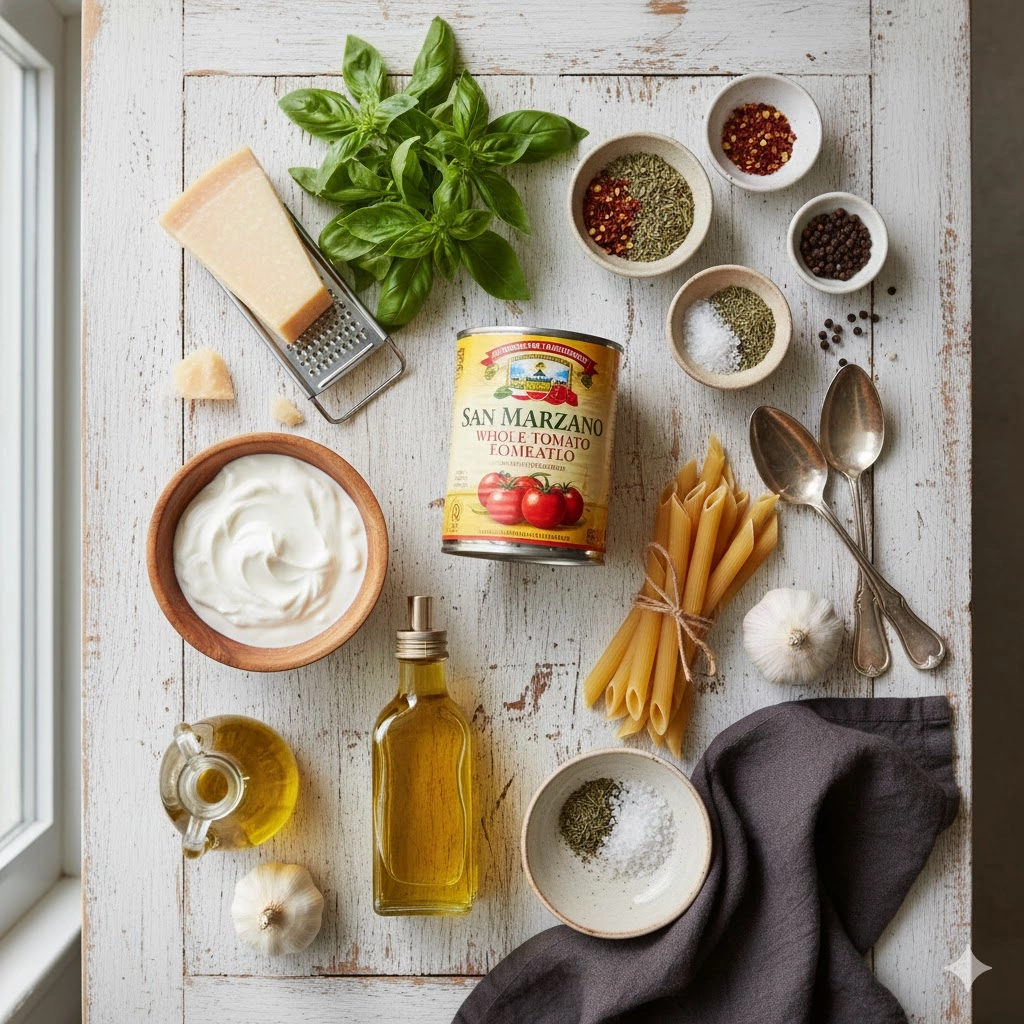
Streamlined Preparation: Getting from Pantry to Plate
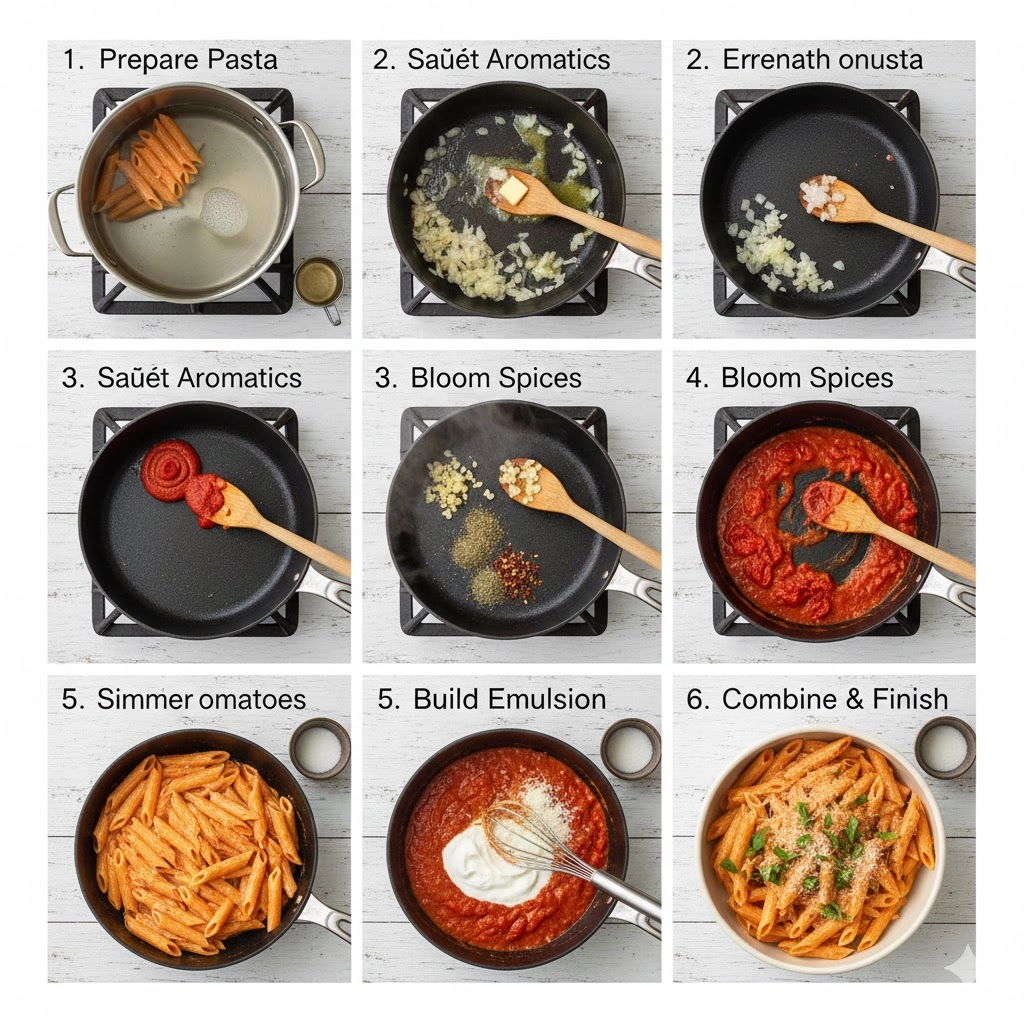
This sequence ensures maximum flavor extraction from the aromatics before the tomatoes are introduced, resulting in a complex, well-rounded sauce.
- Prepare the Pasta: Bring a large pot of salted water to a rolling boil. Add the pasta and cook according to package directions until al dente. Reserve about one and one-half cups of the starchy cooking water before draining the pasta.
- Sauté the Aromatics: In a large, deep skillet or Dutch oven, melt the butter with the olive oil over medium heat. Add the diced onion and cook until softened and translucent, which should take about six to eight minutes.
- Bloom the Spices and Garlic: Add the minced garlic, oregano, basil, and red pepper flakes to the pan. Sauté for sixty seconds until fragrant, stirring constantly to prevent the garlic from burning.
- Simmer the Tomato Base: Stir in the tomato paste for one minute, allowing it to caramelize slightly. Pour in the crushed tomatoes, add the salt and pepper, and bring the mixture to a simmer. Reduce the heat to low and let it cook, uncovered, for twenty minutes.
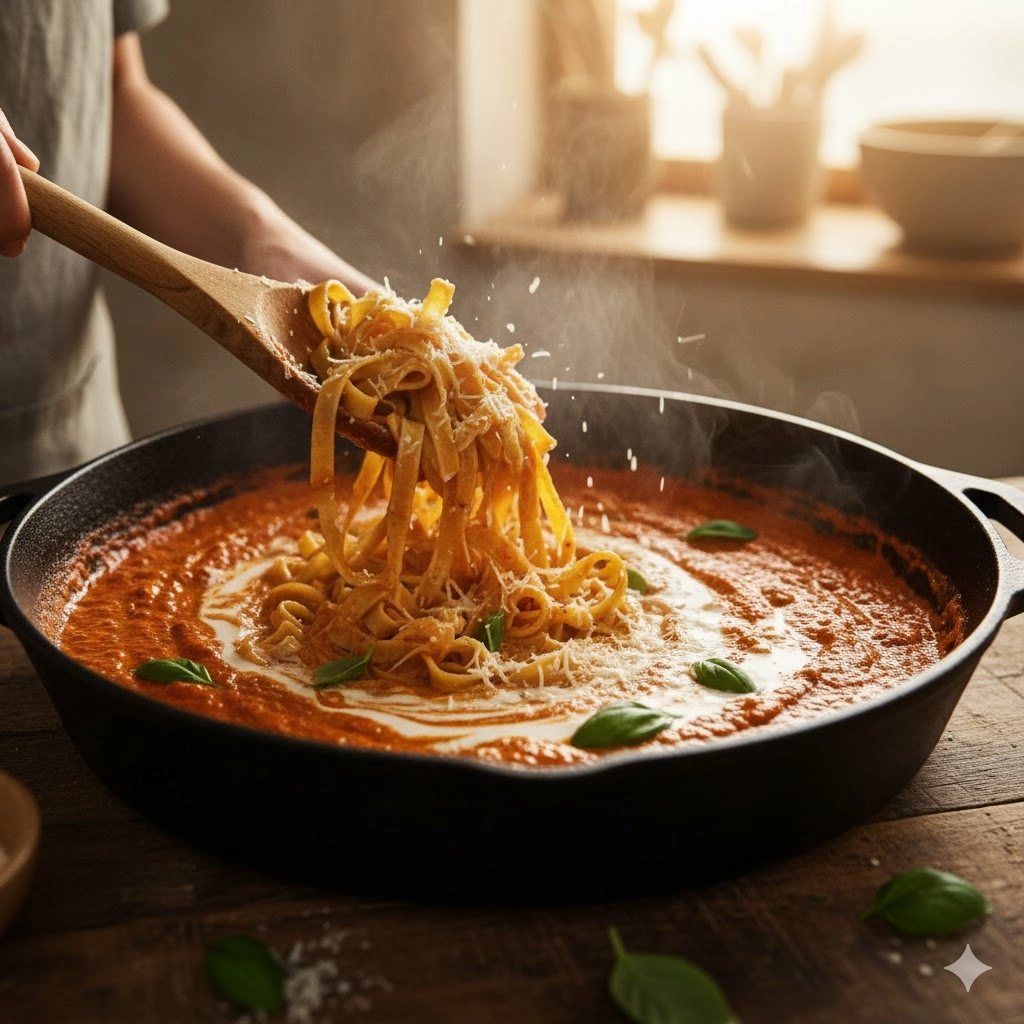
- Build the Emulsion: Remove the sauce from the heat. Stir in the heavy cream and the grated Parmesan cheese. If the sauce seems too thick, add a quarter cup of the reserved pasta water at a time until the desired, velvety consistency is achieved.
- Combine and Finish: Add the drained pasta directly to the sauce and toss vigorously until every strand is coated. Allow the pasta to absorb the sauce for one to two minutes. Serve immediately, garnished with fresh basil and extra Parmesan cheese.
Mastering the Sauce: Essential Techniques for Depth and Texture
The difference between a good pasta dish and a truly unforgettable one often lies in attention to process. Culinary preparation is a delicate dance of chemistry and technique, especially when building a rich sauce.
When you first begin by combining the olive oil and butter, you are setting the stage for flavor complexity. Butter provides a round, nutty flavor that oil lacks, while the oil raises the smoke point of the butter, preventing it from burning immediately. The goal here is a gentle melt, not a sizzle. Introduce the diced onion and let it cook slowly. This is not about speed; it is about sweetness. When onions cook slowly over medium-low heat, they release their complex sugars, providing a natural background sweetness that will perfectly balance the acidity of the tomatoes later on. Watch for a change in appearance—the raw, crystalline structure of the onion should soften and become entirely translucent, not brown.
The step where you add the garlic and dry spices is crucial; this is called “blooming.” Dry spices release their fat-soluble flavor compounds only when heated in fat. Sixty seconds is the ideal window. You will notice the aroma intensify sharply. The moment you smell the pungent scent of the garlic and the herbaceous lift of the oregano, it’s time to move on. Any longer, and the garlic can turn bitter, irreparably damaging the sauce’s foundation.
When adding the tomato paste, make sure to cook it out for a full minute, stirring it around the bottom of the pan. This step is often overlooked. Cooking the paste caramelizes its sugars and deepens its color from a raw, bright red to a brick-like, complex hue. This process removes the tinny, metallic flavor sometimes associated with canned products, yielding a more robust, sun-ripened taste.
Finally, the twenty-minute simmer is non-negotiable. This time allows the various flavors—the savory onion, the aromatic garlic, the sweet tomato paste, and the spices—to integrate fully. The water content in the crushed tomatoes evaporates, concentrating the pure tomato essence. You’ll know the sauce is ready when it clings to the back of a wooden spoon and the surface is dotted with tiny, deep red oil puddles.
The final stage—the addition of heavy cream—is where the magic happens. Always remove the pan from the heat before adding the cream and cheese. This prevents the cream from curdling and ensures a silky, stable emulsion. If you find the sauce is too thick (a likely outcome after twenty minutes of reduction), use the reserved, starchy pasta water. The starches in the water help to bind the fats, liquids, and solids in the sauce, creating that signature, restaurant-quality velvety texture that truly makes this dish shine. Always add it gradually, tasting and testing for texture after each addition, until the sauce coats the pasta beautifully without pooling at the bottom of the bowl.
Culinary Insights: Elevating Your Pasta Game
Achieving mastery in a deceptively simple dish comes down to small, impactful choices. These expert recommendations ensure your pasta moves beyond the ordinary weeknight fare.
The San Marzano Difference: While any canned crushed tomatoes can work, the investment in certified San Marzano tomatoes is worth the premium. Grown in a specific volcanic region of Italy, these tomatoes are less acidic and naturally sweeter than their counterparts, providing a rounder, more balanced base for your sauce. Their natural sweetness drastically reduces the need for any added sugar.
The Power of Reserved Pasta Water: Never discard your pasta water hastily. This cloudy, starchy liquid is arguably the single most important ingredient in achieving a professional-grade sauce. Adding a quarter to half a cup of this water to your finished sauce acts as a natural emulsifier, helping the fat (from the cream and butter) and the acid (from the tomatoes) bind together seamlessly. It’s what gives the sauce its signature clinging quality.
Grate Your Own Cheese: Pre-grated Parmesan contains anti-caking agents, usually cellulose, which can prevent it from melting smoothly and can result in a slightly gritty or gluey texture in the sauce. Always grate a block of high-quality Parmesan or Parmigiano-Reggiano yourself just before adding it to the pan. This ensures a clean, smooth melt and a superior, nutty flavor.
Finishing with Fresh Herbs: Dried herbs are excellent for simmering in the base, as heat activates their compounds. However, fresh herbs, like basil or parsley, should be reserved for the very end. Tossing fresh basil into the final, warm dish—or sprinkling it on top just before serving—preserves its vibrant green color and sharp, clean aroma, which contrasts beautifully with the richness of the sauce.
Don’t Overcook the Cream: The goal is to gently warm the heavy cream into the tomato base, not to boil it. Boiling can cause the cream to separate or curdle, especially when combined with a highly acidic tomato base. Once the cream is incorporated, the sauce should maintain a gentle, low simmer or just be kept warm, ensuring a flawless, smooth finish.
The Butter Mount: If you want an extra layer of decadence and polish, before serving, whisk in two tablespoons of cold, cubed unsalted butter off the heat, right after you add the cream and before you toss the pasta. This is a classic French technique, known as monté au beurre, which adds a final luxurious sheen and velvety thickness to the finished sauce.
Beyond the Original: Creative Twists and Substitutions
Once you have mastered the foundational technique, this versatile sauce base provides an excellent canvas for customization. The simple elegance of the original Creamy Tomato Pasta can be adapted to suit dietary needs or seasonal cravings.
Protein Integration: For a heartier meal, incorporate a protein during the simmering phase. Brown one pound of sweet Italian sausage (removed from its casing) or cubed chicken breast before you even start the onions. Remove the cooked meat, make the sauce as directed, and then stir the fully cooked protein back in for the final five minutes of simmering. This allows the meat to absorb the sauce’s flavor.
Vegetable Forward: Enhance the nutritional content by incorporating finely chopped vegetables. A cup of finely chopped carrots and celery added alongside the onion provides an extra depth of flavor and texture. Alternatively, fresh baby spinach wilts beautifully; stir in two large handfuls during the final minute of cooking, letting the residual heat do the work. Sautéed mushrooms or roasted red peppers are also excellent additions.
Dairy-Free, Still Creamy: Achieving that signature richness without traditional heavy cream is straightforward. Substitute the heavy cream with one cup of full-fat coconut milk (from a can, not a carton) or one cup of raw cashew cream (made by blending soaked cashews with water until smooth). The fat content in both these alternatives mimics the mouthfeel of dairy cream very effectively.
Pasta Variations: The world of pasta is your playground. While thick shapes like rigatoni or pappardelle are excellent, small shells or ditalini are wonderful if you prefer the sauce to pool inside the pasta. For a fun, baked variation, use ziti, slightly undercook it, combine it with the creamy sauce, top with extra mozzarella, and bake at three hundred seventy-five Fahrenheit for fifteen minutes until bubbly and golden.
The Perfect Companions: What to Serve Alongside
Choosing the right side dishes complements the richness of the main course without competing with its robust flavor. Simple, fresh accompaniments balance the indulgence of the cream and tomato.
Crisp, Bitter Greens: A sharp, clean salad is the ideal counterpoint. Prepare a simple Arugula Salad dressed only with a bright, high-quality lemon vinaigrette. The peppery bite of the arugula cuts through the fat in the sauce, cleansing the palate and making each bite of pasta feel fresh.
The Essential Bread: A substantial, chewy loaf is necessary for scooping up every last drop of the rich sauce. Classic Garlic Bread, made with good butter, fresh parsley, and a touch of roasted garlic, provides texture and a savory, aromatic boost. Alternatively, a rustic, crusty sourdough works equally well for dipping.
Aromatic Vegetables: Lightly steamed or roasted vegetables provide a necessary fresh dimension. Consider simple Roasted Asparagus or Broccolini, seasoned minimally with salt, pepper, and a splash of olive oil. The slight char from roasting adds an earthy layer that grounds the meal.
Your Pressing Questions Answered
We address common queries to help you navigate the process of making this signature dish perfectly every time.
Can I make this sauce ahead of time?
Yes, the tomato base itself benefits from being made one day in advance, as the flavors meld and deepen overnight. Prepare the sauce up to the point of adding the cream; store it in an airtight container in the refrigerator. When ready to serve, gently reheat the sauce, then stir in the heavy cream and grated cheese, and finally toss with freshly cooked pasta.
What is the best way to store and reheat leftovers?
Store any leftover pasta and sauce combined in an airtight container in the refrigerator for up to three days. To reheat, the best method is low and slow on the stovetop. Add a splash of milk or water to the pasta in the skillet and reheat over low heat, stirring frequently, until warmed through. This prevents the sauce from separating or drying out.
Can I freeze this creamy tomato sauce?
Freezing the sauce is not recommended after the heavy cream and cheese have been added, as dairy products can separate and become grainy once thawed. If you want to freeze the sauce, stop before Step 5 (before adding the cream and cheese). The plain tomato base freezes beautifully for up to three months. Thaw it completely, then heat it and proceed with the cream and cheese additions.
Should I use whole or crushed canned tomatoes?
For the most luxurious texture, whole peeled San Marzano tomatoes, crushed by hand, are preferable. Crushing them manually releases less water and leaves some small chunks of tomato, which provides a better texture and a fresher, less processed flavor compared to pre-crushed or puréed varieties.
Understanding the Nutritional Landscape
The following is an estimation of the nutritional values for one serving of this recipe, based on the ingredients and quantities provided.
| Nutrient | Amount per Serving |
| Calories | 650 kcal |
| Protein | 22 g |
| Carbs | 75 g |
| Fat | 30 g |
| Fiber | 8 g |
| Sugar | 10 g |
| Sodium | 550 mg |
Important Disclosure
Nutrition information is an estimate and may vary based on preparation and ingredients used.
PrintThe Ultimate Creamy Tomato Pasta Recipe
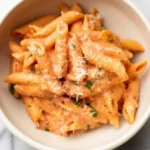
This simple pairing transforms a humble pantry staple into an impressive, deeply flavored meal. Whether you are hosting a small gathering or simply seeking a comforting, restorative dinner, making the perfect Creamy Tomato Pasta requires just a few excellent ingredients and a little patience to unlock their full potential.
- Prep Time: 15 mins
- Cook Time: 30 mins
- Total Time: 45 mins
- Yield: 4 servings 1x
- Category: Main Dish
- Method: Stovetop
- Cuisine: Italian-American
Ingredients
1 tablespoon of extra virgin olive oil
2 tablespoons of unsalted butter
1 medium yellow onion, finely diced
4 cloves of garlic, minced
1 teaspoon of dried oregano
1/2 teaspoon of dried basil
1/4 teaspoon of red pepper flakes
1 (28-ounce) can of whole peeled San Marzano tomatoes, crushed by hand
1 tablespoon of tomato paste
1/2 teaspoon of fine sea salt, plus more to taste
1/4 teaspoon of freshly ground black pepper
1 pound of dried pasta
1 cup of heavy cream
1/2 cup of freshly grated Parmesan cheese, plus extra for serving
1/4 cup of fresh basil leaves, roughly chopped
Instructions
1. Prepare the Pasta: Bring a large pot of salted water to a rolling boil. Add the pasta and cook according to package directions until al dente. Reserve about one and one-half cups of the starchy cooking water before draining the pasta.
2. Sauté the Aromatics: In a large, deep skillet or Dutch oven, melt the butter with the olive oil over medium heat. Add the diced onion and cook until softened and translucent, which should take about six to eight minutes.
3. Bloom the Spices and Garlic: Add the minced garlic, oregano, basil, and red pepper flakes to the pan. Sauté for sixty seconds until fragrant, stirring constantly to prevent the garlic from burning.
4. Simmer the Tomato Base: Stir in the tomato paste for one minute, allowing it to caramelize slightly. Pour in the crushed tomatoes, add the salt and pepper, and bring the mixture to a simmer. Reduce the heat to low and let it cook, uncovered, for twenty minutes.
5. Build the Emulsion: Remove the sauce from the heat. Stir in the heavy cream and the grated Parmesan cheese. If the sauce seems too thick, add a quarter cup of the reserved pasta water at a time until the desired, velvety consistency is achieved.
6. Combine and Finish: Add the drained pasta directly to the sauce and toss vigorously until every strand is coated. Allow the pasta to absorb the sauce for one to two minutes. Serve immediately, garnished with fresh basil and extra Parmesan cheese.
Notes
Always use fresh, quality Parmesan cheese and grate it yourself for the smoothest melt.
Do not discard the pasta water; its starch content is essential for creating a perfect, clinging emulsion with the sauce.
The sauce can be made ahead of time (without the cream) and stored in the refrigerator for one day.
For a bolder flavor, consider using certified San Marzano tomatoes.
Nutrition
- Serving Size: 1 serving
- Calories: 650
- Sugar: 10g
- Sodium: 550mg
- Fat: 30g
- Saturated Fat: 20g
- Fiber: 8g
- Protein: 22g