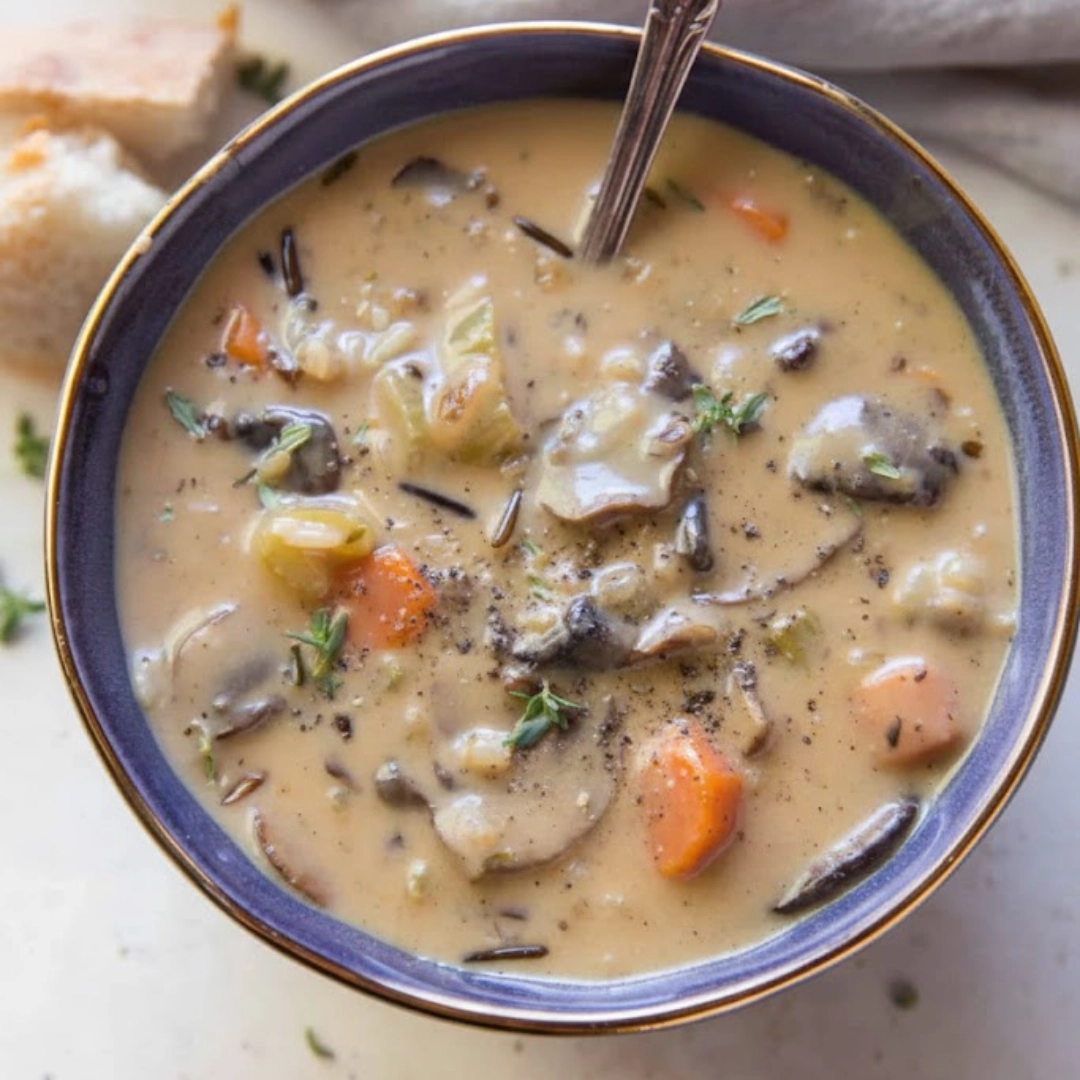
There is a profound, grounding satisfaction that comes from a well-made bowl of soup—the kind that requires a slow, deliberate simmer. This Creamy Mushroom Wild Rice Soup is the epitome of that feeling. It offers a hearty, deeply savory experience, where the earthy richness of sautéed cremini mushrooms meets the textural complexity of wild rice, all suspended in a lightly thickened, herb-infused broth. It stands perfectly well on its own as a comforting main dish, making it an excellent choice for a Sunday supper or an impressive, yet straightforward, offering at a holiday buffet. Its elegant flavor profile is built on simple, quality ingredients, transforming everyday pantry items into an exceptional, soul-stirring meal.
Table of Contents
Essential Components and Preparation
Before diving into the list of necessary provisions, it is worthwhile to understand the three pillars that give this soup its depth and memorable character. Mastering these elements ensures the final result transcends a mere mixture of ingredients and becomes a truly cohesive, deeply flavorful dish. We are aiming for complexity through layering, not complication.
The Wild Rice Element
True wild rice, which is technically a semi-aquatic grass seed, requires significant time to cook through. Its dense, nutty kernels are crucial for providing the satisfying “chew” that contrasts with the soup’s velvety texture. Unlike softer white or brown rice varieties that can turn mushy, wild rice holds its shape beautifully under extended simmering. A good wild rice blend is often the best choice here, as it introduces varied textures and colors (like brown, red, and black rice) while still featuring the prized, long kernels of pure wild rice. Pre-soaking is not required, but recognizing that this ingredient dictates the forty-five to fifty-five minute minimum cooking time is paramount.
Building the Umami Base
The savory depth, or umami, of this soup is derived entirely from the interaction between the mushrooms, the aromatics, and a small, surprising addition of Worcestershire sauce. The process starts with the mushrooms—cremini, specifically, for their robust, almost meaty flavor. They must be sautéed not just until they soften, but until they release all their moisture and then start to truly caramelize and brown. This two-stage process concentrates their natural sugars and flavors immensely. Once this deep browning is achieved, the standard mirepoix (onion, carrot, celery) and a potent blend of garlic, thyme, and sage are introduced. These herbs, especially the earthy sage, provide the classic, homey background notes that define the American style of creamy soup.
The Creamy Finish
This soup avoids the heavy, cloying texture of some cream-based recipes. Instead, it uses a careful ratio of flour (to create a roux) and half-and-half, incorporated into a substantial chicken or vegetable stock base. The flour is cooked into the vegetables and butter before the liquid is added, a necessary step that eliminates the raw, pasty taste of un-cooked flour. The half-and-half is introduced right at the very end, off the heat, purely to lend richness and a beautiful, pale golden hue, rather than to serve as the main bulk of the liquid. This methodology ensures the finished soup is creamy on the palate without being excessively heavy in the bowl.
The Culinary Roster
This recipe comfortably yields eight satisfying servings.
For Sautéing and Aromatics
- 6 tablespoons unsalted butter, divided
- 8 ounces cremini mushrooms (baby bellas), wiped clean and sliced
- 1 teaspoon Worcestershire sauce
- 1 medium yellow onion, finely diced
- 1 cup chopped celery (about three large ribs)
- 1 cup chopped carrots (about two medium carrots)
- 2 teaspoons fresh garlic, minced
- 1 tablespoon fresh thyme leaves, divided (plus extra for garnish)
- 1 teaspoon rubbed sage
- 1 teaspoon smoked paprika
- 1 teaspoon fine sea salt, plus more to taste
- One half teaspoon freshly ground black pepper, plus more to taste
- One third cup all-purpose flour
The Liquid and Finishing Agents
- 1 cup uncooked wild rice blend
- 6 cups low-sodium chicken broth (or high-quality vegetable broth)
- 1 cup half-and-half (or whole milk)

The Soup Assembly: A General Workflow
These steps represent the high-level construction of the soup. Detailed explanations and sensory cues follow in the next section.
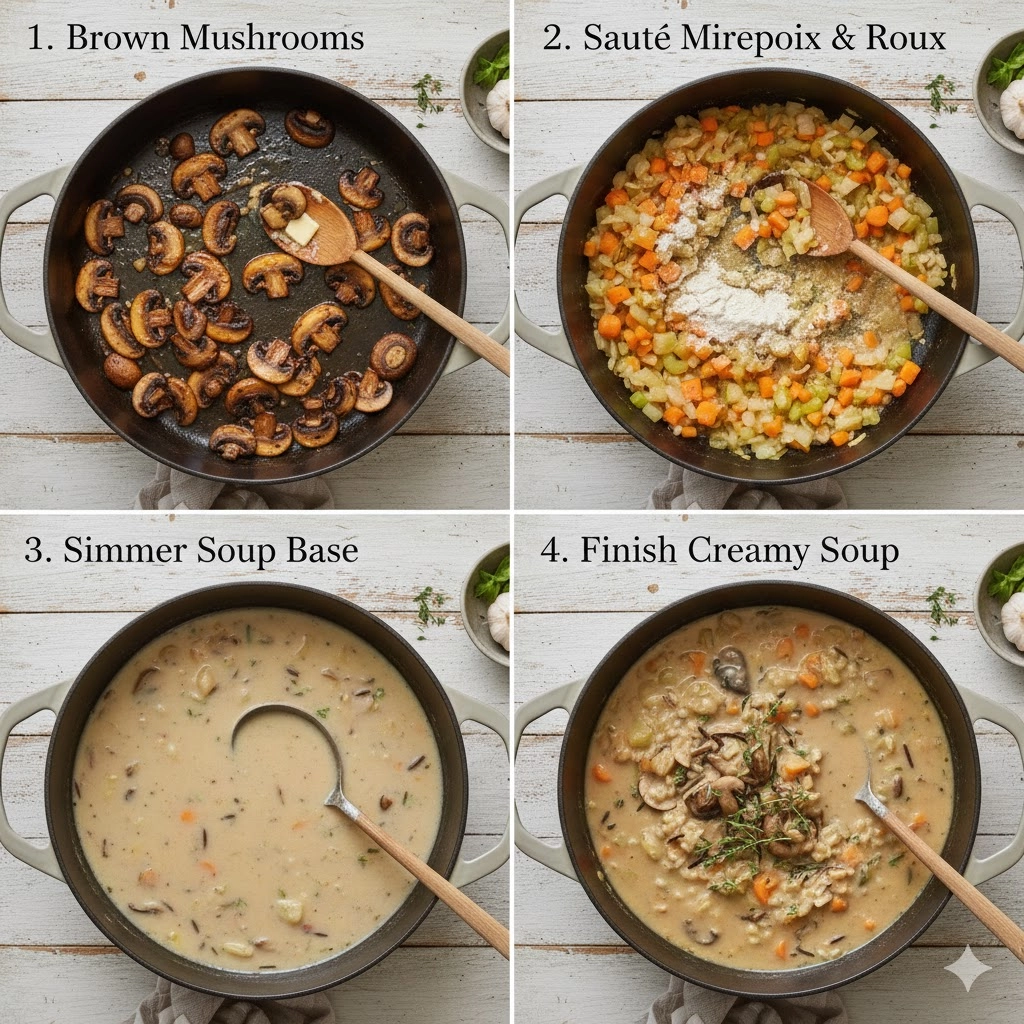
- Brown the Mushrooms: Melt a portion of the butter, sauté the sliced mushrooms until deeply browned, and deglaze with Worcestershire sauce. Set the cooked mushrooms aside.
- Sauté the Mirepoix: Melt the remaining butter and soften the diced onion, celery, and carrot in the same pot.
- Season and Thicken: Add the garlic, herbs, and spices, cooking until fragrant. Sprinkle in the flour, stirring continuously to create a light roux.
- Simmer the Base: Gradually whisk in the chicken broth until smooth. Return the cooked mushrooms and the wild rice blend to the pot.
- Cook the Rice: Bring the mixture to a boil, then reduce the heat, cover the pot, and simmer gently for forty-five to fifty-five minutes, or until the wild rice kernels have burst and are tender.
- Finish the Cream: Remove the soup from the heat, stir in the half-and-half, adjust the final seasoning, and serve immediately.
Detailed Execution: From Sauté to Simmer
The difference between a good soup and a truly memorable soup lies in precision during the initial stages. The following notes guide you through achieving optimal flavor at each critical juncture.
Cultivating Deep Mushroom Flavor
Start by placing a heavy-bottomed Dutch oven or stockpot over medium-high heat. Add two tablespoons of the butter. When the butter foams and then subsides, add the sliced mushrooms. Resist the urge to crowd the pot or stir constantly. Mushrooms are mostly water, and they need room and heat to allow that water to evaporate. For the first few minutes (four to six minutes total), they will release their liquid and appear pale and wilted. Continue cooking without stirring too frequently until that liquid has completely evaporated and the mushrooms start sticking and acquiring a deep, tawny-brown color. This is the Maillard reaction—the essential browning that provides the umami base.
Once they are perfectly browned, pour in the teaspoon of Worcestershire sauce. The acid and fermentation notes in the sauce will immediately lift the sticky brown bits (the fond) from the bottom of the pot. Stir for one to two minutes until the sauce has been fully absorbed by the mushrooms. The aroma at this point should be intensely savory and meaty. Transfer this deep-flavored batch of mushrooms to a clean plate, leaving the pot unrinsed to retain the precious residual flavor.
Building the Roux and Broth Foundation
Add the remaining four tablespoons of butter to the Dutch oven, still over medium-high heat. Introduce the diced onion, celery, and carrot. Cook these aromatics, stirring occasionally, until the onions become translucent and the carrots and celery begin to soften, usually about five to seven minutes. They should smell sweet and earthy.
Next, add the minced garlic, the bulk of the thyme, the sage, smoked paprika, salt, and pepper. Stir constantly for one minute. The garlic should be fragrant, but it is crucial not to let it burn, as this will introduce bitterness. Reduce the heat slightly to medium-low, then sprinkle the flour evenly over the vegetables. Stir the flour thoroughly into the butter and vegetable mixture, cooking for two to three minutes. The mixture, now a very light roux, will look pasty and pale yellow and should smell slightly nutty, like toasted pie crust. This cooking time is non-negotiable for eliminating the raw flour taste.
Slowly, pour in the six cups of chicken broth, whisking vigorously as you go, ensuring there are no lumps of flour. The soup base will transition from a thick paste to a smooth, thin, creamy liquid. Once fully incorporated, return the reserved mushrooms to the pot, along with the cup of wild rice blend. The liquid should be relatively thin at this stage, as the rice will absorb a significant amount.
The Long Slow Simmer
Increase the heat to bring the soup to a gentle boil, then immediately reduce the heat to the lowest setting necessary to maintain a slow, steady simmer—you should see a gentle, infrequent bubble breaking the surface, not a vigorous boil. Cover the pot and let the magic happen. The designated cooking window is between forty-five and fifty-five minutes. Do not lift the lid repeatedly, as this releases steam and heat, slowing the cooking process and potentially yielding unevenly cooked rice.
The only acceptable time to check is around the forty-five minute mark. Sample a few grains of the wild rice. They should be pleasantly tender with the distinct kernel edges slightly split or burst open. If they are still crunchy or too firm, continue simmering, checking every five minutes until they reach the desired consistency. The aroma filling your kitchen should be richly herbal and comforting, a sign that the transformation is complete.
Finishing the Velvety Texture
Once the rice is tender, remove the pot completely from the heat source. This stops the cooking process and prevents the half-and-half from curdling. Stir in the cup of half-and-half until the soup takes on a uniform, pale hue. Taste the soup meticulously. The long simmer can mute initial seasoning, so now is the time to add an extra pinch of salt, a fresh grind of pepper, or perhaps a slight dash more Worcestershire sauce if you desire deeper savoriness. Garnish each bowl with a sprinkle of fresh thyme leaves to provide a bright, herbaceous contrast to the rich base.
Chef’s Guidance: Tips for a Robust Bowl
Achieving a restaurant-quality finish with this Creamy Mushroom Wild Rice Soup requires attention to a few specific details that elevate the overall flavor and texture.
- Prioritize Fresh Herbs: While dried thyme and sage are serviceable, the vibrancy and pungency of fresh herbs, particularly thyme, are essential. Use three times the volume if substituting fresh for dried herbs (e.g., three teaspoons fresh for one teaspoon dried).
- The Cold Water Rinse: Wild rice often comes with a layer of starch or dust. Rinsing the rice under cold running water until the water runs clear, even if briefly, helps ensure a clean, bright flavor in the finished broth.
- Adjusting Consistency: The soup will naturally thicken considerably as the wild rice absorbs liquid and releases starch, especially upon standing. If the leftovers are too thick (more like a stew than a soup), thin it to your preferred consistency by whisking in hot chicken broth or water, a quarter cup at a time, during reheating.
- Embrace Browning, Not Burning: The success of the umami base rests entirely on browning the mushrooms fully. If you must, sauté the mushrooms in two separate batches to prevent overcrowding, which steams them instead of browning them.
- Use Low-Sodium Broth: Since the recipe calls for one teaspoon of salt initially, using low-sodium broth gives you maximum control over the final seasoning. You can always add salt, but you cannot take it away.
- The Half-and-Half Temperature: For the smoothest possible finish, ensure the half-and-half is at room temperature before adding it to the hot soup. Drastic temperature changes increase the risk of the dairy separating or curdling.
- Spice Substitution: If smoked paprika is unavailable, standard sweet paprika works, but you will miss the subtle, smoky depth. Consider adding a small pinch of chipotle powder (less than one eighth teaspoon) for a whisper of smokiness and heat if necessary.
Flavor Modifications and Ingredient Swaps
This hearty soup base is extremely adaptable. Once you master the foundational method, you can easily shift the flavor profile or accommodate dietary needs.
- Make it Vegan/Vegetarian: Substitute the six tablespoons of butter with a high-quality vegan butter or olive oil. Swap the chicken broth for vegetable broth. The single teaspoon of Worcestershire sauce, which often contains anchovies, should be replaced with a mixture of one half teaspoon soy sauce (or tamari for gluten-free) and one half teaspoon balsamic vinegar to retain the savory, acidic depth.
- Adding Protein: This is a perfect dish for using leftover cooked poultry. Stir in two cups of shredded turkey, rotisserie chicken, or diced ham during the final ten minutes of simmering. For a richer flavor, consider browning a pound of mild Italian sausage or ground chicken and adding it when you add the mirepoix vegetables.
- Cheese Infusion: To enhance the richness further, stir in one half cup of freshly grated Parmesan or Gruyère cheese just before you add the half-and-half. This adds a sharpness and complexity that complements the mushrooms beautifully.
- Different Greens: Introduce hearty greens for color and texture. Stir in two cups of finely chopped, de-ribbed kale or spinach five minutes before the soup is done simmering.
- Mushroom Variety: Substitute or combine the cremini mushrooms with more exotic varieties like shiitake (for intensified umami) or oyster mushrooms (for a softer texture). Ensure any substituted mushroom variety is properly wiped clean and sautéed until fully browned.
What to Serve Alongside
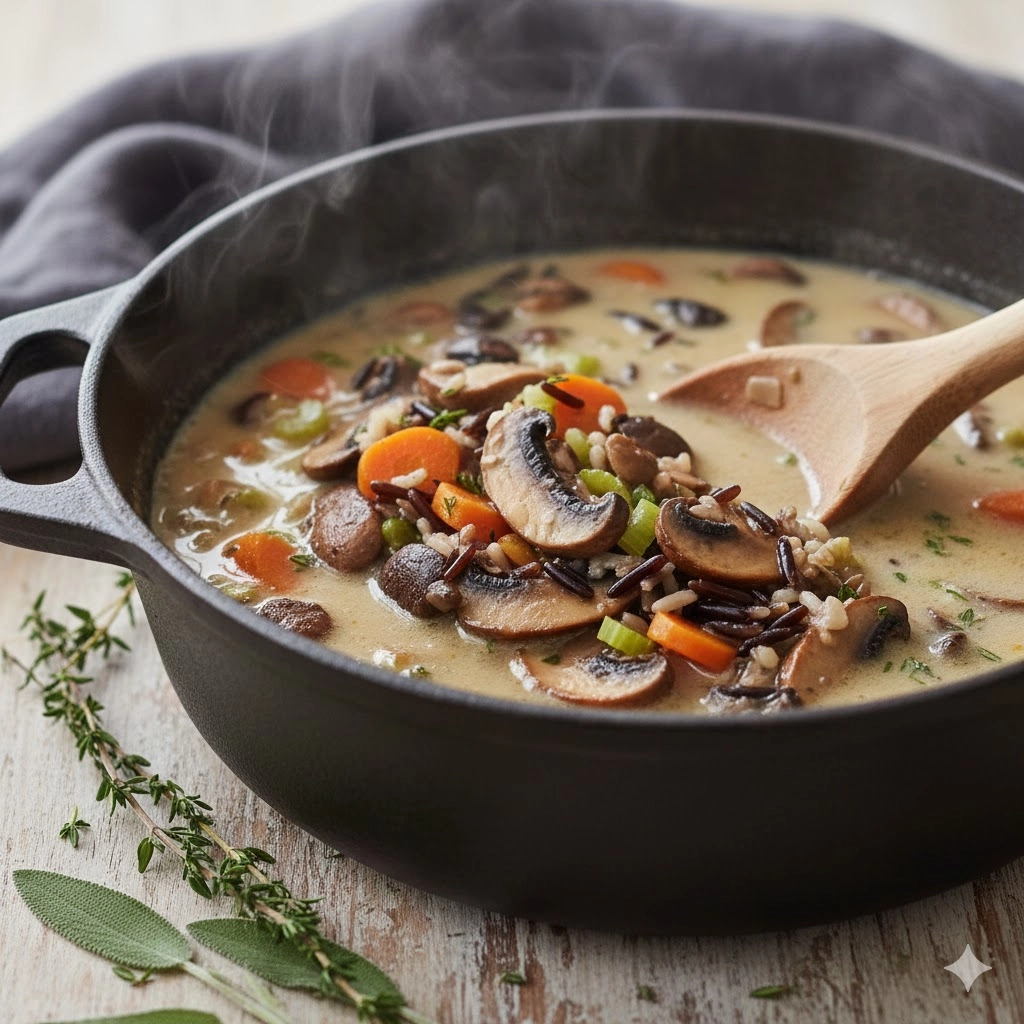
Because this soup is so deeply satisfying and robust, the best accompaniments are those that offer a slight textural or flavor contrast.
- Crusty Bread for Dipping: A thick slice of artisanal sourdough or a French baguette is ideal. The slightly sour tang of sourdough cuts through the richness of the creamy broth, while the sturdy crust is perfect for soaking up the remaining liquid.
- Simple Green Salad: A light, peppery salad dressed simply with a bright vinaigrette (like lemon and olive oil) provides a crisp, fresh contrast to the soup’s warmth and richness. Keep the greens simple—baby arugula or mixed field greens are sufficient.
- Savory Biscuits: Rich, flaky buttermilk biscuits or drop biscuits studded with chives or cheddar cheese are a delightful, comforting pairing. They offer a buttery counterpoint to the herbal notes in the soup.
- Panini or Grilled Cheese: For an especially hearty meal, pair the soup with a classic grilled cheese sandwich using sharp cheddar and provolone. The warm, crispy exterior provides a lovely textural foil to the soup’s velvety interior.
Common Queries from the Kitchen
A selection of answers to the most common questions that arise when preparing or handling wild rice soup.
Can I use pre-cooked wild rice?
Yes, but you must adjust the cooking method and total cook time. If using already-cooked wild rice, you only need to simmer the soup for twenty to thirty minutes to allow the flavors to meld, and then add the cooked rice during the last ten minutes of that simmer. Using pre-cooked rice will reduce the amount of liquid the rice absorbs, so you may need to reduce the initial broth measurement by one cup.
How do I store leftovers, and how long do they last?
The soup stores well in an airtight container in the refrigerator for up to three days. Note that rice continues to absorb liquid as it cools, so the soup will thicken significantly. When reheating, it is essential to thin the soup back down to your preferred consistency by stirring in a few tablespoons of water or chicken broth.
Is it safe to freeze the Creamy Mushroom Wild Rice Soup?
While soups containing dairy can sometimes separate upon thawing, this recipe’s high ratio of broth to half-and-half makes it a decent candidate for freezing. Ensure the soup is fully cooled before transferring it to a freezer-safe container. It can be frozen for up to three months. To maintain the best texture, thaw it overnight in the refrigerator before gently reheating on the stovetop.
What is the best type of flour to use for the roux?
Standard all-purpose wheat flour is the optimal choice for creating the roux base in this recipe. Its starch content provides reliable thickening and a neutral flavor. For gluten-free alternatives, a one-to-one gluten-free blend works, or you can use a cornstarch slurry (two tablespoons cornstarch mixed with three tablespoons cold water) added at the end instead of the initial roux step.
Nutritional Breakdown
The following table provides an approximate analysis of the recipe based on the ingredients listed.
| Nutrient | Amount per Serving |
| Calories | 315 kcal |
| Protein | 11 g |
| Carbs | 33 g |
| Fat | 15 g |
| Fiber | 3 g |
| Sugar | 4 g |
| Sodium | 550 mg |
Disclaimer
Nutrition information is an estimate and may vary based on preparation and ingredients used.
PrintThe Ultimate Creamy Mushroom Wild Rice Soup
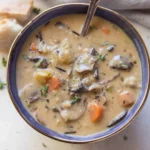
A deeply savory and satisfying Creamy Mushroom Wild Rice Soup featuring caramelized cremini mushrooms, a rich herb-infused broth, and a velvety finish. Perfect for a cozy, hearty meal.
- Prep Time: 15 mins
- Cook Time: 1 hour 10 mins
- Total Time: 1 hour 25 mins
- Yield: 8 servings 1x
- Category: Soup
- Method: Stovetop
- Cuisine: American
Ingredients
6 tablespoons unsalted butter, divided
8 ounces cremini mushrooms, cleaned and sliced
1 teaspoon Worcestershire sauce
1 medium yellow onion, finely diced
1 cup chopped celery
1 cup chopped carrots
2 teaspoons fresh garlic, minced
1 tablespoon fresh thyme leaves, divided
1 teaspoon rubbed sage
1 teaspoon smoked paprika
1 teaspoon fine sea salt, plus more to taste
One half teaspoon freshly ground black pepper, plus more to taste
One third cup all-purpose flour
1 cup uncooked wild rice blend
6 cups low-sodium chicken broth
1 cup half-and-half or whole milk
Instructions
1. Melt 2 tablespoons of butter in a Dutch oven over medium-high heat. Add mushrooms and cook, stirring occasionally, until they are deeply browned and have absorbed the liquid (about 6-8 minutes). Stir in Worcestershire sauce for 1-2 minutes until absorbed. Transfer mushrooms to a plate and set aside.
2. Melt the remaining 4 tablespoons of butter in the same pot. Add onion, celery, and carrot. Cook for about 5-7 minutes until softened.
3. Add garlic, thyme, sage, smoked paprika, salt, and pepper. Cook for 1 minute until fragrant. Sprinkle in the flour and stir continuously for 2-3 minutes to cook the raw flour taste out and create a light roux.
4. Slowly whisk in the chicken broth until smooth. Return the cooked mushrooms and the uncooked wild rice blend to the pot. Increase heat to bring to a boil, then reduce heat to low, cover, and simmer for 45-55 minutes, or until the wild rice is tender.
5. Remove the pot from the heat. Stir in the half-and-half until well incorporated. Taste and adjust seasoning with additional salt and pepper as needed. Garnish with fresh thyme and serve.
Notes
The soup will thicken considerably upon cooling; thin with extra broth or water when reheating.
Substitute chicken broth with vegetable broth for a vegetarian option.
Pre-soaking the wild rice is not required, but it will help ensure even cooking.
Nutrition
- Serving Size: 1 bowl
- Calories: 315
- Sugar: 4g
- Sodium: 550mg
- Fat: 15g
- Carbohydrates: 33g
- Fiber: 3g
- Protein: 11g