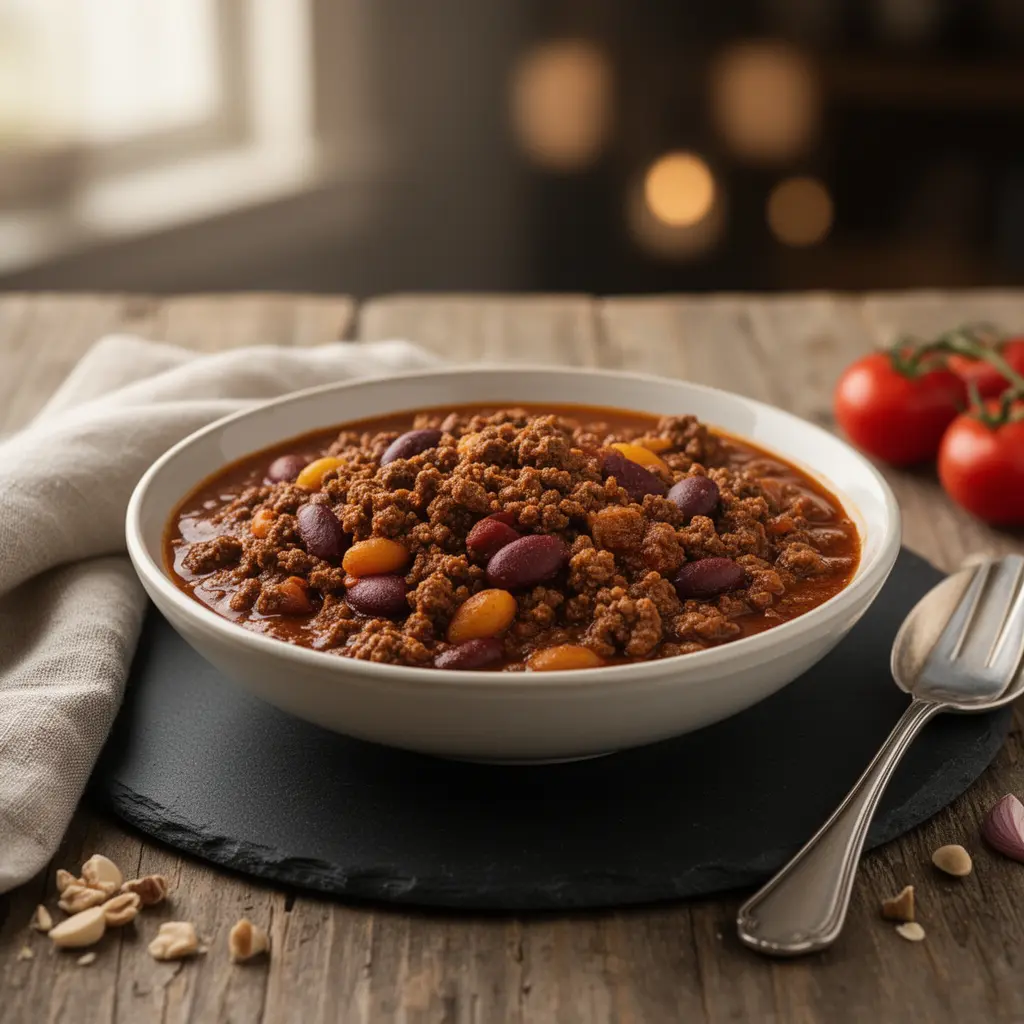
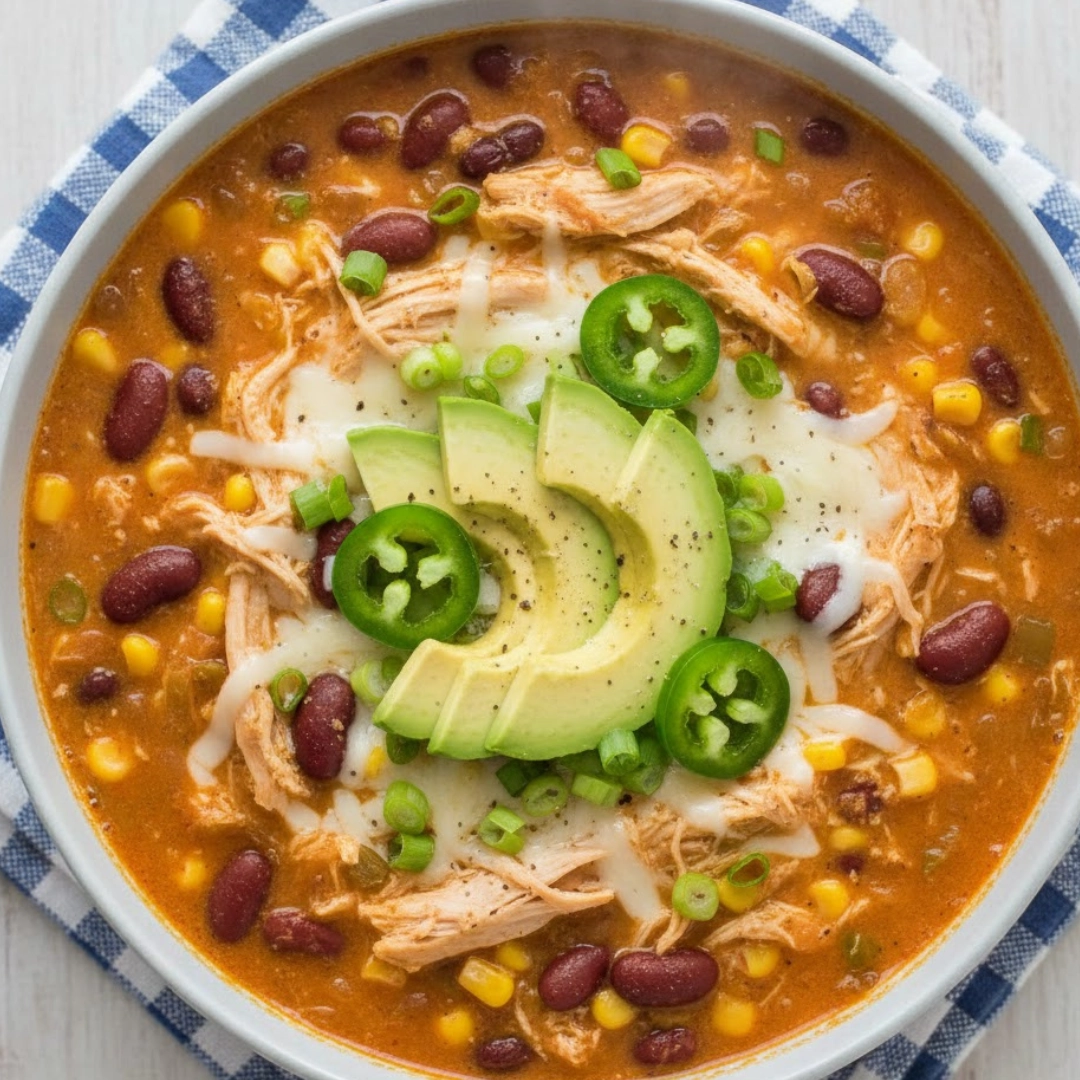
There are few dishes that manage to feel simultaneously restorative and celebratory, but a perfectly executed, rich bowl of Creamy Chicken Enchilada Soup achieves just that. This is more than a simple weeknight meal; it’s a deep dive into the robust, savory heart of Southwestern cuisine, translated into a smooth, warming liquid form. Imagine the essence of your favorite red chile enchiladas—the complex smokiness, the bright tomato notes, the tender shreds of chicken, and the velvety richness of a melted cheese sauce—all contained within a single, comforting spoonful. This recipe is designed to elevate those familiar flavors by focusing on layering aromatics and spices correctly, ensuring every element contributes maximum depth to the final product. It’s an ideal dish for cool evenings or for gathering a crowd around a meal that feels both generous and utterly effortless to prepare.
This particular preparation emphasizes technique to create a soup that is thick without being heavy, and intensely flavored without relying on shortcuts. The secret to its incredible texture is a two-part process: first, building a foundational soffrito of deeply cooked vegetables and toasted spices, and second, employing an immersion blender to emulsify those soft vegetables into the broth itself. This ensures that the creaminess comes primarily from the inherent ingredients, resulting in a cleaner, brighter flavor than simply relying on heavy dairy.
Table of Contents
The Essential Components for a Deep Flavor Base
A great soup begins with great sourcing and mise en place. These ingredients are designed to deliver complex flavor layers, from the smoky base to the final herbaceous brightness.
For the Aromatic Base:
- Two tablespoons unsalted butter or a high-heat cooking oil (such as avocado oil)
- One medium yellow onion, finely diced
- Two medium carrots, peeled and finely diced
- Two celery stalks, finely diced
- Four cloves garlic, minced
The Spice and Tomato Blend:
- One tablespoon ground chili powder
- One and one half teaspoons ground cumin
- One teaspoon dried oregano, preferably Mexican oregano
- One fourth cup tomato paste
- One fifteen-ounce can fire-roasted diced tomatoes, undrained
The Liquid and Protein:
- Six cups low-sodium chicken broth
- One cup water, or additional broth
- Three cups cooked, shredded chicken (rotisserie chicken works excellently here)
- One fifteen-ounce can black beans, rinsed and drained
- One fifteen-ounce can kidney beans, rinsed and drained
- One cup frozen or fresh sweet corn kernels
For Finishing and Texture:
- One cup heavy cream (or half-and-half for a lighter finish)
- Kosher salt and freshly ground black pepper, to taste
- Optional: One fourth cup fresh cilantro, chopped, for garnish
- Optional: Lime wedges, for serving

The Process: Building the Soup’s Rich Foundation
This recipe is structured around key stages—sautéing, blooming, simmering, and blending—which are essential for developing a multi-dimensional flavor. Follow these numbered steps for a high-level overview before diving into the detailed section.
- Sauté the Aromatics: In a heavy-bottomed pot or Dutch oven, melt the butter over medium heat. Add the diced onion, carrots, and celery. Cook gently until the vegetables are softened and the onions are translucent, which typically takes seven to nine minutes.
- Bloom the Spices and Paste: Add the minced garlic, chili powder, cumin, and oregano to the pot. Stir continuously for one minute until the spices are highly fragrant. Stir in the tomato paste and continue cooking for two more minutes, allowing the paste to deepen in color.
- Build the Broth Base: Pour in the canned diced tomatoes, chicken broth, and water. Stir well to scrape up any browned bits from the bottom of the pot. Bring the mixture to a rolling boil, then reduce the heat immediately.
- Simmer for Flavor Fusion: Cover the pot and allow the soup to simmer gently for fifteen to twenty minutes. This low and slow period is crucial for melding the chile and tomato flavors into the broth.
- Achieve Velvety Creaminess: Remove the pot from the heat. Use an immersion blender to carefully blend about one half to two thirds of the soup mixture until it is smooth and velvety. Alternatively, carefully ladle portions into a standard blender. Return the pot to the stove.
- Incorporate Final Ingredients: Stir in the shredded chicken, black beans, kidney beans, and corn. Allow the soup to heat through completely, five to seven minutes.
- Finish with Cream and Seasoning: Remove the soup from the heat again. Stir in the heavy cream until fully incorporated. Taste and adjust the seasoning generously with kosher salt and black pepper until the flavors are fully brightened.
- Serve: Ladle the soup into bowls and serve immediately with desired garnishes.

Achieving Depth and Velvety Texture: A Step-by-Step Guide
The difference between a good soup and a truly memorable one lies entirely in the execution of the initial steps. Paying close attention to the texture, aroma, and color changes in the pot will yield a deeply satisfying dish.
The Art of the Aromatics Sauté
The foundation of any great soup is the soffrito—the slow cooking of the aromatic vegetables. Do not rush this step. After melting the butter or oil over medium heat, add the trinity of onion, carrot, and celery. The goal here is not to brown or caramelize the vegetables, but to soften them completely, releasing their sweet, fundamental flavors into the fat.
You know you are done when the onions become fully translucent, almost melting into the fat, and the carrots lose their rigid appearance. This should take close to nine minutes. Rushing this stage and adding the liquid too early results in crunchy vegetables floating in the soup, which will compromise the final creamy texture. Pay attention to the sound; a gentle, steady sizzle is what you are aiming for, not a frantic crackling. If the pan seems too hot, turn the heat down slightly and add a splash of broth if anything begins to stick.
Toasting Spices and Blooming the Paste
This is the most critical step for developing an authentic, complex profile for the Creamy Chicken Enchilada Soup. Once the aromatics are softened, push them aside briefly and add the minced garlic. Cook the garlic for just one minute—it should be fragrant, not browned or burnt, as burnt garlic turns bitter.
Next, incorporate the chili powder, cumin, and oregano. The act of cooking dried spices in oil (known as blooming) fundamentally changes their character. The heat releases the volatile oils trapped inside the dried spice particles, intensifying their aroma and depth. Stir the spices constantly with the vegetables for sixty seconds. The color of the mixture will deepen from a dull red to a rich, earthy crimson, and the aroma will become instantly more pronounced and smoky.
Follow this by stirring in the tomato paste. Tomato paste is essentially concentrated flavor, but it must be cooked—or “caramelized”—to remove its metallic, raw edge and bring out its deep umami sweetness. Cook the paste and the spices together for two full minutes, allowing the mixture to coat the bottom of the pot. This creates a powerful flavor layer, a critical base upon which the rest of the soup will build.
The Simmer for Layered Taste
Once you have added the broth and the canned tomatoes, scrape the bottom of the pot vigorously with a wooden spoon to loosen any browned bits—this is called deglazing, and those caramelized pieces are pure flavor. Bring the soup up to a boil, then immediately drop the heat until it is just barely bubbling—a gentle simmer.
Simmering for fifteen to twenty minutes is essential. This is the period where the water content reduces slightly, concentrating the flavors, and the fibers in the vegetables continue to break down, which is key for the later blending step. Do not skip or shorten this time. If the aroma filling your kitchen is rich, earthy, and slightly sweet, you are on the right track.
The Secret to True Creaminess
The truly differentiating factor in this recipe is how the creamy texture is achieved. Rather than relying solely on a massive quantity of heavy cream or cheese, this method leverages the natural starches and cooked vegetable fibers.
After the simmering period, remove the pot completely from the heat. Carefully use an immersion blender and pulse it through the soup, focusing on the vegetable-dense areas. The goal is not to create a thin, homogeneous liquid, but to thicken the liquid component of the soup by breaking down the cooked carrots, onions, and beans (if added early) into a velvety puree that disperses throughout the broth. Leave roughly one third of the soup completely unblended to ensure a pleasant, hearty texture, allowing for visible pieces of chicken and corn.
Once the desired texture is achieved, return the pot to low heat, and stir in the pre-cooked chicken, corn, and beans. Do not boil the soup once the chicken is added; simply heat it through. Finally, just before serving, remove the pot from the heat and stir in the heavy cream. Adding the cream off the heat prevents the risk of curdling and keeps the finished texture silky smooth. The fat in the cream will combine with the emulsified vegetable matter, creating a texture that feels rich and decadent while still tasting clean.
Expert Adjustments and Flavor Mastery
Even a simple soup can be improved with a few professional insights that refine the flavor and execution. These tips are designed to take your enchilada soup from delicious to outstanding.
- Roast Your Vegetables: For an even deeper, more roasted flavor profile, toss the diced onions, carrots, and bell peppers (if using) with a tablespoon of olive oil, salt, and pepper. Roast them on a sheet pan at four hundred twenty-five Fahrenheit for twenty minutes before adding them to the pot. This caramelization adds a significant layer of depth that cannot be achieved through simple sautéing.
- Use Homemade Stock: While boxed broth is convenient, making your own chicken stock from scratch adds an unparalleled richness and savory complexity. If using store-bought, opt for a low-sodium, high-quality bone broth for increased body and flavor concentration.
- The Lime Brightener: The final flavor pop of any Southwestern dish should come from acid. When you taste and adjust the seasoning at the end, add a squeeze of fresh lime juice (one teaspoon to start) to the entire pot. This subtle acidity lifts the heavy, earthy chili flavors and makes the soup taste fresh and vibrant.
- Consider Chipotles: If you enjoy a smoky heat, consider pureeing one or two canned chipotle peppers in adobo sauce along with the fire-roasted tomatoes. This introduces both heat and a profound layer of wood smoke that complements the cumin and chili powder beautifully.
- Finish with Fresh Herbs: Cilantro is not just a garnish; it is a finishing herb. Stirring a good handful of chopped fresh cilantro into the soup at the very end, right before serving, introduces an herbaceous freshness that cuts through the creaminess. Do not cook it—it should remain bright and aromatic.
- Grinding Your Own Spices: If you have whole dried cumin seeds or Mexican oregano, quickly toasting them in a dry pan for thirty seconds and grinding them fresh will release far more potent flavors than pre-ground spices. The difference is noticeable and worth the small effort.

Adaptations for Different Kitchens and Diets
This recipe is inherently flexible and can be easily modified to suit specific preferences, dietary needs, or simply the time you have available.
- Make it Vegetarian: Omit the chicken and replace the chicken broth with vegetable broth. To maintain the hearty texture, increase the amount of beans (add a can of cannellini or pinto beans) and consider adding one cup of diced sweet potato or zucchini during the simmering stage.
- Swap the Protein: This recipe works beautifully with other cooked proteins. Use shredded pork carnitas, ground turkey, or leftover rotisserie turkey from a holiday meal. If using ground meat, brown it fully and drain the fat before starting the aromatic sauté.
- Dairy-Free Creaminess: To achieve the signature texture without heavy cream, substitute the dairy with one can of full-fat coconut milk (stirred well to incorporate the cream) or a plant-based unsweetened cashew cream. The neutral flavor of both options allows the chili profile to remain dominant.
- Slow Cooker Variation: Perform the initial sauté and spice-blooming steps (Steps 1 and 2) on the stovetop—this flavor base is non-negotiable. Transfer the contents to the slow cooker, add the broth, tomatoes, and beans (if using uncooked chicken). Cook on low for six hours. Add the corn, blend (if desired), and stir in the cooked chicken and cream in the last thirty minutes.
- Add Grain Body: For a heartier meal, stir in one cup of cooked white rice or quinoa along with the beans and corn. This helps soak up the liquid and thickens the soup further, making it a complete bowl meal.
Plating and Presentation Ideas
Soup is a textural canvas, and the final presentation is what truly completes the dining experience. Focus on contrasts in color, crunch, and temperature.
- The Classic Topping Bar: Create a small station that allows guests to customize their bowl. Essential toppings include shredded Monterey Jack or cheddar cheese, a dollop of sour cream or Greek yogurt, finely sliced jalapeños (raw or pickled), and plenty of chopped fresh cilantro.
- Crunch and Texture: Introduce texture with broken-up tortilla chips, homemade baked tortilla strips, or crispy fried onions. The crunch offers a fantastic counterpoint to the velvety soup.
- Avocado and Lime: Place one or two slices of fresh avocado or a small scoop of chunky guacamole directly on the surface of the hot soup. The green color provides a beautiful visual contrast to the deep red broth, and the fat content of the avocado mellows the spice. A lime wedge should always accompany the bowl for that final, crucial squeeze of acid.
- Side of Cornbread: Serve the soup alongside a square of freshly baked, warm jalapeño cornbread. The slightly sweet, moist cornbread is perfect for dipping and soaking up the rich broth.
Common Questions from the Kitchen
We answer the most frequent inquiries to ensure your cooking experience is smooth and successful.
How do I make the soup thicker without adding more cream?
The best way to naturally thicken this soup is to ensure you blend a substantial portion of the cooked vegetables and beans into the broth. If you need additional body, remove one cup of the broth, whisk in two tablespoons of cornstarch or all-purpose flour until smooth, and stir this slurry back into the simmering soup, allowing it to cook for five minutes until thickened.
Can I make this soup ahead of time?
Absolutely. This enchilada soup tastes even better the day after it is prepared, as the spices have more time to fully infuse the liquid. Prepare the soup completely, but hold off on adding the heavy cream until you are ready to serve. Store the soup base in an airtight container in the refrigerator for up to four days, then gently reheat on the stovetop and stir in the cream just before serving.
What kind of chicken is best to use?
The ideal choice is a store-bought rotisserie chicken, shredded. It is already perfectly seasoned and saves significant time. If cooking your own, poach boneless, skinless chicken breasts in salted chicken broth until they reach an internal temperature of one hundred sixty-five Fahrenheit, then shred them easily with two forks.
Why did my cream curdle when I added it?
Dairy will often curdle if it is added directly to a furiously boiling soup, or if it is subjected to high heat for too long, especially if the soup base is highly acidic. To prevent this, always remove the pot from the heat before stirring in the cream, and ensure the cream itself is not ice cold directly from the refrigerator—let it come to room temperature briefly, if possible.
Can I freeze leftover soup?
Yes, this soup freezes extremely well. However, you must freeze the soup base before adding the heavy cream. Once the soup base is cooked, portion it into freezer-safe containers, leaving headspace for expansion. It can be kept frozen for up to three months. To serve, thaw it overnight, reheat on the stovetop, and then stir in the heavy cream and adjust seasoning.
Nutrition Profile: Estimated Per Serving
The following values are estimations based on the ingredients and yields listed above.
| Nutrient | Amount per Serving |
| Calories | 420 kcal |
| Protein | 36 g |
| Carbs | 40 g |
| Fat | 15 g |
| Fiber | 10 g |
| Sugar | 6 g |
| Sodium | 690 mg |
Nutrition information is an estimate and may vary based on preparation and ingredients used.
PrintCrafting the Ultimate Creamy Chicken Enchilada Soup

This irresistibly creamy garlic parmesan chicken pasta is the ultimate comfort food. Ready in 30 minutes with juicy chicken and a velvety sauce.
- Prep Time: 10 mins
- Cook Time: 20 mins
- Total Time: 30 mins
- Yield: 4 servings 1x
- Category: Dinner
- Method: Stovetop
- Cuisine: American
Ingredients
2 boneless chicken breasts
3 tbsp butter
4 garlic cloves, minced
1½ cups heavy cream
1 cup freshly grated parmesan
8 oz penne or fettuccine
Salt & pepper to taste
1 tsp Italian seasoning
Fresh parsley (optional)
Instructions
1. Cook pasta according to package directions. Drain and set aside.
2. Season chicken with salt, pepper, and Italian seasoning.
3. In a large skillet, melt 1 tbsp butter over medium heat. Sear chicken until golden and cooked through. Remove and slice.
4. In the same skillet, add remaining butter and sauté garlic for 30 seconds.
5. Add heavy cream and bring to a simmer.
6. Stir in parmesan cheese and cook until melted and thickened.
7. Return chicken to skillet and add cooked pasta. Toss to coat.
8. Garnish with parsley and extra parmesan. Serve hot.
Notes
Use fresh parmesan for best results.
Add spinach or mushrooms for variation.
Store leftovers in an airtight container for up to 4 days.
Nutrition
- Serving Size: 1 bowl
- Calories: 620
- Sugar: 2g
- Sodium: 480mg
- Fat: 38g
- Saturated Fat: 20g
- Unsaturated Fat: 14g
- Trans Fat: 0g
- Carbohydrates: 45g
- Fiber: 2g
- Protein: 32g
- Cholesterol: 135mg