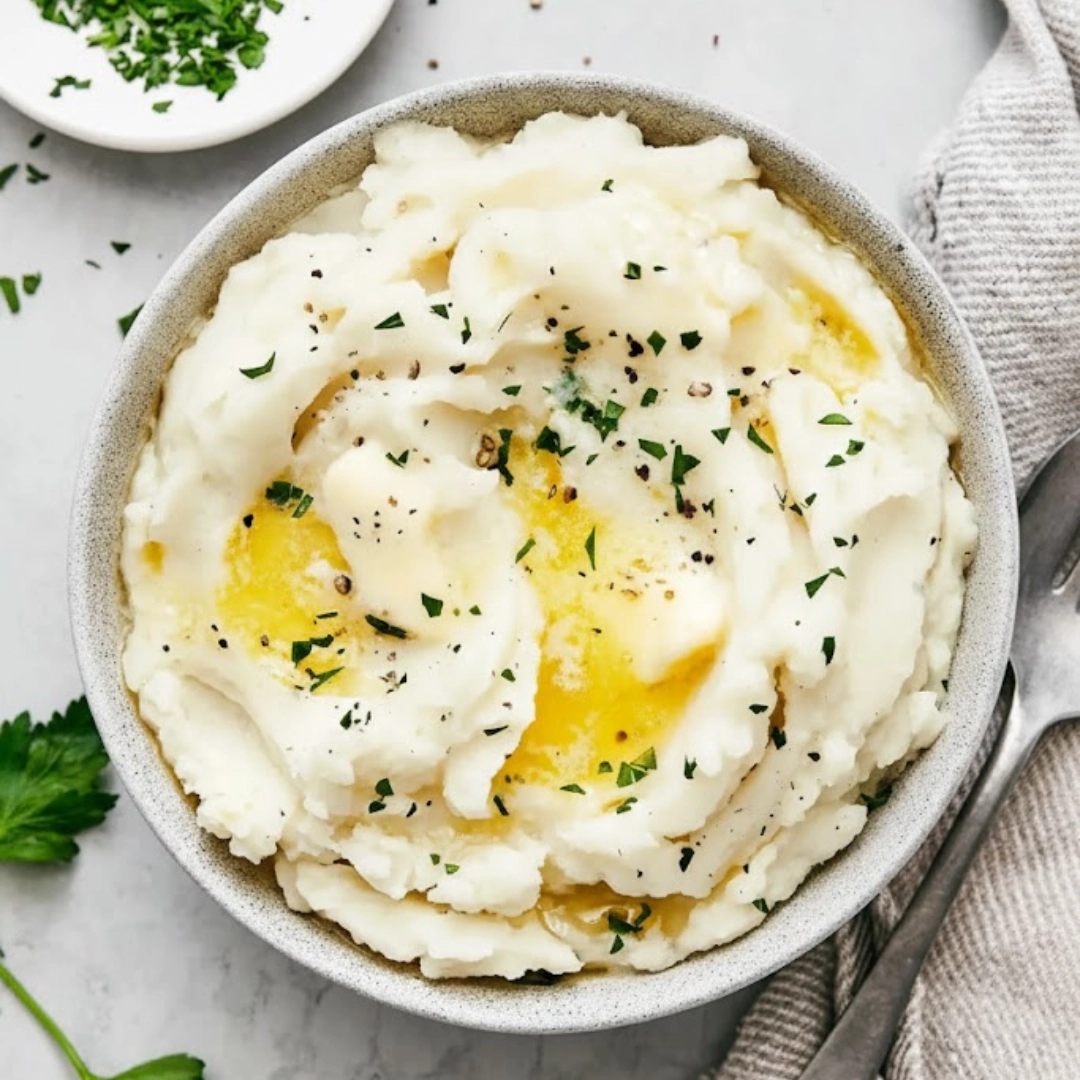
Mashed potatoes stand as the uncontested sovereign of side dishes. While deceptively simple in composition—potatoes, dairy, fat, and salt—achieving that perfect, cloud-like texture and balanced richness requires attention to detail. This is not just a dish for holidays; it is a year-round staple, capable of elevating a simple weeknight roast or grounding a complex culinary centerpiece. The foundation of this dish is a true celebration of the humble potato, transforming starchy tubers into a velvety purée that serves as the ultimate backdrop for sauces, gravies, or simply an extra spoonful of melted butter. When executed properly, these Classic Mashed Potatoes are irresistibly smooth, intensely flavorful, and undeniably comforting.
Table of Contents
Essential Components for a Flawless Purée
The quality of your finished dish is entirely dependent on the starting ingredients. Select high-starch potatoes, high-quality dairy, and a generous amount of butter for the best result. This recipe is designed to serve six to eight people generously.
Potatoes and Preparation
- Three pounds (about 1.4 kilograms) Russet or Idaho potatoes (high starch is key)
- Two teaspoons kosher salt (for the cooking water)
Dairy and Fat
- Eight tablespoons (one stick or 113 grams) unsalted butter, cut into cubes
- One cup whole milk or half-and-half (240 milliliters)
- One half teaspoon freshly cracked white pepper (or black pepper)
- One teaspoon fine sea salt, or more to taste
- Optional: One quarter teaspoon freshly grated nutmeg (adds warmth and depth)

The Craft of Creaminess: High-Level Cooking Process
Follow these steps for quick and successful preparation. The most critical element is ensuring the potatoes are thoroughly dry and the dairy mixture is warm before combining.
- Prep the Potatoes: Peel the potatoes entirely and cut them into uniform two-inch cubes. Place the prepared potatoes into a large pot and cover them with cold water by two inches. Add the two teaspoons of kosher salt.
- Boil Until Tender: Place the pot over high heat and bring the water to a rapid boil. Reduce the heat slightly and continue to cook for fifteen to twenty minutes, or until the potatoes are completely fork-tender.
- Prepare the Emulsion: While the potatoes cook, combine the butter and milk in a separate small saucepan. Heat this mixture over medium-low heat until the butter is completely melted and the milk is warm to the touch (but not boiling). Remove from heat and set aside.
- Drain and Dry: Once cooked, immediately drain the potatoes using a large colander. Return the drained potatoes to the empty, hot pot, placing it back over low heat for sixty seconds to flash-dry the excess surface moisture. Shake the pot occasionally to prevent sticking.
- Initial Mash: Remove the pot from the heat. Use a potato ricer or food mill to process the hot, dried potatoes back into the pot. If you do not have a ricer, use a sturdy hand masher.
- Incorporate Dairy: Pour approximately half of the warm milk and butter mixture over the mashed potatoes. Using a wooden spoon or a rubber spatula, gently fold and stir the liquid into the potatoes.
- Finalize the Texture: Continue adding the remaining milk mixture, a small splash at a time, until the desired level of creaminess is achieved. The final texture should be light, airy, and fluffy, not gluey or thin.
- Season and Finish: Stir in the fine sea salt, white pepper, and optional nutmeg. Taste the potatoes and adjust the seasoning as needed before serving immediately.

Deep Dive into the Potato Preparation and Mashing Techniques
The difference between mediocre, gluey mash and transcendent, fluffy potatoes lies in the details of how you handle the starch. Understanding the science behind the process ensures success every time.
Starting with Cold Water
Always start your potatoes in cold water, covering them by at least two inches. If you drop raw potato cubes into already boiling water, the outside edges cook and soften rapidly, while the center remains hard and undercooked. By placing them in cold, salted water and gradually bringing it to a boil, you ensure that the entire potato chunk heats up evenly, leading to uniform doneness. When testing for doneness, a paring knife should slide into the thickest piece without any resistance.
The Starch Problem and Drying Step
Potatoes, especially high-starch varieties like Russets, contain starch granules. When these granules are heated, they swell, and when they are over-mixed, they rupture, releasing sticky amylopectin. This is the chemical reaction that causes gluey, pasty potatoes.
The secret to truly fluffy and luxurious Classic Mashed Potatoes is the drying step. After draining, returning the hot potatoes to the warm pot over low heat for a minute allows the residual moisture on the surface of the potato pieces to evaporate. This process concentrates the potato flavor and, more importantly, reduces the amount of free liquid that might encourage starch rupture during the mashing process. Watch for wisps of steam coming off the potatoes—that’s your cue that they are ready to mash.
Tool Selection: Ricer Versus Masher
The tool you choose for mashing is crucial. A potato ricer or a food mill is the absolute best option. These tools force the cooked potato through small holes, separating the starch granules gently while preserving their structure. This results in an incredibly light, airy, and fluffy texture, minimizing the risk of a dense or sticky mash.
If using a hand masher, use a simple up-and-down motion and stop the moment the potatoes are broken down. Do not overwork them. If you prefer a whip-like texture, use a stand mixer with the paddle attachment on the lowest speed for only thirty seconds or less, incorporating the warm dairy and stopping immediately after the liquid is absorbed. Over-mixing with an electric mixer is the number one cause of potato glue.
Temperature Management of the Emulsion
When you introduce cold butter and milk to hot potatoes, the temperature of the mash immediately drops. This cold shock can tighten the starches and lead to a less creamy result. By warming the milk and melting the butter gently beforehand, you ensure that the dairy is absorbed seamlessly into the hot potatoes, maintaining their warmth and creating a perfectly smooth, luscious emulsion without any graininess or separation.
Chef’s Notebook: Elevating Your Mash
Achieving expert-level mashed potatoes consistently requires mastering a few key techniques beyond the basic recipe. These tips focus on maximizing flavor and texture control.
- Pre-Season the Cooking Water: Do not skimp on salt in the boiling water. The salt permeates the potato as it cooks, seasoning it from the inside out. Use water that tastes “like the ocean” to achieve a deep, internal seasoning layer. You will still need to finish with salt, but this step is foundational.
- Clarify Your Butter for Purity: For the cleanest flavor, consider clarifying your butter (removing the milk solids) before adding it. This intensifies the pure butter flavor without any water content or potential graininess from the solids, resulting in an even silkier mash.
- The Roasted Garlic Infusion: Before warming your milk and butter, smash four or five cloves of peeled garlic and simmer them gently in the dairy mixture for five minutes. Strain the milk and butter before adding it to the potatoes. This creates a subtle, deeply savory garlic aroma without the harshness of raw garlic.
- Use Full-Fat Dairy: While it may seem indulgent, using whole milk, half-and-half, or even heavy cream will yield the most luxurious, restaurant-quality mash. The high fat content is what prevents the starches from binding too tightly and provides that signature creamy mouthfeel.
- Keep Them Warm: Mashed potatoes lose their texture and luster quickly as they cool. To hold them for up to thirty minutes, place the serving bowl over a double boiler (a pot of simmering water) or transfer them to a slow cooker set to the “Keep Warm” setting, stirring occasionally.
Flavor Frontiers: Simple Ingredient Swaps and Additions
While the classic recipe is perfect on its own, this foundational preparation lends itself beautifully to creative adjustments.
- Herbal Cream Cheese Mash: Substitute one quarter of the butter with four ounces of softened plain or herb-and-garlic flavored cream cheese. Add this in during the final mixing stage for a tangy, extra-rich flavor profile and dense texture.
- Brown Butter and Sage: Melt the eight tablespoons of butter until it turns a hazelnut brown color and smells nutty. Immediately pour it off the heat and whisk in two tablespoons of fresh sage leaves, finely chopped. Use this browned butter, along with the warm milk, to flavor the potatoes.
- Horseradish and Chive: Add two tablespoons of prepared (jarred) horseradish and a half cup of chopped fresh chives to the finished mash. The horseradish adds a subtle, pleasant heat that cuts through the richness, making them an ideal pairing for steak or roast beef.
- Vegan/Dairy-Free Adaptation: Substitute the dairy milk with an unsweetened, unflavored plant-based milk such as oat or cashew milk. Replace the unsalted butter with a high-quality vegan butter substitute. The amount of liquid may need slight adjustment, but the technique remains the same.
Presentation and Pairing: How to Serve This Side Dish
The visual appeal of mashed potatoes is just as important as the taste. They are a versatile vehicle for flavor and complement nearly all savory main dishes.
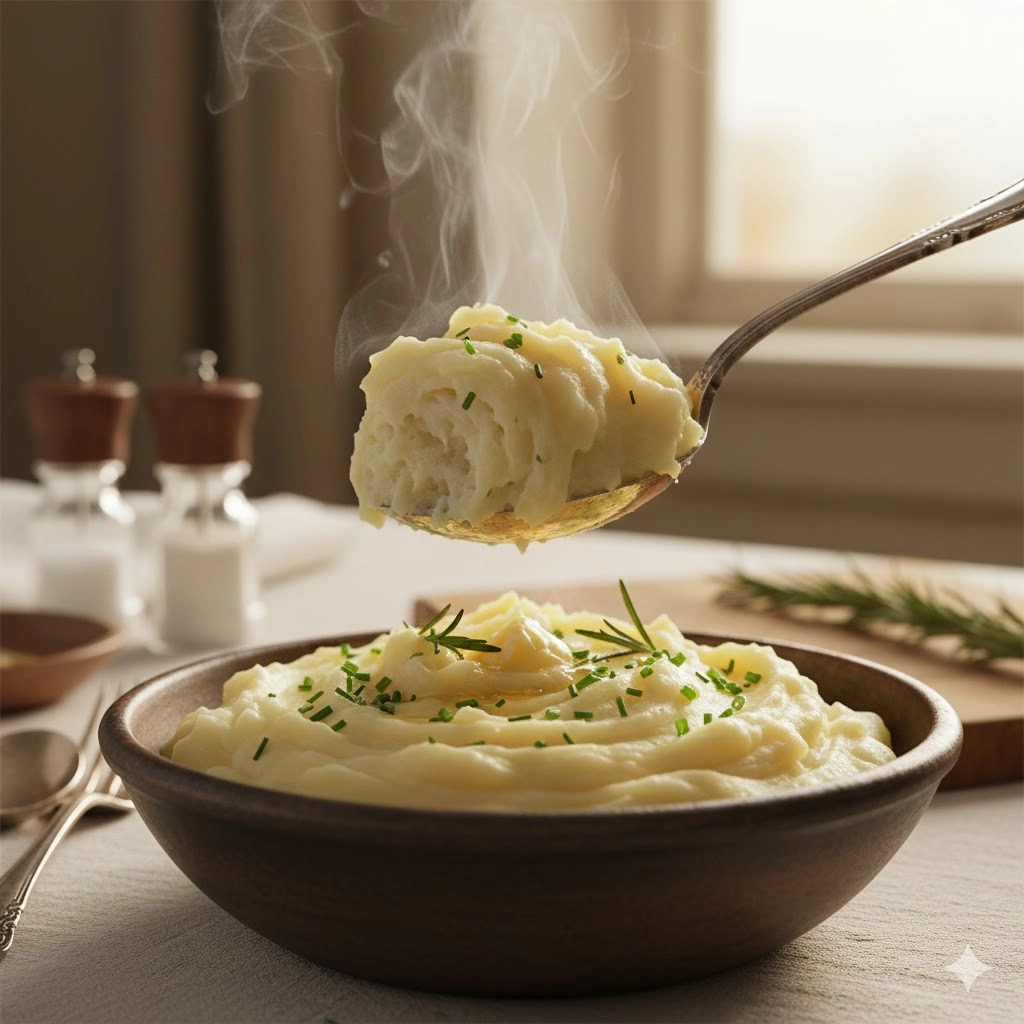
- The Classic Well: The most iconic presentation is to scoop the potatoes into a warm serving bowl, creating a slight indentation or “well” in the center with the back of a spoon. Drizzle two tablespoons of melted butter or a thin stream of savory gravy directly into this well just before serving.
- Piped Perfection: For an elegant holiday touch, transfer the finished mash into a piping bag fitted with a large star tip. Pipe individual servings onto plates or pipe a decorative border onto a shepherd’s pie before baking.
- Ultimate Gravy Base: Mashed potatoes are unrivaled as a base for rich, slow-cooked meats. Serve them beneath dishes like short ribs, pot roast, or coq au vin, allowing the flavorful juices and sauce to pool into the creamy texture for a textural and sensory experience.
- Topping with Herbs and Aromatics: A simple sprinkle of finely chopped fresh parsley, chives, or rosemary adds color, freshness, and a final burst of aroma. Crispy fried shallots or a dusting of smoked paprika can also provide welcome contrast.
Decoding the Mash: Common Questions Answered
Addressing common pitfalls and curiosity points ensures confident cooking.
Q: Can I make mashed potatoes ahead of time?
A: Yes, you can. Prepare the mash completely, then allow it to cool, and store it in an airtight container in the refrigerator for up to three days. To reheat, transfer the potatoes to a saucepan or microwave-safe bowl, adding a splash of extra warm milk or cream to loosen the consistency as you heat gently, stirring frequently.
Q: What is the best potato variety for mashing?
A: High-starch potatoes, primarily Russet or Idaho, are superior because their cells separate easily upon cooking, resulting in that desired light, fluffy texture. Yukon Golds are a good second choice; they offer a slightly buttery flavor and waxier texture, producing a denser, creamier (less fluffy) mash. Avoid waxy new potatoes, which tend to be sticky and pasty when mashed.
Q: Why did my potatoes turn out gluey or sticky?
A: Gluey potatoes are caused by rupturing the starch cells, which occurs from overworking the potatoes, especially when using an electric mixer or food processor. Ensure you use a ricer or masher, and stop mixing the moment the milk and butter are fully incorporated. The potatoes must also be mashed while hot and dry.
Q: Can I use low-fat milk or water instead of whole milk?
A: While you technically can use lower-fat dairy or cooking water, the result will lack the velvety texture and rich flavor that high-fat content provides. Fat acts as a buffer against starch development. If you must use skim milk, you will likely need to increase the amount of butter to compensate for the loss of creaminess.
Q: What if I over-salted the potatoes?
A: If the finished mash is too salty, you can try adding a small amount of plain boiled potato (or a small boiled baking potato that has been riced) that was cooked without salt. This unseasoned starch will absorb some of the excess salt. Alternatively, incorporate a small amount of unsalted heavy cream, which will dilute the overall sodium content.
Nutritional Snapshot
| Nutrient | Amount per Serving |
| Calories | 315 kcal |
| Protein | 6 g |
| Carbs | 45 g |
| Fat | 13 g |
| Fiber | 4 g |
| Sugar | 2 g |
| Sodium | 450 mg |
Important Note on Estimates
Nutrition information is an estimate and may vary based on preparation and ingredients used.
PrintThe Ultimate Classic Mashed Potatoes Recipe
The ultimate Classic Mashed Potatoes: learn the expert techniques—like starting in cold water and drying the potatoes—to achieve a perfectly fluffy, rich, and creamy purée without any gluey texture.
- Prep Time: 15 mins
- Cook Time: 20 mins
- Total Time: 35 mins
- Yield: 6–8 servings 1x
- Category: Side Dish
- Method: Stovetop
- Cuisine: American
Ingredients
3 pounds Russet or Idaho potatoes
2 teaspoons kosher salt (for cooking water)
8 tablespoons unsalted butter (1 stick)
1 cup whole milk or half-and-half
1 teaspoon fine sea salt, or more to taste
1/2 teaspoon freshly cracked white pepper
1/4 teaspoon freshly grated nutmeg (optional)
Instructions
1. Peel, cut into two-inch cubes, and place potatoes into a pot. Cover with cold water and add 2 teaspoons kosher salt.
2. Bring to a rapid boil, then reduce heat and cook for fifteen to twenty minutes until fork-tender.
3. While cooking, melt butter and warm milk in a separate saucepan until just warm.
4. Drain potatoes completely. Return them to the hot pot over low heat for sixty seconds to flash-dry all excess moisture.
5. Remove from heat. Process the hot potatoes back into the pot using a ricer or food mill.
6. Pour half of the warm milk and butter mixture over the potatoes. Gently fold and stir to incorporate.
7. Continue adding the remaining liquid gradually until the desired light and fluffy consistency is reached. Do not overwork.
8. Stir in the sea salt, pepper, and optional nutmeg. Taste and adjust seasoning immediately before serving.
Notes
Always use high-starch potatoes (Russets) for the best fluffy result.
Ensure the potatoes are dry and the dairy mixture is warm before combining to prevent a gluey texture.
Leftovers can be stored in the fridge for up to 3 days and reheated with a splash of extra milk.
Nutrition
- Serving Size: 1 cup
- Calories: 315
- Sugar: 2g
- Sodium: 450mg
- Fat: 13g
- Saturated Fat: 8g
- Unsaturated Fat: 3g
- Trans Fat: 0g
- Carbohydrates: 45g
- Fiber: 4g
- Protein: 6g
- Cholesterol: 30mg