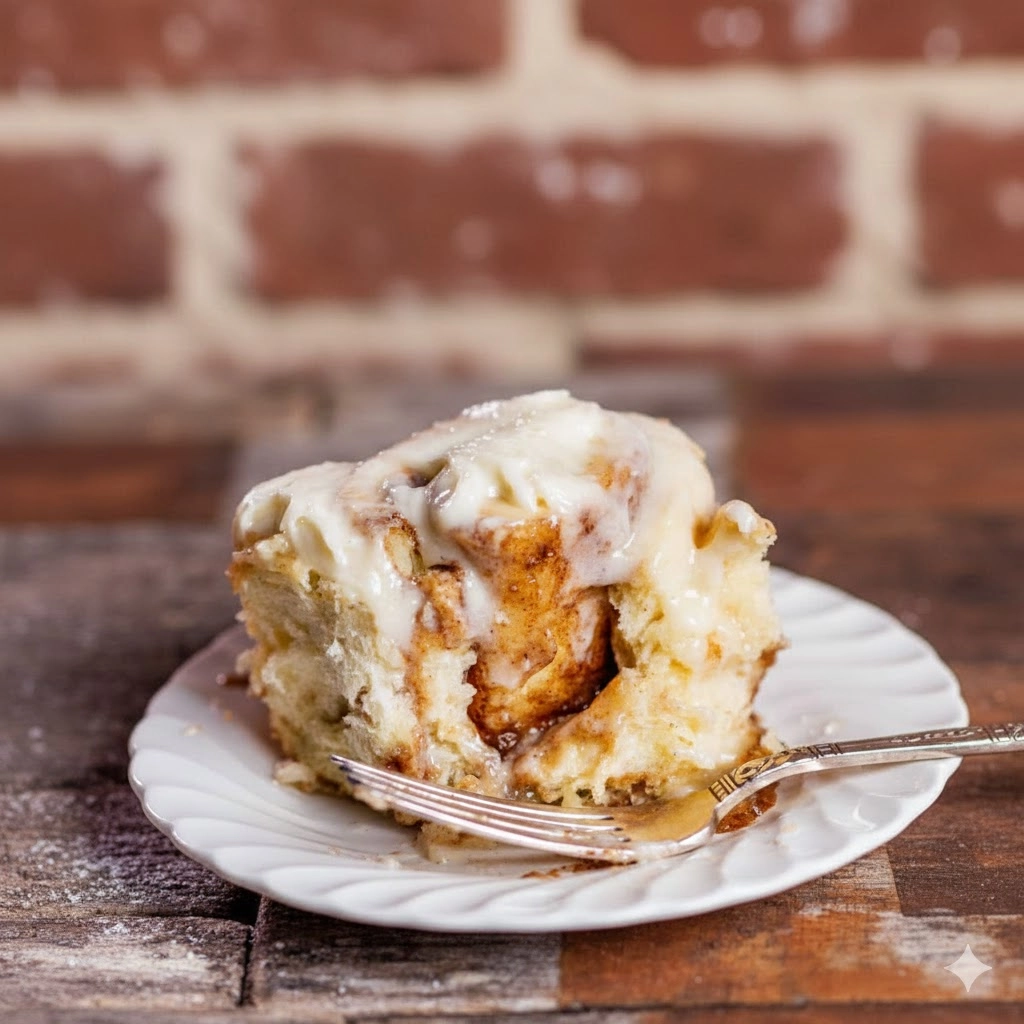
There are few aromas in the culinary world as immediately comforting and evocative as the scent of freshly baked cinnamon rolls. This is more than just a sweet breakfast pastry; it’s a tender, enriched yeast dough swirled with a deeply aromatic filling of brown sugar and spice, finished with a generous layer of sweet, tangy cream cheese frosting. They are an indulgent yet simple weekend project, perfect for sharing with family, or for enjoying one (or two) with a strong cup of coffee. The secret to the most satisfying results lies in the texture of the dough—soft, pillowy, and never dry—which is achievable by using the right ratio of butter and milk and by carefully managing the two crucial rising periods.
The Essential Components and Measurements
This recipe yields a dozen large, bakery-style rolls.
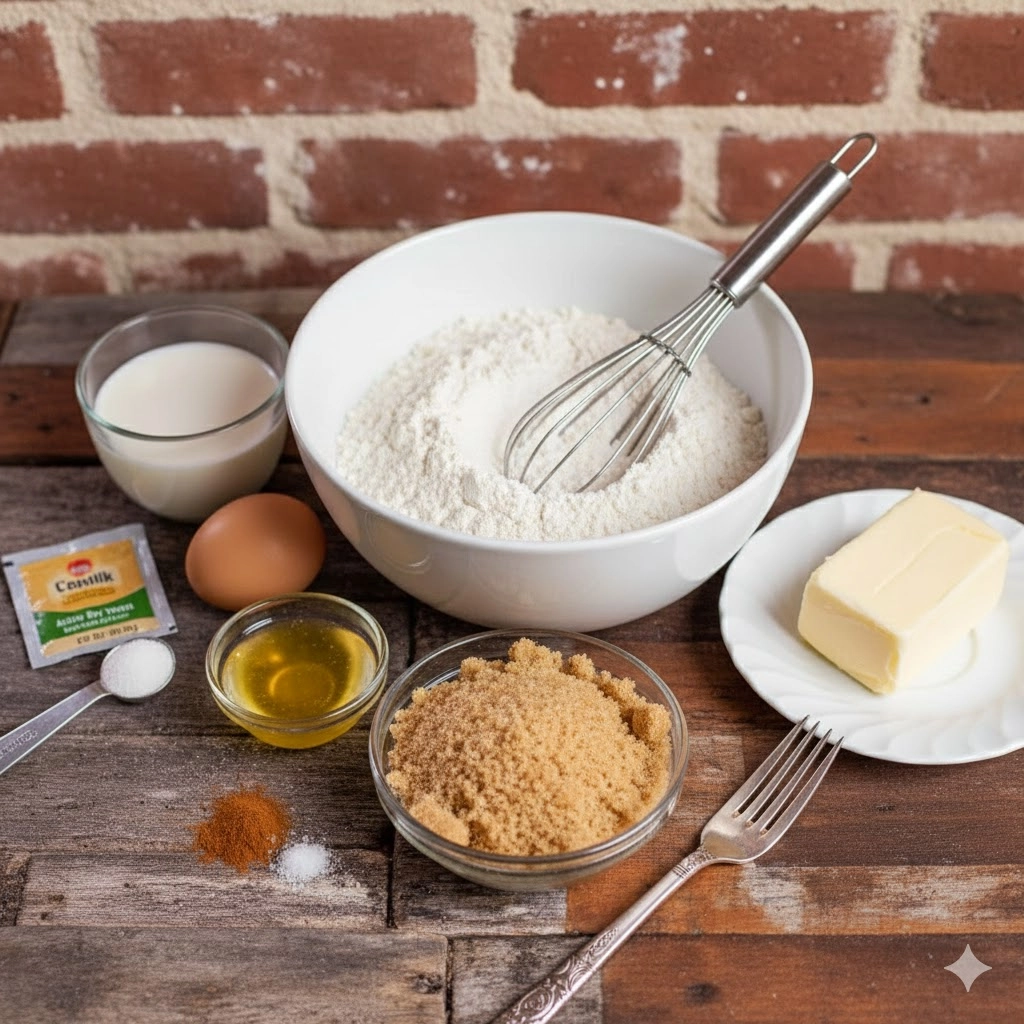
For the Enriched Dough
- One cup whole milk, warmed to approximately one hundred ten Fahrenheit (240 mL)
- Two and one-fourth teaspoons active dry yeast (one standard packet)
- One-fourth cup granulated sugar (50 g)
- One large egg, at room temperature
- One-fourth cup unsalted butter, melted and slightly cooled (56 g)
- One-half teaspoon fine sea salt
- Three and one-fourth cups all-purpose flour (400 g), plus more for dusting
For the Signature Filling
- One-half cup unsalted butter, softened to true room temperature (113 g)
- Three-fourths cup packed light brown sugar (150 g)
- One tablespoon ground cinnamon, high-quality
- One-half teaspoon salt
For the Cream Cheese Glaze
- Four ounces full-fat cream cheese, softened
- One-half cup unsalted butter, softened (113 g)
- Two cups confectioners’ sugar (240 g)
- One teaspoon pure vanilla extract
- Three to five tablespoons whole milk, as needed for consistency
High-Level Baking Sequence
This is an outline of the key steps. Refer to the Detailed Technique Breakdown below for nuances in texture and timing.
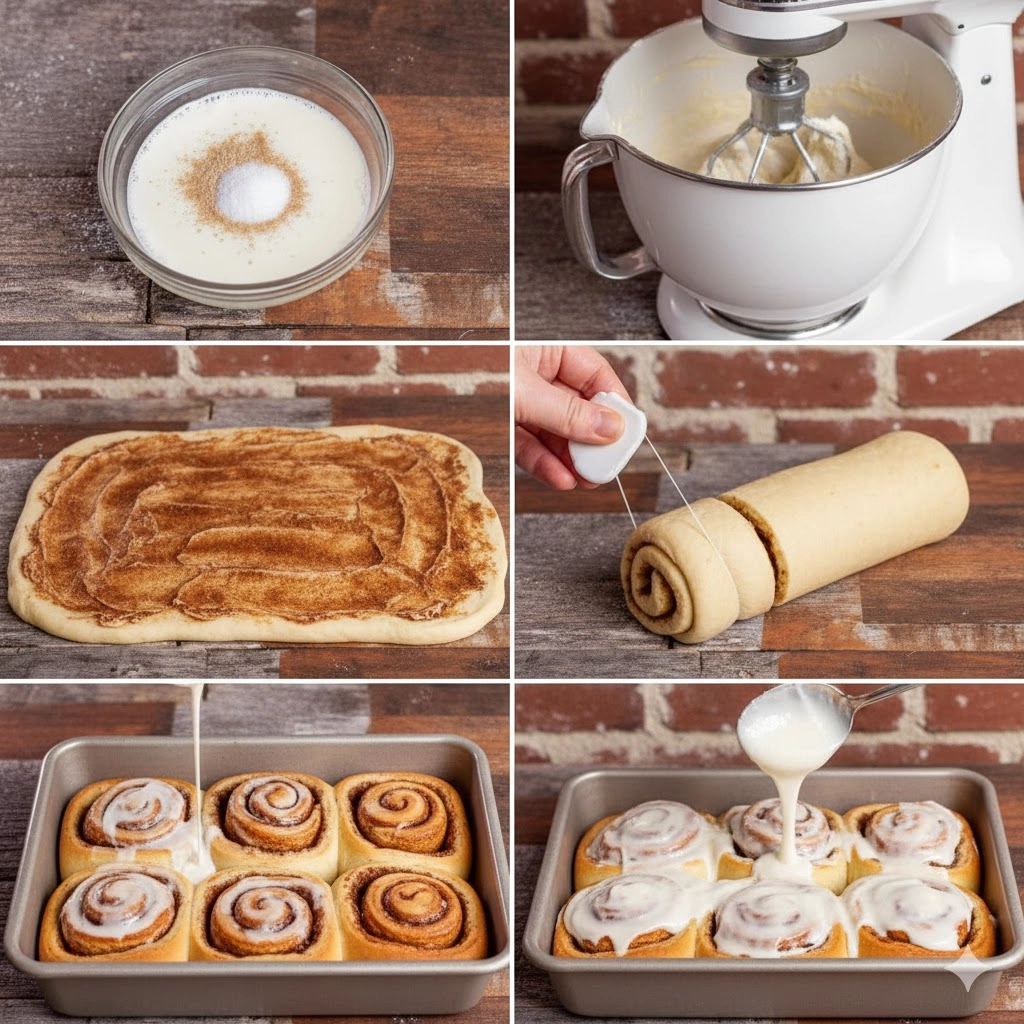
- Activate the Yeast: In a small bowl, combine the warm milk and a pinch of sugar. Sprinkle the yeast over the surface and let it stand until foamy, about five to ten minutes.
- Mix the Dough: In the bowl of a stand mixer, whisk together the flour and remaining sugar and salt. Pour in the yeast mixture, melted butter, and egg. Mix until a shaggy dough forms, then knead with the dough hook for seven to ten minutes until smooth and elastic.
- First Rise (Bulk Fermentation): Transfer the dough to a lightly oiled bowl, turning to coat. Cover tightly and let it rise in a warm, draft-free place until doubled in size, which typically takes between one and one-half to two hours.
- Prepare Filling and Shape Rolls: Punch the risen dough down and roll it out on a lightly floured surface into a rectangle roughly twelve by eighteen inches. Cream the softened butter, brown sugar, cinnamon, and salt for the filling, then spread it evenly over the dough. Roll the dough tightly into a log along the long edge and cut into twelve equal pieces.
- Second Rise (Proofing): Place the rolls cut-side up in a greased thirteen by nine-inch pan. Cover and let proof for forty-five minutes to one hour, or until visibly puffy and nearly doubled.
- Bake the Rolls: Preheat your oven to three hundred seventy-five Fahrenheit. Bake for twenty to twenty-five minutes, or until the tops are golden brown.
- Glaze and Serve: While the rolls are still warm, prepare the cream cheese glaze. Drizzle or spread generously over the baked rolls and serve immediately.
Detailed Technique Breakdown: Achieving the Perfect Texture
The art of the classic cinnamon rolls lies entirely in how you handle the dough and filling. Precision at each stage prevents the common pitfalls of dense, dry, or exploding rolls.
The Nuance of Yeast Activation and Dough Development
The first step, activating the yeast, must be done with milk that feels like a warm bath—not hot. If the milk is too hot, it will kill the yeast; if it is too cool, the yeast will activate too slowly or not at all. The presence of a bubbly, foamy layer after ten minutes is your clear signal that the yeast is active and ready to work.
When adding the liquid mixture to the dry ingredients, resist the urge to add all the flour at once. The final dough should be tacky to the touch but not overly sticky. If you knead by hand, you are looking for the dough to transition from shaggy to a smooth, supple ball after about ten minutes of consistent work. With a stand mixer, the dough hook should pull the dough cleanly away from the sides of the bowl. Stop kneading as soon as the dough is elastic; over-kneading develops too much gluten, which results in a tougher, chewier, less tender roll. The goal here is a rich, soft, enriched bread dough.
Perfecting the First and Second Rises
The first rise, or bulk fermentation, builds flavor and structure. The amount of time it takes is entirely dependent on the temperature of your kitchen. A slightly cooler kitchen might require two and a half hours, while a warm kitchen might only need seventy-five minutes. The roll is doubled in size when a gentle poke with two fingers leaves a lasting indentation.
The second rise, or proofing, is vital. This is where the rolls become light and fluffy. Do not over-proof, which can lead to rolls collapsing in the oven, or under-proof, which leaves them dense. The rolls should look puffy and soft, with the spaces between them mostly filled in.
Handling the Filling and the Roll
For the filling, the butter must be truly soft, pliable like thick cream, but not melted. If the butter is too cold, it will tear the delicate dough when you try to spread it. If it is melted, it will leak out during the proofing and baking, leading to dry rolls and a messy pan.
Once the filling is spread, you must roll the dough tightly. A loose roll will create gaps between the layers, causing the rolls to spiral apart rather than holding their neat, distinct form. Start the roll on the long edge closest to you and gently push down on the dough with your thumbs as you roll forward. When cutting, avoid using a standard knife, which squishes the layers. Instead, use unflavored dental floss or a taut piece of thread. Slide it under the log, wrap it around the log, cross the ends, and pull sharply to create perfectly clean cuts.
Advanced Baking Insights and Techniques
Achieving the perfect, gooey center requires a few specific adjustments to the standard baking process.
- The Cream Soak: Just before you place the rolls in the oven for the second rise, pour a generous splash of heavy cream, approximately one-half cup, evenly over the rolls in the pan. The rolls will absorb this liquid during the proofing and early baking stages, ensuring the finished product is moist, tender, and incredibly soft in the center—the hallmark of a truly great cinnamon roll.
- The Pan Choice: Use a light-colored metal pan over a dark one, which can scorch the bottoms of the rolls before the centers are fully baked. For the best gooey results, a glass or ceramic dish works wonderfully as it distributes heat more evenly and gently.
- Visual Doneness: The surface of the rolls should be a rich, golden brown, but resist the urge to bake until they are dark. The centers should still look slightly soft and not perfectly set. Over-baking is the single greatest enemy of a moist cinnamon roll. If you are unsure, you can use an instant-read thermometer. The internal temperature of the center roll should register around two hundred degrees Fahrenheit for a soft, cooked-through center.
Flavor Variations and Practical Substitutions
The beauty of the enriched dough is its versatility. You can easily adapt the flavor profile without changing the core technique.
- Pecan or Walnut Rolls: Toast and finely chop one cup of pecans or walnuts and sprinkle them over the cinnamon-sugar filling before rolling the dough. This provides a satisfying crunch and a deeper, nutty flavor.
- Citrus Zest Infusion: Add the finely grated zest of one large orange to the cream cheese glaze. The bright citrus note cuts through the sweetness and elevates the overall flavor profile.
- Gingerbread Spice: For a seasonal variation, swap one teaspoon of the cinnamon for a blend of one-half teaspoon ground ginger and one-fourth teaspoon ground clove in the filling.
- Dairy Alternatives: For a plant-based option, substitute the whole milk with a creamy non-dairy alternative like oat milk or full-fat coconut milk. Ensure your butter is replaced with a good-quality plant-based baking stick in all three components (dough, filling, and glaze). The rise time may be slightly longer.
- Glaze Alternative: If you prefer a simple sugar glaze, whisk together one and one-half cups of confectioners’ sugar, three tablespoons of milk, and one teaspoon of vanilla extract until smooth. This offers a sweet coating without the tang of the cream cheese.
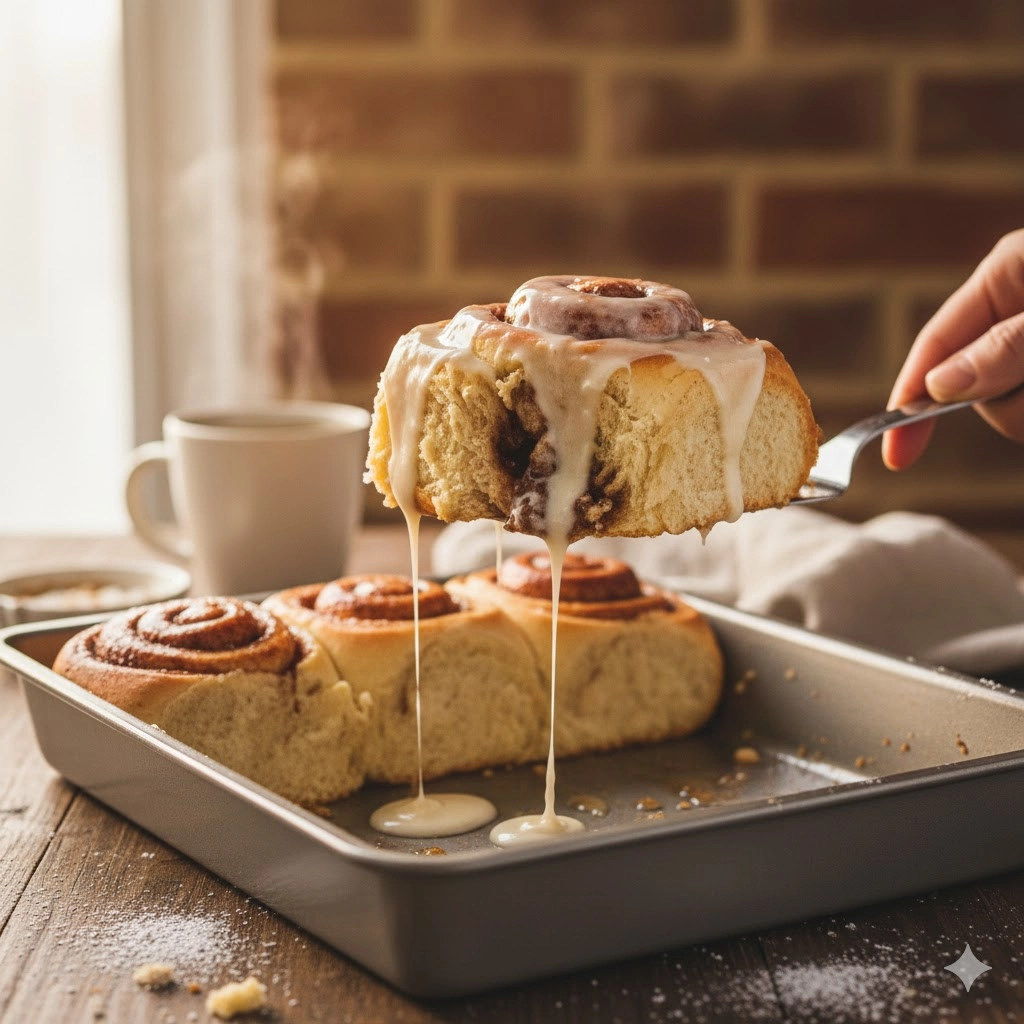
Thoughtful Serving Suggestions
While a cinnamon roll is a complete experience on its own, here are a few ways to turn it into an event.
- Brunch Centerpiece: Arrange the warm rolls on a large serving platter and dust lightly with powdered sugar before glazing. Serve alongside fresh berries and a simple, savory quiche to balance the sweetness.
- Coffee Pairing: Pair a single warm roll with a strong, dark-roast pour-over or an espresso. The bitterness of the coffee creates a wonderful contrast with the sweet, spiced roll.
- Deconstructed Dessert: Serve the cinnamon rolls warm, sliced in half horizontally, and topped with a scoop of high-quality vanilla bean ice cream and a drizzle of caramel sauce for a truly indulgent dessert.
Common Queries for Yeast-Based Baking
Can I make the dough the night before?
Absolutely. After the first rise, punch the dough down gently, re-form it into a ball, and place it back in the oiled bowl. Cover it tightly with plastic wrap and refrigerate it overnight for up to twelve hours. The next morning, allow the cold dough to warm slightly at room temperature for about thirty minutes before rolling, filling, and proceeding with the second rise and baking.
Why didn’t my rolls rise?
There are typically two main culprits. First, your yeast may have been dead; ensure it foams up in the warm milk before proceeding. Second, the rising environment may have been too cold or drafty, which significantly slows or halts yeast activity. Try placing the dough in a slightly warm area, like inside an oven that is turned off but has a bowl of hot water on the rack below it.
How do I store leftover cinnamon rolls?
Store leftover rolls in an airtight container at room temperature for up to two days. For longer storage, refrigerate for up to four days. To reheat and bring back that fresh-from-the-oven softness, microwave a roll for ten to fifteen seconds, or wrap one loosely in foil and bake in a three hundred fifty Fahrenheit oven for about five to seven minutes.
What is the ideal temperature for warming the milk?
The optimal temperature to activate the active dry yeast is between one hundred five and one hundred fifteen Fahrenheit. This temperature range is warm enough to wake up the yeast but not so hot that it will kill the live cultures. Always use an instant-read thermometer for an accurate measure.
| Nutrient | Amount per Serving |
| Calories | 450 kcal |
| Protein | 8 g |
| Carbs | 65 g |
| Fat | 18 g |
| Fiber | 2 g |
| Sugar | 35 g |
| Sodium | 210 mg |
Nutrition Disclosure
Nutrition information is an estimate and may vary based on preparation and ingredients used.
PrintThe Secret to Fluffy, Gooey Classic Cinnamon Rolls

This is more than just a sweet breakfast pastry; it’s a tender, enriched yeast dough swirled with a deeply aromatic filling of brown sugar and spice, finished with a generous layer of sweet, tangy cream cheese frosting.
They are an indulgent yet simple weekend project, perfect for sharing with family.
- Prep Time: 45 mins
- Cook Time: 25 mins
- Total Time: 3 hours 10 mins
- Yield: 12 rolls 1x
- Category: Breakfast
- Method: Baking
- Cuisine: American
Ingredients
One cup whole milk, warmed to approximately one hundred ten Fahrenheit
Two and one–fourth teaspoons active dry yeast (one standard packet)
One-fourth cup granulated sugar
One large egg, at room temperature
One-fourth cup unsalted butter, melted and slightly cooled
One-half teaspoon fine sea salt
Three and one–fourth cups all-purpose flour, plus more for dusting
One-half cup unsalted butter, softened to true room temperature
Three-fourths cup packed light brown sugar
One tablespoon ground cinnamon, high-quality
One-half teaspoon salt
Four ounces full-fat cream cheese, softened
One-half cup unsalted butter, softened
Two cups confectioners’ sugar
One teaspoon pure vanilla extract
Three to five tablespoons whole milk, as needed for consistency
Instructions
1. Activate the Yeast: In a small bowl, combine the warm milk and a pinch of sugar. Sprinkle the yeast over the surface and let it stand until foamy, about five to ten minutes.
2. Mix the Dough: In the bowl of a stand mixer, whisk together the flour and remaining sugar and salt. Pour in the yeast mixture, melted butter, and egg. Mix until a shaggy dough forms, then knead with the dough hook for seven to ten minutes until smooth and elastic.
3. First Rise (Bulk Fermentation): Transfer the dough to a lightly oiled bowl, turning to coat. Cover tightly and let it rise in a warm, draft-free place until doubled in size, which typically takes between one and one-half to two hours.
4. Prepare Filling and Shape Rolls: Punch the risen dough down and roll it out on a lightly floured surface into a rectangle roughly twelve by eighteen inches. Cream the softened butter, brown sugar, cinnamon, and salt for the filling, then spread it evenly over the dough. Roll the dough tightly into a log along the long edge and cut into twelve equal pieces.
5. Second Rise (Proofing): Place the rolls cut-side up in a greased thirteen by nine-inch pan. Cover and let proof for forty-five minutes to one hour, or until visibly puffy and nearly doubled.
6. Bake the Rolls: Preheat your oven to three hundred seventy-five Fahrenheit. Bake for twenty to twenty-five minutes, or until the tops are golden brown.
7. Glaze and Serve: While the rolls are still warm, prepare the cream cheese glaze. Drizzle or spread generously over the baked rolls and serve immediately.
Notes
Use a light-colored metal pan over a dark one, which can scorch the bottoms of the rolls.
To reheat and bring back that fresh-from-the-oven softness, microwave a roll for ten to fifteen seconds, or wrap one loosely in foil and bake in a three hundred fifty Fahrenheit oven for about five to seven minutes.
Nutrition
- Serving Size: 1 roll
- Calories: 450
- Sugar: 35g
- Sodium: 210mg
- Fat: 18g
- Saturated Fat: 10g
- Unsaturated Fat: 5g
- Trans Fat: 0g
- Carbohydrates: 65g
- Fiber: 2g
- Protein: 8g
- Cholesterol: 50mg