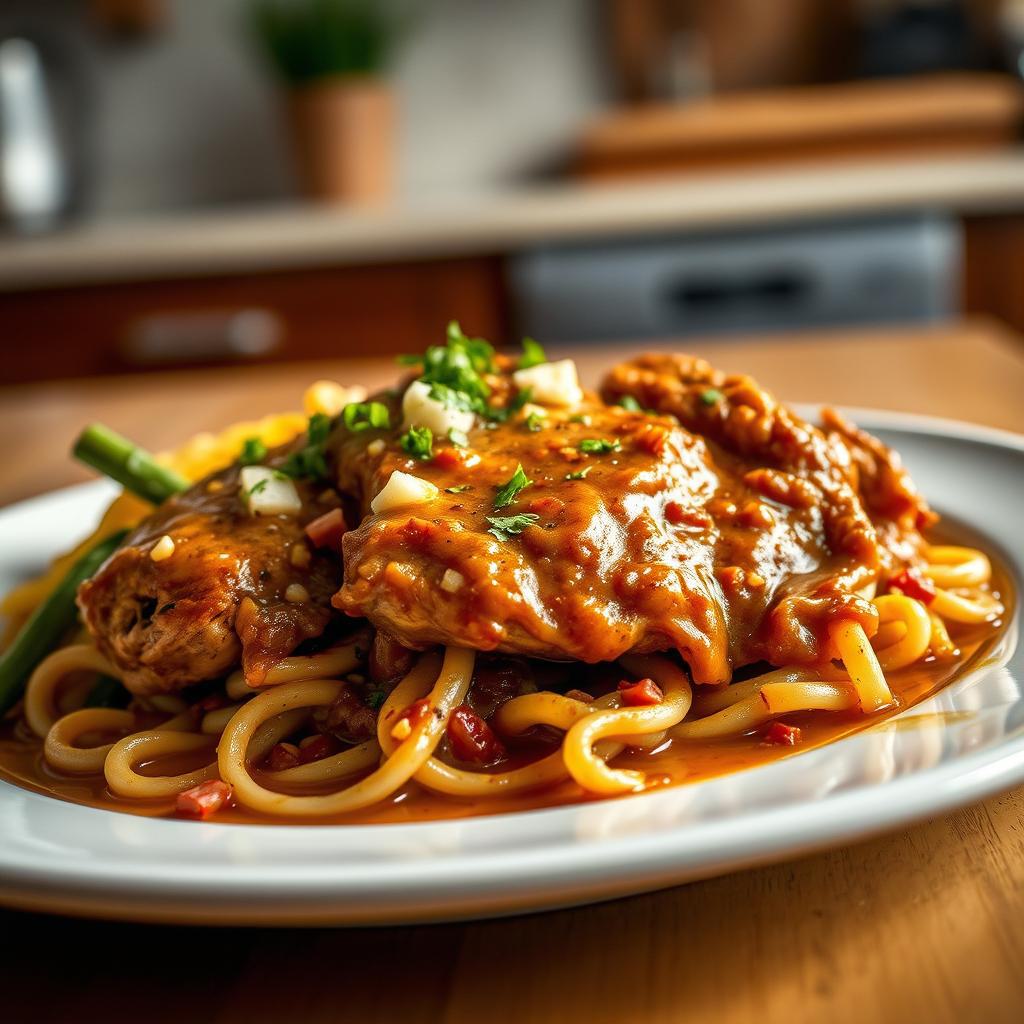
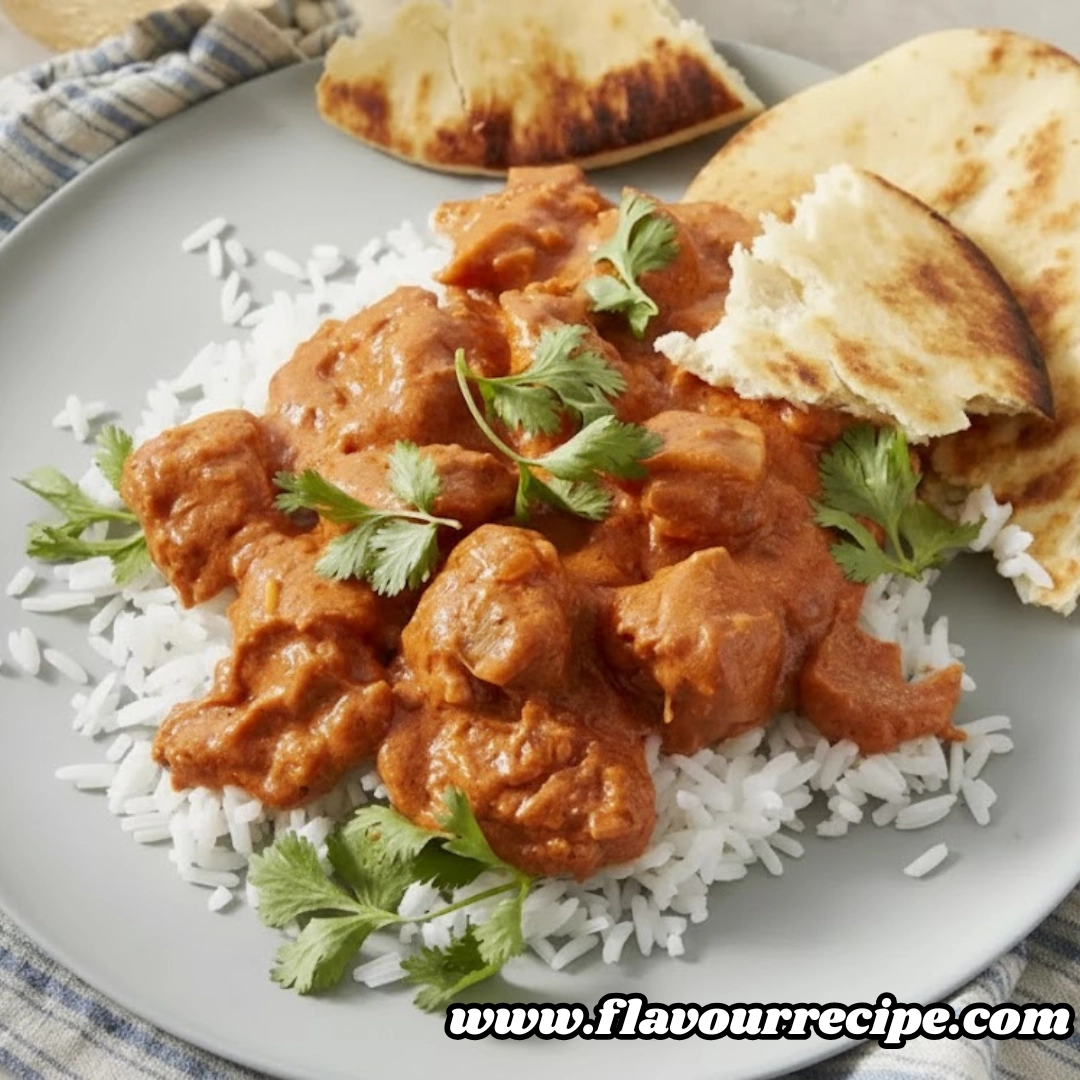
Chicken Makhani (Indian Butter Chicken) is a cornerstone of North Indian cuisine, celebrated for its velvety texture and deeply aromatic profile. This dish balances the brightness of tomato puree with the richness of butter and cream, creating a luscious sauce that clings to tender pieces of chicken. It serves as an accessible introduction to Indian spices while offering enough complexity to satisfy seasoned palates. Whether you are hosting a formal dinner or seeking a warming meal for a quiet evening, this preparation provides a restaurant-quality experience from your own kitchen.
The hallmark of a great makhani lies in the silkiness of the gravy and the careful layering of spices like garam masala and cumin. Traditionally served alongside fragrant basmati rice or buttery naan bread, this meal is designed for sharing. By adjusting the heat levels through the addition of cayenne, you can tailor the intensity to suit individual preferences without compromising the underlying savory-sweet harmony that makes this dish a global favorite.
Table of Contents
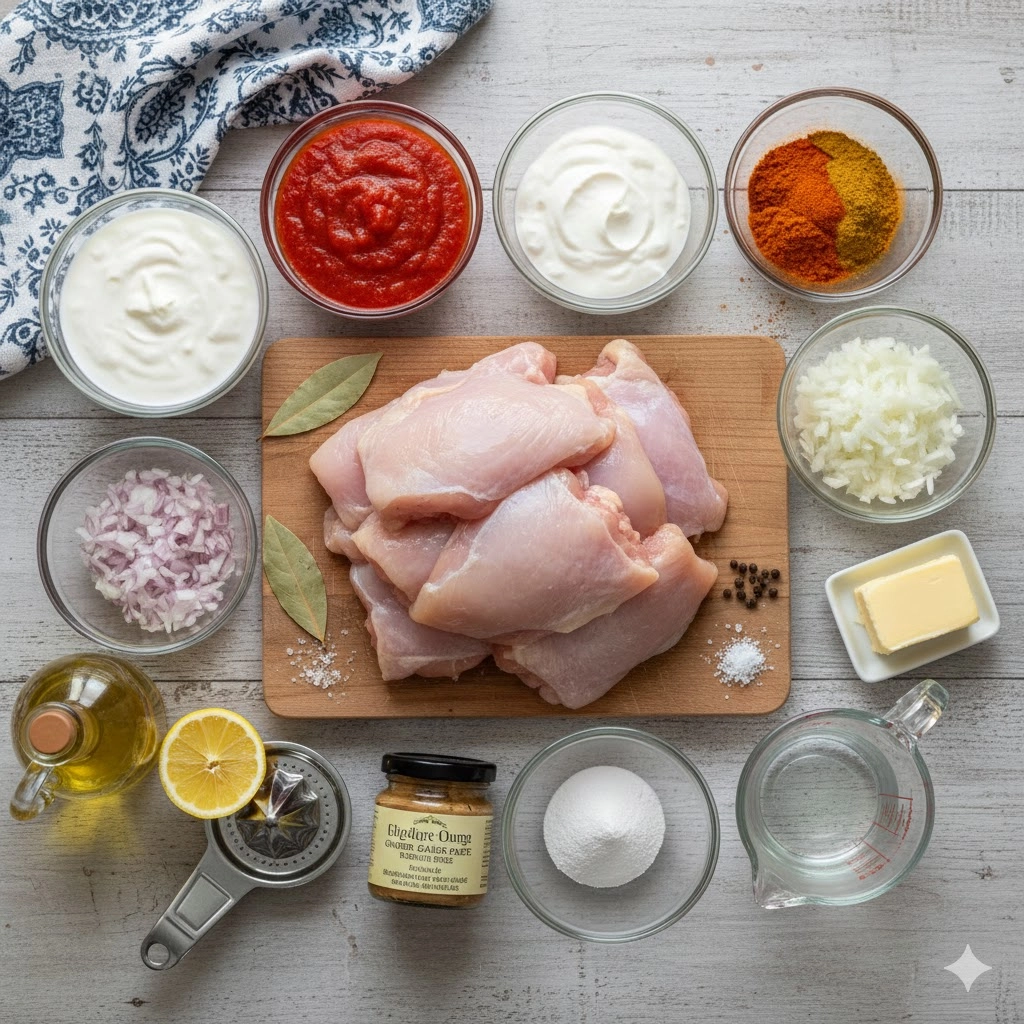
Ingredients
For the Aromatic Base
- 2 tablespoons peanut oil, divided
- 1 small shallot, finely minced
- One-quarter large white onion, finely chopped
- 2 tablespoons unsalted butter
- 1 tablespoon ginger-garlic paste
- 2 teaspoons fresh lemon juice
The Spice Blend
- 2 teaspoons garam masala, divided
- 1 teaspoon chili powder
- 1 teaspoon ground cumin
- 1 dried bay leaf
- One-quarter teaspoon cayenne pepper (adjust to taste)
- Salt and freshly cracked black pepper to taste
The Sauce Body
- 1 cup smooth tomato puree
- 1 cup half-and-half (or heavy cream for extra richness)
- One-quarter cup plain whole milk yogurt
- 1 tablespoon cornstarch
- One-quarter cup cool water
The Protein
- 1 pound boneless, skinless chicken thighs, cut into bite-sized chunks
Instructions
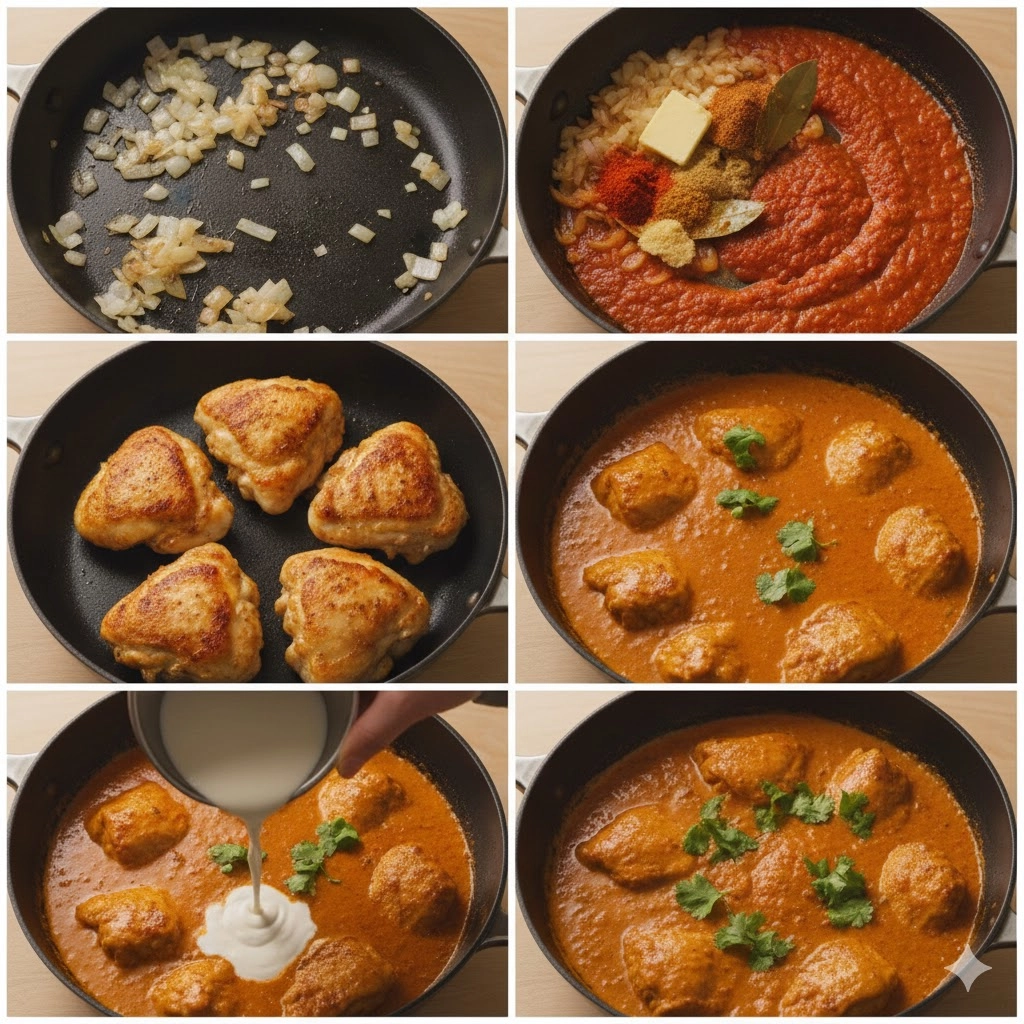
- Sauté the shallots and onions in one tablespoon of peanut oil over medium-high heat until they become translucent and soft, which usually takes about five minutes.
- Incorporate the butter, ginger-garlic paste, lemon juice, half of the garam masala, chili powder, cumin, and the bay leaf into the onion mixture.
- Add the tomato puree and simmer the base for two minutes, ensuring you stir constantly to prevent scorching.
- Whisk in the half-and-half and yogurt, then lower the heat to a gentle simmer for ten minutes.
- In a separate heavy skillet, sear the chicken in the remaining tablespoon of peanut oil over medium heat until lightly browned on all sides.
- Season the browning chicken with the remaining garam masala and cayenne pepper, adding a few spoons of the simmering sauce to deglaze the pan.
- Transfer the seared chicken and its juices into the main sauce pot and stir to combine.
- Slurry the cornstarch with water and pour it into the sauce, simmering for an additional five to ten minutes until the desired thickness is achieved.
Technical Execution and Sensory Cues
The first stage of building your Chicken Makhani (Indian Butter Chicken) focuses on the “sofrito” of Indian cooking: the onions and shallots. You aren’t looking for a deep brown caramelization here; rather, you want them to be pale and meltingly soft. When you add the ginger-garlic paste and the first round of spices, the aroma should shift from raw and pungent to toasted and fragrant within sixty seconds. If the spices begin to stick or smell acrid, immediately add a splash of the tomato puree to lower the pan temperature.
When simmering the tomato and dairy base, look for “oil separation” at the edges—a classic indicator in Indian cooking that the water has evaporated and the flavors have concentrated. The sauce should transition from a bright red to a creamy, muted orange. Avoid boiling the sauce once the yogurt is added, as high heat can cause the dairy proteins to curdle, ruining the silkiness.
For the chicken, using thighs is highly recommended over breasts because they remain succulent during the two-stage cooking process. The initial sear in the skillet creates a Maillard reaction, providing a savory depth that raw-poached chicken lacks. When you finally combine the chicken with the sauce and add the cornstarch slurry, the gravy should transform from a thin liquid to a glossy, coat-the-back-of-a-spoon consistency. The final texture should feel like liquid velvet on the tongue.
Expert Tips for the Best Results
- Sieve the Sauce: For an ultra-luxurious, restaurant-style finish, you can pass the onion and tomato base through a fine-mesh sieve before adding the chicken. This removes any fibrous bits of ginger or onion.
- Bloom Your Spices: Always add your dry spices to the fat (butter and oil) rather than the liquid. This “blooms” the fat-soluble compounds in the cumin and garam masala, intensifying the flavor profile significantly.
- Temperature Control: When adding the yogurt, ensure it is at room temperature or tempered with a little bit of the warm sauce first. This prevents the sauce from breaking.
- The Cornstarch Secret: While traditional recipes often rely on long reduction times or cashew paste for thickening, the cornstarch slurry is a reliable shortcut that ensures a glossy sheen without altering the flavor.
- Fresh Ginger-Garlic: If you cannot find pre-made paste, grate fresh ginger and garlic on a microplane. The fresh juices provide a sharper, more vibrant zest than jarred versions.
- The Rest Period: Like many stews, this dish often tastes even better after sitting for twenty minutes. This allows the spices to penetrate deep into the chicken fibers.
Recipe Variations and Substitutions
- Vegetarian Makhani: Replace the chicken with cubes of firm paneer or roasted cauliflower florets. If using paneer, sear the cubes briefly just as you would the chicken to give them a golden crust.
- Dairy-Free Alternative: Use full-fat coconut milk in place of the half-and-half and a soy or coconut-based yogurt. Substitute the butter with vegan buttery spread or more peanut oil.
- Healthier Swap: For a lighter version, replace the half-and-half with whole milk and omit the cornstarch, allowing the sauce to reduce naturally over a longer period.
- Extra Nutty: Many high-end kitchens add two tablespoons of toasted cashew butter to the sauce. This adds a fatty richness and a subtle nutty undertone that complements the tomato perfectly.
Serving Suggestions
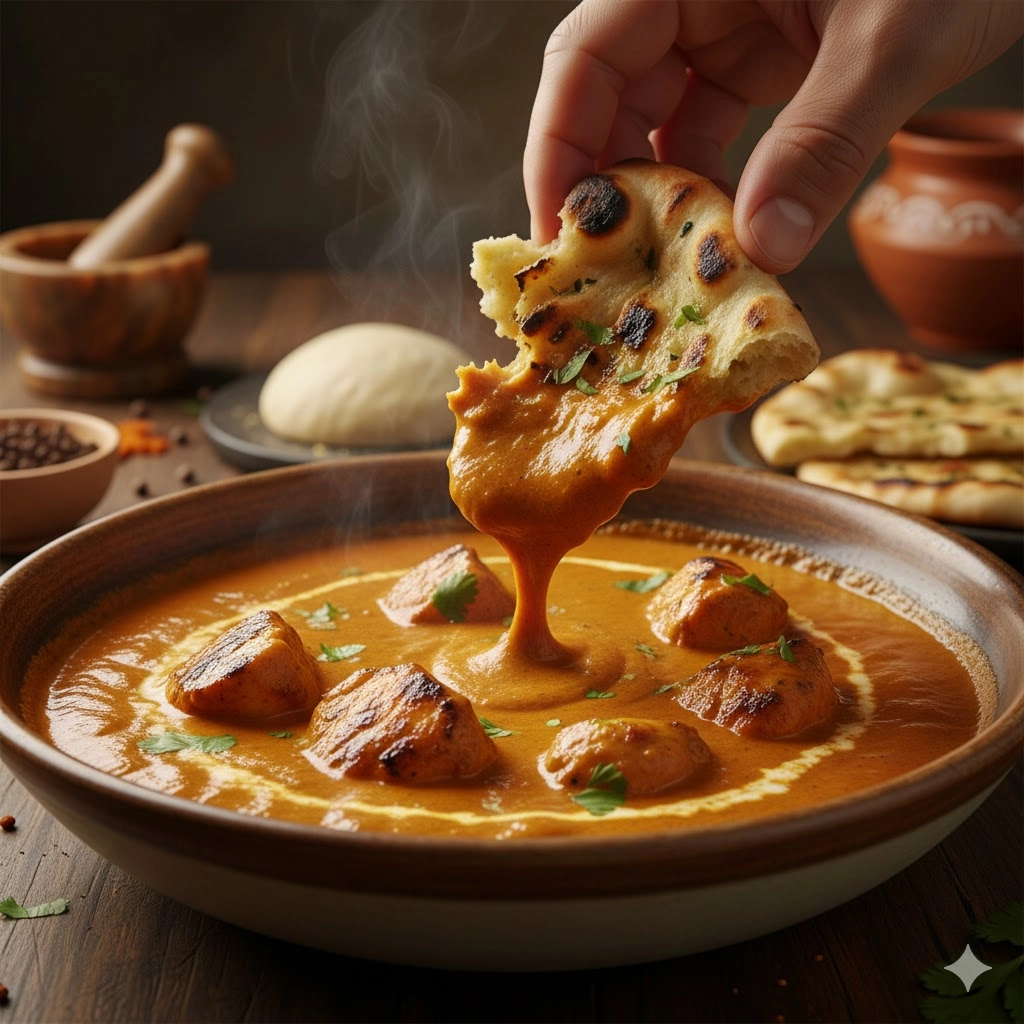
- The Classic Pairing: Serve the chicken in a shallow bowl over a bed of long-grain basmati rice. Garnish with a sprig of fresh cilantro and a few very thin slices of ginger.
- Bread Service: Garlic or plain naan is essential for scooping up the extra sauce. If naan isn’t available, warm pita or even a crusty sourdough baguette can serve as an unconventional but effective vessel.
- Cooling Accoutrements: A side of cucumber raita (yogurt with grated cucumber and cumin) provides a refreshing contrast to the warm spices of the makhani.
- Crunchy Elements: Serve with a side of pickled red onions or a fresh kachumber salad (diced tomatoes, cucumbers, and onions with lemon juice) to add acidity and crunch to the plate.
Frequently Asked Questions
Can I use chicken breast instead of thighs?
Yes, you can use chicken breast, but you must be careful not to overcook it. Breasts dry out much faster than thighs, so reduce the simmering time in the final step to ensure the meat remains tender.
How do I make the dish spicier?
The heat in this recipe is controlled by the cayenne pepper and the chili powder. You can double the cayenne pepper or add finely chopped green chilies during the onion sautéing phase if you prefer a significant kick.
Is it possible to freeze Chicken Makhani?
This dish freezes exceptionally well. Allow it to cool completely before transferring to an airtight container. When reheating, you may need to add a splash of water or milk to loosen the sauce, as it will thicken significantly in the freezer.
What is ginger-garlic paste and where do I find it?
It is a blended mixture of equal parts fresh ginger and garlic. It is available in the ethnic aisle of most large supermarkets or at Indian grocery stores. You can also make it at home by blending fresh aromatics with a tiny bit of oil.
Nutrition Information
| Nutrient | Amount per Serving |
| Calories | 408 kcal |
| Protein | 23 g |
| Carbs | 16 g |
| Fat | 28 g |
| Fiber | 2 g |
| Sugar | 5 g |
| Sodium | 523 mg |
Nutrition information is an estimate and may vary based on preparation and ingredients used.
PrintAuthentic Chicken Makhani (Indian Butter Chicken)
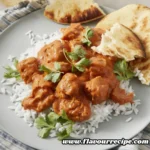
An authentic, restaurant-quality Chicken Makhani featuring tender chicken thighs in a velvety, spiced tomato and butter sauce. Perfectly balanced and creamy.
- Prep Time: 10 mins
- Cook Time: 25 mins
- Total Time: 35 mins
- Yield: 4 servings 1x
- Category: Main Course
- Method: Stovetop
- Cuisine: Indian
Ingredients
2 tablespoons peanut oil, divided
1 shallot, finely chopped
1/4 white onion, chopped
2 tablespoons butter
1 tablespoon ginger garlic paste
2 teaspoons lemon juice
2 teaspoons garam masala, divided
1 teaspoon chili powder
1 teaspoon ground cumin
1 bay leaf
1 cup tomato puree
1 cup half-and-half
1/4 cup plain yogurt
Salt and ground black pepper to taste
1 pound boneless, skinless chicken thighs, bite-sized
1/4 teaspoon cayenne pepper
1 tablespoon cornstarch
1/4 cup water
Instructions
1. Sauté shallot and onion in 1 tbsp oil over medium-high heat until soft (5 mins).
2. Stir in butter, ginger-garlic paste, lemon juice, 1 tsp garam masala, chili powder, cumin, and bay leaf. Cook for 1 min.
3. Add tomato puree and cook for 2 mins while stirring.
4. Stir in half-and-half and yogurt. Reduce heat and simmer for 10 mins. Season with salt/pepper.
5. In a separate skillet, brown chicken in remaining oil for 10 mins.
6. Season chicken with remaining garam masala and cayenne. Add a splash of sauce and simmer until cooked through.
7. Transfer chicken into the main sauce pot.
8. Mix cornstarch with water, add to sauce, and simmer for 5-10 mins until thickened.
Notes
Use chicken thighs instead of breasts for maximum tenderness.
Pass the sauce through a sieve before adding chicken for a professional silky texture.
Serve with garlic naan and basmati rice.
Nutrition
- Serving Size: 1 bowl
- Calories: 408
- Sugar: 5g
- Sodium: 523mg
- Fat: 28g
- Saturated Fat: 11g
- Unsaturated Fat: 14g
- Trans Fat: 0g
- Carbohydrates: 16g
- Fiber: 2g
- Protein: 23g
- Cholesterol: 107mg