
There is something inherently magical about the scent of warming spices wafting through a kitchen on a chilly morning. While many of us have grown accustomed to the convenience of the local coffee shop drive-thru, there is a distinct, soulful satisfaction that comes from brewing your own cafe-quality beverages at home. This Chai Tea Latte is the epitome of comfort in a mug. It is a drink that manages to be both invigorating and deeply soothing, offering a complex profile of black tea and aromatic botanicals softened by the silky embrace of steamed milk. Whether you are looking to save a few dollars or simply want to master the art of the home barista, this guide will walk you through every nuance of creating a perfect, frothy, and fragrant tea latte that rivals any high-end establishment.
Table of Contents
Ingredients for a Perfect Cup
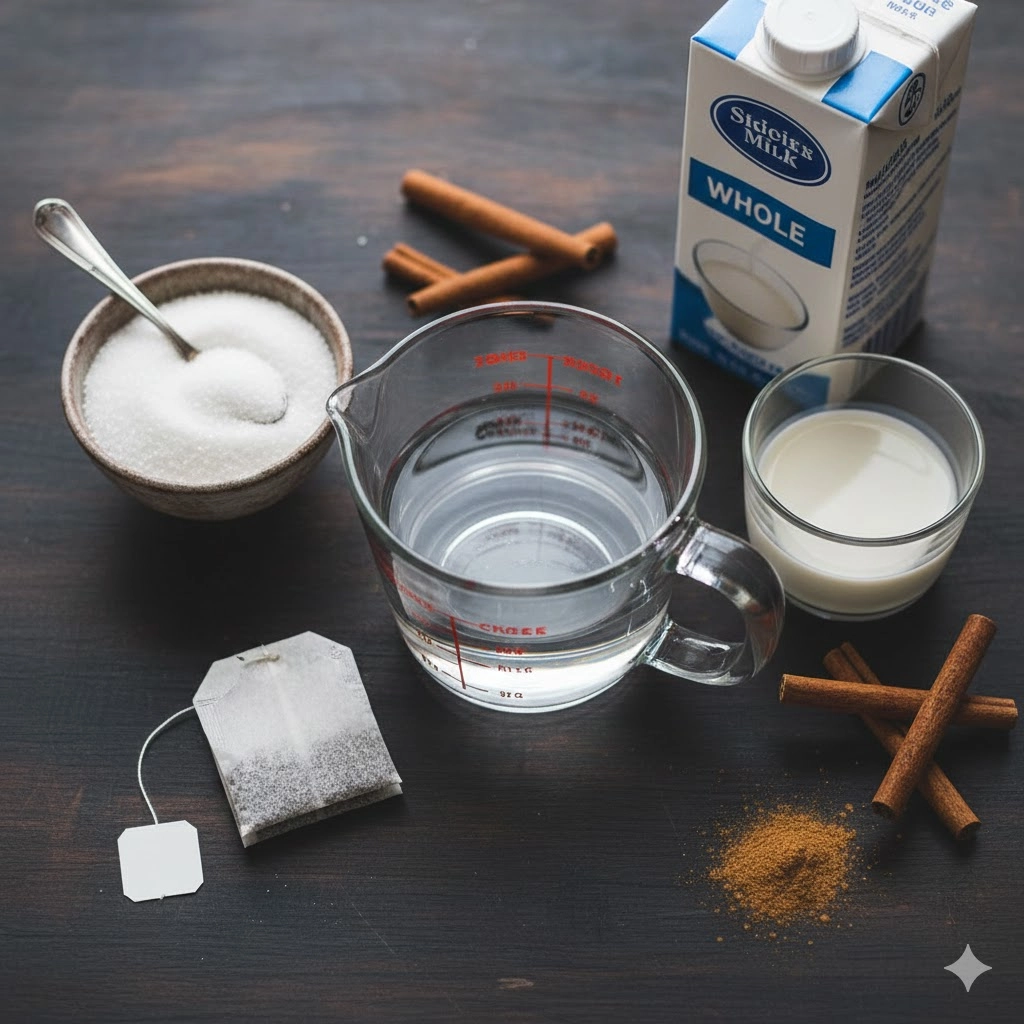
To begin your journey into home tea brewing, you only need a handful of pantry staples. The beauty of this recipe lies in its minimalism, allowing the quality of each individual component to shine through.
- Filtered Water: You will need exactly one fourth cup of fresh water. Using filtered water ensures that no mineral aftertastes interfere with the delicate notes of the tea.
- Chai Tea Bag: One high-quality tea bag is required. You can choose a standard caffeinated black tea blend or a decaffeinated version if you are brewing a late-night treat.
- Granulated Sugar: Two teaspoons of white sugar provide the traditional sweetness found in commercial lattes. This measures out to approximately eight grams.
- Milk: Three fourths cup of milk serves as the creamy base. While two percent is the standard for a balanced texture, you can use any variety you prefer.
- Ground Cinnamon: This is an optional addition, used primarily as a decorative and aromatic topping to finish the drink.
Standard Preparation Instructions
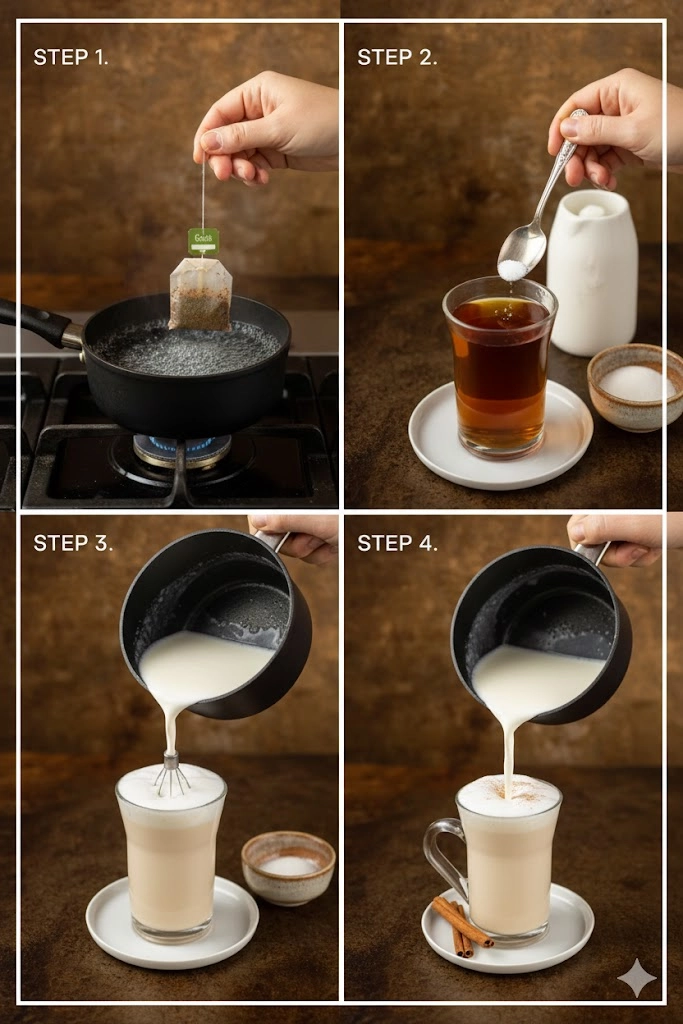
- Place a small pot over high heat and bring your filtered water to a rolling boil. Once the water reaches temperature, carefully pour it into an eight ounce mug.
- Submerge the chai tea bag into the hot water. Allow the tea to steep undisturbed for exactly five minutes to create a potent tea concentrate.
- After five minutes, remove the tea bag, making sure to gently squeeze it to extract all the concentrated flavor, then discard it.
- Stir the granulated sugar into the hot tea concentrate until it is completely dissolved.
- While the tea is finishing its steep, pour your milk into the small pot. Heat it over medium heat until it begins to steam and tiny bubbles form around the edges. Do not let it reach a full boil.
- Using a whisk or a handheld frother, whip the hot milk vigorously until a thick layer of foam develops on the surface.
- Pour the majority of the steamed milk into the mug with the tea concentrate, stirring gently to incorporate.
- Top the beverage with the remaining foam, sprinkle with a dash of cinnamon if you like, and serve immediately.
Mastering the Steeping and Frothing Process
When you are creating a latte at home, the “Step-by-Step” is less about complexity and more about the precision of temperature and timing. The first phase of this recipe is the creation of a “tea concentrate.” Unlike a standard cup of tea where you might use eight ounces of water, we are using only two ounces. This concentrated environment is necessary because the tea must compete with a large volume of milk. By steeping the bag for a full five minutes, you are ensuring that the tannins and the spicy notes of ginger, cardamom, and clove are strong enough to cut through the fats of the dairy.
The second phase involves the milk, which is where the “latte” texture is born. Heating milk on a stovetop requires a watchful eye. You are looking for “scalded” milk, which occurs at roughly one hundred fifty degrees Fahrenheit. If the milk boils, the proteins break down and the flavor changes, often becoming unpleasantly “cooked.” By whisking or frothing while the milk is hot, you are introducing air into the protein structures of the milk, creating micro-foam. If you are using a whisk, use a back-and-forth motion rather than a circular one to create more friction and better bubbles. This manual aeration provides that luxurious mouthfeel that differentiates a latte from a simple cup of tea with milk splashed in.
Variations and Dietary Adjustments
One of the greatest advantages of making a Chai Tea Latte in your own kitchen is the ability to customize the ingredients to fit your specific dietary needs or flavor preferences.
If you are looking to reduce your intake of refined sugars, you can easily swap the granulated sugar for brown sugar, which adds a lovely molasses undertone that complements the cinnamon in the tea. For those monitoring their glucose levels, artificial sweeteners or natural alternatives like stevia work perfectly well here.
When it comes to the milk, the world is your oyster. For those who prefer plant-based diets, oat milk is a fantastic choice because it has a natural creaminess and a slightly grainy sweetness that pairs beautifully with chai spices. Almond milk provides a lighter, nuttier finish, though it may not foam as densely as dairy or oat milk. If you want a truly indulgent, dessert-like experience, consider using whole milk or adding a tablespoon of heavy cream to your two percent milk before frothing.
Achieving the Ultimate Creamy Consistency
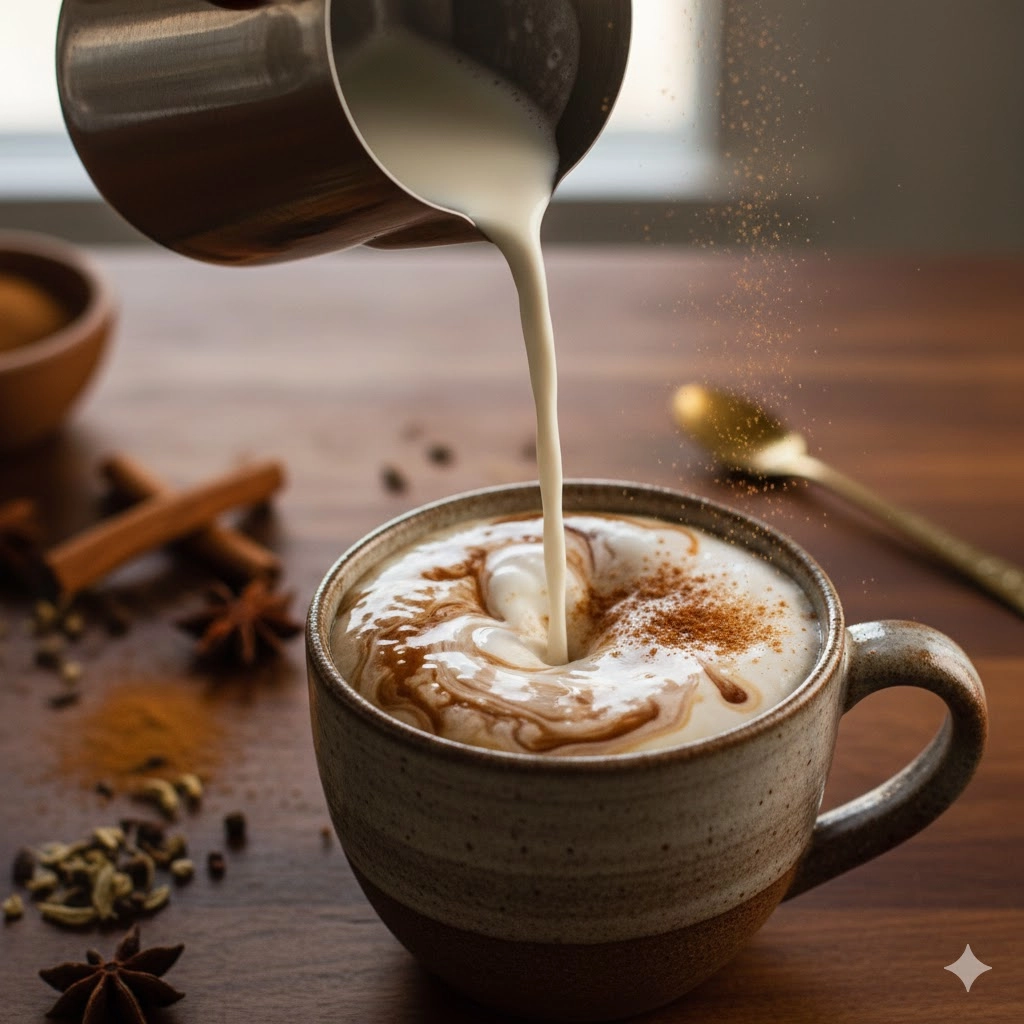
To truly elevate your home barista game, consider the tools you use. While a hand whisk is effective, a small investment in a handheld battery-operated milk frother can change your life. These tools spin at high speeds to create a much tighter, more stable foam that lasts until the very last sip.
Another insight for a better latte is the temperature of your mug. If you pour your hot tea and steamed milk into a cold ceramic mug, the stone will immediately pull the heat out of the liquid. To prevent this, fill your mug with hot tap water while your tea water is boiling. Empty the mug right before you start steeping the tea bag. This “pre-warming” ensures your Chai Tea Latte stays at the optimal sipping temperature for much longer. Additionally, if you find the drink too sweet, try starting with just one teaspoon of sugar. You can always stir in more at the end, but you cannot take it out once it is dissolved.
Ideal Food Pairings and Serving Suggestions
The spicy and sweet nature of a chai latte makes it a versatile partner for many different types of snacks. Because of the cinnamon and ginger notes, it pairs exquisitely with baked goods. A piece of pumpkin bread or a coffee cake with a heavy crumble topping is a classic choice. The density of a muffin or a scone provides a nice contrast to the light, airy foam of the latte.
If you prefer a savory pairing, try serving this drink alongside a sharp cheddar cheese or even a buttery croissant. The fat in the cheese or pastry helps to mellow the astringency of the black tea. For a beautiful presentation, serve the latte in a clear glass mug so the layers of tea and foam are visible, and always remember that a tiny pinch of extra spice on top—be it cinnamon, nutmeg, or even a tiny grating of fresh ginger—adds a professional touch that delights the senses before the first sip is even taken.
Deep Dive into Common Questions
Does a chai tea latte contain a significant amount of caffeine?
Yes, because the base of the drink is black tea, it does contain caffeine. A standard eight ounce serving typically has about forty to fifty milligrams of caffeine, which is roughly half of what you would find in a standard cup of coffee. If you are sensitive to stimulants or want to enjoy this drink in the evening, you should specifically look for tea bags labeled as decaffeinated chai.
Can this recipe be converted into an iced version easily?
Absolutely. To make an iced chai latte, you would follow the same steps to create the hot tea concentrate and dissolve the sugar. However, instead of steaming the milk, you would let the tea concentrate cool slightly, then pour it over a tall glass filled with ice. Fill the rest of the glass with cold milk and stir. The flavor remains just as bold, but it becomes a refreshing summer alternative.
How does the flavor of a homemade chai latte compare to a coffee shop version?
Many people find that the homemade version is cleaner and less syrupy than the versions sold at major chains. Most commercial lattes use a pre-made liquid concentrate that is very high in sugar and preservatives. By using a dry tea bag and fresh milk, you get a more authentic tea flavor where the individual spices like cardamom and black pepper are more distinguishable.
Nutrient Profile and Values
The following values are estimated for a single eight ounce serving using two percent dairy milk and two teaspoons of granulated sugar.
| Nutrient | Amount Per Serving |
| Calories | 120 calories |
| Total Fat | 4 grams |
| Saturated Fat | 2 grams |
| Cholesterol | 15 milligrams |
| Sodium | 90 milligrams |
| Total Carbohydrates | 16 grams |
| Dietary Fiber | 0 grams |
| Sugars | 15 grams |
| Protein | 6 grams |
Nutritional Disclaimer
The nutritional information provided is an estimate based on standard ingredient data. Actual values may vary depending on the specific brands of milk, tea, and sweeteners used in your kitchen. If you have specific dietary requirements, please calculate the values using the labels from your actual ingredients.
A Final Word on the Joy of Home Brewing
Making a Chai Tea Latte at home is more than just a way to save money; it is a ritual of self-care. In less than ten minutes, you can transform basic water, tea, and milk into a sophisticated beverage that warms the hands and the heart. This recipe proves that you do not need expensive machinery or complicated syrups to enjoy the finer things in life. As you become more comfortable with the process, you may find yourself looking forward to that quiet moment in the kitchen where the only thing that matters is the perfect steep and the soft hiss of the milk frother.
PrintThe Ultimate Cozy Homemade Chai Tea Latte Recipe

This homemade Chai Tea Latte is incredibly simple to make at home. It’s warming, the perfect level of sweet, and uses simple pantry staples to create a café-quality experience.
- Prep Time: 2 mins
- Cook Time: 5 mins
- Total Time: 7 mins
- Yield: 1 serving 1x
- Category: Drink
- Method: Stovetop
- Cuisine: American
- Diet: Vegetarian
Ingredients
1/4 cup filtered water
1 chai tea bag
2 teaspoons granulated sugar
3/4 cup milk
Ground cinnamon (optional for topping)
Instructions
1. Bring water to a boil and pour into an 8-ounce mug.
2. Steep the chai tea bag for 5 minutes, then remove and discard.
3. Stir in the granulated sugar until completely dissolved.
4. Heat milk over medium heat until steaming (do not boil) and whisk or froth until foamy.
5. Pour the milk into the tea concentrate, stir, and top with cinnamon.
Notes
For a richer drink, use whole milk or a splash of heavy cream.
Use decaf tea bags for a caffeine-free evening treat.
Pre-warm your mug with hot water to keep the latte hot longer.
Nutrition
- Serving Size: 1 mug
- Calories: 120
- Sugar: 15g
- Sodium: 90mg
- Fat: 4g
- Saturated Fat: 2g
- Unsaturated Fat: 1g
- Trans Fat: 0g
- Carbohydrates: 16g
- Fiber: 0g
- Protein: 6g
- Cholesterol: 15mg