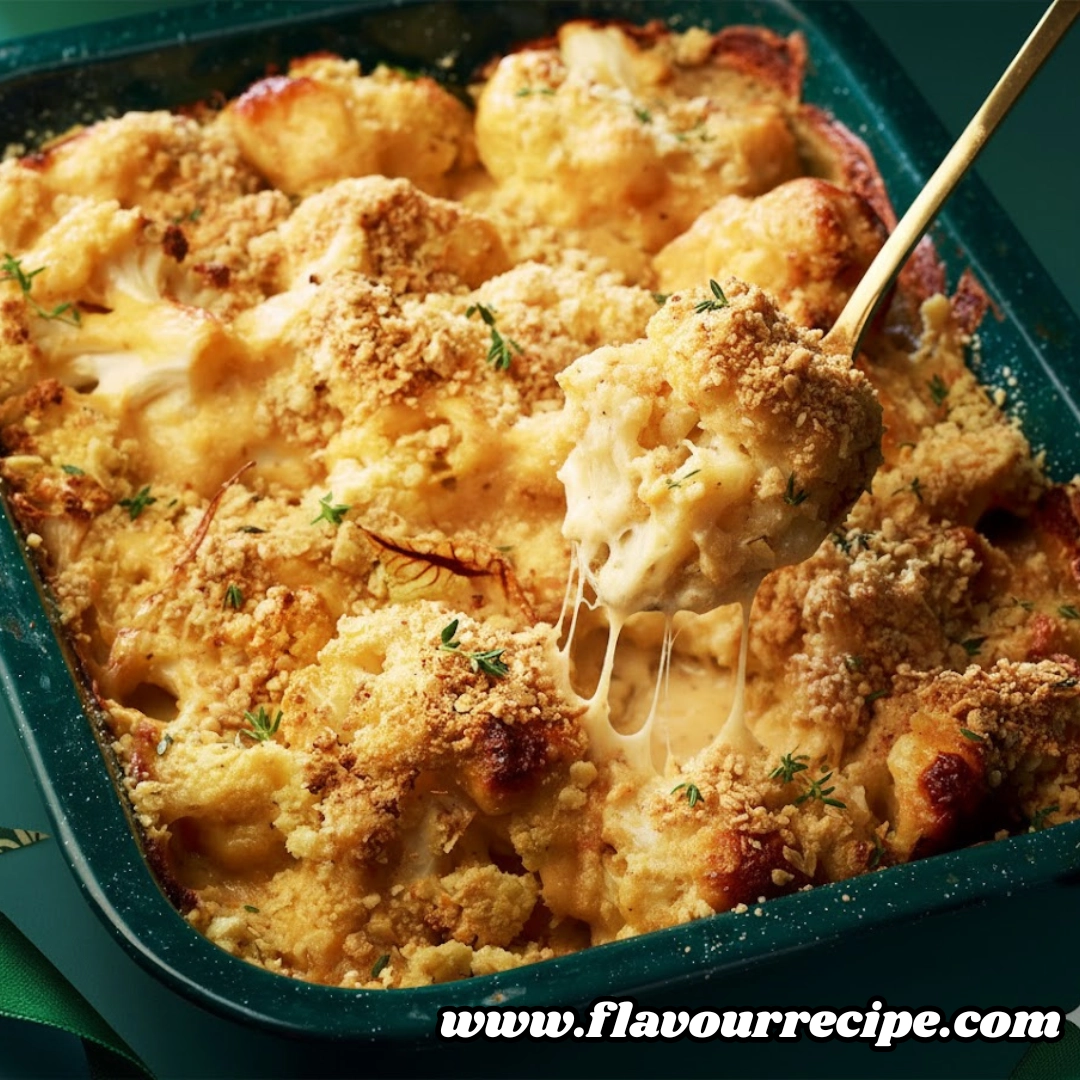
When the holiday season arrives, our tables are often filled with the usual suspects—mashed potatoes, roasted carrots, and perhaps a standard green bean casserole. However, there is a classic British comfort dish that deserves a permanent spot in your festive rotation: the cauliflower cheese. This version takes that nostalgic favorite and transforms it into a show-stopping centerpiece known as the Cauliflower Cheese Crumble. By introducing a savory, buttery crumble topping and an infused cheese sauce, we move away from the bland and watery versions of the past and toward something truly decadent. This dish provides a sophisticated balance of textures, combining tender roasted florets with a golden, crunchy crust that will have your guests asking for seconds before they have even finished their first helping.
Table of Contents
Necessary Ingredients for Your Savory Masterpiece
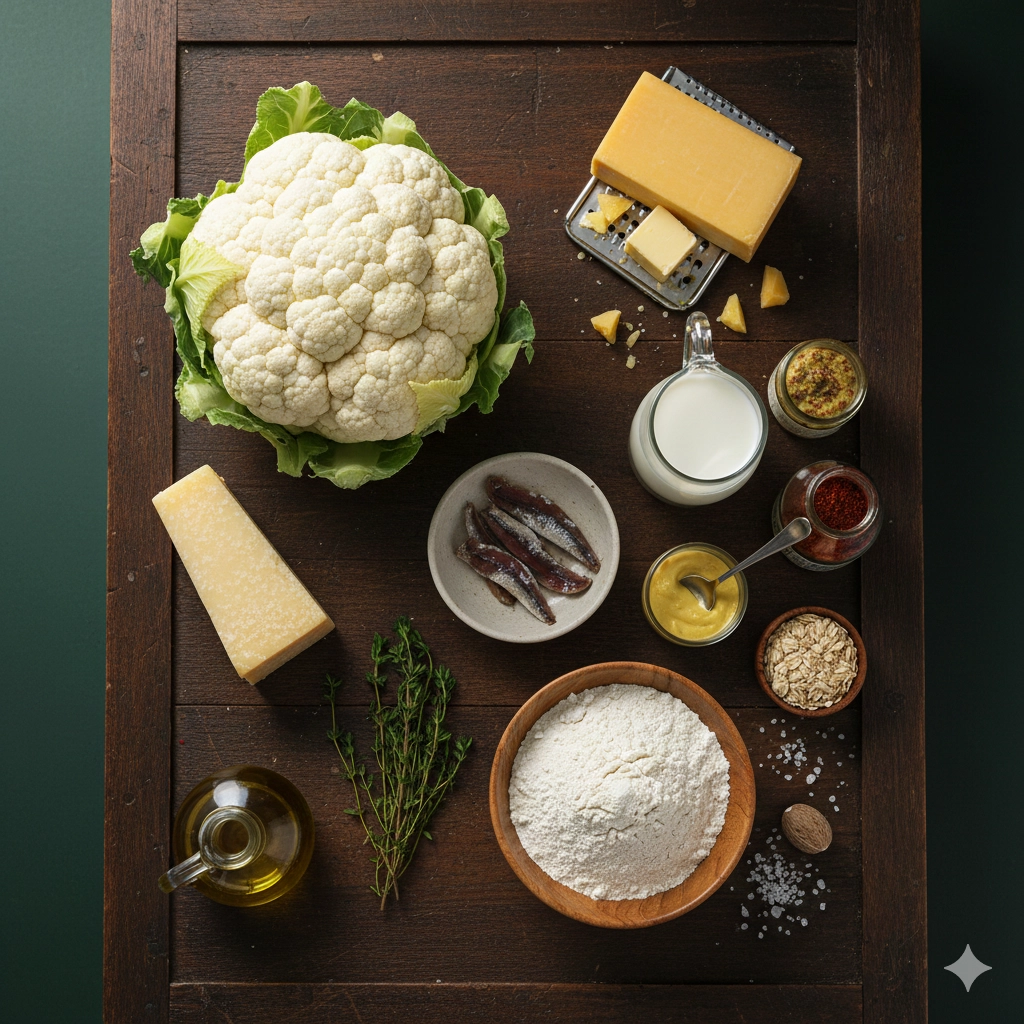
Creating a dish of this caliber requires high-quality ingredients that work in harmony to provide a deep, complex flavor profile. The secret to this recipe lies in the contrast between the sharp cheddar, the salty parmesan, and the surprising umami kick provided by the anchovies.
For the Roasted Cauliflower Base
- 1 large head of cauliflower
- 2 tablespoons olive oil
- A generous pinch of sea salt
For the Decadent Cheese Sauce
- 50 grams salted butter
- 4 anchovies
- 50 grams plain flour
- 500 milliliters whole milk
- 2 teaspoons Dijon mustard
- 1 quarter teaspoon cayenne pepper
- A fresh grating of nutmeg
- 100 grams sharp cheddar, grated
- 20 grams parmesan, grated
For the Golden Crumble Topping
- 100 grams cold salted butter, cut into small cubes
- 100 grams plain flour
- 40 grams rolled oats
- 3 sprigs of fresh thyme, leaves picked
- 20 grams parmesan, grated
Step-by-Step Cooking Instructions
Preparing and Roasting the Cauliflower
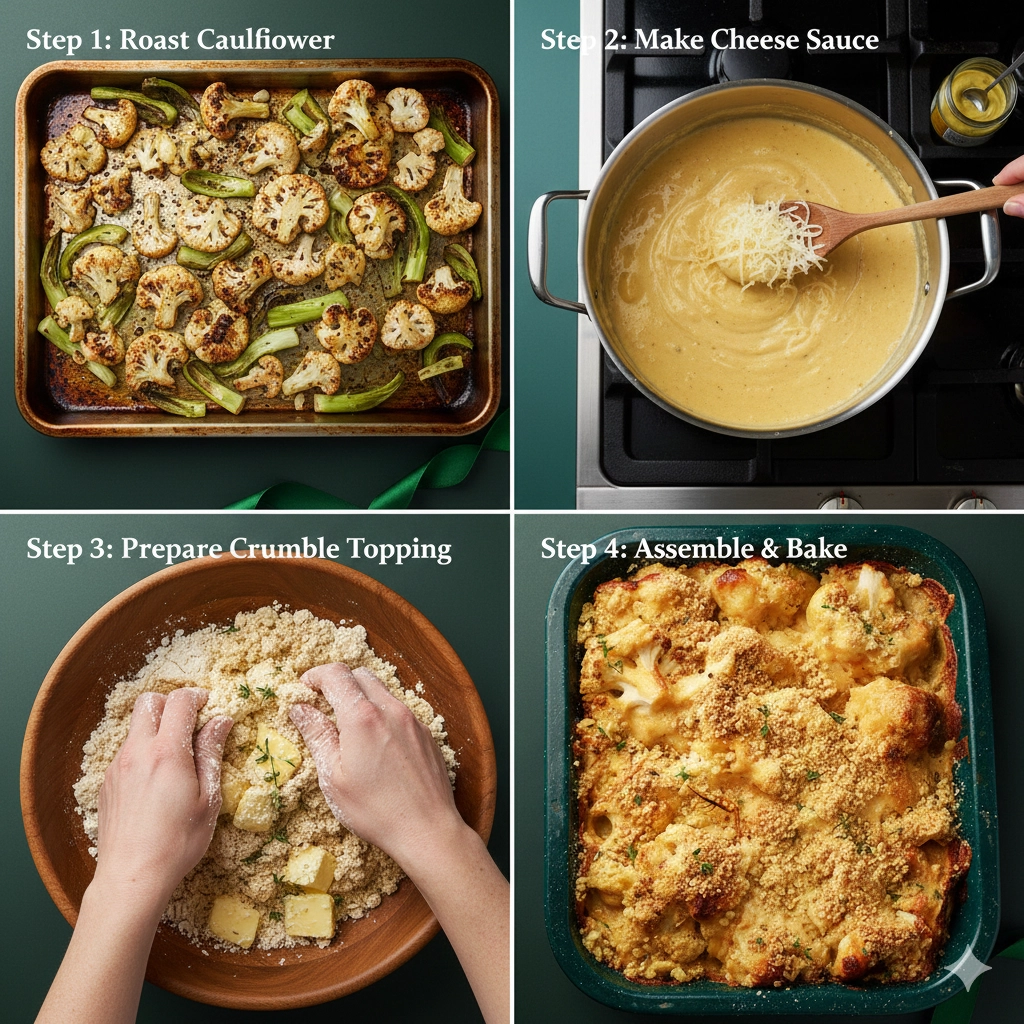
Begin by preheating your oven to 220 Celsius (or 200 Celsius for fan-assisted ovens). While the oven reaches temperature, prepare your cauliflower. Remove and discard any wilted or damaged outer leaves. Take the remaining healthy green leaves and set them aside; these are edible and provide a lovely texture when roasted. Cut the main head into bite-sized florets and chop the central stalk into small pieces. Spread the florets and stalk pieces across a large roasting tray, drizzle with olive oil, and season with salt. Roast for 10 minutes, then toss in the reserved leaves and roast for another 10 minutes until the edges are caramelized.
Crafting the Umami Cheese Sauce
While the vegetables roast, melt 50 grams of butter in a medium saucepan over medium heat. Add the anchovies and stir them constantly until they completely dissolve into the fat. Whisk in the 50 grams of flour and cook for 2 to 3 minutes until the mixture looks like wet sand. Gradually pour in the whole milk, whisking continuously to ensure no lumps form. Cook for 3 to 5 minutes until the sauce is thick and glossy. Remove from the heat and stir in the Dijon mustard, cayenne pepper, nutmeg, cheddar, and 20 grams of parmesan.
Engineering the Perfect Crumble
In a separate mixing bowl, combine the 100 grams of cold cubed butter, 100 grams of flour, and the oats. Use your fingertips to rub the butter into the dry ingredients. You are looking for a texture that clumps together when squeezed in your palm but breaks apart easily. Once achieved, fold in the fresh thyme leaves and the remaining 20 grams of parmesan cheese.
Final Assembly and Baking
Transfer the roasted cauliflower and its leaves into a roasting tin measuring approximately 30 by 20 centimeters. Pour the prepared cheese sauce evenly over the top. Scatter the savory crumble mixture over the surface, ensuring full coverage. Place the tin back into the oven and bake for 40 minutes. The dish is ready when the topping is a deep golden brown and the cheese sauce is bubbling enthusiastically at the edges.
Achieving the Ultimate Creamy Consistency
The biggest pitfall when making any cauliflower cheese dish is the dreaded “watery bottom.” This occurs because cauliflower is naturally high in water content, which it releases as it cooks. To combat this, we utilize a roasting and “steam-dry” method. By roasting the vegetable first rather than boiling it, we intensify the flavor and evaporate a significant portion of its internal moisture.
Crucially, once you remove the cauliflower from the oven after its initial roast, you must let it sit and steam-dry for a full 20 minutes. This interval allows the steam to escape the florets. If you pour the sauce over hot, freshly roasted cauliflower immediately, the trapped steam will turn back into water inside your casserole, thinning out your beautiful sauce. Taking this extra time ensures that your cheese sauce remains thick, rich, and velvety throughout the baking process.
Frequently Asked Questions Regarding This Recipe
Can I taste the anchovies in the final dish?
Many people are hesitant to use anchovies if they aren’t fans of salty fish, but in this recipe, they act as a “secret ingredient.” Because they are melted into the butter at the start of the sauce-making process, they completely lose their fishy identity. Instead, they provide a profound umami depth and saltiness that enhances the cheddar. Your guests likely won’t even know they are there, but they will certainly notice that the sauce tastes more savory than usual.
Is it possible to prepare this dish in advance for a dinner party?
Yes, this is an excellent make-ahead side dish. You can fully assemble the roasted cauliflower, sauce, and crumble in the roasting tin. Once it has cooled to room temperature, wrap it tightly in foil or plastic wrap. It can stay in the refrigerator for up to 24 hours before baking. Alternatively, you can freeze the assembled dish for up to three months. If freezing, be sure to defrost it completely in the refrigerator overnight before putting it in the oven to ensure even heating.
Why are oats included in the crumble topping?
Traditional crumbles often use just flour and butter, but the addition of oats provides a rustic, nutty texture that holds up better against the heavy cheese sauce. The oats create a more substantial “crunch” that contrasts beautifully with the soft, roasted cauliflower. Additionally, the oats absorb some of the butter during the bake, which prevents the topping from becoming greasy while maintaining a satisfying bite.
Detailed Walkthrough of the Culinary Process
The transformation of a simple vegetable into a Cauliflower Cheese Crumble is a study in heat management and flavor layering. When you roast the cauliflower at a high temperature of 220 Celsius, you are initiating the Maillard reaction. This chemical reaction between amino acids and reducing sugars gives the cauliflower its toasted, nutty notes that boiling simply cannot achieve. The inclusion of the cauliflower leaves is a sustainable kitchen practice that also adds a variety of textures; the leaves become slightly crispy, almost like kale chips, providing an earthy contrast to the tender florets.
The sauce-making process, or the creation of a roux-based mornay sauce, is the heart of the dish. By cooking the flour and butter for a few minutes before adding milk, you remove the raw flour taste. The addition of Dijon mustard and cayenne pepper serves a functional purpose beyond heat; the acid in the mustard cuts through the fat of the whole milk and butter, while the cayenne adds a subtle warmth that stimulates the palate without making the dish spicy. Grating fresh nutmeg is a traditional touch that complements the dairy perfectly, adding a woody, sweet aroma that is synonymous with holiday cooking.
When you rub the cold butter into the flour for the crumble, you are creating small pockets of fat. As the dish bakes for those final 40 minutes, the water in the butter evaporates, leaving behind airy gaps that result in a light, crisp texture. The parmesan in the topping undergoes its own transformation, melting and then hardening into “frico” or lacey cheese crisps within the crumble.
Modifications and Creative Substitutions
While the recipe as written provides a classic and robust flavor, there is always room for personal expression in the kitchen. If you prefer a different cheese profile, you can substitute the sharp cheddar with Gruyere or Fontina for a nuttier, meltier consistency. For those who need a gluten-free option, the plain flour in both the sauce and the crumble can be replaced with a high-quality gluten-free all-purpose blend, and ensure your oats are certified gluten-free.
If you find yourself without fresh thyme, rosemary or sage make excellent earthy substitutes that pair well with the heavy creaminess of the dish. For a bit of extra texture in the crumble, you could even add crushed walnuts or hazelnuts to the mix. If you want to lean further into the smoky notes, replacing the cayenne pepper with smoked paprika can provide a beautiful color and a campfire aroma to the sauce.
Accompaniments and Suggestions for Serving
This Cauliflower Cheese Crumble is a versatile side that pairs magnificently with a wide range of main courses. It is a natural companion to a traditional roasted turkey or honey-glazed ham during Christmas or Thanksgiving. The richness of the cheese sauce complements the lean protein of poultry perfectly.
For a more casual Sunday roast, serve this alongside roasted beef and Yorkshire puddings. The savory crumble topping can even act as a substitute for traditional stuffing. If you are serving this as part of a vegetarian feast, it is substantial enough to be a main component when served with a crisp green salad tossed in a sharp lemon vinaigrette to balance the richness of the cheese.
Nutrient Profile and Information
| Nutrient | Amount Per Serving |
| Calories | 532 kcal |
| Total Fat | 37 grams |
| Saturated Fat | 21 grams |
| Carbohydrates | 32 grams |
| Sugars | 0 grams |
| Fiber | 3 grams |
| Protein | 16 grams |
| Salt | 1.47 grams |
Nutritional Disclaimer
The nutritional information provided is an estimate based on the specific ingredients listed in this recipe. Actual nutritional values may vary depending on the brands of products used and the exact portion sizes served. This dish is intended as a celebratory side and is high in dairy and fats.
Final Thoughts on This Festive Favorite
There is something deeply satisfying about a dish that takes a humble vegetable like cauliflower and elevates it to such heights of flavor and texture. This Cauliflower Cheese Crumble is more than just a side dish; it is a testament to how thoughtful preparation—like roasting the vegetables and allowing them to steam-dry—can completely change the outcome of a classic recipe. Whether you are looking for the perfect addition to your holiday spread or simply want a cozy meal for a cold winter night, this recipe delivers a punch of umami, a satisfying crunch, and a creamy finish that will satisfy any comfort food craving.
PrintElevate Your Holiday Table with the Ultimate Cauliflower Cheese Crumble

Elevate your holiday table with this gourmet Cauliflower Cheese Crumble. Featuring roasted florets, a rich umami-packed cheese sauce with anchovies, and a crunchy oat and parmesan topping.
- Prep Time: 25 mins
- Cook Time: 60 mins
- Total Time: 85 mins
- Yield: 6 servings 1x
- Category: Side Dish
- Method: Roasting
- Cuisine: British
Ingredients
1 large head of cauliflower
2 tablespoons olive oil
Salt
50 grams salted butter
4 anchovies
50 grams plain flour
500 milliliters whole milk
2 teaspoons Dijon mustard
1 quarter teaspoon cayenne pepper
Fresh grating of nutmeg
100 grams sharp cheddar, grated
20 grams parmesan, grated
100 grams cold salted butter, cubed
100 grams plain flour (for topping)
40 grams rolled oats
3 sprigs fresh thyme, leaves picked
20 grams parmesan, grated (for topping)
Instructions
1. Preheat oven to 220 Celsius. Roast cauliflower florets and stalks with olive oil and salt for 10 minutes. Add leaves and roast for 10 more minutes.
2. Melt 50g butter and dissolve anchovies. Whisk in 50g flour for 2-3 minutes. Gradually whisk in milk until thick. Stir in mustard, cayenne, nutmeg, cheddar, and 20g parmesan.
3. Let the roasted cauliflower steam-dry for 20 minutes to prevent wateriness.
4. Rub cold 100g butter with 100g flour and oats until crumbly. Mix in thyme and remaining 20g parmesan.
5. Transfer cauliflower to a roasting tin, pour over the sauce, scatter the crumble, and bake for 40 minutes until golden.
Notes
Do not skip the 20-minute steam-dry step to avoid a watery sauce.
The anchovies provide umami and saltiness without a fishy taste.
You can assemble the dish and freeze it for up to three months.
Nutrition
- Serving Size: 1 portion
- Calories: 532
- Sugar: 0g
- Sodium: 1.47g
- Fat: 37g
- Saturated Fat: 21g
- Unsaturated Fat: 12g
- Trans Fat: 0g
- Carbohydrates: 32g
- Fiber: 3g
- Protein: 16g
- Cholesterol: 85mg