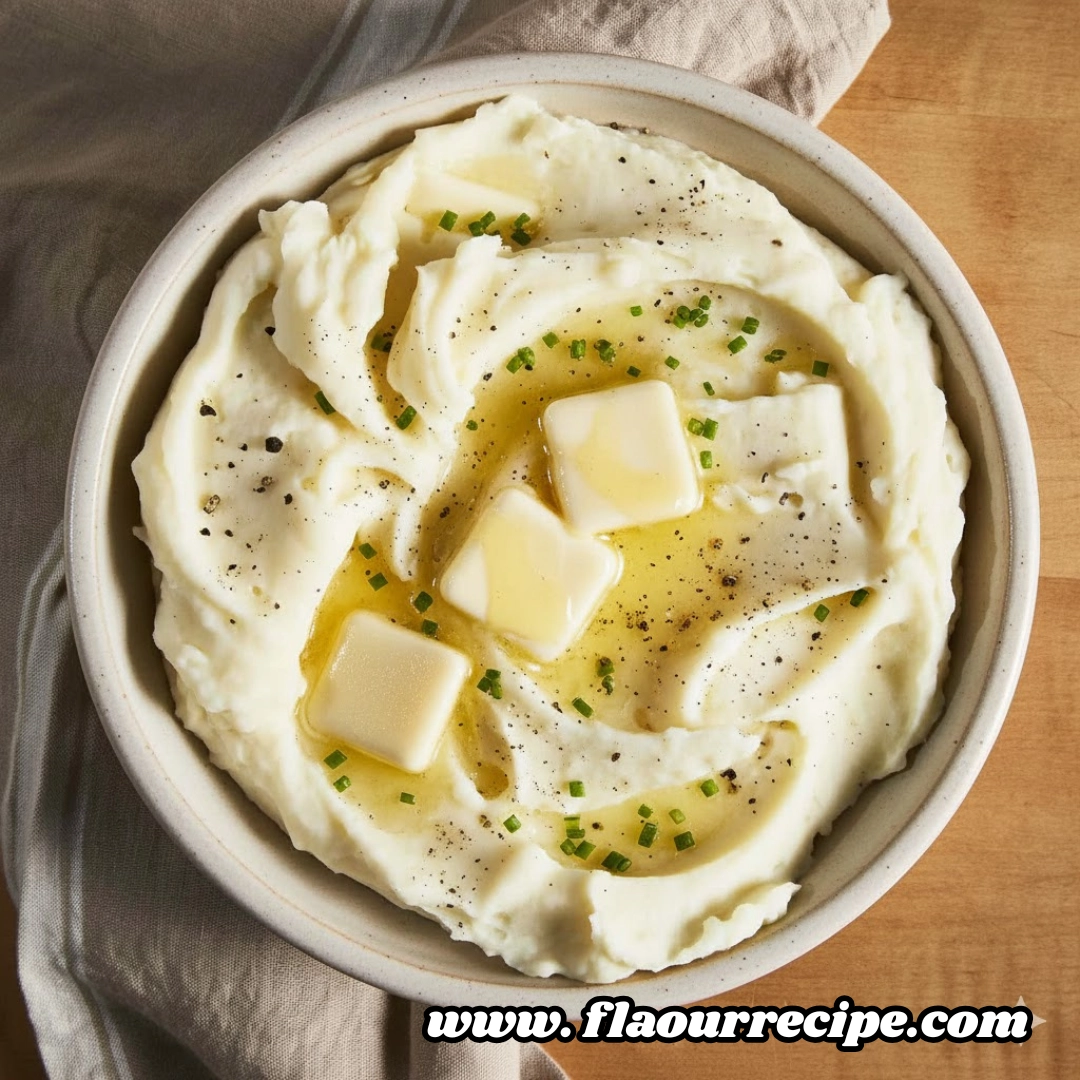
There is perhaps no side dish more iconic or comforting than a massive bowl of the best mashed potatoes. Whether they are perched next to a holiday turkey, serving as a pillowy bed for a juicy pot roast, or simply acting as the ultimate weeknight comfort food, mashed potatoes are the backbone of American home cooking. However, achieving that perfect balance of light, airy texture and rich, buttery flavor can be surprisingly elusive for many cooks.
This recipe focuses on the foundational techniques that elevate simple tubers into a gourmet experience. By using the right variety of potato and ensuring your dairy is at the optimal temperature before it ever touches the spuds, you can guarantee a result that is never gummy, never lumpy, and always delicious. This is the definitive guide to creating a side dish that your family will request for every single meal.
Table of Contents
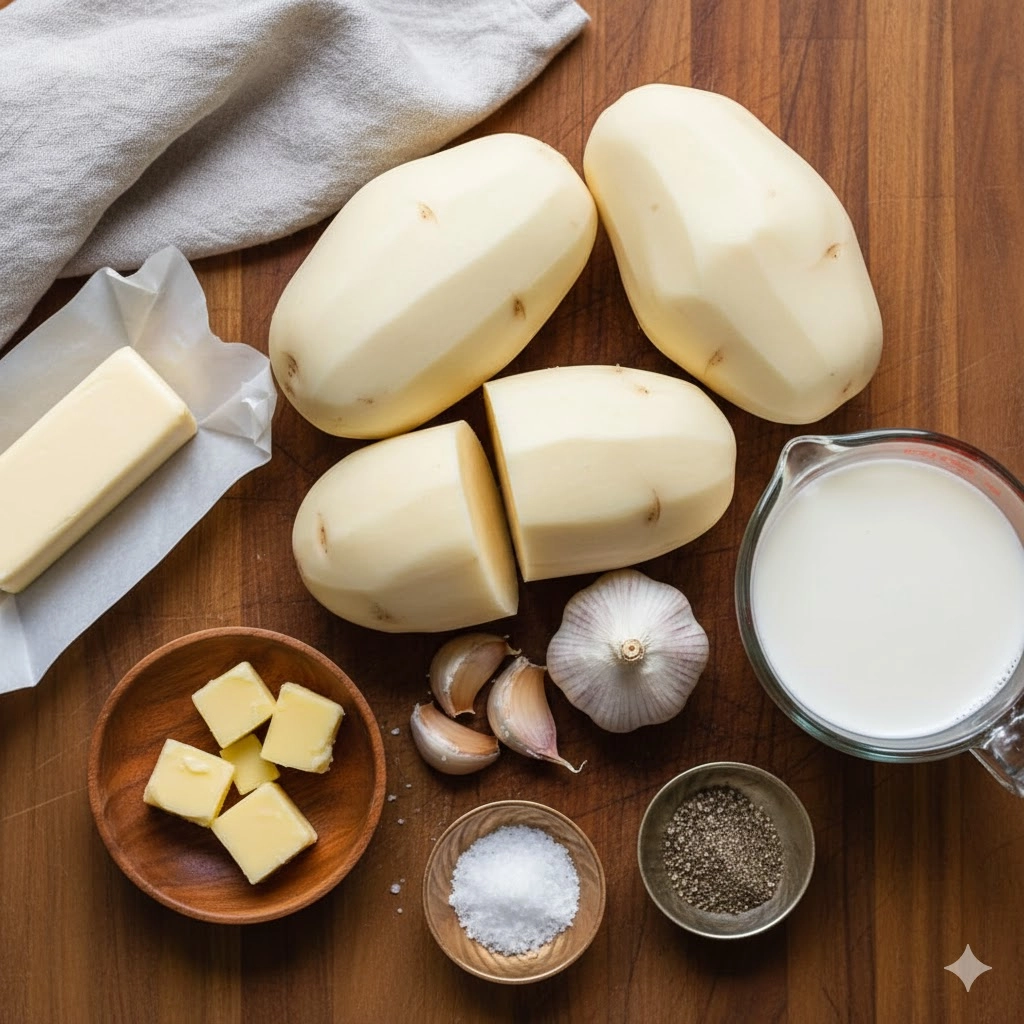
Ingredients
- 2 pounds baking potatoes, peeled and quartered
- 3 cloves garlic, peeled, or to taste (Optional)
- 1 cup milk
- 2 tablespoons butter
- salt and ground black pepper to taste
Instructions
- Gather all ingredients and prepare your workspace.
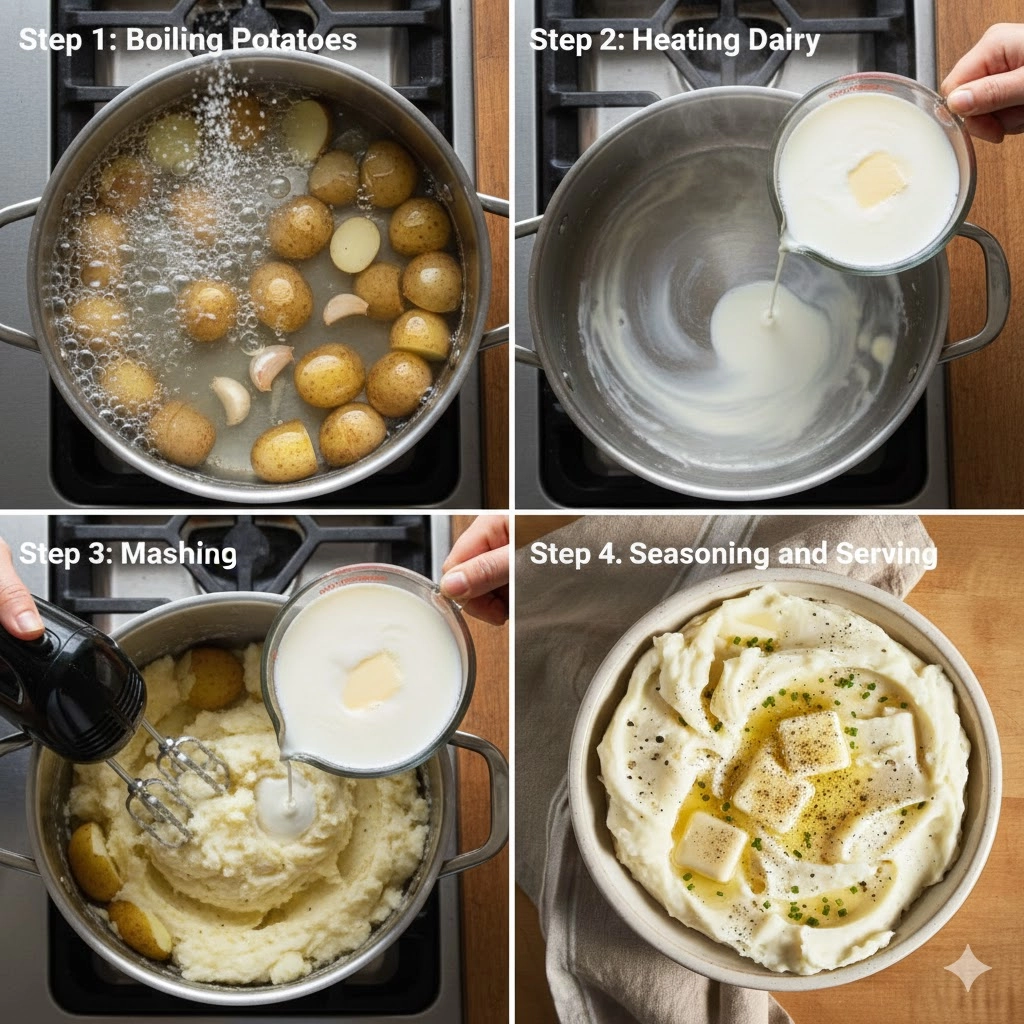
- Bring a large pot of salted water to a rolling boil. Carefully add the peeled and quartered potatoes along with the garlic cloves. Lower the heat to medium and allow the mixture to simmer until the potatoes are completely tender, which usually takes about 15 minutes.
- As the potatoes approach the end of their cooking time, combine the milk and butter in a small saucepan over low heat. Heat the mixture gently until the butter is fully melted and the milk is warm.
- Drain the potatoes and garlic thoroughly in a colander and return them to the warm pot. Slowly begin adding the warm milk and butter mixture. Use a potato masher for a rustic texture or an electric mixer for a smoother result, blending until the potatoes are creamy.
- Season the dish with salt and pepper to taste. Serve immediately with an extra pat of butter on top.
Achieving the Ultimate Creamy Consistency
The secret to the best mashed potatoes lies not just in the ingredients, but in the thermal physics of the mixing process. When you add cold milk or cold butter to a hot, starchy potato, the temperature shock can cause the starches to seize, often resulting in a gummy or gluey texture that no amount of mashing can fix. By heating the milk and butter together until they are a consistent, warm liquid, you allow the potato starch to absorb the fats and liquids harmoniously.
The choice of potato is equally vital. Baking potatoes, specifically Russets, are the gold standard for this recipe because they are high in starch and low in moisture. When boiled, their cells separate easily, creating a mealy texture that is hungry for butter and milk. If you prefer something slightly more dense and buttery, Yukon Golds are a fantastic alternative, but for that classic cloud-like fluffiness, the baking potato remains king.
Another critical step often overlooked is the “drying” phase. After draining your potatoes, let them sit in the hot pot for a minute or two over very low heat. This allows any residual surface moisture to evaporate as steam. If you mash potatoes while they are still dripping with water, you dilute the flavor and ruin the potential for a rich, velvety finish. The drier the potato is before the dairy is added, the more milk and butter it can successfully incorporate.
Step-by-Step Details
The journey to the best mashed potatoes begins with the preparation of the spuds. Peeling and quartering the potatoes ensures they cook evenly and quickly. Aim for uniform pieces so that you don’t end up with some chunks that are falling apart while others are still firm in the center. When you add them to the pot, the water should be seasoned generously with salt; this is your only chance to season the potato from the inside out.
The addition of garlic cloves to the boiling water is a subtle but transformative move. As the garlic boils alongside the potatoes, it loses its sharp, pungent bite and becomes soft, mellow, and slightly sweet. When you mash the garlic directly into the potatoes later, it integrates perfectly, providing a background hum of flavor that makes people wonder why your recipe tastes so much better than the standard version.
Monitoring the simmer is key. You want a gentle bubble rather than a violent boil, which can break the potatoes apart prematurely and lead to waterlogged spuds. Once a fork can slide in and out of a potato chunk with zero resistance, they are ready.
While the potatoes drain, the milk and butter infusion happens. Using a small saucepan, you aren’t just melting the butter; you are creating an emulsion. The fat molecules in the butter and the proteins in the milk bond, and when this warm mixture meets the potatoes, it coats every starch granule. If you are using an electric mixer, start on a low speed to break up the large chunks, then increase to medium. Be careful not to over-mix, as excessive agitation releases too much starch, leading to a sticky consistency.
Unique Culinary Insights
To truly master the best mashed potatoes, one must understand the “starch factor.” Starch is what gives the potato its body, but it is also a double-edged sword. If you use a food processor or a blender, the high-speed blades will tear the starch molecules apart, releasing a sticky substance called amylose. This is what creates “wallpaper paste” potatoes. Always stick to a hand masher, a ricer, or a standard hand mixer to keep those starches intact and your texture light.
Another professional insight involves the timing of the seasoning. While you should salt the water, the final seasoning of salt and ground black pepper should happen at the very end. The flavors of the milk and butter will change how much salt is actually needed. Always taste as you go. Ground black pepper adds a classic look, but if you want a pristine, all-white appearance for a formal dinner, you might consider using white pepper instead.
For those who want a bit of a crust, you can follow the “Cook’s Note” suggestion of piping the finished mash into a casserole dish. Using a star tip on a piping bag can create beautiful ridges that catch the heat of the oven, turning golden brown and providing a delightful textural contrast to the creamy interior. This “Duchess” style presentation is a simple way to make a budget-friendly side dish look like a five-star entree.
Accompaniments and Serving
While the best mashed potatoes can certainly stand alone, they are the ultimate team player in the culinary world. To serve them properly, create a small well in the center of the mound with the back of a spoon. This well is designed to hold a pool of melted butter or, even better, a rich brown gravy.
If you are serving these with a roast, ensure the potatoes are the very last thing you finish. They hold heat well if kept in a covered pot, but they are at their absolute peak of fluffiness the moment they are mashed. For a pop of color and a fresh hit of flavor, consider garnishing with freshly chopped chives, parsley, or even a sprinkle of paprika.
These potatoes pair exceptionally well with:
- Salisbury steak or meatloaf with mushroom gravy.
- Roasted chicken with a lemon-herb pan sauce.
- Grilled steaks with a red wine reduction.
- Holiday hams with a honey glaze.

Modifications and Substitutions
Dietary needs or personal preferences shouldn’t keep anyone from enjoying the best mashed potatoes. If you need to avoid dairy, you can substitute the milk with a high-quality chicken or vegetable stock. This will change the flavor profile to something more savory and less creamy, but the texture will remain excellent. For the butter, a neutral oil or a plant-based butter substitute works well.
For those looking for a richer experience, the “Editorial Tweak” of using heavy cream instead of milk is a game-changer. The higher fat content in the cream provides a luxurious mouthfeel that is perfect for Thanksgiving or Christmas dinners. You could also swap out some of the milk for sour cream or Greek yogurt to add a pleasant tang and extra creaminess.
If you want to vary the texture, try leaving the skins on for “smash potatoes.” This works best with thin-skinned varieties like Red Bliss or Yukon Gold. The skins add fiber and a rustic, earthy flavor. Additionally, adding mix-ins like shredded Cheddar cheese, Parmesan, or even folded-in goat cheese can transform the dish into a centerpiece of its own.
Deep-Dive FAQ
Can I make these potatoes ahead of time for a party?
Yes, you can certainly prepare the best mashed potatoes in advance. The most effective way is to make them completely, then store them in a slow cooker on the “warm” setting. To keep them from drying out, add a small splash of milk and a few dots of butter on top before covering. Stir them occasionally to ensure the heat is distributed evenly.
What is the best way to reheat leftovers without them getting dry?
Reheating mashed potatoes can be tricky because the starch tends to firm up in the fridge. To restore their creaminess, place the leftovers in a saucepan over medium-low heat and add a tablespoon of milk or a small knob of butter. Stir constantly as they warm through. Alternatively, you can microwave them in thirty-second intervals, stirring between each, with a damp paper towel draped over the bowl to trap steam.
Why did my mashed potatoes turn out gummy?
Gumminess is almost always the result of two things: over-working the potatoes or using the wrong type of potato. If you used a blender or food processor, the high speed likely broke the starch cells. If you used waxy potatoes (like red potatoes) and mashed them extensively, they can also become sticky. To avoid this, use a hand masher and stop as soon as the lumps are gone.
Is it necessary to boil the garlic with the potatoes?
While it is optional, boiling the garlic is highly recommended for a cohesive flavor. Raw garlic added at the end would be far too pungent and wouldn’t distribute evenly. By boiling it, the garlic becomes soft enough to be pulverized by the masher, allowing its essence to permeate the entire batch of potatoes without overwhelming the palate.
A Legacy of Comfort
This recipe for the best mashed potatoes is more than just a list of instructions; it is a celebration of simple ingredients treated with respect. By taking the small extra steps of warming your dairy and choosing the right baking potatoes, you transform a humble root vegetable into a masterpiece of texture and taste. Whether you are a novice cook or a seasoned chef, the satisfaction of a perfectly smooth, buttery mash is a universal joy that brings everyone to the table.
Nutrition Table
| Nutrient | Amount Per Serving |
| Calories | 257 |
| Total Fat | 7 grams |
| Saturated Fat | 4 grams |
| Cholesterol | 19 milligrams |
| Sodium | 55 milligrams |
| Total Carbohydrates | 44 grams |
| Dietary Fiber | 4 grams |
| Sugars | 4 grams |
| Protein | 6 grams |
| Vitamin C | 22 milligrams |
| Calcium | 88 milligrams |
| Iron | 2 milligrams |
| Potassium | 966 milligrams |
Disclaimer
The nutritional information provided is an estimate based on the specific ingredients listed and should be used for informational purposes only. Actual nutritional content may vary depending on the specific brands used and the exact size of the potatoes.
PrintBest Mashed Potatoes

These are the best mashed potatoes: smooth, creamy, and buttery. A classic side dish using baking potatoes, warm milk, and melted butter for perfectly fluffy results.
- Prep Time: 15 mins
- Cook Time: 15 mins
- Total Time: 30 mins
- Yield: 4 servings 1x
- Category: Side Dish
- Method: Boiling
- Cuisine: American
Ingredients
2 pounds baking potatoes, peeled and quartered
3 cloves garlic, peeled
1 cup milk
2 tablespoons butter
Salt and ground black pepper to taste
Instructions
1. Bring a large pot of salted water to a boil. Add potatoes and garlic; simmer until tender, about 15 minutes.
2. Heat milk and butter in a small saucepan over low heat until butter is melted.
3. Drain potatoes and return to the pot. Slowly add warm milk mixture.
4. Blend with a potato masher or electric mixer until smooth and creamy.
5. Season with salt and pepper and serve.
Notes
Add up to 1 cup of shredded Cheddar or Parmesan for a cheesy variation.
Extra delicious topped with crispy fried onions or crumbled bacon.
Pipe into a casserole dish and bake until lightly browned on top for a fancy holiday presentation.
Nutrition
- Serving Size: 1 cup
- Calories: 257
- Sugar: 4g
- Sodium: 55mg
- Fat: 7g
- Saturated Fat: 4g
- Unsaturated Fat: 2g
- Trans Fat: 0g
- Carbohydrates: 44g
- Fiber: 4g
- Protein: 6g
- Cholesterol: 19mg