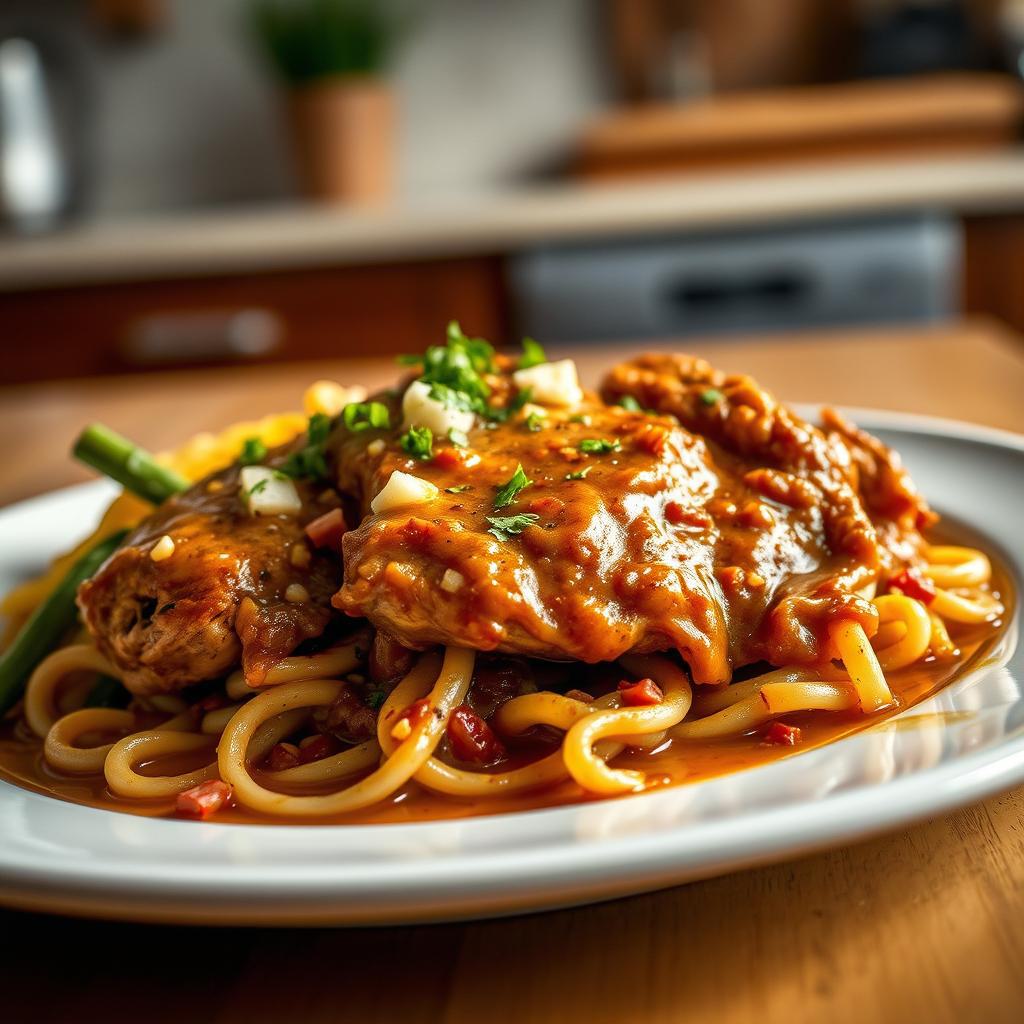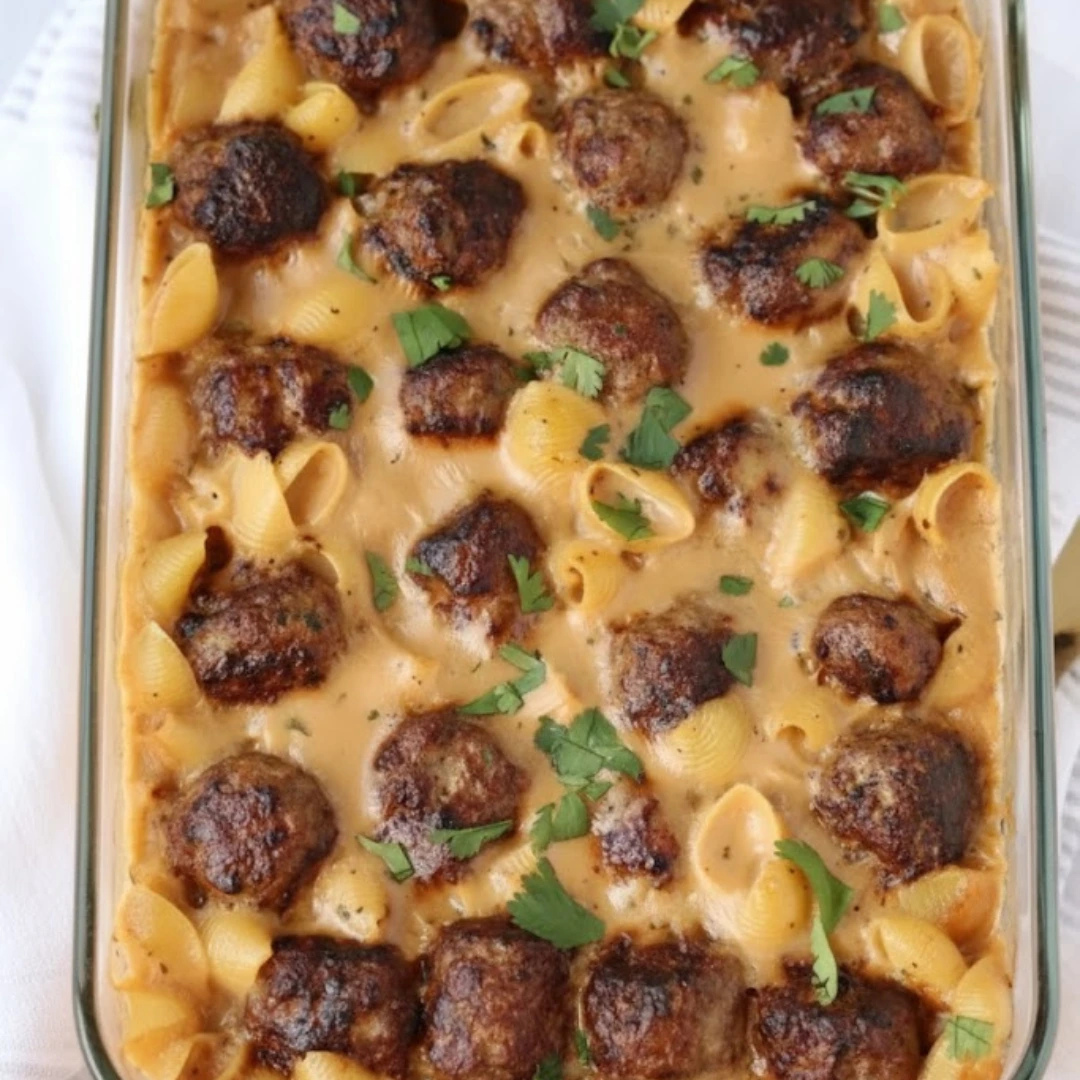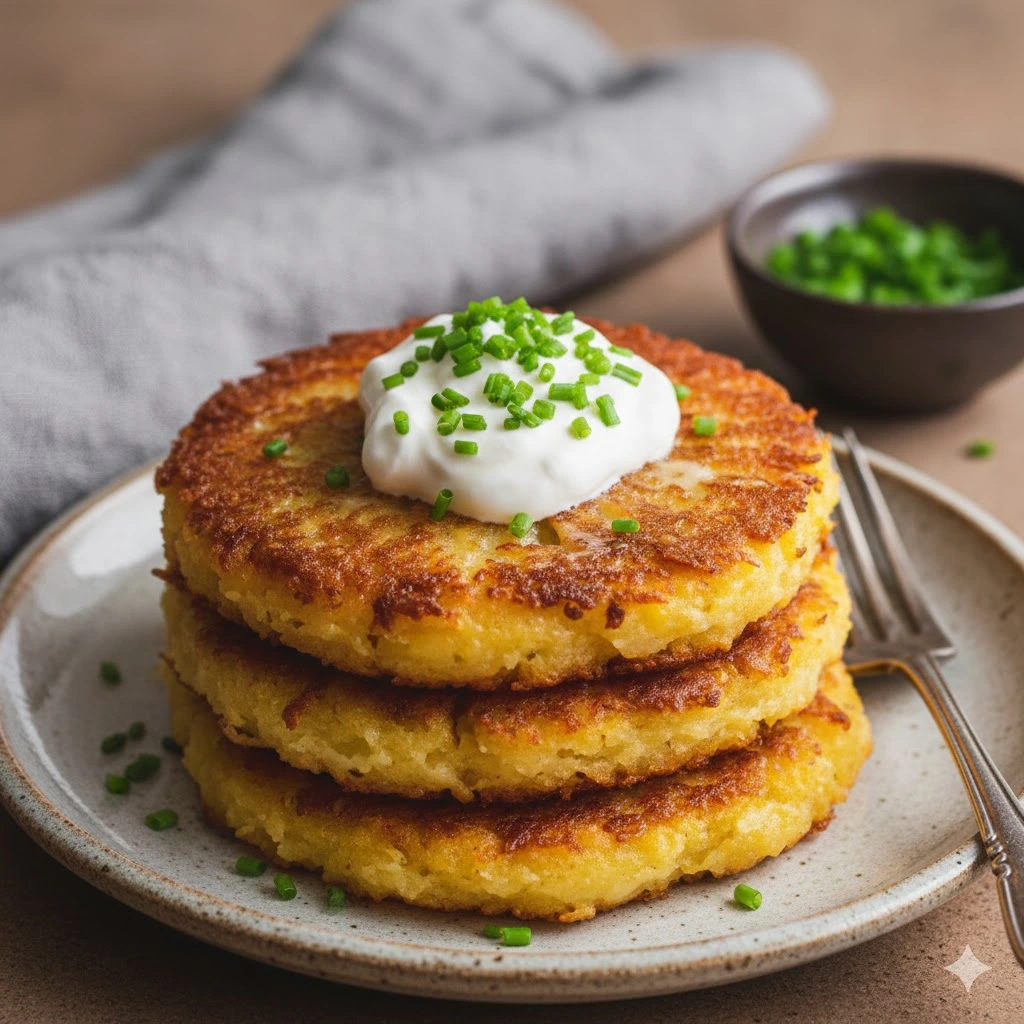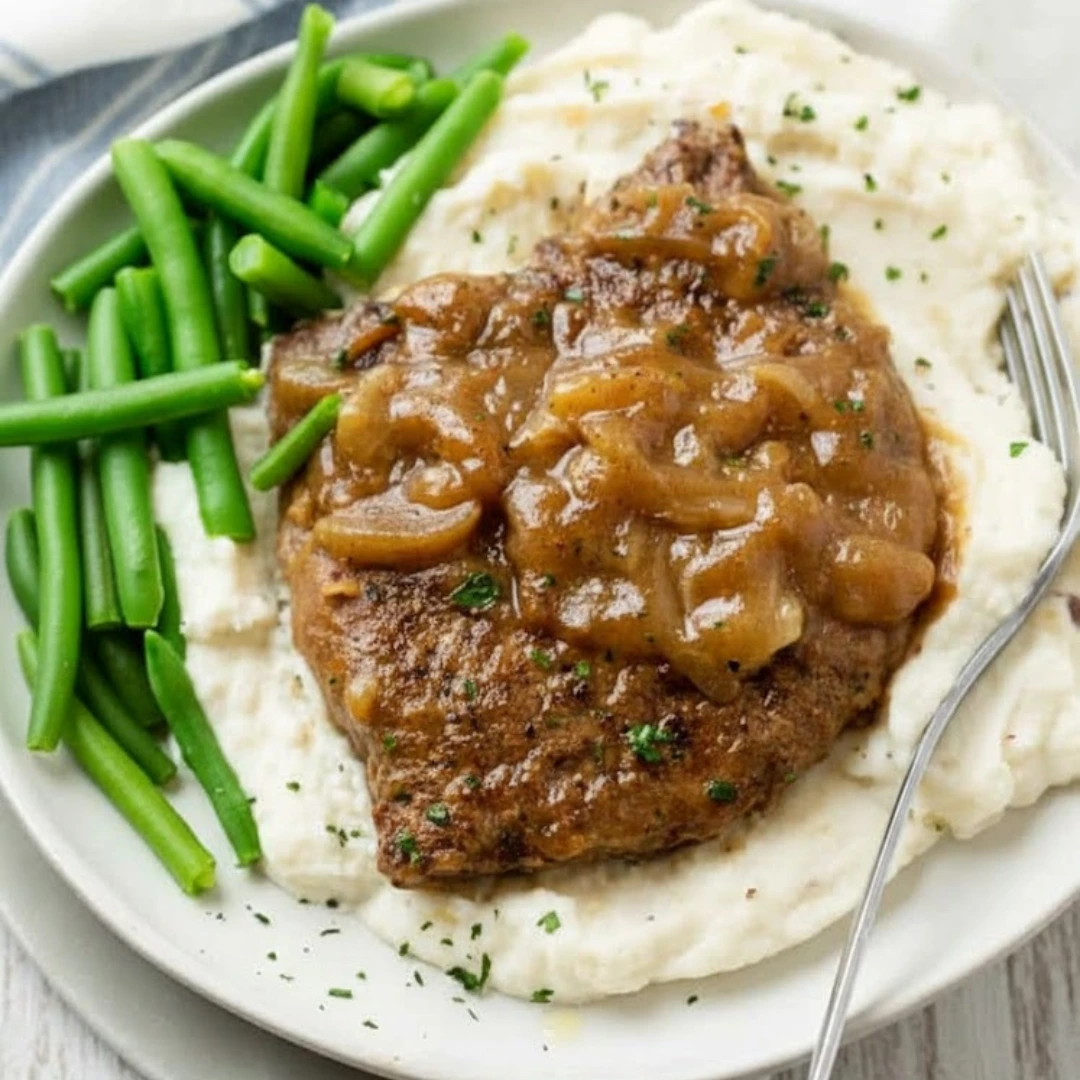
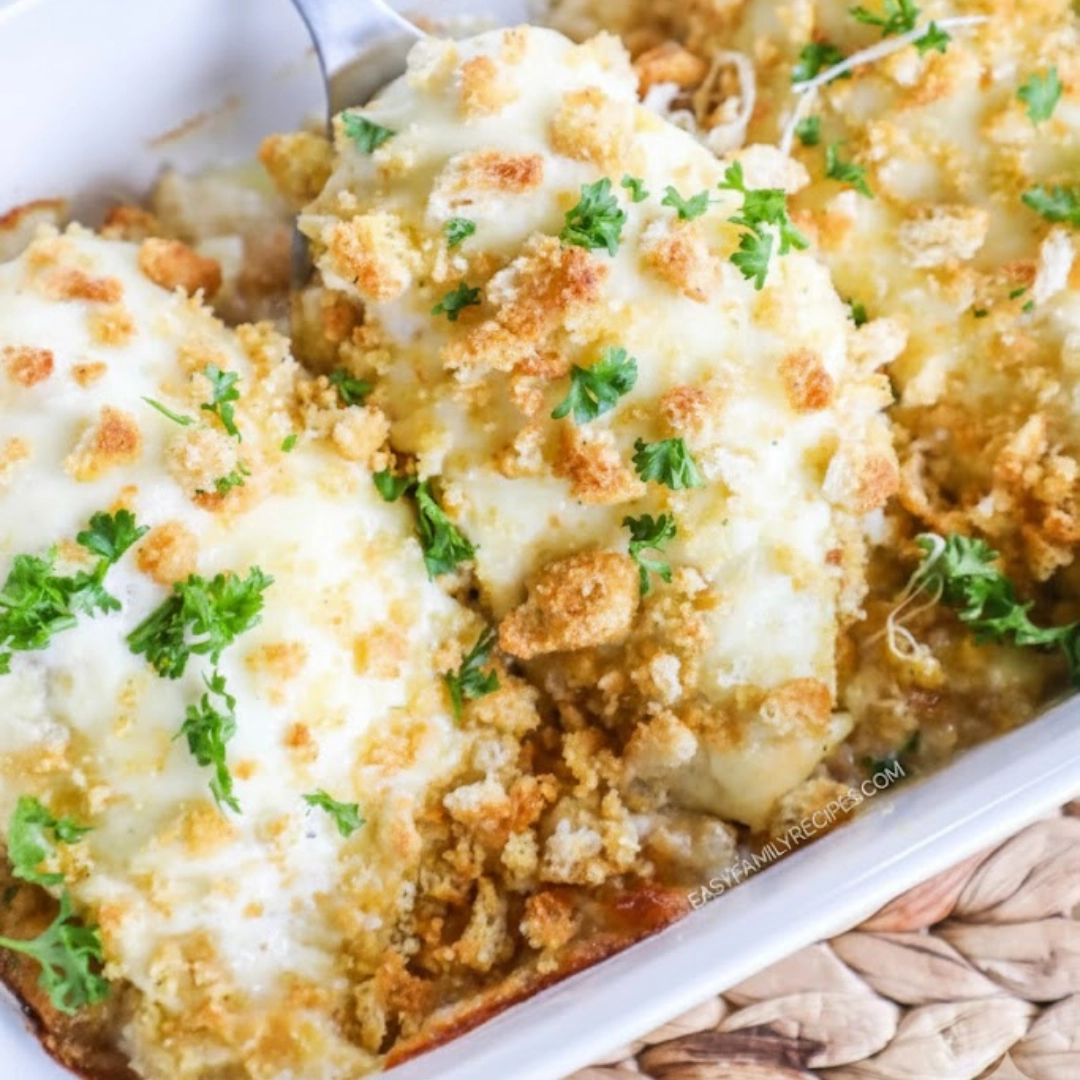
This Baked Caesar Chicken recipe is a study in streamlined flavor, combining the tangy, savory notes of classic Caesar dressing with the tender, reliable goodness of oven-roasted chicken breast. It’s a dish built for those evenings when you crave something deeply satisfying and flavorful, yet demand an absolute minimum of fuss. The beauty of this approach lies in the marinade—the Caesar dressing acts as both the primary seasoning and a tenderizer, ensuring the chicken emerges from the oven succulent and moist. Served with a light dusting of Parmesan and perhaps a bright wedge of lemon, it transforms a simple protein into a centerpiece that requires virtually no active cooking time. It is a quick-fire recipe that feels far more involved than its simple ingredient list suggests, making it a reliable staple for any home cook.
Table of Contents
The Essential Components for Caesar-Infused Chicken
The ingredient list for this dish is intentionally minimal, leveraging the robust flavor profile already present in a quality Caesar dressing.
The Main Players
- Four (4) boneless, skinless chicken breasts (about 6 to 8 ounces each)
- Three-quarters (3/4) cup of prepared Caesar salad dressing (a thick, creamy variety works best)
- One (1) teaspoon of Italian seasoning blend
- One-half (1/2) teaspoon of finely ground black pepper
- One-quarter (1/4) teaspoon of sea salt
Finishing Touches
- One-half (1/2) cup of grated Parmesan cheese, plus extra for serving
- One-quarter (1/4) cup of panko breadcrumbs (optional, for crunch)
- Two (2) tablespoons of freshly chopped parsley or chives

The Four Phases of Preparation
Achieving perfectly tender and flavorful chicken is a simple four-step process centered around marination and gentle baking.
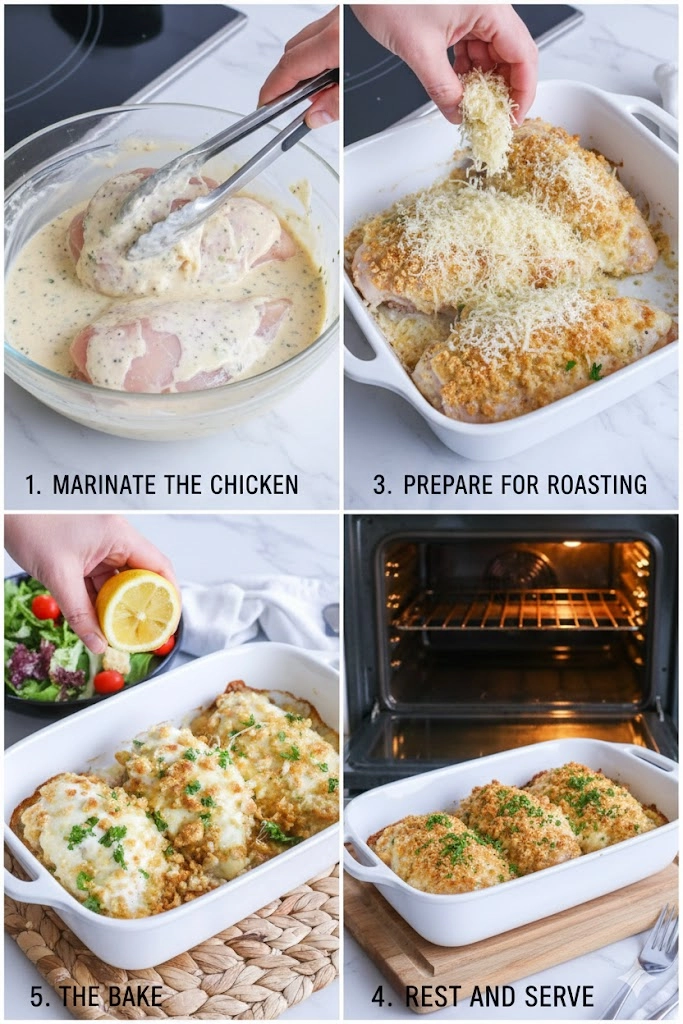
- Marinate the Chicken: In a large bowl or zip-top bag, combine the chicken breasts with the Caesar dressing, Italian seasoning, salt, and pepper. Ensure the chicken is fully coated. Refrigerate for at least thirty minutes, or up to four hours.
- Ready the Pan: Preheat your oven to three hundred seventy-five Fahrenheit. Lightly grease a baking dish that is large enough to hold the chicken in a single layer without crowding.
- Prepare for Roasting: Remove the chicken from the marinade and place it in the prepared baking dish. Sprinkle the tops evenly with the grated Parmesan cheese and the panko breadcrumbs, if using.
- The Bake and Rest: Bake for twenty to twenty-five minutes, or until the internal temperature reaches one hundred sixty-five Fahrenheit. Let the chicken rest for five minutes before slicing and serving.
An Examination of Texture and Flavor: Detailed Cooking Notes
The simplicity of the instructions belies the critical sensory checks that distinguish an acceptable baked chicken from a truly memorable one. Attention to temperature and appearance is key.
Perfecting the Marination Stage
While the recipe calls for a minimum thirty-minute soak, understand that the rhythm of flavor absorption changes with time. For a subtle, moistening effect, thirty minutes is fine. For a deeper, more pronounced tang from the dressing, allowing the chicken to rest in the marinade for closer to two to four hours in the refrigerator is ideal. Crucially, scrape off any excess, gloopy marinade before baking. Too much dressing in the pan will lead to a watery, cloudy pan sauce rather than a desirable crust on the chicken surface. The surface should be damp, not submerged.
Aroma Cues and Crust Development
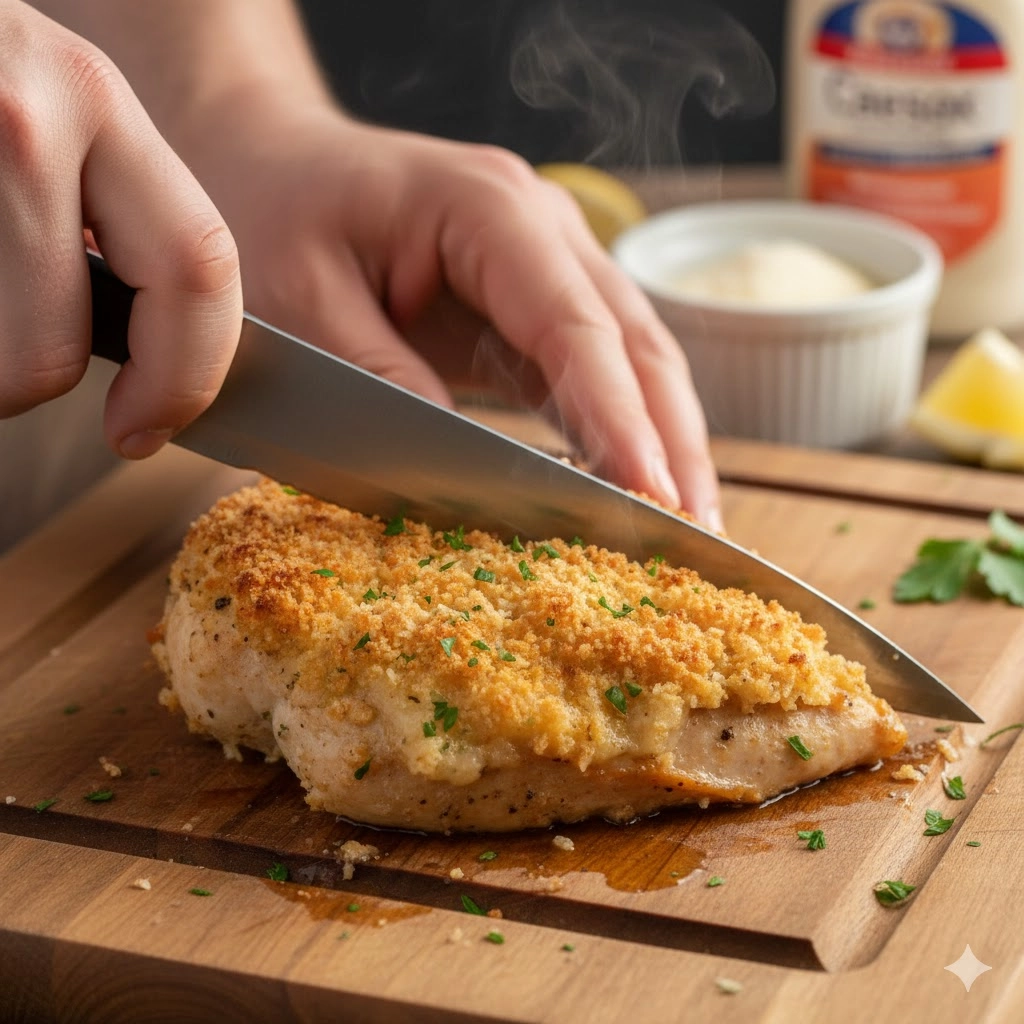
The oven should be preheated and stable at three hundred seventy-five Fahrenheit. As the chicken approaches doneness—around the eighteen-minute mark—you will notice a change in the kitchen aroma. It will shift from the subtle, savory scent of the Italian herbs to the richer, nuttier fragrance of the melted and slightly browned Parmesan cheese. This is the signal that the crust is setting. If you used panko, look for a light golden-brown color and a crisp, dry texture on the surface. A soggy crust suggests the initial temperature was too low or the chicken was crowded.
The Critical Check for Doneness
Never rely solely on visual inspection when cooking chicken breast. The breast meat should appear opaque throughout, with no pink or translucent spots, but the true test is temperature. Insert an instant-read thermometer into the thickest part of the largest breast, avoiding the bone if you chose a bone-in cut. The internal temperature must register one hundred sixty-five Fahrenheit. Over-baking, even by a few minutes, will result in dry, stringy meat. If you find the crust is browning too quickly before the center is cooked, loosely tent the dish with aluminum foil for the final five to eight minutes.
The Non-Negotiable Rest Period
The five-minute rest period is not a suggestion; it is a fundamental law of cooking protein. As the chicken bakes, the internal muscle fibers constrict, squeezing the moisture toward the center. Removing it from the oven and letting it rest allows the temperature gradient to equalize, relaxing the fibers and enabling the juices to redistribute throughout the entire cut. Slicing immediately will result in a puddle of flavor on the cutting board and significantly drier meat.
Elevating the Experience: Expert Pro Tips
These specific adjustments and techniques will ensure your Baked Caesar Chicken is perfectly executed every time.
- Pound for Consistency: If your chicken breasts are unevenly sized or very thick, place them between two sheets of parchment paper and gently pound the thickest parts with the flat side of a meat mallet. Aim for an even thickness of about three-quarters of an inch. This guarantees uniform cooking and prevents thinner edges from drying out.
- The Fresh Garlic Strategy: Boost the dressing’s flavor without adding complexity. Before marinating, stir one minced clove of fresh garlic into the prepared Caesar dressing. The raw garlic’s sharpness will mellow in the oven but leave behind a vibrant aromatic backbone.
- A Lemon Finish: A squeeze of fresh lemon juice immediately after the chicken comes out of the oven is a game-changer. The acidity cuts through the richness of the cheese and dressing, adding brightness and highlighting the savoriness.
- Use Quality Grated Cheese: Skip the pre-shredded Parmesan that often contains anti-caking agents. Instead, use a block of Parmigiano Reggiano and grate it finely yourself. The melting quality and depth of flavor are incomparable, leading to a much better crust.
- Don’t Toss the Pan Juices: The small amount of flavorful drippings in the bottom of the pan after baking is liquid gold. Drizzle this savory moisture over the chicken when serving, or use it to dress a small side salad to accompany the dish.
- The Crisp Base: For maximum crispness on the bottom of the chicken, you can line the baking dish with a wire rack. This elevates the chicken, allowing air to circulate fully and preventing the underside from steaming, though it will slightly increase clean-up.
Creative Adjustments and Flavor Variations
This recipe is inherently flexible. Use the core method as a canvas for other flavor pairings.
- The Tomato and Basil Twist: Before baking, top each chicken breast with two thin slices of fresh tomato and a chiffonade of fresh basil leaves. This introduces a Mediterranean brightness and extra moisture, balancing the Caesar’s richness.
- Keto/Low-Carb Modification: Simply omit the panko breadcrumbs entirely. To maintain a crunchy topping, use a quarter cup of crushed pork rinds mixed with the Parmesan cheese. The fat content helps create a fantastic, savory crust.
- Spicy Kick: Stir a half-teaspoon of crushed red pepper flakes into the Caesar dressing before marinating. The heat is subtle but provides a welcome counterpoint to the salty cheese and creamy dressing.
- Mushroom and Spinach Stuffing: Carefully slice a pocket into the side of the chicken breasts. Mix two ounces of softened cream cheese with a quarter cup of sautéed, drained spinach and minced mushrooms. Stuff this mixture into the pocket before coating with the dressing and baking.
Thoughtful Side Pairings
The assertive, savory flavor of the Baked Caesar Chicken requires sides that offer either a textural contrast or a clean, contrasting flavor profile.
- Simple Roasted Asparagus: Tossed in olive oil, salt, and pepper, roasted asparagus offers a beautiful snap and a slightly bitter, earthy contrast to the creamy chicken.
- Lemon-Garlic Orzo: A light pasta dish tossed with olive oil, fresh lemon zest, and a touch of roasted garlic provides a tender, neutral carbohydrate base to soak up any remaining pan juices.
- Rustic Smashed Potatoes: Boiling baby potatoes until tender, smashing them flat, and then roasting them until crispy provides a satisfying crunch and a sturdy foundation for the meal.
- A Clean, Leafy Green Salad: A simple salad of mixed greens, a touch of red onion, and a very light vinaigrette (not Caesar dressing) is the classic foil, providing freshness and palate cleansing.
Frequently Asked Questions about Preparation
Can I prepare this dish ahead of time?
You can complete steps one and two entirely ahead of time. Marinate the chicken for up to four hours and store it in the refrigerator. We advise against marinating longer than four hours, as the dressing’s acidity can begin to change the texture of the chicken. Do not add the Parmesan or panko until just before you place the dish in the oven.
Is it safe to use bottled Caesar dressing?
Yes, absolutely. This recipe is designed around the convenience of a good-quality bottled Caesar dressing. Given that it will be baked in the oven at a high temperature, any concerns about raw egg or anchovies typically found in homemade dressing are eliminated. The key is to select a brand that you genuinely enjoy the flavor of.
Can I use chicken thighs instead of breasts?
You can substitute boneless, skinless chicken thighs for the breasts. Thighs are naturally fattier and more forgiving, so they will stay moist even if slightly overcooked. The cooking time will be similar, perhaps twenty-five to thirty minutes, but always check for an internal temperature of one hundred sixty-five Fahrenheit.
How should I store leftovers?
Store any leftovers in an airtight container in the refrigerator for up to four days. Reheat the chicken gently in a preheated oven at three hundred twenty-five Fahrenheit for eight to ten minutes to prevent it from drying out, or slice it cold and serve it on top of a salad.
Estimated Nutritional Snapshot
| Nutrient | Amount per Serving |
| Calories | 340 kcal |
| Protein | 45 g |
| Carbs | 8 g |
| Fat | 14 g |
| Fiber | 1 g |
| Sugar | 1 g |
| Sodium | 590 mg |
Disclaimer
Nutrition information is an estimate and may vary based on preparation and ingredients used.
PrintHeralding the Ease of Baked Caesar Chicken: A Weeknight Triumph

This irresistibly creamy garlic parmesan chicken pasta is the ultimate comfort food. Ready in 30 minutes with juicy chicken and a velvety sauce.
Ingredients
4 boneless, skinless chicken breasts (about 6 to 8 ounces each)
3/4 cup prepared Caesar salad dressing (creamy variety)
1 teaspoon Italian seasoning blend
1/2 teaspoon finely ground black pepper
1/4 teaspoon sea salt
1/2 cup grated Parmesan cheese
1/4 cup panko breadcrumbs (optional)
2 tablespoons freshly chopped parsley or chives
Instructions
1. In a large bowl or zip-top bag, combine the chicken breasts with the Caesar dressing, Italian seasoning, salt, and pepper. Ensure the chicken is fully coated. Refrigerate for at least thirty minutes, or up to four hours.
2. Preheat your oven to three hundred seventy-five Fahrenheit. Lightly grease a baking dish.
3. Remove the chicken from the marinade, shaking off any excess, and place it in the prepared baking dish.
4. Sprinkle the tops evenly with the grated Parmesan cheese and the panko breadcrumbs, if using.
5. Bake for twenty to twenty-five minutes, or until the internal temperature reaches one hundred sixty-five Fahrenheit.
6. Let the chicken rest for five minutes before slicing and serving. Garnish with chopped parsley or chives.
Notes
Pound chicken breasts for an even thickness of about three-quarters of an inch for uniform cooking.
Add a squeeze of fresh lemon juice immediately after the chicken comes out of the oven to cut through the richness.
Use quality grated Parmesan cheese for the best crust texture and flavor.