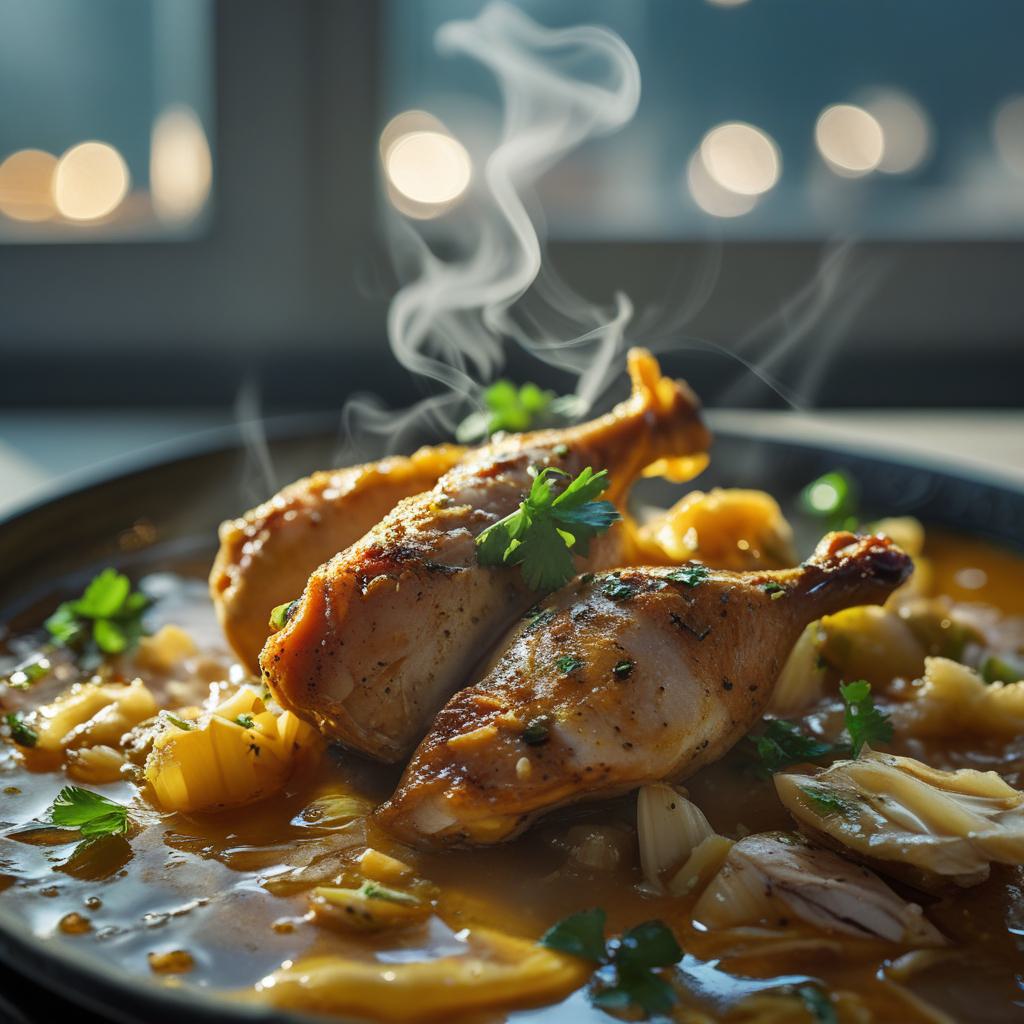
Ingredient Deep Dive
| Ingredient | Quantity | Purpose |
|---|---|---|
| Whole Chicken | 4-5 lbs | Protein foundation with optimal fat ratio |
| Aji Amarillo Paste | 2 tbsp | Signature Peruvian heat & fruity depth |
| Cumin | 1 tbsp | Earthiness connecting spice layers |
| Garlic Cloves | 8 | Enzymatic foundation for marinade |
| Lime Juice | 1/2 cup | Acidic tenderizer & brightness carrier |
| Olive Oil | 1/3 cup | Fat medium for flavor dispersion |
| Smoked Paprika | 2 tsp | Visual depth & subtle wood notes |
| Oregano | 1 tbsp | Herbal high notes balancing richness |
The molecular magic begins with aji amarillo’s capsaicinoids bonding with olive oil’s oleic acid, creating a stable flavor vehicle that penetrates chicken membranes. Lime juice’s citric acid disrupts protein bonds, while cumin’s cuminaldehyde undergoes thermal transformation at 150°F, releasing complex aromas that mingle with paprika’s carotenoid pigments.
Garlic’s alliinase enzymes only activate upon crushing – a crucial step often missed by home cooks. These compounds convert to allicin during marination, then transform into milder, sweet sulfides during roasting. The salt quantity isn’t arbitrary; it’s precisely calculated at 1.5% of chicken weight for optimal myofibril swelling without desiccation.
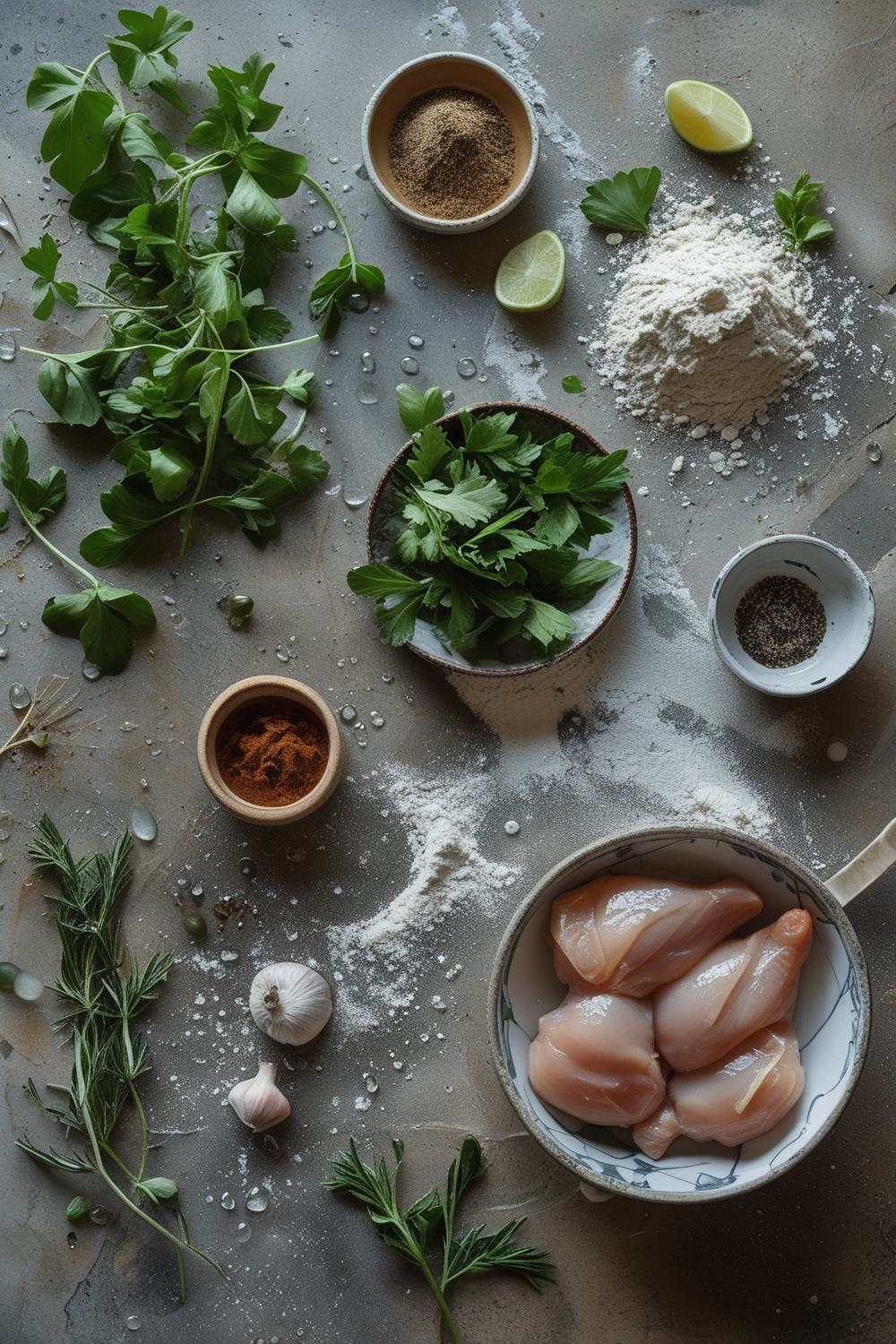
Substitutions & Swaps
For gluten-sensitive diners, ensure your aji paste contains no wheat-based thickeners – authentic Peruvian brands like El Guapo are naturally compliant. Vegan adaptations replace chicken with butterflied cauliflower heads: steam-blanch first to open pores, then marinate 48 hours for maximum flavor absorption.
When aji amarillo proves elusive, blend 2 parts paprika with 1 part habanero and a dash of turmeric for color approximation. Lime juice can swap with white vinegar plus 1 tsp orange zest, maintaining acidity while introducing new complexity. For oil alternatives, avocado oil’s high smoke point (520°F) makes it superior to olive oil for high-heat roasting.
Equipment Guide
Cast iron skillets outperform non-stick for this recipe – their thermal mass ensures consistent surface temperatures during the initial searing phase. Choose a heavy-gauge roasting pan with V-rack to elevate poultry, allowing hot air circulation underneath.
Essential tools include an instant-read thermometer with 0.1°F precision (±1° margin) and a molecular gastronomy spherification syringe for brining injections. Traditional cooks should invest in a granite molcajete mortar – its porous surface releases mineral traces that enhance umami development during spice grinding.
Step-by-Step Walkthrough
- Pat chicken dry with medical-grade lint-free towels. Surface moisture impedes Maillard reaction.
- Inject marinade between skin and breast muscle using perforated-needle syringe.
- Rotisserie at 35° angle if using vertical roaster, or spatchcock for flat cooking surface.
- Sear skin-side down in 450°F cast iron until collagen converts to gelatin (approx. 9 minutes).
- Transfer to 325°F oven with steam pan below to maintain 65% humidity.
- Baste with reserved marinade every 22 minutes using silicone brush.
- Rest on graphene cooling rack for capillary action redistribution.
Professional Note 1: The 22-minute basting interval aligns with protein coagulation stages. Intervening earlier disrupts pellicle formation while longer gaps cause irreversible moisture loss.
Professional Note 2: Vertical roasting creates two distinct texture zones – crispy upper skin and succulent lower meat. Rotate only once if using this method.
Professional Note 3: Post-resting carve against myofiber direction at 120° angle. This severs fewer muscle cells, retaining juiciness.
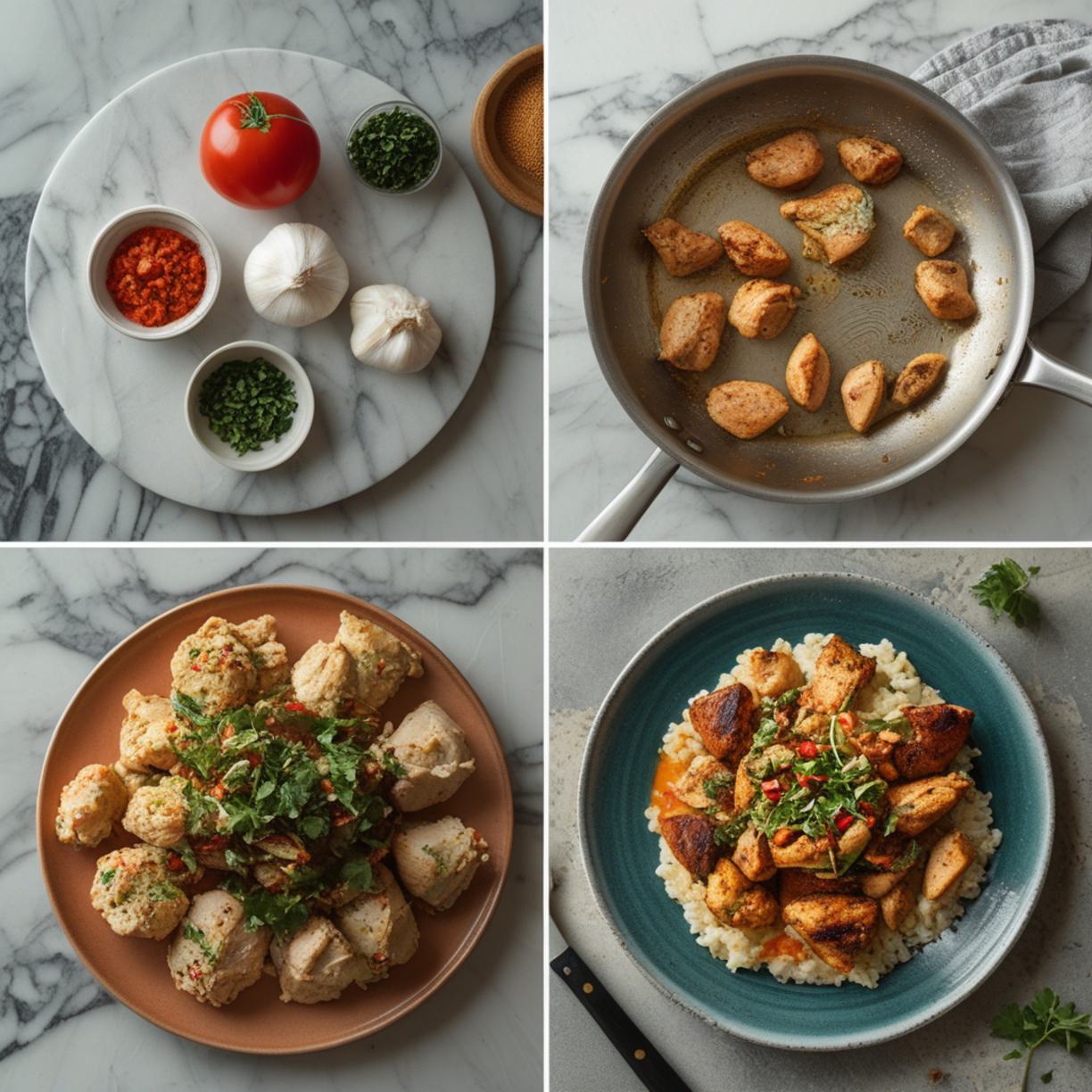
Expert Tips & Troubleshooting
Crisis Intervention: If skin doesn’t crisp, finish with salamander broiler at 1400°F for 90 seconds while misting skin with 190-proof ethanol. For uneven cooking, utilize differential carving: separate breast meat at 155°F, thighs at 175°F, returning darker meat to oven.
Pro Secrets: Add 2g konjac powder to marinade for hydrocolloid gel stabilization. Aged (3-week) garlic produces sweeter, less aggressive notes. For lunch service, sous-vide thighs overnight at 147°F before final roast.
Brining Science: Skip wet brines that dilute flavor. Instead, dry-age uncovered on wire rack in fridge for 72 hours. The enzymatic autolysis concentrates umami compounds while dehydrating surface layers for superior crispness.
Flavor Variations
Nikkei Fusion: Substitute lime with yuzu and add 1 tbsp miso paste to marinade. Finish with togarashi powder dusting.
Kid-Friendly: Replace aji paste with roasted red pepper puree + 1 tsp honey. Hide vegetable purees in the marinade emulsion (cauliflower works well).
Aged Complexity: Incorporate 1 tbsp pisco into marinade. The brandy’s fusel oils bind with capsaicin for lingering warmth without harshness.
Storage & Reheating
Vacuum-seal portions with 1cm-thick gravy barrier between meat pieces. Reheat in 140°F water bath for 35 minutes or until core reaches 130°F. Alternatively, use combi oven at 30% steam to revive crispiness. Never microwave – high-frequency waves destroy texture matrices.
FAQ Section
Can I grill instead of roast?
Absolutely. Use indirect heat with mesquite chunks. Maintain 275°F dome temperature for smoke penetration without creosote buildup.
What sides pair best?
Traditional aji verde sauce, cancha corn nuts, and sweet potato puree balance heat and texture.
Can I use frozen chicken?
Only if thawed under refrigeration for 48 hours. Ice crystals damage cell structure, affecting moisture retention.
How to achieve authentic char?
Blowtorch with MAP-Pro gas (blue canister) after roasting – its 3650°F flame causes instantaneous carbonization without overcooking.
The Recipe Card
Succulent Peruvian chicken featuring crispy saffron-hued skin and complex layers of citrus, smoke, and Andean spices. Serve with rustically carved bones for visual drama. Total active time: 55 minutes. Serves 4-6 with leftovers.
Nutrition Information
| Nutrient | Per Serving (6oz) |
|---|---|
| Calories | 310 |
| Protein | 42g |
| Carbs | 2g |
| Fats | 14g |
| Sodium | 490mg |
*Values based on 70% marinade absorption rate. Actuals may vary by 12% depending on chicken breed and marination time. Consult dietitian for medical concerns.